

ISO/DIS 18283
(Main)Coal and coke -- Manual sampling
Coal and coke -- Manual sampling
Titre manque
General Information
RELATIONS
Standards Content (sample)
DRAFT INTERNATIONAL STANDARD
ISO/DIS 18283
ISO/TC 27/SC 4 Secretariat: SABS
Voting begins on: Voting terminates on:
2020-11-16 2021-02-08
Coal and coke — Manual sampling
ICS: 75.160.10; 73.040
THIS DOCUMENT IS A DRAFT CIRCULATED
FOR COMMENT AND APPROVAL. IT IS
THEREFORE SUBJECT TO CHANGE AND MAY
NOT BE REFERRED TO AS AN INTERNATIONAL
STANDARD UNTIL PUBLISHED AS SUCH.
IN ADDITION TO THEIR EVALUATION AS
BEING ACCEPTABLE FOR INDUSTRIAL,
This document is circulated as received from the committee secretariat.
TECHNOLOGICAL, COMMERCIAL AND
USER PURPOSES, DRAFT INTERNATIONAL
STANDARDS MAY ON OCCASION HAVE TO
BE CONSIDERED IN THE LIGHT OF THEIR
POTENTIAL TO BECOME STANDARDS TO
WHICH REFERENCE MAY BE MADE IN
Reference number
NATIONAL REGULATIONS.
ISO/DIS 18283:2020(E)
RECIPIENTS OF THIS DRAFT ARE INVITED
TO SUBMIT, WITH THEIR COMMENTS,
NOTIFICATION OF ANY RELEVANT PATENT
RIGHTS OF WHICH THEY ARE AWARE AND TO
PROVIDE SUPPORTING DOCUMENTATION. ISO 2020
---------------------- Page: 1 ----------------------
ISO/DIS 18283:2020(E)
COPYRIGHT PROTECTED DOCUMENT
© ISO 2020
All rights reserved. Unless otherwise specified, or required in the context of its implementation, no part of this publication may
be reproduced or utilized otherwise in any form or by any means, electronic or mechanical, including photocopying, or posting
on the internet or an intranet, without prior written permission. Permission can be requested from either ISO at the address
below or ISO’s member body in the country of the requester.ISO copyright office
CP 401 • Ch. de Blandonnet 8
CH-1214 Vernier, Geneva
Phone: +41 22 749 01 11
Email: copyright@iso.org
Website: www.iso.org
Published in Switzerland
ii © ISO 2020 – All rights reserved
---------------------- Page: 2 ----------------------
ISO/DIS 18283:2020(E)
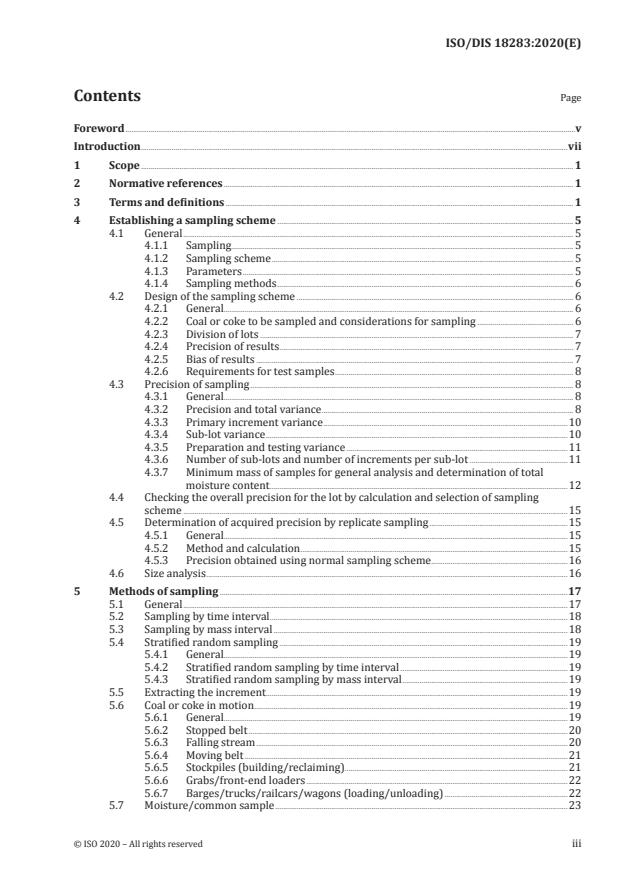
Contents Page
Foreword ..........................................................................................................................................................................................................................................v
Introduction ..............................................................................................................................................................................................................................vii
1 Scope ................................................................................................................................................................................................................................. 1
2 Normative references ...................................................................................................................................................................................... 1
3 Terms and definitions ..................................................................................................................................................................................... 1
4 Establishing a sampling scheme .......................................................................................................................................................... 5
4.1 General ........................................................................................................................................................................................................... 5
4.1.1 Sampling.................................................................................................................................................................................. 5
4.1.2 Sampling scheme ............................................................................................................................................................. 5
4.1.3 Parameters ............................................................................................................................................................................ 5
4.1.4 Sampling methods .......................................................................................................................................................... 6
4.2 Design of the sampling scheme ................................................................................................................................................ 6
4.2.1 General...................................................................................................................................................................................... 6
4.2.2 Coal or coke to be sampled and considerations for sampling .................................................. 6
4.2.3 Division of lots ................................................................................................................................................................... 7
4.2.4 Precision of results ........................................................................................................................................... .............. 7
4.2.5 Bias of results ..................................................................................................................................................................... 7
4.2.6 Requirements for test samples ............................................................................................................................ 8
4.3 Precision of sampling ........................................................................................................................................................................ 8
4.3.1 General...................................................................................................................................................................................... 8
4.3.2 Precision and total variance ................................................................................................................................... 8
4.3.3 Primary increment variance ...............................................................................................................................10
4.3.4 Sub-lot variance .............................................................................................................................................................10
4.3.5 Preparation and testing variance ...................................................................................................................11
4.3.6 Number of sub-lots and number of increments per sub-lot ...................................................11
4.3.7 Minimum mass of samples for general analysis and determination of totalmoisture content ........................................................................................................................................... ................12
4.4 Checking the overall precision for the lot by calculation and selection of sampling
scheme ........................................................................................................................................................................................................15
4.5 Determination of acquired precision by replicate sampling ........................................................................15
4.5.1 General...................................................................................................................................................................................15
4.5.2 Method and calculation ...........................................................................................................................................15
4.5.3 Precision obtained using normal sampling scheme .......................................................................16
4.6 Size analysis ............................................................................................................................................................................................16
5 Methods of sampling .....................................................................................................................................................................................17
5.1 General ........................................................................................................................................................................................................17
5.2 Sampling by time interval ...........................................................................................................................................................18
5.3 Sampling by mass interval .........................................................................................................................................................18
5.4 Stratified random sampling ......................................................................................................................................................19
5.4.1 General...................................................................................................................................................................................19
5.4.2 Stratified random sampling by time interval .......................................................................................19
5.4.3 Stratified random sampling by mass interval ......................................................................................19
5.5 Extracting the increment .............................................................................................................................................................19
5.6 Coal or coke in motion ...................................................................................................................................................................19
5.6.1 General...................................................................................................................................................................................19
5.6.2 Stopped belt ......................................................................................................................................................................20
5.6.3 Falling stream ..................................................................................................................................................................20
5.6.4 Moving belt ........................................................................................................................................................................21
5.6.5 Stockpiles (building/reclaiming)....................................................................................................................21
5.6.6 Grabs/front-end loaders ........................................................................................................................................22
5.6.7 Barges/trucks/railcars/wagons (loading/unloading) ................................................................22
5.7 Moisture/common sample ........................................................................................................................................................23
© ISO 2020 – All rights reserved iii---------------------- Page: 3 ----------------------
ISO/DIS 18283:2020(E)
5.8 Different coals or cokes ................................................................................................................................................................23
5.9 Random selection of increments ..........................................................................................................................................24
6 Sampling equipment .....................................................................................................................................................................................25
6.1 General ........................................................................................................................................................................................................25
6.2 Examples ...................................................................................................................................................................................................25
6.2.1 Ladles ......................................................................................................................................................................................25
6.2.2 Shovels ...................................................................................................................................................................................25
6.2.3 Scoops ....................................................................................................................................................................................26
6.2.4 Probes.....................................................................................................................................................................................26
6.2.5 Manual cutter ...................................................................................................................................................................26
6.2.6 Stopped-belt sampling frame .............................................................................................................................26
7 Handling and storage of samples .....................................................................................................................................................30
7.1 Sample size ..............................................................................................................................................................................................30
7.2 Time ...............................................................................................................................................................................................................30
7.3 Divided sample ....................................................................................................................................................................................31
7.4 Containers ................................................................................................................................................................................................31
7.5 Moisture loss/breakage or degradation ........................................................................................................................32
7.6 Identification/labelling .................................................................................................................................................................33
8 Sample preparation ........................................................................................................................................................................................33
8.1 General ........................................................................................................................................................................................................33
8.2 Constitution of a sample ..............................................................................................................................................................33
8.3 Division .......................................................................................................................................................................................................34
8.3.1 General...................................................................................................................................................................................34
8.3.2 Mechanical methods ..................................................................................................................................................35
8.3.3 Manual methods ............................................................................................................................................................38
8.4 Reduction ..................................................................................................................................................................................................42
8.4.1 General...................................................................................................................................................................................42
8.4.2 Reduction mills ...................................................................... .........................................................................................43
8.5 Mixing ..........................................................................................................................................................................................................43
8.6 Air-drying of coal ...............................................................................................................................................................................43
8.7 Coal — Preparation of test samples...................................................................................................................................44
8.7.1 Types of test samples ................................................................................................................................................44
8.7.2 Preparation of samples for determination of total moisture content .............................45
8.7.3 Preparation of samples for general analysis .........................................................................................45
8.7.4 Common samples .........................................................................................................................................................48
8.7.5 Preparation of size-analysis sample.............................................................................................................49
8.7.6 Preparation of samples for other tests ......................................................................................................50
8.7.7 Reserve sample ..............................................................................................................................................................51
8.8 Coke — Preparation of test samples .................................................................................................................................51
8.8.1 Types of test samples ................................................................................................................................................51
8.8.2 Preparation of coke samples for determination of total moisture content ................52
8.8.3 Preparation of samples for general analysis .........................................................................................54
8.8.4 Storage ...................................................................................................................................................................................55
8.8.5 Physical test sample ...................................................................................................................................................55
8.8.6 Samples for special properties .........................................................................................................................55
8.8.7 Reserve sample ..............................................................................................................................................................55
9 Packing and marking of samples ......................................................................................................................................................55
10 Sampling report..................................................................................................................................................................................................56
Annex A (informative) Example of calculation of precision, mass of increments,number of
sub-lots and number of increments per sub-lot ...............................................................................................................57
Annex B (informative) Methods of sampling coal and coke from stationary lots ...............................................60
Bibliography .............................................................................................................................................................................................................................62
iv © ISO 2020 – All rights reserved---------------------- Page: 4 ----------------------
ISO/DIS 18283:2020(E)
Foreword
ISO (the International Organization for Standardization) is a worldwide federation of national standards
bodies (ISO member bodies). The work of preparing International Standards is normally carried out
through ISO technical committees. Each member body interested in a subject for which a technical
committee has been established has the right to be represented on that committee. International
organizations, governmental and non-governmental, in liaison with ISO, also take part in the work.
ISO collaborates closely with the International Electrotechnical Commission (IEC) on all matters of
electrotechnical standardization.The procedures used to develop this document and those intended for its further maintenance are
described in the ISO/IEC Directives, Part 1. In particular, the different approval criteria needed for the
different types of ISO documents should be noted. This document was drafted in accordance with the
editorial rules of the ISO/IEC Directives, Part 2 (see www .iso .org/ directives).
Attention is drawn to the possibility that some of the elements of this document may be the subject of
patent rights. ISO shall not be held responsible for identifying any or all such patent rights. Details of
any patent rights identified during the development of the document will be in the Introduction and/or
on the ISO list of patent declarations received (see www .iso .org/ patents).Any trade name used in this document is information given for the convenience of users and does not
constitute an endorsement.For an explanation of the voluntary nature of standards, the meaning of ISO specific terms and
expressions related to conformity assessment, as well as information about ISO's adherence to the
World Trade Organization (WTO) principles in the Technical Barriers to Trade (TBT), see www .iso .org/
iso/ foreword .html.This document was prepared by Technical Committee ISO/TC 27, Coal and Coke, Subcommittee SC 4,
Sampling.This second edition cancels and replaces the first edition (ISO 18283:2006), which has been technically
revised.The main changes compared to the previous edition are as follows:
• Removal of any reference to intermittent sampling. Only continuous sampling is permitted.
• Discussion of the need to eliminate bias prior to discussing precision.• Deletion of the separate tables on calculated numbers of increments.
• Deletion of the table on reference increment mass.
• Separation of tables for minimum sample masses for coal and coke.
• Removal of the table for reduced minimum sample mass for large sizes of coal and coke.
• Inclusion of manual sampling from a moving conveyor, provided a risk assessment is conducted
at the outset and that this type of sampling is only permitted on a slow-moving belt or at low flow
rates. Furthermore, at higher flow rates, mechanical assistance is necessary to ensure that primary
increments can be collected safely.• Restriction of the type of probes that can be used.
• Deletion of augers for manual sampling.
• Inclusion of a photograph of a gated riffle.
• Exclusion of sampling of large fuels in excess of the nominal top sizes in Tables 1, 2 and 4, because it
is not practical.© ISO 2020 – All rights reserved v
---------------------- Page: 5 ----------------------
ISO/DIS 18283:2020(E)
Any feedback or questions on this document should be directed to the user’s national standards body. A
complete listing of these bodies can be found at www .iso .org/ members .html.vi © ISO 2020 – All rights reserved
---------------------- Page: 6 ----------------------
ISO/DIS 18283:2020(E)
Introduction
Mechanical sampling from moving streams is the preferred method for sampling coal and coke.
However, often mechanical facilities are not available. Moreover, for sized coal or coke, mechanical
sampling may be a problem because of (size) degradation by the sampling system.The fundamental requirements of sampling are that all particles of the coal or coke in the lot are
accessible to the sampling instrument and thus have a non-zero chance of being selected, and that each
individual particle of equal mass has an equal probability of being selected and included in the sample.
When sampling manually, conditions are often far from ideal. The methods described in this document
are intended to obtain the most representative sample that can be safely achieved. Manual sampling
should only be applied if no possibility for mechanical sampling exists.The purpose of taking and preparing a sample of coal or coke is to provide a test sample that, when
analysed, provides test results representative of the lot or sub-lot sampled.The first stage of sampling, known as primary sampling, is the taking from positions distributed
over the entire lot of an adequate number of coal or coke portions known as primary increments. The
primary increments are then combined into a sample. From this sample, the required number and types
of test samples are prepared by a series of processes jointly known as sample preparation.
In devising a sampling procedure, it is also essential to guard against bias in the taking of increments.
Bias can arise from:a) incorrect location/timing of increments,
b) incorrect delimitation and extraction of increments,
c) particle size segregation at the point of sampling,
d) loss of integrity of increments after extraction.
Methods for measuring bias are described in ISO 13909-8.
© ISO 2020 – All rights reserved vii
---------------------- Page: 7 ----------------------
DRAFT INTERNATIONAL STANDARD ISO/DIS 18283:2020(E)
Coal and coke — Manual sampling
WARNING — This document can involve hazardous materials, operations and equipment, and
does not purport to address all the safety issues associated with its use. It is the responsibility of
the user of this document to establish appropriate health and safety practices.1 Scope
This document provides the basic terms used in manual sampling of coal and coke and describes the
general principles of sampling. It provides procedures and requirements for establishing a manual
sampling scheme, methods of manual sampling, sampling equipment, handling and storage of samples,
sample preparation and a sampling report, and applies to manual sampling during the transfer of coal
or coke. Guidelines for manual sampling in stationary situations are given in Annex B, but this method
of sampling does not provide a representative test sample and the sampling report shall state this.
This document covers sampling of brown coals and lignites, but does not include sampling from coal
seams, for which guidance is given in ISO 14180. Mechanical sampling of coal and coke is covered in
ISO 13909.2 Normative references
The following documents are referred to in the text in such a way that some or all of their content
constitutes requirements of this document. For dated references, only the edition cited applies. For
undated references, the latest edition of the referenced document (including any amendments) applies.
ISO 579, Coke — Determination of total moistureISO 589, Hard coal — Determination of total moisture
ISO 687, Solid mineral fuels — Coke — Determination of moisture in the general analysis test sample
ISO 728, Coke Size analysis by sievingISO 1953, Hard coal — Size analysis by sieving
ISO 1213-2, Solid mineral fuels — Vocabulary — Part 2: Terms relating to sampling, testing and analysis
ISO 13909-7, Hard coal and coke — Mechanical sampling — Part 7: Methods for determining the precision
of sampling, sample preparation and testingISO 13909-8, Hard coal and coke — Mechanical sampling — Part 8: Methods of testing for bias
3 Terms and definitionsFor the purposes of this document, the following terms and definitions apply.
ISO and IEC maintain terminological databases for use in standardization at the following addresses:
— ISO Online browsing platform: available at https:// www .iso .org/ obp— IEC Electropedia: available at http:// www .electropedia .org/
© ISO 2020 – All rights reserved 1
---------------------- Page: 8 ----------------------
ISO/DIS 18283:2020(E)
3.1
air-drying
process of bringing the moisture content of the sample near to equilibrium with the atmosphere in the
area in which further reduction and division of the sample are to take placeNote 1 to entry: Air-drying to equilibrium with the atmosphere applies to coal. Drying of coke is generally to
facilitate sample preparation.3.2
bias
systematic error that leads to the average value of a series of results being persistently higher or
persistently lower than those that are obtained using a reference sampling method
3.3common sample
sample collected for more than one intended use
3.4
continuous sampling
taking of a sample from every consecutive sub-lot so that increments are taken at uniform intervals
over the entire lot being handled3.5
cut
see increment
3.6
divided increment
part obtained from the division of the increment in order to decrease its mass
Note 1 to entry: Such division can be done with or without prior size reduction.
3.7
fixe
...
Questions, Comments and Discussion
Ask us and Technical Secretary will try to provide an answer. You can facilitate discussion about the standard in here.