


Certification Standards for Cement, Gypsum, Lime, and Mortar: A Practical Guide for Construction Businesses
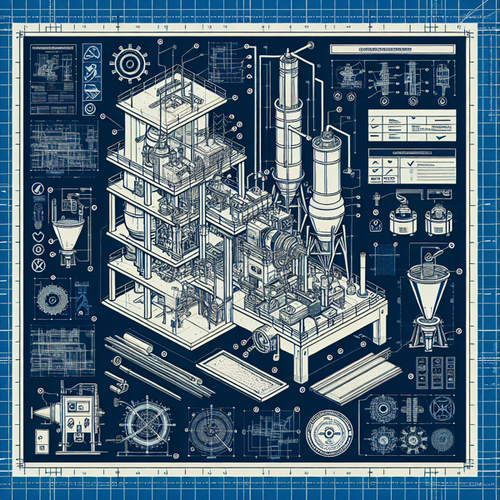
Modern construction demands materials and practices that not only ensure safety and quality but also maximize productivity and scalability. With complex projects and diverse stakeholders, standardized methods are vital across the production and application of cement, gypsum, lime, and mortar. This article covers four essential European standards—EN 13892-10:2025, EN 197-5:2021, EN 480-6:2024, and EN 934-7:2024—providing in-depth, accessible guidance for organizations seeking certification or aiming to elevate their processes.
In today’s highly competitive construction sector, adherence to these standards is not just a regulatory requirement but also a strategic asset. Implementing internationally recognized standards ensures product conformity, streamlines operations, enhances safety, and secures a competitive edge. In a world where construction safety, durability, and environmental concerns are paramount, businesses that integrate these standards position themselves for scalable, sustainable, and secure growth.
Overview / Introduction
The construction materials industry is experiencing a transformation. With stringent regulatory environments, challenging building projects, and evolving market demands, quality assurance through certification standards has never been more critical.
International construction standards, particularly those concerning cement, gypsum, lime, mortar, and concrete admixtures, establish consistent benchmarks for safety, reliability, and performance. By basing material selection, testing, and application on standards like EN 13892-10, EN 197-5, EN 480-6, and EN 934-7, manufacturers, contractors, and specifiers can ensure end products meet rigorous technical criteria and regulatory expectations.
In this guide, you’ll learn what each standard covers, their technical highlights, and why certification and compliance drive productivity, security, and business scalability in today’s construction landscape. We focus on clarity—explaining technical terms, real-world implications, and practical steps for implementation—making this essential reading for everyone from seasoned professionals to interested newcomers.
Detailed Standards Coverage
EN 13892-10:2025 - Method of Test for Screed Materials – Moisture Content via Calcium Carbide Method
Full Standard Title: Method of test for screed materials - Part 10: Determination of moisture content - Calcium Carbide Method
The EN 13892-10:2025 standard details a critical test method for measuring the moisture content in screeds—layered materials typically composed of cement, calcium sulphate, or magnesite. Correctly measuring residual moisture in screeds ensures flooring systems are safe and durable, preventing issues such as warping, delamination, or mold.
The Calcium Carbide Method (CM method) described in this standard is rapid, reliable, and well-suited for on-site analysis. It is widely recognized by European quality assurance authorities and is a cornerstone in screed acceptance testing.
Key requirements include:
- Applicable to cementitious, calcium sulphate, and magnesite screeds (as outlined in EN 13813)
- Prescription of robust equipment, safety procedures, and quality controls
- Specifies preparation, measurement, reporting methodology for accurate, repeatable results
- Mandates that test reports include sample info, procedures, results, and conformity statements
Who needs to comply:
- Construction contractors
- Flooring installers
- Material manufacturers and testing laboratories
- Quality control managers and independent certifiers
Practical implications: Implementing EN 13892-10:2025 helps businesses ensure screed layers have dried to safe levels before the installation of floor finishes. This reduces the risk of costly failures or remedial work, and contributes to longer lifespans for flooring systems, thus boosting reputation and client satisfaction.
Key highlights:
- Ensures safe flooring installation by detecting residual moisture
- Supports rapid on-site testing and quality control
- Comprehensive reporting for traceability and certification
Access the full standard:View EN 13892-10:2025 on iTeh Standards
EN 197-5:2021 - Cement: Portland-Composite Cement and Composite Cement (CEM II/C-M & CEM VI)
Full Standard Title: Cement - Part 5: Portland-composite cement CEM II/C-M and Composite cement CEM VI
EN 197-5:2021 governs the production and use of Portland-composite cement (CEM II/C-M) and a new class of composite cements (CEM VI). These are not included in common cement classifications such as EN 197-1; instead, they reflect the industry’s advances toward more sustainable, efficient, and durable materials.
The standard establishes chemical and physical property requirements, allowed constituents, performance testing—including strength, setting time, soundness, and heat of hydration—and strict conformity and labeling requirements crucial for certification and international trade.
Who needs to comply:
- Cement manufacturers
- Concrete, mortar, and grout producers
- Civil engineers and designers
- Quality assurance and compliance managers
Scope and requirements:
- Defines specifications and permissible additives for CEM II/C-M and CEM VI
- Provides conformity criteria, testing regimes, and attestation of performance
- Focuses on sustainable production by allowing for more diversified raw materials (reducing environmental impact)
- Excludes certain special cements and masonry cements (covered in other standards)
Practical implications: Compliance enables companies to market innovative, eco-friendly cements in Europe. Certified products can be trusted for use in high-performance concrete, mortar, and grout, assuring contractors and clients that these materials will perform reliably under modern construction demands and environmental regulations.
Key highlights:
- Supports sustainable construction through material flexibility
- Aligns with market trends in green building and low-carbon materials
- Mandatory for production, trade, and project specification in many regions
Access the full standard:View EN 197-5:2021 on iTeh Standards
EN 480-6:2024 - Admixtures for Concrete, Mortar, and Grout: Infrared Analysis
Full Standard Title: Admixtures for concrete, mortar and grout - Test methods - Part 6: Infrared analysis
EN 480-6:2024 specifies the method for identifying chemical admixtures in concrete, mortar, and grout through infrared (IR) analysis. As admixtures are essential for adjusting workability, curing, and special performance requirements, verifying their identity and purity is critical for quality control and certification.
The standard adds the Attenuated Total Reflectance (ATR) technique to its suite of permissible sampling methods, aligning with the latest best practices in analytical chemistry. IR analysis under EN 480-6 ensures even minute tampering, contamination, or mislabeling of admixtures is detectable.
Who needs to comply:
- Chemical admixture manufacturers and suppliers
- Quality assurance and control laboratories
- Concrete and mortar producers utilizing admixtures
- Certification bodies
Scope and requirements:
- Defines apparatus, sample preparation, and detailed IR/ATR measurement protocols
- Prescribes reporting format and criteria for positive identification or conformity
- Applies to both dry powdered and liquid admixtures
- Part of the broader EN 480 series, ensuring compatibility with other methods
Practical implications: Enhanced admixture analysis adds another layer of certainty for end users. Best-in-class production processes, backed by robust testing, help ensure reliable product performance and avoid costly failures related to incorrect admixture use.
Key highlights:
- Increased product safety and performance reliability
- Readiness for regulatory and third-party audits due to comprehensive documentation
- Incorporation of advanced analytical technologies for rapid, accurate results
Access the full standard:View EN 480-6:2024 on iTeh Standards
EN 934-7:2024 - Admixtures for Concrete, Mortar, and Grout: Shrinkage Reducing Admixtures
Full Standard Title: Admixtures for concrete, mortar and grout - Part 7: Shrinkage reducing admixtures - Definitions, requirements, conformity, marking and labelling
EN 934-7:2024 establishes the requirements for shrinkage reducing admixtures (SRAs), used to limit drying shrinkage in concrete. SRAs are essential to mitigate cracking, improve structural durability, and extend service life—especially in large slabs, pavements, or high-performance architectural applications.
The standard covers SRAs for plain, reinforced, and prestressed concrete, and includes those used for ready-mixed or precast applications. It clearly defines performance requirements, quality controls, type testing, conformity criteria, and exact marking, labeling, and documentation procedures.
Who needs to comply:
- SRA manufacturers and suppliers
- Concrete producers, both at the batch plant and on-site
- Quality and compliance teams
- Project engineers and specifiers
Scope and requirements:
- Lists precise chemical and physical performance benchmarks for SRAs
- Requires extensive type and batch testing for conformity
- Mandates strict traceability via marking and documentation
- Interfaces with test methods specified in the EN 480 series
Practical implications: Utilizing certified SRAs and following EN 934-7:2024 protocols helps reduce maintenance costs, limit repairs, and add value for clients. It also reassures project stakeholders that concrete will meet both technical and aesthetic expectations throughout its lifecycle.
Key highlights:
- Enhanced long-term durability and crack resistance
- Comprehensive compliance requirements for certification
- Boost to customer confidence and reduced project risk
Access the full standard:View EN 934-7:2024 on iTeh Standards
Industry Impact & Compliance
Consistently applying EN and ISO standards across cement, gypsum, lime, mortar, and admixture domains has powerful, wide-ranging effects on the construction industry:
- Productivity: Standardized materials and test methods drive more predictable workflows, facilitate automation, and reduce delays caused by product failures or regulatory issues. For manufacturers, smoother certification and quality assurance processes mean faster time-to-market for innovative products.
- Security and safety: Rigorous technical benchmarks minimize the risk of material failure, costly recalls, or safety incidents. Certified testing methods—such as those for screed moisture or admixture identification—protect against both immediate and latent structural risks.
- Scalability: Adopting widely recognized standards enables companies to operate across borders, access new markets, and meet the demands of larger-scale projects with confidence. Certification often serves as a prerequisite for public procurement and major private contracts.
- Reputation and customer trust: Compliance demonstrates commitment to quality, sustainability, and regulatory alignment, strengthening client relationships and supporting business growth.
Risks of non-compliance:
- Legal or regulatory fines
- Project delays or cancellations
- Increased incidence of defects or failures
- Damage to market reputation and ability to secure contracts
Benefits of compliance:
- Streamlined quality control and production processes
- Enhanced product acceptance in global markets
- Greater resilience to regulatory changes and industry evolution
Implementation Guidance
Common Adoption Strategies
Gap Analysis:
- Review current operational procedures, materials, and products.
- Identify discrepancies with the latest EN standards’ requirements.
Staff Training:
- Educate production, laboratory, and field staff on new methods and reporting obligations.
- Foster a culture of quality control and continual improvement.
Upgrade Testing Capabilities:
- Invest in necessary equipment (e.g., IR spectrometers, calcium carbide test kits, etc.).
- Align lab processes with detailed standard procedures for repeatability and compliance.
Supplier Engagement:
- Work with certified suppliers and require evidence of conformity (certificates, batch test reports).
- Include standard references in procurement documentation.
Documentation and Traceability:
- Maintain robust records for all test results, production batches, and conformity declarations.
- Implement digital traceability tools where feasible.
Regular Auditing and Review:
- Perform internal audits to assess ongoing compliance.
- Update procedures regularly based on new versions of standards or evolving regulations.
Best Practices
- Embed standard requirements into quality management systems (ISO 9001, etc.).
- Join standardization or industry working groups to stay ahead of changes.
- Consult with independent certification bodies for impartial assessments.
Resources
- The official EN and ISO standards from platforms like iTeh Standards
- National and regional construction authorities’ guidance
- Accredited testing and certification laboratories
Conclusion / Next Steps
Today’s construction marketplace recognizes internationally accredited certification not only as a badge of quality but as a catalyst for innovation, safety, and customer trust. The four standards covered in this guide—EN 13892-10:2025, EN 197-5:2021, EN 480-6:2024, and EN 934-7:2024—offer practical, actionable frameworks for organizations aiming to excel in the areas of cement, gypsum, lime, mortar, and concrete admixtures.
Key takeaways:
- Certification and compliance are prerequisites for market access, competitive differentiation, and safety.
- Adopting standardized methods, materials, and reporting transforms quality assurance from a regulatory burden into a business asset.
- Progressive organizations embed these standards in operations, supply chains, and client communications for maximum value.
Recommendations:
- Assess current practices and align them with the latest standards relevant to your materials and products.
- Make compliance and quality management central pillars of your company culture and client offering.
- Stay informed and agile—track updates to standards, train staff, and invest in new testing and compliance tools.
Explore, implement, and continuously improve—certification is both the foundation and the engine of success in modern construction. For the official text or to obtain certification evidence, visit the direct standard references below.
https://standards.iteh.ai/catalog/standards/cen/69d3b559-4114-43b3-bfed-05787fc839a2/en-197-5-2021
https://standards.iteh.ai/catalog/standards/cen/db207751-bccf-4b46-99f3-f157e5c0a631/en-480-6-2024
https://standards.iteh.ai/catalog/standards/cen/9ee5db4b-7d7d-4653-833d-2ef7048efb9e/en-934-7-2024
Categories
- Latest News
- New Arrivals
- Generalities
- Services and Management
- Natural Sciences
- Health Care
- Environment
- Metrology and Measurement
- Testing
- Mechanical Systems
- Fluid Systems
- Manufacturing
- Energy and Heat
- Electrical Engineering
- Electronics
- Telecommunications
- Information Technology
- Image Technology
- Precision Mechanics
- Road Vehicles
- Railway Engineering
- Shipbuilding
- Aircraft and Space
- Materials Handling
- Packaging
- Textile and Leather
- Clothing
- Agriculture
- Food technology
- Chemical Technology
- Mining and Minerals
- Petroleum
- Metallurgy
- Wood technology
- Glass and Ceramics
- Rubber and Plastics
- Paper Technology
- Paint Industries
- Construction
- Civil Engineering
- Military Engineering
- Entertainment