


Energy Efficiency Standards: A Practical Guide to Audits, Management Systems, and Environmental Vocabulary
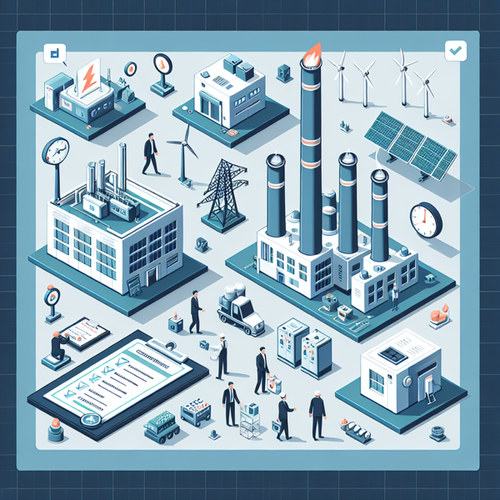
Energy efficiency has become a central concern for businesses, industry, and organizations of all sizes in our ever-evolving world—one where reducing energy use is not just an option, but a necessity for growth, compliance, and sustainable development. Key international standards offer a robust foundation to help businesses audit their energy use, implement effective energy management systems, and apply harmonized language to environmental processes. In this article, we'll take an in-depth look at three foundational standards: SIST EN 16247-1:2022 (energy audits), SIST EN ISO 50001:2018/A1:2024 (energy management with climate action), and SIST IEC 60050-904:2022/A2:2022 (environmental standardization vocabulary). Understanding and applying these standards can boost business productivity, enhance security, and provide a clear pathway for scalable, energy-conscious growth.
Overview / Introduction
Efficient energy use is crucial to competitive advantage, cost savings, and environmental stewardship in modern organizations. With increasing regulatory demands and consumer expectations, businesses can no longer treat energy efficiency as an afterthought. International standards in energy efficiency guide organizations in setting up proven practices and management systems, ensuring an objective approach to saving energy, and establishing a consistent language across the energy and environmental domains.
In this guide, you will:
- Learn the key requirements and benefits of three foundational energy standards
- Discover how they apply across industries, from SMEs to large multinational enterprises
- Explore best practices and practical tips for implementation
- Understand the importance of standardized terminology in environmental processes
Implementing these standards is not only a matter of compliance—it also unlocks opportunities for operational savings, productivity enhancement, and long-term resilience.
Detailed Standards Coverage
SIST EN 16247-1:2022 – Energy Audits: Laying the Foundation for Efficient Operations
Energy audits – Part 1: General requirements
SIST EN 16247-1:2022 is the cornerstone standard for conducting energy audits across any type of organization, building, industry, or sector. It specifies the requirements, process steps, quality expectations, and deliverables needed for a thorough evaluation of an organization’s energy use.
This standard defines an energy audit as a systematic inspection and analysis of energy use and consumption, aiming to identify energy flows and opportunities for efficiency improvement. Importantly, it harmonizes common aspects of the energy audit process to offer clarity and transparency in the market for energy auditing services.
What this standard covers:
- Applicable to all organizational types—commercial, industrial, residential, public sector
- Applies to all forms of energy and usage
- Outlines the general principles for energy audits before specialized standards for buildings, processes, or transport come into play
Key requirements and specifications:
- Competency, objectivity, and confidentiality of energy auditors
- Clearly defined audit processes: from preliminary contact to final reporting
- Data collection, measurement plans, sampling methods, and site visits
- Comprehensive analysis, including energy performance indicators and improvement opportunities
- Transparent, verifiable, and actionable reporting
Who needs to comply:
- Organizations of all types seeking to understand or improve energy use
- Service companies, manufacturing plants, facility managers, and public administration
Practical implications for implementation: Energy audits based on SIST EN 16247-1:2022 form the backbone of any energy efficiency strategy. By following its methodology, organizations can:
- Identify significant energy uses and waste
- Benchmark performance and set realistic improvement goals
- Satisfy regulatory obligations (such as those arising from the EU Energy Efficiency Directive)
- Prioritize investments in the most impactful energy-saving measures
Notable features:
- Steps for a thorough, representative view of energy consumption
- Guidance for reporting that aids business decisions and compliance
- Emphasizes auditor independence and competence
Key highlights:
- Harmonized audit methodology for all sectors
- Focused on delivering actionable, verifiable results
- Defines clear roles and responsibilities for energy auditors and organizations
Access the full standard:View SIST EN 16247-1:2022 on iTeh Standards
SIST EN ISO 50001:2018/A1:2024 – Climate-Responsive Energy Management Systems
Energy management systems — Requirements with guidance for use — Amendment 1: Climate action changes (ISO 50001:2018/Amd 1:2024)
SIST EN ISO 50001:2018/A1:2024 is the internationally recognized specification for energy management systems (EnMS), now amended to directly address climate action. With its process-based approach, this standard steers organizations toward continuously improving energy performance and reducing greenhouse gases—while ensuring alignment with broader climate targets.
Scope and coverage:
- Requirements for establishing, implementing, maintaining, and improving an energy management system
- Guidance for integrating climate action into energy policies, strategies, and operations
- Focus on monitoring, measuring, and analyzing energy metrics with broader environmental goals
Key requirements and specifications:
- Establishment of energy baselines, objectives, and energy performance indicators
- Systematic identification and prioritization of opportunities for energy performance improvements and climate action
- Leadership engagement and assignment of resources
- Incorporation of climate-related risks, opportunities, and actions into the EnMS framework
Who needs to comply:
- Organizations committed to sustainability and climate goals—regardless of size or sector
- Entities seeking certification to ISO 50001 for credibility, customer assurance, or regulatory compliance
Practical implications for implementation:
- Direct support for environmental, social, and governance (ESG) initiatives
- Structured approach to align corporate energy management with global climate change objectives
- “Plan-Do-Check-Act” cycles for ongoing improvement
Notable features:
- New emphasis on climate-related activities at every EnMS stage
- Alignment with international frameworks for climate risk
- Empowers organizations to demonstrate proactive climate leadership
Key highlights:
- Enhances ISO 50001 with targeted climate action provisions
- Drives both energy and climate performance
- Supports auditable, internationally accepted management system certification
Access the full standard:View SIST EN ISO 50001:2018/A1:2024 on iTeh Standards
SIST IEC 60050-904:2022/A2:2022 – The Common Language of Environmental Standardization
Amendment 2 - International Electrotechnical Vocabulary (IEV) - Part 904: Environmental standardization for electrical and electronic products and systems
Consistent terminology is an often overlooked but critical building block for effective environmental management—especially as digitalization and globalization blur technical and regulatory boundaries. SIST IEC 60050-904:2022/A2:2022 provides a harmonized vocabulary for environmental standardization related to electrical and electronic products and systems, drawing on the International Electrotechnical Vocabulary (IEV).
Scope and coverage:
- Defines key terms used in environmental standardization processes for the electrical and electronic sectors
- Bridges gaps between technical, regulatory, and business communications
- Serves as the bedrock for harmonized implementation of other environmental and energy standards
Key requirements and specifications:
- Uniform definitions for terms related to energy efficiency, ecological impacts, emission controls, product end-of-life, and more
- Facilitates international cooperation and compliance
- Essential for authoring technical documents, regulations, and audit reports
Who needs to comply:
- Electrical and electronic product manufacturers and suppliers
- Standards developers, conformity assessment bodies, and auditors
- Regulatory agencies and consultants working on environmental evaluations or regulations
Practical implications for implementation:
- Reduces ambiguity and risk of misinterpretation in environmental compliance efforts
- Supports accurate labeling, product declarations, and communications with third parties
- Ensures organizational alignment when implementing other energy and environmental standards
Notable features:
- Harmonized terminology supporting global trade and compliance
- Facilitates clarity in contracts, specifications, and regulatory filings
- Regularly updated to reflect advances in technology and best practices
Key highlights:
- Sets a solid communications foundation for energy and environmental management
- Streamlines integration of standards across departments and regions
- Aids in global alignment and regulatory consistency
Access the full standard:View SIST IEC 60050-904:2022/A2:2022 on iTeh Standards
Industry Impact & Compliance
Adhering to international standards for energy efficiency and environmental responsibility fundamentally transforms business operations and results in tangible benefits:
Why energy efficiency standards matter:
- Competitive edge: Organizations with efficient energy processes can reduce costs, improve productivity, and offer better value to customers
- Regulatory compliance: Energy and environmental standards are increasingly referenced in legislation and government procurement
- Risk mitigation: Standardized processes and terminology reduce compliance risks, audit failures, and misunderstandings
- Sustainability and climate impact: Enables organizations to align with the latest climate agendas and demonstrate active contributions toward decarbonization
Benefits of adoption:
- Improved energy performance and cost savings
- Access to global supply chains through recognized certification
- Better internal communications and reduced ambiguity across departments and borders
- Demonstrable action for ESG reporting and stakeholder confidence
- Enhanced ability to scale, as systems and audits become repeatable and transferrable
Risks of non-compliance:
- Legal and financial penalties
- Loss of market access or exclusion from tenders
- Reputational damage with customers and partners
- Lower operational resilience and higher exposure to energy price fluctuations
Implementation Guidance
Transitioning to energy-efficient, climate-conscious, and standardized operations requires commitment but delivers significant returns. Here’s how organizations can successfully implement these standards:
Common implementation approaches
- Gap Analysis: Begin by comparing current practices to standard requirements using checklists or professional audits.
- Leadership Commitment: Secure executive buy-in—essential for resourcing and cultural change.
- Capacity Building: Train key staff in energy auditing principles, management systems, and standard-specific language.
- Phased Implementation: Roll out standards in manageable stages, focusing on highest-impact areas like major energy uses or climate risk hotspots.
- Documentation and Reporting: Maintain clear records of processes, results, and corrective actions, using harmonized terminology.
- Continual Improvement: Use periodic audits, management reviews, and stakeholder input to update energy policies and practices.
Best practices for adopting these standards
- Integrate audits and management systems: Use outputs from energy audits (16247-1) as inputs for continuous EnMS improvement (50001)
- Promote cross-disciplinary teamwork: Involve facilities, finance, compliance, and IT to ensure holistic adoption
- Leverage technology: Adopt digital tools for data collection, tracking KPIs, and facilitating reporting
- Engage external expertise: Bring in qualified energy auditors, system consultants, or terminology advisors as needed
- Communicate openly: Use standardized vocabulary (IEC 60050-904) in all communications—internal and external
Key resources for organizations
- Online training and certification programs by recognized standards bodies
- Standards documentation and templates from platforms like iTeh Standards
- Sectoral case studies and best-practice guides
- Conferences, webinars, and industry working groups focused on energy efficiency and climate action
Conclusion / Next Steps
Energy efficiency is now a business-critical priority, with strong regulatory and market drivers behind it. International standards like SIST EN 16247-1:2022, SIST EN ISO 50001:2018/A1:2024, and SIST IEC 60050-904:2022/A2:2022 provide the frameworks needed to perform robust energy audits, implement strategic management systems, and ensure that everyone speaks the same language in environmental processes. Businesses large and small can realize significant productivity gains, improve their security posture, and scale effectively in response to new opportunities.
Action steps for organizations:
- Evaluate current energy audit and management practices versus the standards outlined above
- Invest in staff training and system enhancements
- Use the references and templates available via iTeh Standards
- Stay up-to-date with future amendments and best practices in energy efficiency
Harnessing the full value of these standards ensures not only compliance but also competitive advantage in a rapidly shifting energy landscape. Start your journey to energy excellence—and secure your place in the future of sustainable business.
Categories
- Latest News
- New Arrivals
- Generalities
- Services and Management
- Natural Sciences
- Health Care
- Environment
- Metrology and Measurement
- Testing
- Mechanical Systems
- Fluid Systems
- Manufacturing
- Energy and Heat
- Electrical Engineering
- Electronics
- Telecommunications
- Information Technology
- Image Technology
- Precision Mechanics
- Road Vehicles
- Railway Engineering
- Shipbuilding
- Aircraft and Space
- Materials Handling
- Packaging
- Textile and Leather
- Clothing
- Agriculture
- Food technology
- Chemical Technology
- Mining and Minerals
- Petroleum
- Metallurgy
- Wood technology
- Glass and Ceramics
- Rubber and Plastics
- Paper Technology
- Paint Industries
- Construction
- Civil Engineering
- Military Engineering
- Entertainment