


Key Drinking Water Biocide Standards: A Guide to Safe Chlorine and Ozone Generation in Water Treatment
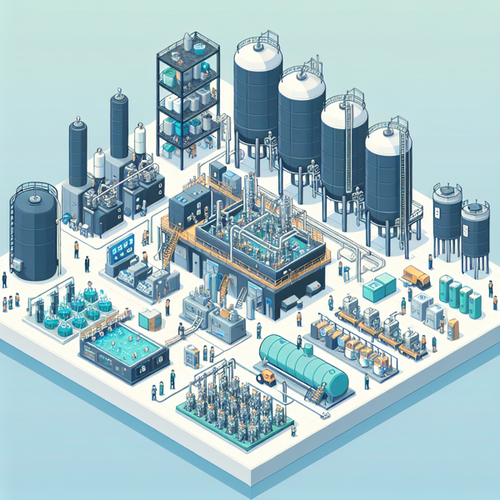
Ensuring the safety and quality of drinking water is more crucial than ever. As public health expectations rise and regulatory scrutiny intensifies, businesses and utilities involved in water treatment must keep pace with international benchmarks that ensure water purity and safe biocide usage. This article explores two cornerstone European standards—EN 17818:2023 (in-situ active chlorine generation) and EN 17971:2024 (in-situ ozone generation). Through these standards, organizations can reliably produce biocides where and when needed, optimize safety, meet stringent legal requirements, and scale their operations with confidence.
Overview / Introduction
Water is life, and the provision of safe, clean drinking water relies on advanced treatment methods to control pathogens and impurities. Among the most effective tools is the on-site (in-situ) generation of biocides—chemicals like active chlorine and ozone—that powerfully disinfect water supplies. However, generating and dosing such agents safely demands rigorous technical, operational, and regulatory safeguards.
International standards have become vital in this context. They establish common requirements, safety protocols, and test methods that support reliable operation, public health, and environmental protection. In today’s landscape, implementing such standards is no longer optional for operators—it’s a driver of productivity, risk management, security, and straightforward compliance. From municipalities to industrial water users, adherence streamlines processes, builds trust, and enables scalable, future-ready systems.
This guide examines two recent, authoritative standards for in-situ drinking water biocide generation:
- EN 17818:2023: Active chlorine generation from salt via electrolysis
- EN 17971:2024: Ozone generation using dielectric barrier discharge
You’ll learn what each standard covers, who needs to comply, practical features, and why conforming leads to safer, more productive water treatment operations.
Detailed Standards Coverage
EN 17818:2023 - Safe In-Situ Generation of Active Chlorine
Devices for in-situ generation of biocides – Active chlorine generated from sodium chloride by electrolysis
The EN 17818:2023 standard lays out minimum requirements for systems that generate active chlorine (mainly sodium hypochlorite solutions) directly at the point of use, via the electrolysis of sodium chloride (common salt). This method offers a secure, on-demand biocide supply while minimizing storage and transport of hazardous chemicals.
What Does the Standard Cover?
- Specifies requirements for device design, construction, and performance.
- Details safety protocols relating to gas management (hydrogen, chlorine), chemical handling, and backflow prevention to protect potable water.
- Outlines maintenance, test methods for biocide quality (chlorine concentration, by-products), and clear documentation for installation and operation.
- Applies to both offline (solution produced for later use) and inline (chemical produced directly in water pipes) approaches, across a broad range of system capacities and applications.
Key Requirements & Specifications
- Operating Conditions: Equipment must reliably function between 5–25°C water and 5–35°C ambient temperatures.
- Safety: Mandatory measures to safely dispose of hydrogen gas, control stray electrical currents, and prevent leakage of chlorine gas.
- Backflow Prevention: Devices for drinking water connection must include certified backflow prevention to avoid contamination as per EN 1717.
- Performance Testing: Systems must be tested at their maximum rated output to assure effectiveness and safety.
- Process Variants: Detailed guidance for both non-divided and divided electrolysis cell setups, covering small-scale (less than 10g/day) and high-capacity (over 10g/day) systems. Includes buffer tank requirements for minimizing by-products.
Who Needs to Comply?
- Drinking water suppliers (municipalities, utilities)
- Industrial water treatment facilities
- Operators of swimming pools or process water systems using on-site generated active chlorine
- System manufacturers and integrators
Practical Implications
- Supports on-demand biocide production, reducing reliance on delivered chemicals
- Enhances operator and consumer safety via stringent chemical and gas management
- Offers flexibility for tailored disinfection in diverse environments
- Mandates robust operator training and documentation for safe, ongoing operations
Key highlights:
- Comprehensive device and process requirements for safe chlorine generation
- Integrated guidance for system design, operation, and emergency protocols
- Enforces compatibility with EU Biocidal Products Regulation (BPR)
Access the full standard:View EN 17818:2023 on iTeh Standards
EN 17971:2024 - In-Situ Generation of Ozone for Water Treatment
Devices for in-situ generation of biocides – Ozone
The EN 17971:2024 standard governs devices that generate ozone (O₃) on-site using dielectric barrier discharge (DBD) technology. Ozone, a powerful oxidant, is widely recognized for its ability to disinfect and break down organic contaminants without leaving residual chemicals in potable water.
What Does the Standard Cover?
- Describes construction and test methods for ozone generators, emphasizing DBD but also covering other emerging technologies (e.g., UV or electrolysis) where applicable.
- Spells out requirements for installation, operational safety, maintenance, and the technical documentation to be supplied by manufacturers and integrators.
- Ensures suitability of ozone systems for both drinking water and recreational water (like swimming pools), aligned to broader standards (EN 1278, EN 15074).
- Addresses concerns from raw material handling (feed gases such as air or oxygen) to by-product management, offering holistic guidance for safe operation.
Key Requirements & Specifications
- Device Data: Mandates clear specification of ozone output, power, operating conditions, feed gas quality, and cooling needs.
- Nameplate Identification: Devices must carry permanent, legible plates detailing manufacturer, model, feed gas, output, electrical supply, and other essential information.
- Materials: All components in contact with ozone or feed gas must be chemically inert and appropriately rated (e.g., stainless steel, PTFE, or PVDF).
- Residual Ozone Control: Systems must include safe destruction methods for residual ozone (e.g., catalytic, thermal, activated carbon) to prevent accidental releases.
- Process Monitoring: Requires integrated controls for ozone output, temperature, gas flows, pressure, and dissolved ozone levels in water.
- Safety Protocols: Outlines strict risk management for ozone leaks, electrical safety, and lockdown procedures for installation rooms.
Who Needs to Comply?
- Water utilities and treatment operators
- Swimming pool facility managers
- Industries requiring advanced oxidation water treatment
- Equipment manufacturers and distributors
Practical Implications
- Enables scalable, high-efficiency water disinfection with minimal chemical residues
- Reduces storage and transport risks associated with bulk oxidants
- Facilitates consistent, reproducible dosing for optimal microbial inactivation
- Supports robust compliance with the Biocidal Products Regulation (BPR) and REACH
Key highlights:
- Comprehensive specifications for ozone generation technology and safety
- Embraces best practices for feed gas quality, system cooling, chemical compatibility
- Advanced monitoring/control for safe, repeatable water biocide dosing
Access the full standard:View EN 17971:2024 on iTeh Standards
Industry Impact & Compliance
Water quality is closely tied to public health—and so is legal liability. For businesses and public water suppliers, adhering to international standards like EN 17818 and EN 17971 delivers far-reaching benefits:
- Regulatory Compliance: Both standards integrate the requirements of the EU Biocidal Products Regulation (BPR) and link to relevant water supply and product quality directives. Implementing these standards simplifies demonstrating regulatory due diligence and readiness for inspections.
- Risk Management: By detailing safety measures (hydrogen venting, leak prevention, backflow protection), these standards minimize hazards to workers and the public.
- Operational Efficiency: Clear guidelines on system sizing, buffer tanks, and process monitoring mean fewer disruptions, reduced downtime, and a predictable disinfection outcome, even as demands change or scale up.
- Market Trust and Transparency: Meeting the most current, widely recognized requirements communicates professionalism and reliability to customers and regulators.
- Scalability: Whether you operate a small treatment system or a city-wide utility, these standards facilitate modular design and future expansion with assured output and safety.
Ignoring or neglecting these standards can result in significant risks—ranging from regulatory penalties, increased liability in the event of water quality incidents, to reputational damage.
Implementation Guidance
Successfully implementing the requirements of EN 17818 and EN 17971 is achievable with a structured approach:
1. Assess Your Current System
- Audit existing water treatment installations for compliance gaps (e.g., lack of backflow prevention, insufficient hydrogen or ozone gas venting)
- Identify if your system uses precursor biocides or provides on-site generation fidelity
2. Engage Competent Expertise
- Consult with accredited manufacturers, certified installation contractors, and third-party evaluators who understand the standards and regulatory context
- Designate competent persons for ongoing operation and safety management
3. Staff Training & Documentation
- Ensure all operators are trained in safe biocide handling (including electrolysis/ozone system operation, emergency response, and routine maintenance)
- Maintain up-to-date documentation as required by both standards—installation records, maintenance schedules, and compliance declarations
4. System Integration & Commissioning
- Select certified, standards-compliant equipment and components
- Conduct initial and periodic testing as specified, including chemical analysis (chlorine, chlorate, residual ozone) and physical checks (venting, pressure, gas quality)
- Implement robust monitoring systems for gas output, water quality, and safety-critical parameters
5. Continuous Monitoring & Review
- Implement automated alarms and shutdowns for abnormal readings (e.g., gas leaks, insufficient air for hydrogen gas dilution, or buffer tank overflow)
- Schedule regular audits to review process efficiency, safety record, and alignment with latest standard revisions
Best Practices:
- Always reference manufacturer documentation and coordinate with local regulatory requirements which may impose stricter controls
- In multi-site or large-scale systems, standardize processes, documentation templates, and maintenance protocols for easy oversight
- Stay engaged with updates from CEN and national standards bodies to pre-emptively adjust to new guidance
Resources:
- Manufacturer support networks and certified technician lists
- Accredited labs for water biocide testing
- Online training modules on EU BPR, water safety, and emergency protocols
Conclusion / Next Steps
Adopting EN 17818:2023 and EN 17971:2024 is now an essential step for any organization responsible for safe, efficient drinking water treatment using biocides. These standards embody modern expectations for operational safety, regulatory compliance, and performance reliability—enabling you to:
- Improve your productivity through reliable, automated biocide generation
- Boost system security for workers and the public
- Scale operations with sustained confidence in water quality outcomes
- Demonstrate transparent alignment with the strictest EU laws and market expectations
Whether you’re retrofitting an aging facility or planning new infrastructure, prioritizing these standards will help protect your business, your reputation, and the health of communities you serve. Start your journey by reviewing your systems, consulting with certified experts, and accessing the official standards through reputable providers like iTeh Standards.
The water you deliver is only as good as the systems and standards behind it. Stay informed, stay compliant, and make water safety your competitive edge.
https://standards.iteh.ai/catalog/standards/cen/4bf61bfc-1b0e-4130-9d5b-a5dc7c2b713c/en-17818-2023https://standards.iteh.ai/catalog/standards/cen/69cc211b-649f-48ba-90ea-21aa3fc27f9b/en-17971-2024
Categories
- Latest News
- New Arrivals
- Generalities
- Services and Management
- Natural Sciences
- Health Care
- Environment
- Metrology and Measurement
- Testing
- Mechanical Systems
- Fluid Systems
- Manufacturing
- Energy and Heat
- Electrical Engineering
- Electronics
- Telecommunications
- Information Technology
- Image Technology
- Precision Mechanics
- Road Vehicles
- Railway Engineering
- Shipbuilding
- Aircraft and Space
- Materials Handling
- Packaging
- Textile and Leather
- Clothing
- Agriculture
- Food technology
- Chemical Technology
- Mining and Minerals
- Petroleum
- Metallurgy
- Wood technology
- Glass and Ceramics
- Rubber and Plastics
- Paper Technology
- Paint Industries
- Construction
- Civil Engineering
- Military Engineering
- Entertainment