


Certification Standards for Buses: Essential Requirements for External Signs, Driver Consoles, and Data Transmission
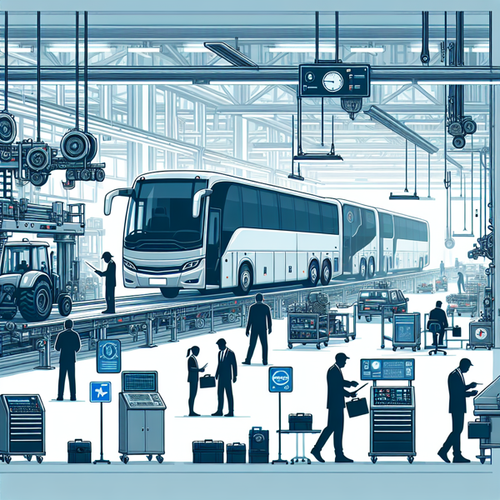
In today’s rapidly evolving urban and intercity transport networks, the certification of buses has become more than just a regulatory requirement—it is a strategic necessity for organizations striving for safety, operational efficiency, and passenger satisfaction. This article unveils and clarifies three foundational standards shaping the certification landscape for buses: SIST ENV 12694:2003 (external signs), SIST ENV 13093:2003 (driver console interfaces), and SIST ENV 13149-1:2003 (onboard data transmission). These benchmarks not only fulfill legislative and technical obligations but also nurture productivity, security, and scalable innovation across fleets of all sizes.
Overview: Why Bus Certification Standards Matter
The public transport sector is the backbone of urban mobility, seamlessly conveying millions of passengers daily. As fleets grow, so do expectations for reliability, digitalization, security, and user-centric designs. Certification standards for buses—especially regarding electronic external signs, driver consoles, and onboard communication—are now a must for businesses aiming for:
- Enhanced operational productivity
- Increased safety and security
- Scalable, future-proof infrastructure
- Competitive differentiation and market entry
- Adherence to legal and regulatory frameworks
This guide presents the key requirements, implications, and best practices around three critical standards, tailored to be easily digestible and relevant for both industry insiders and the regular public.
Detailed Standards Coverage
SIST ENV 12694:2003 - Dimensional Requirements for Variable Electronic External Signs
Public transport - Road vehicles - Dimensional requirements for variable electronic external signs
The SIST ENV 12694:2003 standard specifies the dimensional and functional requirements for variable electronic external signs attached to public transport vehicles, such as buses, trams, and trolley-buses (excluding subways and railway vehicles). Its main objective is to ensure that electronic signs (including technologies like dot matrix, flaps, films, and LCD) are clearly visible, appropriately located, and consistently wired for effective passenger communication and enhanced safety.
Key aspects covered by this standard include:
- Location and Positioning: Determines where signs should be placed for optimal visibility to both passengers and personnel.
- Dimensions: Sets out precise measurements for sign height, width, and depth to ensure legibility and uniformity, regardless of make or model.
- Display Characteristics: Mandates minimum requirements for brightness, contrast, and information scrolling speeds, making message comprehension more reliable in various lighting conditions.
- Content of Information: Guides on what textual or symbolic information must be shown (e.g., line number, destination) for effective real-time communication to users.
- Wiring and Installation: Specifies wiring protocols and safe installation methods supporting reliability and minimizing maintenance risks.
Who should comply:
- Bus manufacturers
- Fleet operators
- Local authorities overseeing public transport
Practical implications: For businesses, adherence to SIST ENV 12694:2003 guarantees that each vehicle’s signage is compliant and interoperable, substantially reducing design ambiguities and potential regulatory penalties. For passengers, it translates directly into accessibility, especially for individuals with visual impairments or limited mobility.
Key highlights:
- Ensures message clarity for all passengers
- Facilitates the integration of new sign technologies
- Reduces long-term maintenance and upgrade costs
Access the full standard:View SIST ENV 12694:2003 on iTeh Standards
SIST ENV 13093:2003 - Driver’s Console Mechanical Interface Requirements
Public transport - Road vehicles - Driver's console mechanical interface requirements - Minimum display and keypad parameters
SIST ENV 13093:2003 addresses the ergonomic and functional design requirements for the driver’s console in public transport vehicles ranging from urban buses to intercity coaches. Given that the driver's console is the principal touchpoint between operators and all on-board systems (like the Automated Vehicle Monitoring System or AVMS), this standard ensures that every console meets minimum mechanical and interface standards to maximize usability, safety, and compatibility across different bus models.
Key requirements and specifications include:
- Console Placement & Mounting: Defines proper location within the driver’s cabin for easy accessibility without distraction or obstruction, accommodating a variety of anthropometric profiles.
- Dimensions & Layout: Specifies minimum and maximum dimensions for console, display, and keypad, enabling uniformity and simplification of training and maintenance.
- Display requirements: Mandates clear, legible displays with sufficient brightness and contrast for all lighting conditions, ensuring critical messages are readily seen.
- Keypad standards: Sets out tactile and feedback norms for the keypad, including minimum size and spacing, to allow for intuitive operation even in motion.
- Fixing Methods: Recommends robust mounting and attachment approaches to minimize vibration and guarantee long-term durability.
Target organizations:
- Public transport vehicle manufacturers
- Systems integrators of driver consoles
- Fleet management companies
Practical implications for business: Implementing this standard not only boosts driver comfort and reduces the risk of error or fatigue, but also accelerates new technology rollouts and simplifies multi-vendor system integration.
Key highlights:
- Improves driver safety and situational awareness
- Supports compatibility between different suppliers’ consoles
- Reduces training times and maintenance challenges
Access the full standard:View SIST ENV 13093:2003 on iTeh Standards
SIST ENV 13149-1:2003 - Onboard Data Transmission for Bus Scheduling and Control
Public transport - Road vehicle scheduling and control systems - Part 1: WORLDFIP definition and application rules for onboard data transmission
SIST ENV 13149-1:2003 sets out the definitions and operational rules for deploying a WORLDFIP-standard data transmission bus within buses, trolleybuses, and trams for managing operations, passenger information, and fleet monitoring (excluding train, subway, or metro scenarios). This technical standard provides a robust, interoperable foundation for connecting all on-board equipment — from operations aid systems to fare and ticketing solutions — through a unified communication channel.
What does this standard cover?
- Data Bus Specification: Defines key technical requirements for wiring, speed, protocols, and transmission formats to ensure reliable, real-time data exchange across various devices.
- Equipment Interoperability: Outlines compatibility requirements so that new equipment can be easily added or upgraded without major system redesign.
- Priority and Safety Handling: Sets rules for message priorities, error correction, and fail-safe protocols, crucial for safety-critical operations and minimizing downtime.
- Scalability for Operations: Designed to support a growing number of onboard devices as fleets expand.
Who should implement:
- Transit agencies and fleet operators
- System integrators for onboard technologies
- Bus and trolleybus manufacturers
Benefits of compliance: Adopting SIST ENV 13149-1:2003 enables seamless integration of future services (such as real-time tracking, remote diagnostics, dynamic fare management), higher system reliability, and smooth onboarding of new vehicle technologies.
Key highlights:
- Supports digital transformation of public transport fleets
- Facilitates interoperability and scalability
- Increases security and system resilience
Access the full standard:View SIST ENV 13149-1:2003 on iTeh Standards
Industry Impact & Compliance
The adoption of these standards has become instrumental for transport providers seeking to future-proof their fleets and meet the dynamic needs of urban mobility. Here’s how compliance with these bus certification standards impacts the sector:
- Business productivity: Streamlines fleet management, minimizes downtime, and accelerates deployment of new technologies.
- Security: Ensures robust physical, electronic, and communication safeguards, reducing risks of malfunction, hacking, or miscommunication.
- Scalability: Simplifies expansion of fleets and integration of upcoming technologies (e.g., electric buses, advanced fare systems).
- Regulatory alignment: Paves the way for smooth audits, public tenders, and government contracts by fulfilling up-to-date legal requirements for signage, ergonomics, and data infrastructure.
- Passenger experience: Improves the clarity of passenger information, reliability of schedules, and overall safety.
Risks of non-compliance: Ignoring these standards can lead to costly retrofits, legal fines, loss of government contracts, reputational harm due to operational failures, and reduced passenger trust.
Implementation Guidance
For organizations and businesses ready to adopt these bus certification standards, a practical, phased approach is recommended:
Step-by-Step Implementation Plan
- Gap Analysis: Evaluate current vehicle features against the requirements of SIST ENV 12694:2003, SIST ENV 13093:2003, and SIST ENV 13149-1:2003 to pinpoint areas needing upgrade.
- Stakeholder Engagement: Involve cross-functional teams—including engineering, compliance, procurement, and IT—to ensure full alignment with standard requirements.
- Supplier Alignment: Source equipment, signage, consoles, and systems from vendors certified to these standards to streamline integration and avoid costly modifications.
- Pilot Testing: Conduct pilot installations and gather feedback from operators, drivers, and passengers to validate compatibility and ergonomic performance.
- Training: Invest in targeted training for drivers, operators, and maintenance staff to maximize the benefits of ergonomic designs and new technologies.
- Continuous Monitoring: Implement regular safety checks and ICT audits to maintain compliance and swiftly address any non-conformities.
Best Practices
- Documentation: Keep detailed records of compliance checks, installations, and maintenance actions to secure traceability and facilitate audits.
- Modular design: Prefer modular, upgradeable components in signage and driver consoles to support future technology adoption with minimal disruption.
- User-centric approach: Solicit feedback from frontline staff and passengers to inform ergonomic and information display decisions.
- Cybersecurity: Establish protocols for securing digital data transmission against unauthorized access or tampering, especially for AVMS and passenger information systems.
Resources for Organizations
- iTeh Standards platform for the latest versions and updates
- Accredited training providers for fleet compliance audit and certification
- Technical consultants for AVMS and digital transformation in public transport
Conclusion and Next Steps
Navigating the complex landscape of bus certification standards no longer needs to be a daunting task. By integrating SIST ENV 12694:2003, SIST ENV 13093:2003, and SIST ENV 13149-1:2003 into fleet operations, organizations can ensure safety, improve operational effectiveness, and build a scalable platform for future innovations. The journey towards secure, comfortable, and efficient public transport begins with informed standard adoption—placing your business ahead in an ever more connected world of mobility.
Recommendations:
- Regularly review standard updates on iTeh Standards to stay compliant
- Engage early with system integrators and auditors during procurement processes
- Foster a culture of continuous improvement, leveraging feedback from users for ongoing fleet upgrades
Explore the referenced standards in depth below to start your compliance journey and unlock the benefits for your organization and your passengers today.
https://standards.iteh.ai/catalog/standards/sist/112ea5be-0d65-46ec-890e-c60a7d3bfbb4/sist-env-12694-2003https://standards.iteh.ai/catalog/standards/sist/0261de89-8dd8-4be9-9fca-d71cce720d0d/sist-env-13093-2003https://standards.iteh.ai/catalog/standards/sist/7191a5ac-df17-4aac-a5ab-b5241610078e/sist-env-13149-1-2003
Categories
- Latest News
- New Arrivals
- Generalities
- Services and Management
- Natural Sciences
- Health Care
- Environment
- Metrology and Measurement
- Testing
- Mechanical Systems
- Fluid Systems
- Manufacturing
- Energy and Heat
- Electrical Engineering
- Electronics
- Telecommunications
- Information Technology
- Image Technology
- Precision Mechanics
- Road Vehicles
- Railway Engineering
- Shipbuilding
- Aircraft and Space
- Materials Handling
- Packaging
- Textile and Leather
- Clothing
- Agriculture
- Food technology
- Chemical Technology
- Mining and Minerals
- Petroleum
- Metallurgy
- Wood technology
- Glass and Ceramics
- Rubber and Plastics
- Paper Technology
- Paint Industries
- Construction
- Civil Engineering
- Military Engineering
- Entertainment