


Certification Standards for Buses: Enhancing Safety, Efficiency, and Digitalization in Public Transport
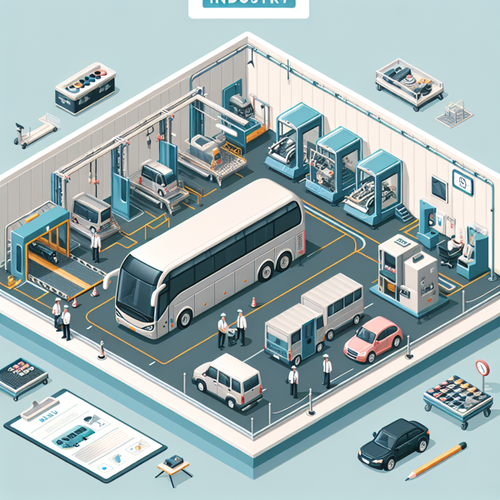
With growing urbanization and the push for smarter, safer city mobility, public transport—particularly buses—faces greater scrutiny and expectation than ever before. Certification standards play a crucial role in ensuring not only safety and compliance but also efficiency, scalability, and digital transformation for operators and manufacturers. Three standards—SIST ENV 12694:2003, SIST ENV 13093:2003, and SIST ENV 13149-1:2003—form the backbone of bus certification in Europe, covering everything from electronic signs and driver consoles to complex data communication systems. Understanding and implementing these standards is no longer optional; it is a must for any modern transport business looking to remain competitive, productive, and secure.
Overview / Introduction
Public transport is evolving rapidly. As cities expand, efficient movement of people becomes both an economic necessity and a public service imperative. Buses, trams, and trolley-buses remain at the heart of this mission, driving not only daily commutes but also the momentum behind sustainability, safety, and digital integration.
Key to this evolution is a robust framework of international standards. These standards guarantee that vehicles are fit for purpose, accessible, technologically advanced, and safe for operators and passengers alike. But what do these rules look like in practice, and why are they critical for today’s road vehicle operators? This article will guide you through:
- The critical features and implementation guidelines of each standard
- How standards enhance business performance and security
- Best practices for compliance and scaling
Detailed Standards Coverage
SIST ENV 12694:2003 - Dimensional Requirements for Variable Electronic External Signs
Public transport - Road vehicles - Dimensional requirements for variable electronic external signs
Buses and trams have long used external signs for passenger information and route identification. As technology has advanced, electronic variants (using dot matrix displays, LCDs, and more) have become the norm. SIST ENV 12694:2003 sets out the dimensional and placement rules for these variable electronic signs, ensuring consistency, readability, and safety across vehicle fleets.
The standard excludes mechanical signs that lack electronic control, focusing solely on digital, programmable external signage. The requirements are comprehensive: location guidelines ensure signs are visible to the public, while detailed dimensional criteria ensure maximum legibility even at a distance or in varying lighting conditions. It also specifies minimum character size, display contrast ratios, and installation wiring, guaranteeing that information is delivered accurately and securely.
This standard applies to public transport vehicles like buses, trams, and trolley-buses (railway and subway vehicles are not included). All operators, manufacturers, and maintenance organizations dealing with public transport vehicles outfitted with variable electronic signs should comply.
Practical implications are numerous: from improved passenger experience—all stops visible, real-time route changes communicated—to easier maintenance and future upgrades.
Key highlights:
- Standardization of sign dimensions and visibility
- Specifications for character sizes and display technologies (dot matrix, LCD, etc.)
- Wiring guidelines and sign content requirements
Access the full standard:View SIST ENV 12694:2003 on iTeh Standards
SIST ENV 13093:2003 - Driver's Console Mechanical Interface Requirements
Public transport - Road vehicles - Driver's console mechanical interface requirements - Minimum display and keypad parameters
The driver’s console is the nerve center of every public transport vehicle. SIST ENV 13093:2003 defines the minimum mechanical interface requirements—specifically, display and keypad parameters—for these consoles. The aim: ergonomic consistency, intuitive use, and the reduction of operational errors.
A central tenet of this standard is compatibility with both the driver’s physical environment and the broad range of onboard equipment (such as AVMS—Automatic Vehicle Monitoring Systems). The standard details the placement, size, orientation, and mounting methods for consoles, ensuring they are both accessible and safe. It also sets minimum requirements for button size, display readability, and interface labeling to ensure the driver can operate the equipment with minimal distraction, even in high-stress environments.
Compliance is required in all road, urban, inter-urban, and rural public transport vehicles wherever such consoles are installed. Manufacturers, bus operators, and maintenance professionals all benefit from following these requirements: drivers operate with increased comfort and reduced fatigue, while system performance and service reliability increase.
Key highlights:
- Minimum display sizes, keypad placement, and labeling requirements
- Guidelines for ergonomic mounting and accessibility
- Requirements to ensure compatibility with multiple onboard systems
Access the full standard:View SIST ENV 13093:2003 on iTeh Standards
SIST ENV 13149-1:2003 - Onboard Data Transmission Application Rules (WORLDFIP)
Public transport - Road vehicle scheduling and control systems - Part 1: WORLDFIP definition and application rules for onboard data transmission
Modern fleet management is data-driven. SIST ENV 13149-1:2003 addresses the backbone of public transit digitalization by providing rules for onboard data transmission between equipment via the WORLDFIP bus system. This enables seamless integration of diverse devices—automated fare collectors, passenger info systems, and operational aids—across buses, trolley-buses, and tramways.
The standard specifies not just the choice of data transmission technologies, but also protocols for installation and practical interoperability guidelines—ensuring all pieces of the onboard ecosystem communicate efficiently and reliably. This harmonization is vital for services such as real-time tracking, automatic updates, and centralized monitoring, which are increasingly demanded by cities and passengers alike.
Targeted chiefly at fleet operators, OEMs, and system integrators, the standard’s adoption streamlines vehicle scheduling, enhances operational oversight, enables predictive maintenance, and supports future-proofing as technologies evolve.
Key highlights:
- Selection and deployment of onboard data transmission buses (WORLDFIP)
- Guidelines for equipment connectivity and protocol interoperability
- Requirements for service operations, monitoring, and integration with AVMS
Access the full standard:View SIST ENV 13149-1:2003 on iTeh Standards
Industry Impact & Compliance
These standards collectively support a new era of public transport—one defined by high expectations for safety, reliability, and user experience. Implementing frameworks like SIST ENV 12694:2003, SIST ENV 13093:2003, and SIST ENV 13149-1:2003 provides tangible benefits:
- Enhanced passenger satisfaction: Clear, readable signs and reliable info reduce uncertainty and complaints.
- Increased operational safety: Ergonomic driver interfaces mean fewer accidents and errors.
- Digital transformation readiness: Standardized data systems facilitate integration with smart city infrastructure and IoT devices.
- Streamlined certification and auditing: Simplified processes for demonstrating regulatory compliance to authorities, insurers, and other stakeholders.
For manufacturers, fleet managers, and authorities, the risk of ignoring these standards is significant. Non-compliance can lead to higher maintenance costs, operational inefficiencies, safety incidents, and reputational damage. In some jurisdictions, lack of certification can even bar vehicles from service or lead to substantial fines.
Implementation Guidance
Embarking on compliance with these bus certification standards does not have to be complex. Best practices include:
- Gap Assessment: Evaluate existing vehicles, equipment, and workflows against the requirements of the relevant standards.
- Stakeholder Engagement: Involve drivers, maintenance staff, and system integrators early to ensure needs and limitations are addressed.
- Supplier Collaboration: Work closely with technology providers to ensure signs, consoles, and onboard devices are compliant right out of the box.
- Training & Documentation: Invest in regular training to keep staff updated with ergonomic and technical best practices. Maintain documentation for audit readiness.
- Iterative Review: As technology advances, standards are updated—establish a schedule for periodic reviews of both vehicles and compliance documentation.
Some practical steps:
- Standardize procurement specifications using clauses directly from the standards
- Retrofit legacy vehicles in prioritized phases
- Use checklists for installation and ongoing maintenance inspections
Resources:
- Accessing standards and interpretations via iTeh Standards
- Industry webinars, compliance workshops, and user group forums
Conclusion / Next Steps
Modern public transport demands more than merely moving people. It requires a systematized, safe, and digital-ready environment guided by reliable certification standards. SIST ENV 12694:2003, SIST ENV 13093:2003, and SIST ENV 13149-1:2003 empower businesses to deliver on these requirements, ensuring operational excellence while protecting passengers and investments.
We strongly encourage vehicle operators, manufacturers, and city planners to review these standards in detail—and make them a foundation of their quality, safety, and digitalization strategies. For in-depth information, always refer to the full standard texts available on iTeh Standards.
Stay informed, stay compliant, and stay competitive as public mobility evolves.
https://standards.iteh.ai/catalog/standards/sist/112ea5be-0d65-46ec-890e-c60a7d3bfbb4/sist-env-12694-2003https://standards.iteh.ai/catalog/standards/sist/0261de89-8dd8-4be9-9fca-d71cce720d0d/sist-env-13093-2003https://standards.iteh.ai/catalog/standards/sist/7191a5ac-df17-4aac-a5ab-b5241610078e/sist-env-13149-1-2003
Categories
- Latest News
- New Arrivals
- Generalities
- Services and Management
- Natural Sciences
- Health Care
- Environment
- Metrology and Measurement
- Testing
- Mechanical Systems
- Fluid Systems
- Manufacturing
- Energy and Heat
- Electrical Engineering
- Electronics
- Telecommunications
- Information Technology
- Image Technology
- Precision Mechanics
- Road Vehicles
- Railway Engineering
- Shipbuilding
- Aircraft and Space
- Materials Handling
- Packaging
- Textile and Leather
- Clothing
- Agriculture
- Food technology
- Chemical Technology
- Mining and Minerals
- Petroleum
- Metallurgy
- Wood technology
- Glass and Ceramics
- Rubber and Plastics
- Paper Technology
- Paint Industries
- Construction
- Civil Engineering
- Military Engineering
- Entertainment