


Lighting, Signalling, and Warning Device Standards for Road Vehicles: Ensuring Safety and Performance
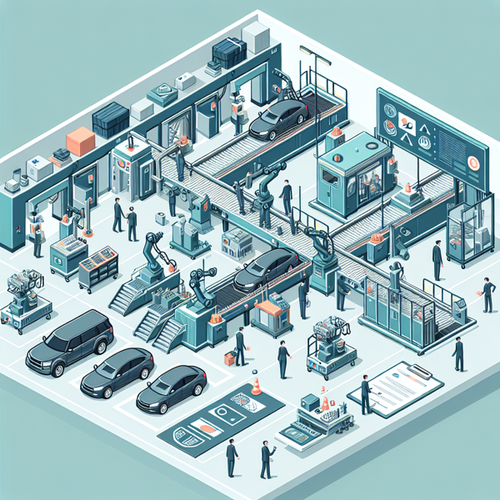
Modern road vehicles demand not only efficiency and performance but also uncompromising safety. Whether manufacturing, designing, or operating cars, trucks, or specialty vehicles, having the right lighting, signalling, and warning devices is essential. Behind these critical components lies a framework of harmonized international standards, ensuring that every headlamp, fog lamp, and signalling device meets stringent global requirements. In this article, we explore three foundational standards that shape safety, performance, and compliance in vehicle lighting systems—empowering businesses to build trust, guarantee safety, and drive innovation.
Overview: Why Lighting, Signalling, and Warning Device Standards Matter
Road vehicle safety goes beyond airbags and brakes—the effectiveness of lighting, signalling, and warning devices is equally vital. These systems do more than illuminate: they communicate with other road users, reduce accident risk, and ensure vehicles are visible in diverse conditions. International standards unify expectations across markets, simplify manufacturing, support regulatory compliance, and pave the way for product scalability and future innovation.
What you'll learn in this guide:
- The purpose and specific requirements of each major lighting and signalling standard
- How businesses and manufacturers benefit from standardization
- Best practices for integrating compliance into product development and operations
- The global impact on safety, legal conformity, and productivity
Detailed Standards Coverage
IEC 60432-2:1999/AMD2:2012 - Safety for Tungsten Halogen Lamps
Amendment 2 - Incandescent lamps - Safety specifications - Part 2: Tungsten halogen lamps for domestic and similar general lighting purposes
IEC 60432-2:1999/AMD2:2012 is a cornerstone standard for tungsten halogen lamps, focusing on safety in domestic and general lighting applications. As vehicle designs evolve, halogen technology remains prevalent in both standard and premium car models—making these safety requirements critical for manufacturers and aftermarket suppliers.
This standard addresses:
- Safety requirements for tungsten halogen lamps used in general lighting, including risk analyses and mitigation strategies
- Constructional criteria (glass envelope, filament support, gas fill) to minimize rupture, explosion, and overheating risks
- Test procedures for endurance, performance under abnormal conditions, and safe replacement
- Alignment with regulatory and legal obligations across key markets
Key highlights:
- Emphasizes prevention of injury from lamp rupture or explosion
- Prescribes tests for lamp durability and operational safety
- Requires manufacturers to document quality management and testing procedures
Access the full standard:View IEC 60432-2:1999/AMD2:2012 on iTeh Standards
SIST EN 60810:2004/A2:2014 - Performance Requirements for Lamps in Road Vehicles
Lamps for road vehicles - Performance requirements
SIST EN 60810:2004/A2:2014 establishes comprehensive performance benchmarks for replaceable lamps in road vehicles, including headlamps, fog lights, and signalling devices. Covering filament, discharge, and LED lamps, the standard sets the foundation for consistent, high-performing lighting across diverse vehicle types.
Scope includes:
- Requirements for replaceable automotive lighting components (headlamps, fog-lamps, signal lamps)
- Coverage for both traditional filament lamps and advanced technologies such as gas-discharge and LED sources
- Robustness criteria: vibration resistance, temperature cycle performance, life expectancy, and luminous flux maintenance
- Clear definition and differentiation between replaceable, non-replaceable, and modular LED sources
- Testing for electromagnetic compatibility to ensure on-board electronics do not interfere with vehicle function
Key highlights:
- Ensures lamps work reliably under typical and harsh automotive conditions (temperature, humidity, mechanical shock)
- Defines measurable parameters like lamp life, luminous flux maintenance, and initial luminous flux
- Integrates requirements shared with broader vehicle regulations
Access the full standard:View SIST EN 60810:2004/A2:2014 on iTeh Standards
SIST EN IEC 60809:2015/A2:2018 - Dimensional, Electrical, and Luminous Requirements for Vehicle Lamps
Lamps for road vehicles - Dimensional, electrical and luminous requirements (IEC 60809:2014/A2:2017)
SIST EN IEC 60809:2015/A2:2018 is regarded as the most definitive standard for technical, dimensional, electrical, and luminous characteristics of automotive lamps. It is directly referenced in UNECE regulations, making it a legal benchmark for compliance in much of the world.
Standard coverage:
- Technical specifications for filament, discharge, and LED lamps—replaceable or otherwise—for headlamps, fog lamps, and signaling systems
- Dimensional interchangeability criteria, ensuring manufacturers can source lamps globally without compatibility issues
- Electrical performance requirements (voltage, power consumption, start-up luminous flux)
- Luminous requirements: minimum and maximum outputs, measurement methods, and data sheet integration
- Specific provisions for lamps with black stripes and multiple rated values, reflecting technological advances
Practical outcomes:
- Simplifies global sourcing and replacement strategies by ensuring lamps fit and function identically
- Reduces risk of incorrect installations and performance discrepancies
- Facilitates harmonized approval processes under UNECE (e.g., Regulations No. 37, 99, 128)
Key highlights:
- Comprehensive, multi-technology coverage (filament, discharge, LED)
- Dictates measurement and test methods for primary lamp attributes
- Supports both OEM and aftermarket deployment for road vehicles
Access the full standard:View SIST EN IEC 60809:2015/A2:2018 on iTeh Standards
Industry Impact & Compliance
Why Standards Implementation Is Critical for Modern Businesses
The lighting, signalling, and warning systems of modern vehicles are more complex and feature-rich than ever. Businesses that adopt and adhere to these international standards benefit in several areas:
Productivity:
- Streamlined manufacturing and easier quality control (consistent parts, fewer failures)
- Simplifies supply chain management and supports lean manufacturing
- Reduces costly rework or recalls
Security and Safety:
- Ensures lighting, signalling devices work reliably—directly reducing accident causes attributed to equipment failure
- Protects drivers, passengers, and other road users in all operating conditions
- Enhances regulatory trust and public image
Scalability:
- Standards-based components allow rapid scaling across new vehicle models
- Facilitates entry into new global markets with harmonized compliance
- Supports easy technology integration and future upgrades (e.g., replacing halogen with LED)
Compliance and Risk Management:
- Provides a legal defense in case of liability claims
- Avoids regulatory penalties and import/export blockages
- Aligns products with state-of-the-art safety and legislative requirements, future-proofing business
Risks of Non-Compliance
- Increased accident and injury rates, with associated reputational and financial fallout
- Product recalls, costly retrofitting, and loss of market access
- Legal liability, fines, and interruption of insurance coverage
- Loss of competitive edge as market expectations and regulations evolve
Implementation Guidance
Making the transition to standards-compliant lighting and signalling devices can involve organizational change, technical investment, and ongoing monitoring. Here is how businesses can succeed:
Practical Steps for Adoption
- Conduct a Gap Analysis: Examine present products and processes against standard requirements, identifying non-compliance and priority areas for change.
- Engage Stakeholders: Involve engineering, procurement, quality assurance, and legal teams from the outset.
- Update Product Designs: Use the full texts of referenced standards (including test data sheets and definitions) to adapt designs, certification protocols, and labelling.
- Supplier Alignment: Audit and partner with supply chain entities who demonstrate compliance with IEC and harmonized standards.
- Train Staff: Ensure product designers, line operators, and quality inspectors understand the requirements, definitions, and implications of each standard.
- Test and Document: Integrate regulatory testing and third-party certification as routine in your development life cycle; maintain robust documentation for all compliance steps.
- Continuous Improvement: Monitor regulatory changes, renew certifications, and update processes in line with standard amendments.
Best Practices
- Subscribe to updates and amendments through trusted bodies and platforms like iTeh Standards
- Regularly review the market and legal landscape, especially regarding innovations such as LED modules and intelligent lighting systems
- Engage with industry associations and regulatory bodies to anticipate future shifts in requirements
- Deploy quality management systems that integrate standard references into core procedures
Resources for Organizations
- The International Electrotechnical Commission (IEC) and CENELEC offer technical committees and expert guidance
- iTeh Standards (https://standards.iteh.ai) provides searchable, up-to-date information and full standard texts
- National standardization bodies for country-specific legislative interpretation
Conclusion / Next Steps
Lighting, signalling, and warning devices are the unsung heroes of road safety, enabling modern vehicles to communicate, avoid accidents, and comply with global requirements. Implementing IEC 60432-2:1999/AMD2:2012, SIST EN 60810:2004/A2:2014, and SIST EN IEC 60809:2015/A2:2018 ensures that automotive products are safe, efficient, and market-ready worldwide.
Key takeaways:
- Standards empower businesses to build better, safer, and more scalable lighting solutions
- Compliance is essential for global trade, legal risk management, and brand value
- Systematic adoption optimizes cost efficiency, product reliability, and user trust
Next Steps:
- Review your organization’s lighting and signalling technology against the standards referenced here
- Explore the full text through iTeh Standards for comprehensive implementation guidance
- Stay engaged with industry updates and regulatory news to secure a future-ready, competitive position
Explore and download these standards for full details and compliance guidance:
https://standards.iteh.ai/catalog/standards/iec/b7abd15b-f39d-42f9-a208-02786f3385ee/iec-60432-2-1999-amd2-2012https://standards.iteh.ai/catalog/standards/sist/5e030749-7895-4d12-bde1-87d981d97e38/sist-en-60810-2004-a2-2014https://standards.iteh.ai/catalog/standards/sist/ba0d4ff8-4065-4d6b-8908-981ead7b0901/sist-en-iec-60809-2015-a2-2018
Categories
- Latest News
- New Arrivals
- Generalities
- Services and Management
- Natural Sciences
- Health Care
- Environment
- Metrology and Measurement
- Testing
- Mechanical Systems
- Fluid Systems
- Manufacturing
- Energy and Heat
- Electrical Engineering
- Electronics
- Telecommunications
- Information Technology
- Image Technology
- Precision Mechanics
- Road Vehicles
- Railway Engineering
- Shipbuilding
- Aircraft and Space
- Materials Handling
- Packaging
- Textile and Leather
- Clothing
- Agriculture
- Food technology
- Chemical Technology
- Mining and Minerals
- Petroleum
- Metallurgy
- Wood technology
- Glass and Ceramics
- Rubber and Plastics
- Paper Technology
- Paint Industries
- Construction
- Civil Engineering
- Military Engineering
- Entertainment