


Agricultural Tractors and Trailed Vehicles: Key Safety and Productivity Standards Explained
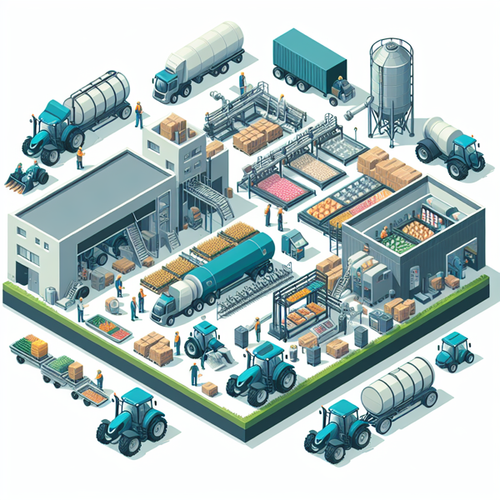
In the modern agricultural landscape, adhering to international standards for tractors, front loaders, and trailed vehicles has become not just a regulatory requirement but a business necessity. With equipment complexity rising, the risk of accidents, exposure to hazardous substances, and operational inefficiencies also grows. This guide explores four pivotal international standards that define safety and performance for agricultural tractors, self-propelled sprayers, front loaders, and tipping trailers. Their implementation is essential for agribusinesses seeking higher productivity, enhanced worker safety, and scalable, compliant operations.
Overview / Introduction
Agriculture is a cornerstone of the global economy, relying increasingly on complex machinery—from tractors and trailers to sprayers and front loaders. As farms scale up and adopt advanced technologies, the need for standardized safety, design, and operational guidelines has never been greater. Whether you’re a farm owner, operator, safety manager, or equipment supplier, understanding and applying these standards is crucial.
Implementing recognized standards brings several benefits:
- Increased productivity through safer, more efficient machinery.
- Reduced risk of accidents and hazardous exposures.
- Easier compliance with national and international regulations.
- Scalable operations as businesses expand or diversify.
This article demystifies four critical standards, presenting their key features and practical business implications in accessible language. By the end, you’ll understand why alignment with these guidelines isn’t optional—it’s essential for modern agriculture.
Detailed Standards Coverage
SIST EN 12525:2000+A2:2010 - Agricultural Machinery - Front Loaders - Safety
Full Title: Agricultural machinery - Front loaders - Safety
Front loaders are widespread tools in agricultural and forestry operations, often used for lifting and transporting materials. This standard specifies the safety requirements and verification procedures for the design and construction of front loaders mounted on wheeled tractors, as defined in EU Directive 2003/37/EC. Critical hazards during mounting, use, and maintenance are addressed, ensuring that operators and bystanders are protected during all stages of equipment interaction.
What the Standard Covers
- Design and construction requirements for front loaders to prevent accidents during use, including mounting the lifting arms and attaching tools.
- Stability and load transfer: Ensures the loader and tractor combination does not tip over, even under maximum load.
- Support and locking devices: Provides specifications for securing attachments and preventing unintended lowering or detachment.
- Hydraulic systems: Guidelines for pressure controls, hose protection, and prevention of hydraulic failures near the operator.
- Information for users: Manufacturers must provide clear instructions on safe working practices, including operational, maintenance, and emergency procedures.
Who Should Comply?
- Tractor and loader manufacturers, importers, and dealers.
- Farm operations using front loaders.
- Businesses involved in equipment modification or retrofitting.
Implementation Implications
Complying with this standard reduces equipment failure risks and workplace accidents, building trust among workers and customers. It also positions organizations to meet insurance requirements and regulatory demands seamlessly.
Key highlights:
- Comprehensive risk assessment for loader-tractor combinations.
- Detailed safety requirements for hydraulic, manual, and locking controls.
- Obligatory user manuals and clear labeling for safety compliance.
Access the full standard:View SIST EN 12525:2000+A2:2010 on iTeh Standards
SIST EN 12525:2000+A2:2010 - Agricultural Machinery - Front Loaders - Safety (Duplicate Entry)
Full Title: Agricultural machinery - Front loaders - Safety
Note: This is a duplicate reference in the provided list. For comprehensive coverage, key requirements, applications, and compliance considerations are identical to the above overview. Ensure your business or operation uses the latest version to avoid discrepancies in compliance and safety assessments.
Access the full standard:View SIST EN 12525:2000+A2:2010 on iTeh Standards
SIST EN 15695-2:2010 - Agricultural Tractors and Self-Propelled Sprayers – Operator Protection Against Hazardous Substances
Full Title: Agricultural tractors and self-propelled sprayers - Protection of the operator (driver) against hazardous substances - Part 2: Filters, requirements and test procedures
The use of pesticides and other chemicals in agriculture is a double-edged sword—it enables increased yields, but also introduces the risk of operator exposure to hazardous dust, aerosols, and vapors. This standard addresses that risk by specifying requirements for the filters installed in cabs of tractors and sprayers, focusing on their effectiveness in protecting the operator.
What the Standard Covers
- Filter performance, requirements, and test procedures for cabs classified under categories 2, 3, and 4, as per EN 15695-1.
- Vibration conditioning and durability: Ensures filters can withstand typical tractors’ operational stresses.
- Types of filters: Dust, aerosol, and vapor filters are covered, with specific test methodologies for each.
- Manufacturer responsibilities: Clear information about filter performance, replacement procedures, and limitations must be supplied.
What Is Not Covered?
- Exposure to fumigants.
- Specific cab categories to be used for particular chemicals/applications.
- Direct measurement of cab performance in the field.
- Field durability assessments (focused on laboratory testing only).
Who Should Comply?
- Tractor and sprayer manufacturers.
- Cab and filter system suppliers.
- Farm businesses and operators using chemical applications.
Implementation Implications
Adopting this standard helps protect operator health, reduce liability from chemical exposure incidents, and ease compliance with occupational health regulations. It also supports businesses in evidencing their commitment to worker safety during audits and inspections.
Key highlights:
- Mandatory filter performance and durability testing.
- Requirements for clear user info on filter types and maintenance.
- Focus on limiting exposure to hazardous airborne substances in the cab.
Access the full standard:View SIST EN 15695-2:2010 on iTeh Standards
SIST EN 1853:1999+A1:2010 - Agricultural Machinery – Trailers With Tipping Body – Safety
Full Title: Agricultural machinery - Trailers with tipping body - Safety
Trailers with tipping bodies are essential for transporting and unloading bulk materials in agriculture. Their operation, however, presents unique risks—particularly during tipping actions, maintenance, and when coupled to tractors. This standard defines safety requirements and verification steps for the design and construction of agricultural tipping trailers, ensuring hazards are managed throughout their operational lifecycle.
What the Standard Covers
- Stability: Requirements for both detached and raised-position trailers, with strict tests for tip-over resistance.
- Tipping mechanisms: Specifications for the design and operation of tipping controls and prevention of over-tilt.
- Coupling and interconnections: Ensures safe and reliable connections to tractors, including mechanical and hydraulic linkages.
- Boarding and access: Guidance on steps, handles, and access points to minimize fall risks.
- Servicing and maintenance: Mandates mechanical supports and safe locking for raised bodies.
- User information: Comprehensive safety instructions, maintenance guidance, and labeling.
Who Should Comply?
- Trailer manufacturers and importers.
- Farm equipment dealers and hire companies.
- Operators of tipping trailers in agriculture or forestry.
Implementation Implications
By following this standard, organizations can significantly reduce tipping accidents and injuries—the most severe hazards associated with trailer use. It also supports safe maintenance and operation, even under challenging conditions, such as uneven terrain or adverse weather.
Key highlights:
- Strict design and stability tests to avoid rollovers.
- Requirements for separate hydraulic systems for tipping and braking.
- Mandated safe procedures for boarding, tipping, and maintenance.
Access the full standard:View SIST EN 1853:1999+A1:2010 on iTeh Standards
Industry Impact & Compliance
Embracing these standards is far more than a legal or bureaucratic exercise—it directly impacts:
- Worker safety: Reducing workplace injuries and fatalities.
- Operational uptime: Preventing avoidable machinery breakdowns and accidents means more productive hours.
- Regulatory compliance: Many national and EU regulations cite these standards as the basis for legal compliance (e.g., Machinery Directive 2006/42/EC).
- Market access: Adhering to recognized standards ensures that machinery can be supplied and operated internationally, opening up broader market opportunities.
- Cost control: Standardized maintenance, clear user information, and engineered-in safety features minimize costly incidents and liability claims.
Risks of non-compliance:
- Fines, product recalls, or even criminal liability in the event of accidents.
- Loss of business reputation and customer trust.
- Increased insurance costs or coverage refusal.
Implementation Guidance
How to Implement These Standards
- Assess Current Equipment: Audit your machinery against the latest editions of the applicable standards. Identify gaps in design, labeling, instructions, or safety features.
- Engage with Manufacturers: When purchasing new equipment, specify compliance with the relevant standards and request supporting documentation.
- Train Staff: Ensure that operators, supervisors, and maintenance personnel receive training on the safe use and servicing in line with the standards and manufacturer guidance.
- Update Internal Procedures: Incorporate standard-derived procedures into daily operations and maintenance manuals.
- Schedule Regular Reviews: Standards evolve; establish a routine to check for updates and adapt your operations accordingly.
Best Practices
- Document everything: Retain records of equipment compliance, user training, risk assessments, and maintenance.
- Collaborate with suppliers: Choose vendors with a transparent track record for compliance.
- Leverage digital resources: Use platforms like iTeh Standards for the latest versions and fast access to international standards.
Useful Resources
- iTeh Standards – Agriculture Collection for a full list of related standards.
- National safety authorities for compliance checklists and advisory materials.
- Industry associations for sector-specific best practices and compliance updates.
Conclusion / Next Steps
The future of agriculture depends on safer, higher-performing, and compliant machinery. These four international standards for tractors, trailers, loaders, and operator protection represent the foundation for responsible, efficient, and scalable rural business operations. Organizations that make compliance a priority stand to benefit from increased productivity, reduced risk, and market agility.
Key recommendations:
- Review all equipment for compliance with covered standards.
- Integrate safety and compliance into procurement and training polices.
- Use authoritative sources like iTeh Standards to stay updated and access full guideline documents.
By proactively implementing these standards, your agribusiness can drive operational excellence and sustainable growth—while safeguarding your people and your bottom line.
Categories
- Latest News
- New Arrivals
- Generalities
- Services and Management
- Natural Sciences
- Health Care
- Environment
- Metrology and Measurement
- Testing
- Mechanical Systems
- Fluid Systems
- Manufacturing
- Energy and Heat
- Electrical Engineering
- Electronics
- Telecommunications
- Information Technology
- Image Technology
- Precision Mechanics
- Road Vehicles
- Railway Engineering
- Shipbuilding
- Aircraft and Space
- Materials Handling
- Packaging
- Textile and Leather
- Clothing
- Agriculture
- Food technology
- Chemical Technology
- Mining and Minerals
- Petroleum
- Metallurgy
- Wood technology
- Glass and Ceramics
- Rubber and Plastics
- Paper Technology
- Paint Industries
- Construction
- Civil Engineering
- Military Engineering
- Entertainment