


May 2026: New Sample Preparation Standard for Microbiological Testing in Agriculture
May 2026: New Sample Preparation Standard for Microbiological Testing in Agriculture
In May 2026, the agricultural sector sees an important enhancement to laboratory protocols with the publication of prEN 13040-2, focusing on the preparation of samples from soil improvers and growing media for microbiological examination. This single yet crucial standard brings fresh rigor to hygiene and quality assurance processes—vital for safeguarding food safety, ensuring regulatory compliance, and maintaining consumer trust across the agriculture value chain.
Overview / Introduction
The agriculture industry relies heavily on standardized methods to verify the safety and effectiveness of soil improvers and growing media. Accurate detection of microbiological contaminants such as Escherichia coli (E. coli), Salmonella spp., and enterococci is essential to protect both crop quality and public health. Without a common reference for sample preparation, laboratories face inconsistent results, which can compromise compliance, risk management, and regulatory reporting.
prEN 13040-2 answers this industry-wide need with clear requirements and step-by-step protocols. Readers of this article will gain insights into:
- The scope and intent of the new standard
- How to implement proper sample preparation techniques for microbiological testing
- Compliance implications and best practices for laboratories and agricultural producers
- The broader industry context and benefits
Detailed Standards Coverage
prEN 13040-2 – Soil Improvers and Growing Media: Sample Preparation for Microbiological Examination
Soil improvers and growing media – Sample preparation – Part 2: Sample preparation for microbiological examination
This new CEN standard specifies how laboratories should prepare samples of soil improvers and growing media prior to testing for microbial contamination. Its goal is to ensure that data on organisms such as E. coli, Salmonella spp., and enterococci is accurate, reproducible, and reliable—thereby supporting compliance, safety, and continuous improvement in agricultural practices.
Scope and Applicability
The standard is designed for laboratories conducting microbiological examinations on a range of agricultural materials, including:
- Commercial compost
- Bark-based soil conditioners
- Substrates like peat and coir
- Novel and specialty soil amendments
If a laboratory receives a product with external characteristics similar to those listed in the standard's Annex B but not specifically named, it should follow the sample preparation procedures for a comparable material. The standard emphasizes that any special requirements from particular microorganism test methods take priority over its general provisions.
Key Requirements and Specifications
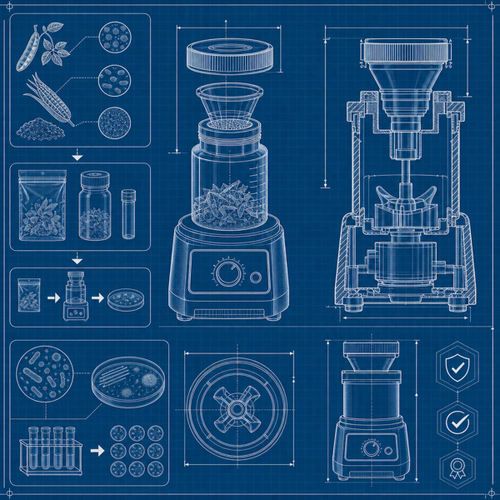
- General Requirements: Outlines protocols for the removal of representative test portions from homogenized samples, and for suspending these portions in appropriate diluents (phosphate buffer or buffered peptone water) to best preserve microorganism viability.
- Equipment Guidelines: Specifies the laboratory tools required for aseptic handling, size reduction, and homogenization, including blenders, spatulas, magnetic stirrers, and sterile containers.
- Transport and Storage: Details conditions for storing and handling samples prior to testing (5 ± 3 °C, but not frozen; analysis ideally within 72 hours) to prevent degradation and ensure the sample reflects its original state.
- Stepwise Procedures: Covers initial preparation, dilution protocols for enumeration or detection purposes, and measures for comprehensive homogenization. Offers direction for handling solids, blocks, fibrous, or compressed materials.
- Safety Precautions: Strongly emphasizes workplace safety and the need for trained microbiologists in properly equipped laboratories.
Who Needs to Comply?
- Analytical testing laboratories (private/commercial/public)
- Quality assurance teams at fertilizer and substrate manufacturers
- Agricultural research organizations
- Regulatory compliance officers in the agriculture sector
Practical Implications
By standardizing how test samples are handled, prEN 13040-2 allows industry and regulatory bodies to compare results reliably across sites and over time. Laboratories can better detect and enumerate harmful bacteria, supporting certification schemes and risk mitigation—especially crucial for exported products or regulated markets.
Notable Changes and Innovations
While this is a draft European Standard (pending finalization), it enhances and complements existing guidance, aligning sampling and preparation methods with the latest international microbiological best practices (referencing pivotal documents like EN ISO 7218 and EN 12579).
Key highlights:
- Establishes universal sample preparation protocols for a wide range of soil improvers and growing media
- Specifies rigorous transport and storage conditions to maintain microbiome integrity
- Provides clear safety guidelines to protect laboratory personnel and data integrity
Access the full standard:View prEN 13040-2 on iTeh Standards
Industry Impact & Compliance
The adoption of prEN 13040-2 is a significant advancement for agricultural businesses, laboratory service providers, and regulators:
- Consistency & Reliability: The standard ensures all labs follow the same procedure, enhancing reliability across tests and geographic borders.
- Enhanced Food Safety: By standardizing the detection of pathogens in soil improvers and substrates, the risk of contaminating crops is minimized—protecting both growers and consumers.
- Regulatory Compliance: The new standard supports conformance with national and EU-wide regulations governing agricultural inputs.
- Competitive Advantage: Certified, tested products have stronger market acceptance, especially in high-value or export markets.
- Risk Mitigation: Reduces the chance of product recalls, crop losses, or supply chain interruptions due to undetected microbiological hazards.
Compliance Considerations:
- Laboratories must update internal procedures to match the specific sample handling, storage, and aseptic procedures described.
- Staff must be trained in the new protocols and provided with the necessary equipment and safety provisions.
- Documentation and record-keeping processes should be reviewed, ensuring traceability from sample receipt to test result.
Technical Insights
Across microbiological testing standards for agriculture, several technical themes emerge:
- Homogenization Best Practices: Uniform mixing of samples is crucial to obtain reliable results, particularly when working with heterogeneous or fibrous soil amendments.
- Dilution and Suspension Techniques: Proper dilution ratios (e.g., ten-fold decimal series) ensure microorganisms are adequately distributed for quantification or detection.
- Aseptic Handling and Safety: Use of sterilized tools and containment practices are vital to prevent contamination of both samples and laboratory staff.
- Equipment Selection: Depending on material type, laboratories must use the correct size reduction and homogenizing equipment, from paddle blenders for soft aggregates to mortars for harder substances.
- Testing Window: Strict adherence to deadlines (ideally within 72 hours of sample receipt) preserves the accuracy of results, preventing microbiological shifts that could lead to false negatives or positives.
- Certification Readiness: Following the standard is often a prerequisite for accreditation under ISO 17025 or for demonstrating compliance in third-party audits.
Implementation Best Practices:
- Conduct a gap analysis to compare current lab procedures against prEN 13040-2.
- Provide hands-on training for staff, focusing on aseptic technique and equipment use.
- Validate sample preparation steps with in-house control tests.
- Maintain a clear documentation trail for each stage, from sample reception to analysis.
- Engage external auditors or proficiency testing schemes to benchmark performance.
Conclusion / Next Steps
prEN 13040-2 offers a new level of clarity and assurance for microbiological testing in agriculture, supporting safety, compliance, and customer trust throughout the supply chain. Organizations—from commercial labs to producers—should carefully review and integrate this standard into their quality management systems.
Key Takeaways:
- Standardized sample preparation is essential for dependable microbiological analysis in soil improvers and growing media.
- Compliance with prEN 13040-2 enhances market access and mitigates food safety risks.
- Preparation and training are key—ensure your lab’s protocols, equipment, and staff are up to date.
Next Steps:
- Download and review the full standard (prEN 13040-2 on iTeh Standards)
- Assess your organization’s current microbiological testing procedures
- Update training materials and operational guidelines
- Stay informed on further developments in agricultural standards
For more insights on the latest standards and compliance tools, visit iTeh Standards.
Categories
- Latest News
- New Arrivals
- Generalities
- Services and Management
- Natural Sciences
- Health Care
- Environment
- Metrology and Measurement
- Testing
- Mechanical Systems
- Fluid Systems
- Manufacturing
- Energy and Heat
- Electrical Engineering
- Electronics
- Telecommunications
- Information Technology
- Image Technology
- Precision Mechanics
- Road Vehicles
- Railway Engineering
- Shipbuilding
- Aircraft and Space
- Materials Handling
- Packaging
- Textile and Leather
- Clothing
- Agriculture
- Food technology
- Chemical Technology
- Mining and Minerals
- Petroleum
- Metallurgy
- Wood technology
- Glass and Ceramics
- Rubber and Plastics
- Paper Technology
- Paint Industries
- Construction
- Civil Engineering
- Military Engineering
- Entertainment