


Understanding Essential Standards for Low-Voltage Electricity Supply Systems in Construction
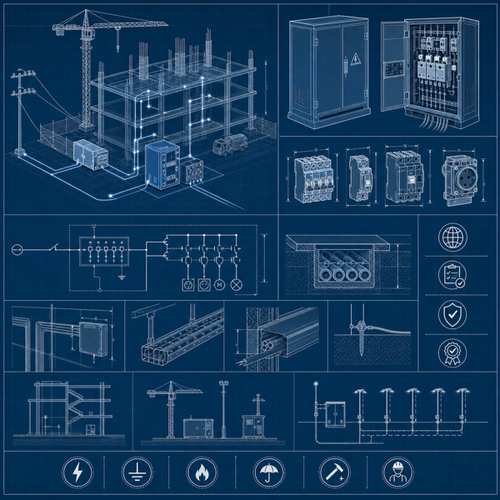
In the world of modern construction, low-voltage electrical installations are at the heart of productivity, safety, and operational efficiency. As digital technologies and renewable energy sources become integrated into our buildings and infrastructure, the need for robust, standardized guidelines is more critical than ever. Here, we delve into two cornerstone standards—SIST HD 60364-4-43:2023/oprAA:2025 and SIST HD 60364-8-2:2019/A12:2021—that set the benchmark for electricity supply systems in construction. These standards bring clarity and safety to complex engineering environments, and their adoption is transforming how businesses manage risk, optimize performance, and prepare for future scaling in the fast-evolving landscape of electrical installations.
Overview / Introduction
Electricity supply systems form the backbone of the construction industry, powering everything from site operations to finished buildings. With rapid advancements in energy management and the widespread adoption of sustainable practices, maintaining electrical safety, reliability, and efficiency is not just a regulatory concern—it is a central business imperative. Adherence to international standards provides a structured framework for organizations to ensure not only compliance with legal requirements, but also the protection of assets, people, and operational continuity.
In this article, you will discover the objectives, requirements, and implications of two essential standards:
- SIST HD 60364-4-43:2023/oprAA:2025 – Focusing on overcurrent protection in low-voltage installations.
- SIST HD 60364-8-2:2019/A12:2021 – Guiding prosumer installations where buildings both use and generate electricity.
Along the way, we will highlight best practices, compliance tips, and industry trends ensuring these guidelines are clear and actionable whether you’re an electrical professional or a business manager.
Detailed Standards Coverage
SIST HD 60364-4-43:2023/oprAA:2025 – Protecting Low-Voltage Electrical Installations from Overcurrent
Low-voltage electrical installations – Part 4-43: Protection for safety – Protection against overcurrent
This standard addresses one of the most critical safety features of electricity supply systems: protection against overcurrent. Overcurrent events—whether from overloads, short circuits, or equipment failure—pose serious risks, including fire, equipment damage, and downtime. SIST HD 60364-4-43:2023/oprAA:2025 offers a harmonized set of requirements and updates that advance the integrity and resiliency of electrical installations, especially in modern construction and engineering contexts.
What Does This Standard Cover?
The standard prescribes:
- Techniques and requirements for protecting live conductors—including PEN (protective earth and neutral), PEM (protective earth and mid-point), and PEL (protective earth and line) conductors—from the dangerous effects of overcurrent.
- Mandatory and preferred measures for ensuring that the disconnection of supply is automatic where overcurrent is detected.
- New guidance on the protection and positioning of overcurrent protective devices, tailored for situations including fire-risk locations and systems with neutral conductors exposed to harmonics.
Key Requirements and Specifications
- Automatic Disconnection of Supply: Now designated as the preferred protective measure, automatic disconnection must be deployed except in limited conditions outlined in dedicated annexes.
- Protection Device Placement: Overcurrent protective devices must be installed at the origin of each circuit, particularly near any reduction in current-carrying capacity of conductors, except for specific exceptions in compliant annexes.
- Overload and Short-Circuit Protections: The standard closely details placement and coordination of protection devices for both overload and short-circuit scenarios (referring to subclauses 431.4 and 431.5), requiring reference to the new Annex G for further requirements.
- Annexes for Special Applications: Alternative measures, previously part of the main text, have been moved to annexes for use only in exceptional or restricted conditions (e.g., certain locations or installations with fire/explosion risk).
- Neutral Conductor Protection: Raises attention to protecting the neutral or mid-point conductor, especially in systems subjected to triplen harmonics, a common concern in modern, harmonics-prone environments with non-linear loads.
Who Needs to Comply?
- Electrical contractors and engineers working with low-voltage systems in new builds or renovations.
- Facility managers and safety officers overseeing building infrastructure.
- Organizations involved with buildings subject to high occupancy, critical operations, or enhanced safety requirements.
Practical Implications for Implementation
Implementing this standard increases the reliability of protective devices, minimizes downtimes after faults, and directly supports the safety of people and property. By following the coordinated approach to device placement and protection, businesses can limit the spread and impact of electrical faults, ensure fast isolation of hazards, and comply with both national and international regulations. The detailed annexes provide flexibility for specialized environments, without compromising overall safety objectives.
Key highlights:
- Prioritizes automatic disconnection for enhanced safety and regulatory consistency
- Addresses neutral conductor protection to reflect modern electrical loads
- Positions overcurrent devices for maximum effectiveness and risk mitigation
Access the full standard:View SIST HD 60364-4-43:2023/oprAA:2025 on iTeh Standards
SIST HD 60364-8-2:2019/A12:2021 – Prosumer’s Low-Voltage Electrical Installations
Low-voltage electrical installations – Part 8-2: Prosumer's low-voltage electrical installations
As buildings increasingly transition from being traditional energy consumers to “prosumers” (producer-consumers), electrical design and safety requirements have grown more complex. This standard recognizes and addresses those complexities, paving the way for future-ready, flexible, and safe electricity supply systems in homes, businesses, and public infrastructure.
What Does This Standard Cover?
SIST HD 60364-8-2:2019/A12:2021 is designed for installations where properties not only consume electricity but also generate and, in some cases, store it (as with photovoltaic panels, wind generators, or battery systems). The standard ensures that such prosumer systems:
- Integrate safely and efficiently with grid power
- Accommodate bidirectional power flows between the property and the public grid
- Protect the operational integrity of both conventional and renewable energy sources within a single installation
Key Requirements and Specifications
While the standard’s full scope is expansive, its core requirements include:
- Hybrid System Integration: Guidelines ensure that internal generators (like solar panels or CHP units) and external grid supplies can coexist without causing safety risks or operational instability.
- Export/Import Control: Establishes technical approaches for the safe export of surplus energy and the controlled import of grid electricity as needed.
- Protection Against Faults and Reverse Power: Addresses unique risk scenarios, including back-feeding and synchronization issues that can occur in bidirectional systems.
- Compatibility with Energy Storage: Clarifies safety and isolation requirements when energy storage systems (such as batteries) are present.
- Smart Metering and Control Interfaces: Prepares installations for integration with modern energy management systems, supporting automation and remote diagnostics for operational efficiency.
Who Needs to Comply?
- Building developers, architects, and engineers designing new or retrofitted buildings as “prosumers.”
- Facility operators in commercial, public, and residential settings where on-site energy generation and grid connection are combined.
- Installers and maintenance teams responsible for the safety and functionality of hybrid energy systems.
Practical Implications for Implementation
Compliance ensures reliable operation regardless of direction and magnitude of electricity flows, protecting the grid, on-site generation assets, and all connected equipment. It also enables organizations to benefit from energy savings, grid feedback programs, and responsible energy management—all under a robust, future-proof safety framework.
Key highlights:
- Empowers buildings to safely be both consumers and producers of electricity
- Supports integration of renewables, energy storage, and smart systems
- Lays the foundation for participation in advanced grid and energy management initiatives
Access the full standard:View SIST HD 60364-8-2:2019/A12:2021 on iTeh Standards
Industry Impact & Compliance
For businesses working in construction, facility management, or the integration of advanced building systems, these standards are more than regulatory checklists—they are vital tools for:
- Legal Compliance: Meeting national and international safety and operational codes, avoiding costly penalties or project delays.
- Operational Resilience: Minimizing the risk of faults, fire, or downtime, and ensuring the continuity of essential services.
- Asset Protection: Reducing wear, damage, and premature failure of equipment through precise protection schemes.
- Scalability: Laying infrastructure that can adapt to future renewable energy integration, smart technologies, and increased electrical demand.
- Business Reputation: Demonstrating a commitment to best-practice safety, sustainability, and innovation to clients and stakeholders.
Non-compliance, by contrast, exposes organizations to operational risks, increased insurance costs, legal liabilities, and reputational harm. As energy systems grow smarter and more interactive, and as clients demand future-ready buildings, being ahead on standards compliance is a competitive necessity.
Implementation Guidance
Successfully adopting these standards means more than technical installation; it requires organization-wide commitment, planning, and ongoing review. Here are key steps and best practices:
Assessment and Gap Analysis:
- Begin by evaluating your current installations and processes against the new standard requirements.
Training and Awareness:
- Ensure engineers, contractors, and facility staff are fully trained in the requirements and intent of each standard.
- Use professional certification programs and continuing education opportunities to maintain up-to-date knowledge.
Design and Planning:
- Integrate standard specifications into design phase documents, including electrical layouts, protection schematic diagrams, and risk assessments.
- For prosumer systems, plan for future scalability and integration with emerging technologies.
Procurement and Installation:
- Source devices and equipment that meet or exceed standard requirements—especially for critical protection and control systems.
- Carefully follow manufacturer guidance and commissioning checklists.
Verification and Testing:
- Conduct rigorous inspection, testing, and certification before bringing installations into service.
- Regularly schedule maintenance and re-inspection, particularly for installations subject to high loads or operational fluctuations.
Recordkeeping and Documentation:
- Maintain thorough records of compliance, test reports, device placements, and any deviations justified by annexes or special conditions.
Continuous Improvement:
- Stay informed about updates and revisions to related standards
- Engage with professional networks and standards bodies for ongoing insight.
Resources for Implementation include authoritative guides, training from accredited professionals, and industry association materials. Platforms such as iTeh Standards offer comprehensive access to current international standards, updates, and supporting documentation.
Conclusion / Next Steps
Today’s rapidly transforming energy landscape demands that organizations not only comply with regulations but proactively build resilience, efficiency, and adaptability into their construction and facility management practices. SIST HD 60364-4-43:2023/oprAA:2025 and SIST HD 60364-8-2:2019/A12:2021 stand as vital resources for future-proofing electricity supply systems in any project.
By embracing these standards:
- You safeguard people and property
- You ensure seamless integration with emerging energy solutions
- You strengthen your company’s reputation and market competitiveness
We strongly recommend organizations consult the full texts of these standards, engage with professional training, and integrate the outlined practices across all relevant operations. For comprehensive access, best practices, and updates on critical standards, explore the offerings at iTeh Standards and ensure your projects lead the way in safety, innovation, and sustainability.
Categories
- Latest News
- New Arrivals
- Generalities
- Services and Management
- Natural Sciences
- Health Care
- Environment
- Metrology and Measurement
- Testing
- Mechanical Systems
- Fluid Systems
- Manufacturing
- Energy and Heat
- Electrical Engineering
- Electronics
- Telecommunications
- Information Technology
- Image Technology
- Precision Mechanics
- Road Vehicles
- Railway Engineering
- Shipbuilding
- Aircraft and Space
- Materials Handling
- Packaging
- Textile and Leather
- Clothing
- Agriculture
- Food technology
- Chemical Technology
- Mining and Minerals
- Petroleum
- Metallurgy
- Wood technology
- Glass and Ceramics
- Rubber and Plastics
- Paper Technology
- Paint Industries
- Construction
- Civil Engineering
- Military Engineering
- Entertainment