


A Comprehensive Guide to Lifts and Escalators Standards: Ensuring Safety, Accessibility, and Innovation in Construction
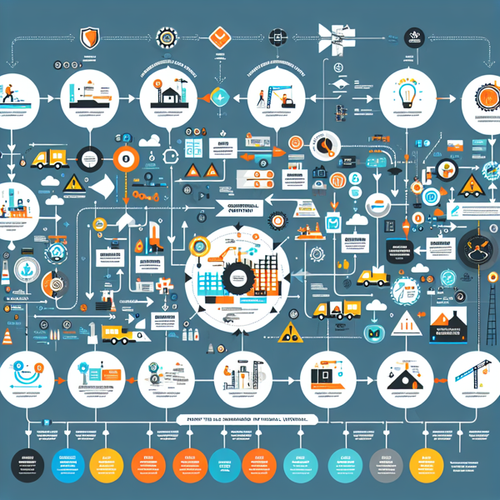
A Comprehensive Guide to Lifts and Escalators Standards: Ensuring Safety, Accessibility, and Innovation in Construction
Lifts and escalators are at the heart of modern infrastructure, powering smooth vertical transportation in buildings worldwide. With urbanization and technology reshaping construction, following up-to-date international standards is not just about legal requirement—it's about delivering safe, accessible, and scalable solutions. This guide explores four key standards that every construction professional, facility manager, or business stakeholder should know. These standards are essential for businesses adopting new technologies, increasing productivity, security, compliance, and user experience while allowing organizations to scale their operations efficiently.
Overview
Modern construction relies on more than just solid materials—it hinges on precision, safety, and inclusivity. Lifts (elevators) and escalators form critical arteries in commercial and residential buildings, shopping centers, public transport hubs, and more. As user expectations and building regulations evolve, so does the necessity of adhering to the latest lifts and escalators standards.
Implementing these standards:
- Prevents accidents and liability risks
- Boosts security and accessibility
- Enables seamless adoption of new control technologies and smart building features
- Facilitates easier regulatory approvals and insurance
- Improves operational efficiency and building value
Whether you are overseeing new installations, adapting solutions for existing structures, or aiming for universal accessibility, understanding and implementing these standards is crucial for success.
Read on to discover the scope, requirements, and benefits of:
- EN 81-21:2022 – Safety in Existing Buildings
- EN 81-42:2025 – Special Vertical Lifts with Disabled Access
- EN 81-70:2021 – Accessibility Requirements
- SIST EN 81-70:2018 – Foundational Accessibility Protocols
Detailed Standards Coverage
EN 81-21:2022 – Meeting Safety Rules in Existing Buildings
Safety rules for the construction and installation of lifts – Lifts for the transport of persons and goods – Part 21: New passenger and goods passenger lifts in existing buildings
EN 81-21:2022 addresses the unique challenges of installing new lifts in existing buildings where structural or spatial limitations prevent compliance with all requirements of EN 81-20:2020. This standard tailors advanced safety and design requirements specifically for retrofit and modernization projects.
Scope and Applications
- Applies to new passenger and goods passenger lifts added to older structures.
- Recognizes constraints like limited shaft space, headroom, pit depth, existing walls, and ceiling heights.
- Provides alternative solutions where space or structural limits hinder full compliance with newer standards designed for new constructions.
Key Requirements and Specifications
- Alternative well enclosures: Allows for existing perforate well walls under controlled, safety-verified conditions.
- Reduced clearances: Offers specific guidance for reducing distance between the lift car, counterweight, and walls, while introducing enhanced emergency systems.
- Special refuge spaces: Ensures safe top and pit clearances using engineering and procedural solutions.
- Adjusted component dimensions: Permits reductions to car balustrades, aprons, machine rooms, and access doors—but only with compensating safety measures (such as robust mechanical stops, audible warnings, and accessible escape routes).
- Enhanced verification: Mandates comprehensive pre-commissioning tests and regular safety checks.
Who Should Comply?
- Builders, contractors, and property owners upgrading vertical transport in existing residential, commercial, or public buildings
- Lift manufacturers and installers working on retrofit or historical preservation projects
Practical Implications
- Enables upgrades with the latest safety features even in buildings with fixed physical limits.
- Minimizes the need for extensive structural changes, cutting costs and time.
- Ensures that all users—including maintenance staff—are protected by risk-reducing measures.
Key highlights:
- Provides clear guidance on dealing with lift wells with structural limitations
- Focuses on achieving top and pit clearance safety via alternative solutions
- Strengthens verification, maintenance, and hazard warning requirements
Access the full standard:View EN 81-21:2022 on iTeh Standards
EN 81-42:2025 – Vertical Lifting Appliances for Persons (Including Persons with Disability)
Safety rules for the construction and installation of lifts – Special lifts for the transport of persons and goods – Part 42: Vertical lifting appliances with enclosed carrier intended for use by persons, including persons with disability
Delivering dedicated solutions for accessibility and safety, EN 81-42:2025 is tailored to specialized lifts that assist persons—including those with disabilities—across distinct, fixed levels. With inclusivity and advanced drive systems at its core, this standard is essential for public spaces, healthcare, and any new smart building design.
Scope and Applications
- Applies to permanently installed, electrically powered vertical lifting appliances with entirely enclosed carriers
- Designed for accessibility compliance for persons with disabilities
- Covers various drive mechanisms, including rack and pinion, traction drive, rope positive drive, timing belts, screw and nut, guided chain, or hydraulic jacks
- Focuses on slow-speed lifts (≤ 0.15 m/s), suitable for public buildings, dwellings, institutions, or anywhere space and safety are priorities
Key Requirements and Specifications
- Comprehensive enclosure: Carriers must be fully enclosed, offering a safe space for all users
- Temperature requirements: Machinery and shaft spaces must maintain +5°C to +40°C
- Mechanical and electrical integrity: Demands high standards for engineering reliability, free from defects, and verified through robust calculations
- Safety gear and redundancy: Mandates safety devices for overspeed, unintended movement, and system faults
- Enhanced accessibility: Normative and informative annexes present detailed recommendations for accessibility and usability, with explicit criteria for installations in public buildings
- Control and signaling devices: Emphasizes user-friendliness for persons with disabilities
Who Should Comply?
- Facilities aiming for advanced accessibility (hospitals, care homes, public administration, transportation hubs)
- Building owners and developers integrating inclusive transportation features
- Lift and specialist equipment manufacturers
Practical Implications
- Facilitates legal compliance with accessibility regulations (like the Disability Discrimination Act, EU directives, and local codes)
- Supports seamless integration with new architectural designs and retrofits
- Streamlines delivery of specialized transport solutions in constrained or bespoke environments
Key highlights:
- Prioritizes safety in lifts for persons with disabilities
- Covers a broad spectrum of lifting technologies
- Ensures inclusivity and operational reliability in all operating environments
Access the full standard:View EN 81-42:2025 on iTeh Standards
EN 81-70:2021 – Accessibility to Lifts for Persons (Including Persons with Disability)
Safety rules for the construction and installation of lifts – Particular applications for passenger and goods passenger lifts – Part 70: Accessibility to lifts for persons including persons with disability
EN 81-70:2021 represents the cutting edge in user-centric design, ensuring lifts are usable and convenient for everyone, regardless of physical or sensory abilities. This standard is fundamental for creating welcoming, barrier-free environments in all modern buildings.
Scope and Applications
- Sets minimum requirements for safe and independent lift access by all users, specifically persons with disabilities
- Defines car sizes, doorway dimensions, control placements, signage, and audible/visual cues
- Applies to new installations and major refurbishments
Key Requirements and Specifications
- Car and entrance dimensions: Precise minimum standards for both car and doorway sizes, accommodating wheelchairs (manual and powered), walking aids, and turning space
- Contrast and lighting: Luminance contrast thresholds for controls and indicators to improve usability for persons with impaired vision
- Audible and visual signals: Speech synthesis, adjustable volume signaling, and visual feedback for floor positions, arrivals, and emergencies
- Control devices: Intuitive, easily reached, and operated control layouts, with tactile and braille features
- Handrails and accessible features: Ergonomically designed to support secure movement
- Door operation: Mandates slow door closing, extended dwell times, and user-initiated closing for flexibility
- Specialized guidance: Annexes provide further direction for custom accessibility upgrades, larger control devices, and destination control systems
Who Should Comply?
- All commercial, public, and multi-residential construction projects
- Architects and building owners aiming for full accessibility compliance
- Elevator manufacturers/suppliers targeting universal design
Practical Implications
- Compliance is often required for building permits, certifications (BREEAM, LEED), and government funding
- Enhances building value and tenant/user satisfaction
- Reduces the need for costly retroactive upgrades if implemented at the design stage
Key highlights:
- Self-explanatory layouts for all control devices
- Focused sections on usability for wheelchair users, visually/hearing impaired, and elderly persons
- Fully supports modern destination control systems and smart building integration
Access the full standard:View EN 81-70:2021 on iTeh Standards
SIST EN 81-70:2018 – Accessibility for Passenger and Goods Lifts (Foundational Standard)
Safety rules for the construction and installation of lifts – Particular applications for passenger and goods passenger lifts – Part 70: Accessibility to lifts for persons including persons with disability
SIST EN 81-70:2018 provides the foundation for accessibility requirements in lifts across Europe. It establishes the minimum dimensions, signaling, and safe-use criteria for ensuring people of all ages and abilities can rely on lift services safely and independently.
Scope and Applications
- Applies to both passenger and goods passenger lifts for new buildings
- Acts as a valuable reference for improving accessibility in older systems
- Covers usage by all (including people with disabilities and those with mobility aids)
Key Requirements and Specifications
- Standardized car and door sizes: Explicit tables covering the minimum size for various types, considering different building and occupancy scenarios
- Accessibility-reinforced equipment: Control panels with tactile correspondence, large buttons, illustrative, high-contrast visual cues, and auditory signals
- Handrail and wall arrangements: For secure grip and navigational support
- Flexibility: Allows use in both collective and destination control systems
- Guidance for existing lift upgrades: Reference to further standards (e.g., EN 81-82) for compliance with older lifts
Who Should Comply?
- Required in all new (and frequently majorly renovated) buildings across Europe
- Highly recommended for facility managers seeking accessibility upgrades
- Essential for architects and lift suppliers
Practical Implications
- Guarantees legal and ethical access
- Promotes inclusivity and universal design in both public and private sectors
- Ensures documented compliance in tenders and regulatory inspections
Key highlights:
- Covers all minimum design requirements for accessible lifts
- Supports upgrades for improved safety and usability
- Lays groundwork for current and future accessibility regulations
Access the full standard:View SIST EN 81-70:2018 on iTeh Standards
Industry Impact & Compliance
Standards for lifts and escalators provide crucial legal and operational advantages. Their implementation affects virtually every stakeholder in the construction ecosystem—from building owners to facility managers, and from service contractors to everyday users.
Business Benefits
- Enhanced safety: Reduces incidents, maintenance issues, and liability
- Improved accessibility: Essential for compliance with anti-discrimination laws, public funding eligibility, and user satisfaction
- Productivity gains: Streamlined maintenance protocols, reduced downtime, and consistent performance
- Scalability: Standardized protocols allow businesses to roll out new tech or site upgrades rapidly and reliably
- Competitive edge: Demonstrated compliance attracts premium tenants, investors, and clients, and assures future-proof infrastructures
- Legal risk reduction: Avoid fines, lawsuits, and forced retrofits due to non-compliance
Compliance Considerations
- Regularly review and update company policies to align with the latest standard versions
- Ensure all procurement and design documents specify relevant standards
- Implement continuous staff training and awareness on new requirements or revisions
- Schedule periodic third-party audits and inspections
Risks of Non-Compliance
- Invalidation of insurance or warranties
- Legal actions or fines owed to workplace accidents or accessibility violations
- Project delays due to failed regulatory inspections
- Reputational harm and lost business opportunities
Implementation Guidance
Bringing standards to life involves strategic planning, training, and integration at every project stage. Here’s a quick roadmap for robust standards implementation:
Early Project Planning
- Identify which parts of the standards apply to your building type and user demographic
- Involve accessibility consultants, safety engineers, and lift specialists from the outset
Design Stage
- Specify lifts and components compliant with the latest published standards
- Use templates and checklists based on EN 81-21, EN 81-42, or EN 81-70 series
Procurement and Tendering
- Require explicit compliance references in all contracts
- Pre-qualify vendors and contractors with proven standards expertise
Installation & Commissioning
- Adhere strictly to manufacturer and standard-based installation guidelines
- Conduct pre-service inspections referencing test protocols from the standards
Operations and Maintenance
- Schedule regular service in line with periodic checks described in the standards
- Keep meticulous documentation for compliance audits
- Train maintenance staff on new technology and safety features
Continuous Improvement
- Monitor updates and revise internal documentation when standards are updated
- Engage in feedback loops with users to identify usability and accessibility improvements
Best Practices:
- Incorporate standards compliance into building management systems
- Use digital tools for automated documentation and reporting
- Foster a culture of safety and accessibility throughout your organization
- Leverage support from national standardization bodies and industry associations
Resources for Organizations:
- iTeh Standards portal for the latest full-text standards and compliance resources
- Guidance documents from national and regional safety authorities
- Technical training from recognized lift and escalator manufacturers
Conclusion / Next Steps
Adhering to standards like EN 81-21:2022, EN 81-42:2025, EN 81-70:2021, and SIST EN 81-70:2018 is not just about ticking boxes—it’s about building a legacy of safety, inclusivity, and future-ready infrastructure. These essential standards empower businesses and building professionals to:
- Deliver exceptional safety for all users
- Support universal accessibility
- Simplify compliance and risk management
- Integrate cutting-edge technologies confidently
Whether you’re managing existing structures or embarking on a new project, prioritizing these standards gives you the edge in productivity, regulatory security, and public goodwill. The next step? Dive deeper into each standard and keep your organization at the forefront of construction excellence.
Explore these resources on iTeh Standards to access authoritative texts, implementation guidance, and the latest industry requirements.
https://standards.iteh.ai/catalog/standards/cen/912dc371-a538-46b7-bcba-50ba5e33fbac/en-81-21-2022
https://standards.iteh.ai/catalog/standards/cen/4a35cccd-c58f-47ba-a38a-2b8c0ee5a43f/en-81-42-2025
https://standards.iteh.ai/catalog/standards/cen/aa101379-e41a-44ef-94f4-a7ad99e9b5fb/en-81-70-2021
Categories
- Latest News
- New Arrivals
- Generalities
- Services and Management
- Natural Sciences
- Health Care
- Environment
- Metrology and Measurement
- Testing
- Mechanical Systems
- Fluid Systems
- Manufacturing
- Energy and Heat
- Electrical Engineering
- Electronics
- Telecommunications
- Information Technology
- Image Technology
- Precision Mechanics
- Road Vehicles
- Railway Engineering
- Shipbuilding
- Aircraft and Space
- Materials Handling
- Packaging
- Textile and Leather
- Clothing
- Agriculture
- Food technology
- Chemical Technology
- Mining and Minerals
- Petroleum
- Metallurgy
- Wood technology
- Glass and Ceramics
- Rubber and Plastics
- Paper Technology
- Paint Industries
- Construction
- Civil Engineering
- Military Engineering
- Entertainment