


Critical Standards for Refrigerating Technology: Safety, Quality, and Compliance Essentials
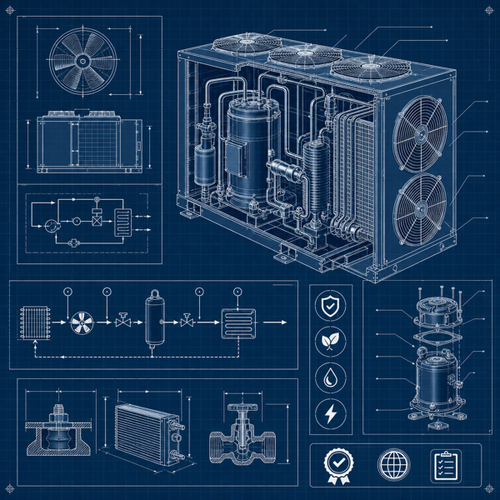
Refrigerating technology sits at the heart of modern industry, commerce, and daily living—from food preservation to large building climate control and sensitive pharmaceutical logistics. As businesses increasingly rely on advanced refrigerating systems and heat pumps to optimize energy use and ensure reliability, adherence to internationally recognized standards becomes a must. This article explores three pivotal standards—SIST EN 12693:2026, SIST EN 14276-1:2020, and SIST EN 378-2:2017—that define cutting-edge requirements for safety, environmental stewardship, and consistent performance in refrigerating technology. Understanding these standards is crucial for organizations targeting higher productivity, increased security, operational scalability, and robust compliance in the ever-evolving landscape of energy and heat.
Overview / Introduction
Refrigerating technology underpins sectors including food production, healthcare, logistics, data centers, and commercial real estate. It is a key area for sustainable energy use, occupational safety, and regulatory compliance. The increasing complexity of refrigerating systems—incorporating advanced compressors, pressure vessels, and interconnected subsystems—demands a standardized approach.
Why do standards matter so much in this field? International standards for refrigerating technology:
- Define safety and environmental requirements that protect personnel, property, and the planet
- Help businesses reduce operational risks and costly downtime
- Provide a common language for manufacturers, installers, and regulators
- Ensure compatibility and reliability across diverse products and applications
- Drive innovation while maintaining high levels of performance and compliance
This article will provide an easy-to-digest yet thorough overview of three critical standards guiding refrigerating systems, emphasizing how their implementation can elevate business outcomes. Whether you’re aiming to increase productivity, streamline scaling, improve operational security, or ensure compliance with changing regulations, these standards serve as the cornerstone for excellence in modern refrigerating technology.
Detailed Standards Coverage
SIST EN 12693:2026 - Safety and Environmental Requirements for Positive Displacement Refrigerant Compressors
Full Standard Title: Refrigerating systems and heat pumps – Safety and environmental requirements – Positive displacement refrigerant compressors
The SIST EN 12693:2026 standard is dedicated to positive displacement compressors—core components in both stationary and mobile refrigerating systems and heat pumps. These compressors are vital for commercial and industrial refrigeration applications, where electrical integration (up to 1,000 VAC and 1,500 VDC) is standard. The requirements also extend to open-drive, semi-hermetic, and hermetic motor compressors, which are widely used in industrial and commercial environments.
What This Standard Covers
- Scope: Applies to various compressor types, but excludes household appliances, compressors using air or water as refrigerants, and vehicle-specific air conditioning compressors.
- Comprehensive Safety: Emphasizes safety requirements for design, construction, manufacturing, and testing, and covers documentation and product marking.
- Hazard Management: Identifies significant hazards—mechanical, electrical, thermal, and potential for leakage or burst.
- Normative References: Aligns with numerous related standards on electrical safety, pressure relief devices, non-destructive testing, and more—ensuring holistic compliance.
Key Requirements & Specifications
- Mechanical Protection: Safeguards around moving parts; construction resistant to excessive vibration; materials and joints designed for durability.
- Pressure Safety: Application of relief devices to prevent dangerous overpressure scenarios, calculation methods for permissible stress, and test requirements for burst pressure and strength verification (hydrostatic, pneumatic, and type testing).
- Electrical Safety: Requirements for insulation, current rating, protection from live parts, earthing, wiring, and electrical accessories—crucial for reducing fire and shock risk.
- Design Documentation: Documentation and marking requirements aid traceability, maintenance, and regulatory clarity.
- Environmental Impact: Specifies containment measures to prevent unintentional emissions during maintenance and disposal.
Who Needs to Comply
- Compressor manufacturers and OEMs supplying to the industrial and commercial sectors
- Installers and system integrators working with commercial refrigeration and heat pump solutions
- Engineering and facility management teams overseeing system safety and performance
- Regulatory bodies responsible for workplace and environmental compliance
Practical Implications
By enforcing robust safety and environmental controls at the compressor level, this standard helps businesses prevent accidents, cut compliance costs, and support long-term reliability. It also creates a more predictable product landscape, facilitating efficient supply chain integration and serviceability.
Key highlights:
- Covers mechanical, electrical, and environmental safety for compressors
- Mandates rigorous testing and systematic documentation
- Supports sustainable, scalable operation of refrigerating facilities
Access the full standard:View SIST EN 12693:2026 on iTeh Standards
SIST EN 14276-1:2020 - Pressure Equipment for Refrigerating Systems and Heat Pumps: Vessels – General Requirements
Full Standard Title: Pressure equipment for refrigerating systems and heat pumps – Part 1: Vessels – General requirements
SIST EN 14276-1:2020 focuses on the design, manufacturing, and documentation of stationary pressure vessels within refrigerating systems and heat pumps. Pressure vessels are critical for safe storage and transfer of refrigerants under various temperature and pressure conditions. This standard bridges the gap between performance requirements and real-world risks posed by pressure equipment.
What This Standard Covers
- Scope: Pertains to metallic, ductile stationary pressure vessels, including their connections, up to maximum pressures of 160 bar and temperatures of 200 °C. It does not include riveted, multilayer, directly flame-heated, or roll-bonded vessels.
- Material and Design: Specifies material traceability, selection, documentation, and criteria for robust construction.
- Loading and Stress: Addresses both mechanical and thermal loading, requiring detailed calculations and allowances for corrosion, stress cracking, and operating envelope.
- Manufacturing and Testing: Manufacturing tolerances, joining methods (welding/brazing), heat treatment, and inspection stages are detailed. Emphasizes non-destructive testing, leak detection, and final acceptance testing before use.
Key Requirements & Specifications
- Material Documentation & Quality: Complete traceability, classification, and control over materials—helps to avoid low-quality or counterfeit components.
- Design Principles: Allowable stress calculations, corrosion allowances, impact energy requirements, and prevention of brittle fracture.
- Assembly: Prescriptions for handling, mounting, filling/discharge, and inspection/maintenance access points.
- Pressure Testing: Procedures for hydrostatic/pneumatic pressure testing with defined pass/fail and reporting criteria, bolstering user safety.
- Marking and Recordkeeping: Clearly defined marking and comprehensive technical records for ongoing maintenance and regulatory audits.
Who Needs to Comply
- Manufacturers of pressure vessels used in refrigeration and heat pumps
- Plant/facility operators relying on compliant, long-lasting pressure equipment
- Installers and system designers ensuring all vessels meet applicable safety codes
- Auditors and regulatory enforcers who verify system safety
Practical Implications
Pressure equipment failures can be catastrophic. This standard ensures not only that vessels are manufactured from quality materials and to precise specifications, but also that their safe operation is verifiable and repeatable. Reliable pressure vessels mean less risk of leaks, explosions, and costly downtime.
Key highlights:
- Detailed specifications for vessel material, design, and fabrication
- Comprehensive pressure testing and documentation procedures
- Mitigates legal and operational risks by standardizing pressure equipment quality
Access the full standard:View SIST EN 14276-1:2020 on iTeh Standards
SIST EN 378-2:2017 - Safety and Environmental Requirements: Design, Construction, Testing, Marking, and Documentation
Full Standard Title: Refrigerating systems and heat pumps – Safety and environmental requirements – Part 2: Design, construction, testing, marking and documentation
SIST EN 378-2:2017 supplies a comprehensive framework for safe, sustainable design and installation of refrigerating systems—addressing the full lifecycle from initial concept to installation, commissioning, testing, marking, and operational documentation.
What This Standard Covers
- Scope: All refrigerating systems and heat pumps except for those destined for vehicle climate control or those using non-listed refrigerants. It includes retrofits, extensions, or conversions from one refrigerant to another.
- Component & System Design: Provides guidance on design pressures, mechanical and thermal loads, and integration of all system parts including piping and protection devices.
- Materials & Testing: Specific standards for acceptable materials, joint quality, and multiple test types (strength, tightness, vibration, transport) before systems go live.
- Marking & Documentation: Complete marking (for traceability and legal compliance), and rigorous documentation/recordkeeping practices—invaluable for operation, maintenance, and incident management.
- Environmental Stewardship: Addresses not just safety of people and property, but also spill prevention, containment, and the environmental impact of refrigerant handling.
Key Requirements & Specifications
- Safety Across the System: Holistic safety analysis, hazard identification, and layered protection—particularly focused on pressure, moving parts, hot surfaces, fire/explosion risk, and EMC (electromagnetic compatibility).
- Pressure Relief and Protection Devices: Prescriptions for device selection, positioning, and regular verification.
- Retrofitting and Upgrades: Defines requirements for modifying existing systems or switching refrigerant types, ensuring that upgrades are as safe and compliant as new builds.
- Risk Mitigation & Commissioning: Mandatory checklists and procedures for commissioning, stress corrosion, and leak simulation tests.
Who Needs to Comply
- Refrigerating system designers, integrators, and manufacturers
- End users and facility operators responsible for maintenance and modifications
- Installation and servicing professionals maintaining compliance throughout the system lifecycle
- Regulatory authorities responsible for auditing safety and environmental compliance
Practical Implications
This standard democratizes best practices—making sure that every refrigerating system, big or small, new or modified, provides a safe, efficient, and environmentally responsible backbone for business operations. It also supports scaling—by defining repeatable ways to document safety and ensure reliable expansion without runaway complexity or risk.
Key highlights:
- End-to-end safety and environmental coverage for refrigerating systems
- Integrates system design, testing, marking, and comprehensive lifecycle documentation
- Mandates protection not just for people, but for the environment and property as well
Access the full standard:View SIST EN 378-2:2017 on iTeh Standards
Industry Impact & Compliance
Industry Impact
Adoption of refrigerating technology standards is now a strategic imperative for businesses rather than a mere regulatory checkbox. The impact is multi-layered:
- Productivity Gains: Standardization drives predictable, reliable system performance, reducing downtime and streamlining maintenance.
- Scale and Flexibility: Organizations can expand operations or modify systems—adding new modules, switching refrigerants, or upgrading equipment—without risky surprises.
- Safety and Security: With built-in requirements for hazard identification, verification, and reporting, the risk of major incidents or regulatory penalties is greatly reduced.
- Environmental Responsibility: Proactive environmental guidelines align with global sustainability targets, enhancing brand reputation and reducing lifecycle costs.
Compliance Considerations
Complying with these standards is increasingly mandated by law or enforced by insurers and customers. Key compliance areas include:
- Mandatory Testing and Verification: Ensure comprehensive tests (pressure, tightness, electrical) are documented at both manufacturer and system level.
- Traceable Documentation: All pressure equipment and system installations must provide robust documentation for audits, insurance, and maintenance planning.
- Marking and Recordkeeping: Unambiguous system and component marking simplifies traceability, supports product recalls if necessary, and eases regulatory investigations.
- Update Policies: Stay current—refrigerating standards evolve in step with new technology, materials, and regulations.
Benefits of Adopting These Standards
- Lower risk of fines, shutdowns, or litigation
- Enhanced operational safety and reliability
- More efficient procurement, installation, and servicing
- Improved environmental performance and resource use
- Simplified expansion and upgrade paths
Risks of Non-Compliance
- Regulatory sanctions or operational shutdowns
- Increased liability for workplace accidents or environmental harm
- Higher insurance premiums or loss of coverage
- Technical incompatibility or quality issues with unapproved equipment
Implementation Guidance
Common Implementation Approaches
- Standardized Procurement: Source compressors, vessels, and system components only from vendors who guarantee compliance with recognized standards.
- Design Reviews: Integrate standards compliance into engineering and design signoff processes.
- Ongoing Training: Equip technical teams with up-to-date knowledge of current standards for installation, operation, and maintenance.
- Third-Party Audits: Conduct periodic independent audits to verify ongoing compliance, testing, and documentation integrity.
- Lifecycle Integration: Use standards as a framework for end-to-end system management—from procurement and commissioning to decommissioning and recycling.
Best Practices for Successful Adoption
- Gap Analysis: Regularly review current systems against updated standards, documenting gaps, and remediation plans.
- Documentation Rigor: Maintain digital and physical records for all installations, tests, and modifications.
- Systematic Marking: Apply clear markings to all system components as defined in the standards for easy in-field identification and audit readiness.
- Proactive Upgrades: Don’t wait for compliance mandates—upgrade before deadlines to lock in advantages such as improved process control and reduced insurance costs.
- Stakeholder Communication: Ensure clear communication between engineers, installers, safety managers, and procurement to avoid misinterpretation or implementation lapses.
Resources for Organizations
- iTeh Standards Platform: Leverage the iTeh Standards library for current standards, amendments, and guidance documents.
- Industry Associations: Engage with industry groups for seminars, best practices, and new technology updates.
- Consultants and Auditors: Bring in experienced standards consultants for initial implementation or when expanding/updating major systems.
- Webinars and Training: Utilize ongoing education opportunities from standards bodies and industry platforms to keep technical teams informed.
Conclusion / Next Steps
Implementing up-to-date standards for refrigerating technology is not only an operational necessity but a strategic differentiator for organizations in the energy, heat, and environmental sectors. By embracing SIST EN 12693:2026, SIST EN 14276-1:2020, and SIST EN 378-2:2017, businesses gain tangible benefits—increased safety, predictable scaling, simplified compliance, and a robust framework for sustainable operation.
Key takeaways:
- These three standards together define industry best practices for compressors, pressure vessels, and complete refrigerating systems.
- Adherence delivers higher productivity, operational security, and future-readiness.
- Non-compliance carries real financial, operational, and legal risks—don’t wait for mandates to act.
Recommendations:
- Conduct a system-wide assessment of current refrigerating equipment and practices.
- Use the iTeh Standards platform to access full texts, change logs, and supporting documents for each standard.
- Develop a compliance roadmap that includes immediate upgrades, staff training, and procedural enhancements where necessary.
- Stay engaged—subscribe to updates, attend webinars, and maintain a direct line to standards organizations for notifications of revisions or new requirements.
Modern refrigerating technology is a foundation for business resilience, sustainability, and growth. Equip your organization with the knowledge and tools provided by these standards—and ensure your operations run efficiently, securely, and in step with the best global practices.
Categories
- Latest News
- New Arrivals
- Generalities
- Services and Management
- Natural Sciences
- Health Care
- Environment
- Metrology and Measurement
- Testing
- Mechanical Systems
- Fluid Systems
- Manufacturing
- Energy and Heat
- Electrical Engineering
- Electronics
- Telecommunications
- Information Technology
- Image Technology
- Precision Mechanics
- Road Vehicles
- Railway Engineering
- Shipbuilding
- Aircraft and Space
- Materials Handling
- Packaging
- Textile and Leather
- Clothing
- Agriculture
- Food technology
- Chemical Technology
- Mining and Minerals
- Petroleum
- Metallurgy
- Wood technology
- Glass and Ceramics
- Rubber and Plastics
- Paper Technology
- Paint Industries
- Construction
- Civil Engineering
- Military Engineering
- Entertainment