


Key Health Care Standards for Surgical Implants: Ensuring Quality and Safety in Modern Medicine
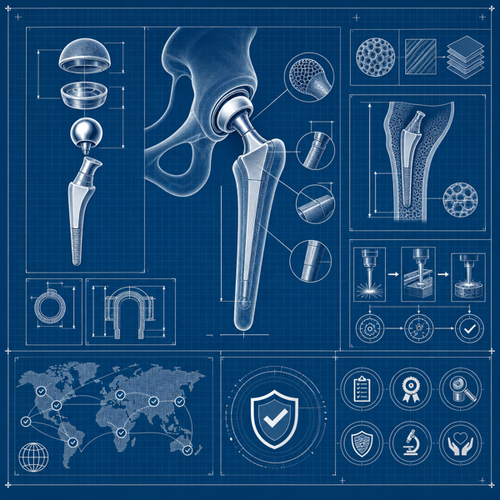
The health care industry has never been more focused on safety, quality, and innovation. With advances in surgical procedures and implant technologies, adhering to internationally recognized standards is now an absolute necessity for manufacturers, clinics, and health institutions. In this article, we dive deep into two pivotal health care standards addressing non-active surgical implants, specifically knee-joint replacements, and the crucial metallic materials used in surgical implants. Implementing these standards is not only key to regulatory compliance, but also essential for increasing productivity, security, and scalability within the modern medical sector.
Overview
In recent years, there’s been a global emphasis on health care excellence, underpinned by robust quality management systems and international standardization. For surgical implants in particular, standards ensure the interoperability, durability, and safety of medical devices while instilling trust in patients and health care professionals alike. This article aims to provide an informational and easy-to-digest guide for the public and industry insiders on:
- How specific standards support quality and security in health care
- What sets these implant standards apart for manufacturers and providers
- Practical insight into ensuring compliance and best practices for implementation
Detailed Standards Coverage
SIST EN ISO 21536:2009/A1:2014 – Specific Requirements for Knee-Joint Replacement Implants
Non-active surgical implants – Joint replacement implants – Specific requirements for knee-joint replacement implants – Amendment 1 (ISO 21536:2007/Amd 1:2014)
Knee-joint replacement surgeries are life-changing for many patients, making the reliability and safety of knee implants a critical concern. This standard sets forth the performance, design, and manufacturing requirements tailored precisely for knee-joint replacement implants. It acts as an amendment for previously established standards, reflecting the evolution of technology and surgical practices.
Scope and Key Requirements:
- Specifies requirements for the intended performance of knee replacement implants
- Details design attributes including fit, wear resistance, and biocompatibility
- Outlines criteria for materials selection, sterilization, and packaging to ensure safety
- Mandates clear and comprehensive manufacturer-supplied information, aiding surgeons and care teams
- Defines methods for design evaluation, testing, and ongoing monitoring
Who Should Comply: Manufacturers of knee-joint replacement systems, surgical device suppliers, quality assurance specialists, regulatory bodies, and health care providers specializing in orthopedics.
Practical Implications: By following SIST EN ISO 21536:2009/A1:2014, organizations boost product reliability, speed time to market, and ensure compatibility with evolving surgical techniques. The standard is aligned with European legislative directives, directly supporting regulatory approval processes such as those under EU Medical Devices Directives.
Key highlights:
- Enhanced patient safety and clinical outcomes
- Defensible, globally recognized quality benchmarks
- Streamlined certification and approval processes
Access the full standard:View SIST EN ISO 21536:2009/A1:2014 on iTeh Standards
SIST EN ISO 5832-1:2019 – Metallic Materials in Surgical Implants: Wrought Stainless Steel
Implants for surgery – Metallic materials – Part 1: Wrought stainless steel (ISO 5832-1:2016)
The strength, durability, and safety of any surgical implant start with its materials. This standard outlines the chemical, mechanical, and microstructural properties that wrought stainless steel must possess to be used safely in surgical implants. The standard is applicable to the manufacture of all stainless steel devices implanted in the human body and ensures that only the highest-grade materials enter the clinical environment.
Scope and Key Requirements:
- Defines chemical composition requirements (including permissible trace elements)
- Specifies microstructure standards to prevent impurities or structural weaknesses
- Lists mechanical property criteria such as tensile strength and ductility for implanted alloys
- Requires manufacturers to conduct rigorous testing and documentation
Who Should Comply: Manufacturers and suppliers of implant materials, health care procurement teams, quality and compliance managers, and regulatory agencies overseeing surgical device registration.
Practical Implications: Adopting SIST EN ISO 5832-1:2019 results in improved reliability, longer implant lifespans, and minimized risk of device failure or patient harm. The specified stainless steel (notably alloy UNS S31673) is recognized globally for safety in implants, supporting international harmonization and facilitating global trade in medical devices.
Key highlights:
- Assurance of biocompatibility and mechanical stability
- High resistance to corrosion and degradation within the human body
- Standardized quality control across global markets
Access the full standard:View SIST EN ISO 5832-1:2019 on iTeh Standards
Industry Impact & Compliance
The adoption of these international standards holds profound implications for the health care sector:
- Quality Assurance: Ensures that all implants meet minimum, globally recognized safety and performance thresholds.
- Patient Confidence: Patients and surgeons gain greater confidence in the longevity and safety of implants.
- Brand Reputation: Companies complying with these standards are favored by procurement entities and can access wider international markets.
- Regulatory Compliance: Reduces the risk of non-compliance with major health care regulations and facilitates smoother audits and certifications.
- Litigation Protection: In the event of adverse outcomes or recalls, robust adherence to internationally accepted standards provides a strong legal defense.
Risks of Non-Compliance:
- Increased likelihood of device failure or adverse clinical events
- Regulatory sanctions, fines, or product recalls
- Tarnished reputation and loss of market share
- Potential legal liabilities and higher insurance costs
Implementation Guidance
Applying these health care standards requires an organized and integrated approach:
Best Practices for Adoption:
- Conduct a gap analysis to identify areas where current practices diverge from standard requirements.
- Train engineering, manufacturing, and quality assurance teams on specific clauses within the standards.
- Develop or update standard operating procedures (SOPs) to reflect new requirements.
- Integrate robust documentation and traceability systems to streamline future audits.
- Engage with accreditation services or trusted third parties for pre-certification assessments.
Resources and Tools:
- Access detailed standard documents through trusted portals like iTeh Standards
- Participate in industry workshops and training sessions on standards implementation
- Consult with regulatory and standards consultants to ensure smooth integration
Conclusion and Next Steps
International standards like SIST EN ISO 21536:2009/A1:2014 and SIST EN ISO 5832-1:2019 serve as the backbone for safety, innovation, and global compatibility in the surgical implant sector. For health care providers, manufacturers, and stakeholders, aligning business processes with these standards isn’t just about compliance—it’s about delivering superior health outcomes, safeguarding brand value, and scaling sustainably in a rapidly evolving industry.
Key Takeaways:
- Implementing standards increases productivity, patient safety, and security
- Compliance helps scale operations and access international markets
- Continuous education and process improvement are vital for ongoing success
Explore these standards in detail on iTeh Standards to empower your organization and ensure best-in-class practice in health care.
Categories
- Latest News
- New Arrivals
- Generalities
- Services and Management
- Natural Sciences
- Health Care
- Environment
- Metrology and Measurement
- Testing
- Mechanical Systems
- Fluid Systems
- Manufacturing
- Energy and Heat
- Electrical Engineering
- Electronics
- Telecommunications
- Information Technology
- Image Technology
- Precision Mechanics
- Road Vehicles
- Railway Engineering
- Shipbuilding
- Aircraft and Space
- Materials Handling
- Packaging
- Textile and Leather
- Clothing
- Agriculture
- Food technology
- Chemical Technology
- Mining and Minerals
- Petroleum
- Metallurgy
- Wood technology
- Glass and Ceramics
- Rubber and Plastics
- Paper Technology
- Paint Industries
- Construction
- Civil Engineering
- Military Engineering
- Entertainment