


A Practical Guide to Surgery Implant Standards: Safe Materials and Reliable Joint Replacements
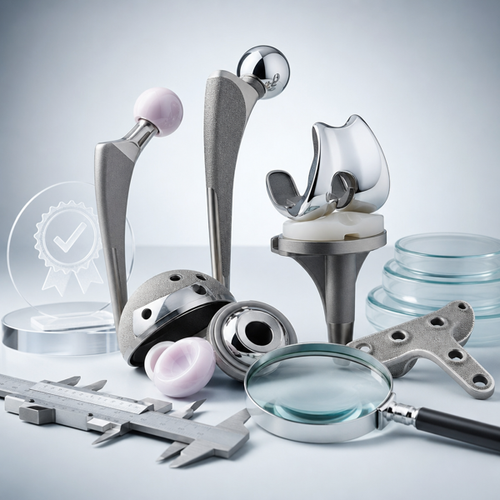
For businesses and professionals in the health care sector, compliance with internationally recognized standards is no longer optional—it's essential for safe, effective, and competitive operations. Surgical implants have transformed modern medicine, enabling millions to regain mobility and quality of life. However, with this progress comes the responsibility to ensure every implant, from the materials used to the final product design, meets stringent safety and quality requirements. In this guide, we examine two key standards that underpin the entire industry: SIST EN ISO 21536:2009/A1:2014 for knee joint replacement implants, and SIST EN ISO 5832-1:2019 for wrought stainless steel surgical implants. Adopting these standards not only enhances patient outcomes and safety but also drives productivity, regulatory compliance, and business growth in a scalable, secure manner.
Overview
The field of implants for surgery, prosthetics, and orthotics has witnessed remarkable advancements thanks to innovation and regulatory oversight. Every year, thousands of patients worldwide benefit from surgical implants, such as knee replacements, that restore their mobility and independence. As the clinical demand for reliable and safe implants rises, the importance of harmonized standards also grows. These standards offer clear specifications for everything from the choice of materials to performance evaluation, guaranteeing consistency and safety across the industry.
This article provides an in-depth yet accessible look at two foundational health care standards: one that ensures the quality of knee joint replacement implants, and another that defines the specific metallurgical requirements for steel used in surgical devices. Whether you're a manufacturer, product designer, quality manager, or simply interested in how high-quality medical devices are assured, this guide will offer practical insights, easy-to-understand explanations, and actionable advice for navigating the modern standards landscape.
Detailed Standards Coverage
SIST EN ISO 21536:2009/A1:2014 - Specific Requirements for Knee-Joint Replacement Implants
Non-active surgical implants - Joint replacement implants - Specific requirements for knee-joint replacement implants - Amendment 1 (ISO 21536:2007/Amd 1:2014)
This standard lays out the specific requirements for knee joint replacement implants, a highly specialized category of non-active surgical implants. It guides manufacturers on performance, design attributes, material selection, design evaluation, manufacturing processes, sterilization, packaging, labeling, and the precise information that must be supplied by the manufacturer.
What Does This Standard Cover?
- Intended Performance: Sets clear functional objectives for knee implants, ensuring their long-term stability, anatomical fit, and compatibility with patient tissue.
- Design Attributes: Details the essential physical characteristics, including shape, articulation, and fixation mechanisms, to minimize wear and maximize service life.
- Materials: Mandates biocompatible and corrosion-resistant materials, reducing the risk of inflammation and failure post-surgery.
- Manufacture and Evaluation: Specifies rigorous validation and verification procedures, including fatigue testing, dimensional tolerances, and cleaning processes.
- Sterilization and Packaging: Requires documented processes to prevent contamination during transportation and storage.
- Information Requirements: Obligates manufacturers to provide comprehensive documentation about product properties, maintenance, potential risks, and instructions for both surgeons and patients.
Who Should Comply?
This standard is aimed at:
- Medical device manufacturers specializing in knee joint prostheses
- Health care procurement officers
- Regulators and quality assurance teams
Meeting these requirements is crucial to not only ensure regulatory compliance (especially with EU directives), but also to guarantee safe and effective patient outcomes.
Practical Implications for Implementation
Manufacturers must integrate design controls and quality management systems that match the detailed requirements of the standard. This often involves:
- Investment in advanced testing equipment
- Structured risk assessments
- Robust traceability for all components and raw materials
- Staff training covering the full implant lifecycle
By aligning internal processes with this standard, organizations minimize the risk of recalls, speed up regulatory approvals, and build trust with stakeholders.
Key highlights:
- Comprehensive requirements for design, materials, manufacturing, sterilization, and labeling
- Essential for CE-marking and EU compliance for medical devices
- Direct link to improved patient safety and reduced risk of implant failure
Access the full standard:View SIST EN ISO 21536:2009/A1:2014 on iTeh Standards
SIST EN ISO 5832-1:2019 - Wrought Stainless Steel for Surgical Implants
Implants for surgery - Metallic materials - Part 1: Wrought stainless steel (ISO 5832-1:2016)
Choosing the right material is fundamental to medical implant success. SIST EN ISO 5832-1:2019 specifies the properties and test methods for wrought stainless steel used in surgical implants, offering guidance that supports quality control from the foundry to the operating room.
What Does This Standard Cover?
- Chemical Composition: Defines allowable content for all alloying elements (such as chromium, nickel, molybdenum, and manganese), limiting impurities like phosphorus and sulfur that could cause corrosion or brittleness.
- Microstructure and Grain Size: Requires material uniformity, fully annealed conditions, and limits on nonmetallic inclusions to prevent premature failure.
- Mechanical Properties: Establishes minimum criteria for yield strength, tensile strength, elongation, and hardness, tested on standardized samples.
- Test Methods: Details sample preparation, testing procedures, and recording requirements to ensure reproducibility and transparency.
- Product Traceability: Mandates records of manufacturing batches, chemical analyses, and test certifications, crucial for auditing and recalls.
Who Should Comply?
This standard is vital for:
- Raw material suppliers (stainless steel mills/tube makers)
- Implant manufacturers and OEMs
- Quality assurance and purchasing professionals
By following these specifications, suppliers deliver materials that meet both legislative and performance expectations, avoiding costly defects or surgical complications.
Practical Implications for Implementation
Establishing compliance involves:
- Regular sampling and batch testing
- Maintaining full traceability from material source to final component
- Collaborating with certified laboratories for third-party testing
- Integrating compliance checks into the procurement and inventory systems
For health care providers, sourcing implants produced from compliant stainless steel ensures biocompatibility and lowers the likelihood of adverse patient reactions.
Key highlights:
- Strict quality criteria for chemical, mechanical, and microstructural properties
- Provides basis for supplier audits and certification
- Enhances overall durability, safety, and reliability of implants
Access the full standard:View SIST EN ISO 5832-1:2019 on iTeh Standards
Industry Impact & Compliance
Why Businesses Must Prioritize These Standards
The medical device industry faces intense scrutiny from regulators, hospitals, and patients alike. Standards such as these:
- Demonstrate regulatory compliance (essential for market approval in the EU, US, and beyond)
- Reduce business risk by limiting product recalls, field failures, and legal liability
- Increase market competitiveness by showcasing commitment to quality and patient safety
Failure to comply can result in financial penalties, reputational damage, or outright banning of non-conforming products from target markets.
Broad Benefits of Adoption
- Productivity: Streamlined processes and fewer design revisions
- Security: Minimized risk of defects, contamination, or supply chain disruptions
- Scaling: Clear, standardized specifications support rapid expansion and new market entry
Importantly, these standards are recognized globally, helping businesses scale without remapping their compliance framework with every new region.
Implementation Guidance
Transforming compliance from a checkbox exercise into a strategic advantage takes planning, investment, and ongoing vigilance. Here’s how:
- Gap Analysis
- Review the full text of each standard in detail
- Assess current policies and technical procedures for alignment
- Process Standardization
- Update all operating procedures for manufacturing, testing, and documentation
- Assign responsibility and schedule routine internal audits
- Supplier Alignment
- Source only from material and component suppliers meeting or exceeding these requirements
- Include compliance status in supplier performance reviews
- Training & Awareness
- Educate staff at all levels (from QA teams to production line operators) on requirements and best practices
- Continuous Improvement
- Participate in regular reviews and incorporate learnings from post-market surveillance
- Stay updated on amendments or superseding standards
Best Practices:
- Use digital compliance tracking tools
- Engage third-party certifiers as needed
- Document every step, ensuring traceability and quick audit responses
Resources:
- iTeh Standards [https://standards.iteh.ai] for full and up-to-date standard documents
- Industry forums, webinars, and working groups for peer learning
- Regulatory authority bulletins and guidance for regional specifics
Conclusion / Next Steps
Staying ahead in the highly regulated and safety-critical field of surgical implants relies on more than technical expertise or regulatory savvy—it requires a proactive embrace of the latest international standards. SIST EN ISO 21536:2009/A1:2014 and SIST EN ISO 5832-1:2019 are cornerstones for ensuring reliable knee replacements and the use of proven stainless steel materials across all types of implants.
Key takeaways:
- Ensuring patient safety and device reliability starts with strict adherence to recognized standards
- Standards streamline production, support scaling of operations, and build trust with patients, regulators, and partners
- Proactive implementation delivers long-term productivity and competitive advantage, while reducing risk and compliance headaches
Recommendations:
- Regularly review and update your compliance frameworks
- Train your workforce and establish partnerships across the entire supply chain
- Access the full texts of current standards on iTeh Standards to support ongoing excellence
Stay informed, stay compliant, and drive your business success by building your surgical implant strategy on a solid foundation of international standards.
Categories
- Latest News
- New Arrivals
- Generalities
- Services and Management
- Natural Sciences
- Health Care
- Environment
- Metrology and Measurement
- Testing
- Mechanical Systems
- Fluid Systems
- Manufacturing
- Energy and Heat
- Electrical Engineering
- Electronics
- Telecommunications
- Information Technology
- Image Technology
- Precision Mechanics
- Road Vehicles
- Railway Engineering
- Shipbuilding
- Aircraft and Space
- Materials Handling
- Packaging
- Textile and Leather
- Clothing
- Agriculture
- Food technology
- Chemical Technology
- Mining and Minerals
- Petroleum
- Metallurgy
- Wood technology
- Glass and Ceramics
- Rubber and Plastics
- Paper Technology
- Paint Industries
- Construction
- Civil Engineering
- Military Engineering
- Entertainment