

Privacy and Electronic Discovery Standards: Your Guide to Assessment, Notices, and Readiness
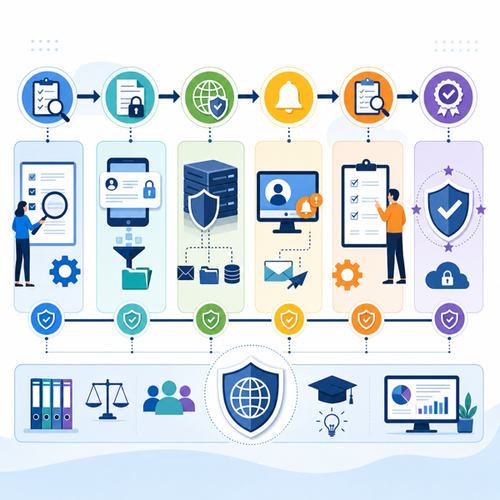
In today's fast-paced world of information technology, privacy and technical readiness are more than just regulatory checkboxes—they are core pillars of business success. With data volumes growing exponentially and digital transformation sweeping across every sector, organizations must be well-equipped to assess privacy impacts, deliver clear notices, secure proper consent, and prepare for electronic discovery. This guide explores four foundational international standards: ISO/IEC 27050-4:2021, ISO/IEC 29100:2024, ISO/IEC 29134:2023, and ISO/IEC 29184:2020. Together, these standards empower businesses to stay compliant, increase operational efficiency, enhance trust, and mitigate risks in handling personally identifiable information (PII) and electronically stored information (ESI).
Overview / Introduction
The field of information technology is rapidly evolving, with businesses integrating new digital tools and platforms every day. This shift presents unprecedented opportunities for innovation, customer engagement, and growth—but it also introduces complex challenges around privacy, security, and regulatory compliance. Privacy and electronic discovery standards offer structured, internationally recognized frameworks that guide organizations through these challenges.
This article provides an accessible, in-depth overview of four pivotal standards for privacy and electronic discovery, focusing on:
- Assessment of privacy risks and impacts
- Effective preparation for electronic discovery (e-discovery)
- Delivery of clear privacy notices and obtaining informed consent
- Building readiness in processes and technology to support business continuity
Whether you are a CIO upgrading your company's technology stack, a compliance officer crafting data policies, or a business leader planning to scale, understanding these standards is crucial for protecting your organization's data assets and reputation.
Detailed Standards Coverage
ISO/IEC 27050-4:2021 - Electronic Discovery Technical Readiness
Information Technology — Electronic Discovery — Part 4: Technical Readiness
ISO/IEC 27050-4:2021 provides actionable guidance to help organizations proactively prepare for electronic discovery—an essential process in modern legal proceedings and investigations. The standard emphasizes the technical and procedural readiness needed for identifying, preserving, collecting, processing, reviewing, analyzing, and producing electronically stored information (ESI).
Scope and Key Requirements:
- Outlines best practices for preparing ESI for potential legal, regulatory, or investigative needs.
- Covers both technology and processes, ensuring comprehensive readiness across the organization.
- Guidance for non-technical and technical personnel, making it applicable company-wide.
Who Should Implement:
- Legal teams
- IT security professionals
- Compliance and risk management officers
- Any organization that could be subject to litigation or regulatory investigation
Practical Implications: Preparing for electronic discovery is not only about compliance; it’s integral to minimizing litigation risks and business disruptions. The standard details:
- ESI identification and mapping
- Proactive data preservation and hold notices
- Secure, traceable collection and processing
- Effective use of technology-assisted review (TAR) tools
- Data retention and secure destruction
- Business continuity under e-discovery demands
Key highlights:
- Promotes cost-effective, efficiency-driven discovery processes
- Reduces risk of inadvertent data loss or privacy breaches
- Encourages documentation and ongoing team competency
Access the full standard:View ISO/IEC 27050-4:2021 on iTeh Standards
ISO/IEC 29100:2024 - Privacy Framework
Information Technology — Security Techniques — Privacy Framework
ISO/IEC 29100:2024 provides a comprehensive privacy framework for information and communication technology (ICT) systems. It establishes common privacy terminology, defines actors and their roles in PII processing, and references internationally recognized privacy principles.
Scope and Key Requirements:
- Standardizes privacy terms for clear communication across parties
- Defines PII principals (data subjects), PII controllers, processors, and third parties
- Outlines privacy safeguarding considerations and compliance obligations
- References privacy principles like consent, data minimization, openness, individual access, and accountability
Applicability:
- Any organization specifying, acquiring, designing, or operating ICT systems involving PII processing
- Public and private companies, government entities, nonprofits
- Natural persons involved with privacy in technology projects
Implementation Impact: A robust privacy framework streamlines the design and maintenance of secure, private ICT systems. It supports easier compliance with global privacy laws and fosters trust with customers and partners.
Key highlights:
- Universal privacy vocabulary for clear internal and external communication
- Framework applicable across multiple technologies and sectors
- Enhances privacy program maturity and readiness for audits
Access the full standard:View ISO/IEC 29100:2024 on iTeh Standards
ISO/IEC 29134:2023 - Guidelines for Privacy Impact Assessment (PIA)
Information Technology — Security Techniques — Guidelines for Privacy Impact Assessment
ISO/IEC 29134:2023 delivers structured guidance on carrying out privacy impact assessments (PIAs), a critical step in identifying and controlling privacy risks before launching new ICT initiatives. For organizations large and small, PIAs provide a systematic approach to ensure privacy by design and continuous risk management.
Scope and Key Features:
- Step-by-step process for conducting and documenting PIAs
- Guidance on preparing the assessment, engaging stakeholders, and evaluating risks
- Template for a PIA report: scope, risk analysis, mitigation, and decision logs
- Advice for organizations with shared or distributed responsibilities
Who Should Apply This:
- Anyone designing, developing, or operating systems that process PII
- Public and private sector project managers
- PII controllers, processors, and suppliers of digital devices or software
Practical Benefits: • Identifies hidden privacy risks and responsibilities early in technology projects • Documents proactive risk control, supporting regulatory compliance and customer assurance • Provides scalable, culture- and jurisdiction-independent methodology
Key highlights:
- Simplifies compliance with diverse privacy laws and best practices
- Encourages transparent stakeholder consultation and continuous monitoring
- Supports privacy by design from project inception
Access the full standard:View ISO/IEC 29134:2023 on iTeh Standards
ISO/IEC 29184:2020 - Online Privacy Notices and Consent
Information Technology — Online Privacy Notices and Consent
ISO/IEC 29184:2020 specifies controls for creating clear, actionable online privacy notices and obtaining proper consent from PII principals—core requirements under many privacy regulations such as the GDPR. In an era of "privacy-aware" consumers and digital services, this standard ensures organizations present transparent information and choices to users.
Scope and Control Areas:
- Requirements for the content, timing, form, and accessibility of online privacy notices
- User-friendly language and transparency in how PII is collected, processed, and shared
- Procedures for explicit, informed, and revocable consent
- Notice of rights, third-party disclosures, retention, and risk details
Applicable To:
- Any entity operating online services, apps, platforms, or websites handling PII
- PII controllers and any party informing or collecting personal data online
Organizational Impact: Adhering to this standard reduces legal risk, enhances user trust, and demonstrates commitment to best privacy practices—boosting organizational reputation while supporting scaling and user acquisition.
Key highlights:
- Ensures privacy notices are clear, accessible, and compliant across devices and languages
- Details opt-in/opt-out, separate consent for data uses, and ongoing user control
- Protects against privacy breaches and regulatory penalties
Access the full standard:View ISO/IEC 29184:2020 on iTeh Standards
Industry Impact & Compliance
The adoption of privacy and electronic discovery standards is no longer optional for modern organizations—it's essential to survive and succeed in a data-driven economy. Here’s why these standards are making a significant impact:
Benefits for Businesses
- Improved Security: By formalizing privacy controls and technical readiness, organizations can better guard against breaches and unauthorized data access.
- Regulatory Compliance: With privacy regulations evolving globally, these standards align with requirements such as GDPR, CCPA, and other privacy laws, reducing the risk of costly fines and sanctions.
- Increased Productivity: Streamlined processes for privacy assessments, consent, and discovery reduce delays, lower costs, and enable faster project launches.
- Enhanced Trust and Marketability: Consumers and partners value organizations that uphold privacy and transparency, supporting loyalty and business development.
- Scalability: Universal frameworks and processes enable organizations to expand into new markets while maintaining compliance and security, even as operations grow.
Risks of Non-Compliance
- Legal liability from data breaches, mishandled ESI, or invalid consent mechanisms
- Significant financial penalties from regulators
- Damaged brand reputation and lost customer trust
- Operational setbacks due to inefficient, ad-hoc data management practices
Compliance Considerations
- Ongoing training for staff at all levels
- Regular reviews and updates to privacy and readiness processes
- Coordination between legal, IT, operations, and business units
- Use of automated tools for continuous monitoring and documentation
Implementation Guidance
While implementing international standards may appear challenging at first, the journey can be made smoother with structured approaches and best practices. Here’s how organizations can get started and ensure robust compliance:
Common Implementation Approaches
- Gap Analysis: Evaluate current policies and processes against standard requirements to identify areas for improvement.
- Stakeholder Engagement: Involve legal, compliance, IT, HR, and business units early to gain buy-in and ensure practical coverage.
- Documentation: Develop clear, accessible documentation for all privacy and readiness procedures, notices, and assessments.
- Technology Integration: Leverage privacy-enhancing technologies, e-discovery platforms, and automated consent management tools.
- Training and Awareness: Conduct regular training to keep all relevant staff up to date with standards and emerging privacy risks.
- Continuous Monitoring: Establish feedback loops, internal audits, and regular process evaluations to ensure ongoing compliance and readiness for evolving requirements.
Best Practices for Successful Adoption
- Treat standards as part of a broader culture of privacy and security, not just as checklists.
- Use standards to influence design and procurement decisions for technology solutions.
- Maintain up-to-date records of consents, privacy impact assessments, and discovery readiness actions.
- Regularly test and exercise e-discovery and privacy procedures so you are fully prepared for real-world incidents.
Resources for Organizations
- iTeh Standards Platform: Access the latest versions of global standards in privacy, data security, and e-discovery.
- Professional Training: Look for ISO/IEC or privacy certification training relevant to your staff roles.
- Industry Groups: Join privacy and information management associations for shared best practices and updates.
Conclusion / Next Steps
Privacy and electronic discovery standards are vital tools for any organization aiming to harness the power of new technologies securely and responsibly. By aligning with the four standards covered above—ranging from privacy frameworks and PIAs to technical readiness and online consent—not only can businesses demonstrate robust compliance, but they also set themselves up for greater efficiency, scalability, and trust in today’s digital marketplace.
Key takeaways:
- Proactive adoption of these standards fortifies your organization against privacy and legal risks.
- Each standard offers a distinct but interconnected framework for privacy, readiness, consent, and assessment.
- Continuous training, documentation, and technology integration are fundamental for sustained compliance.
Recommendations:
- Begin with a gap assessment against the relevant standards.
- Engage stakeholders and train your teams.
- Leverage authoritative resources such as the iTeh Standards platform for guidance and continuous improvement.
To protect your business and build lasting trust, explore these standards and integrate them fully within your organizational processes. Stay updated as new releases and best practices emerge—your security, productivity, and growth depend on it.
Categories
- Latest News
- New Arrivals
- Generalities
- Services and Management
- Natural Sciences
- Health Care
- Environment
- Metrology and Measurement
- Testing
- Mechanical Systems
- Fluid Systems
- Manufacturing
- Energy and Heat
- Electrical Engineering
- Electronics
- Telecommunications
- Information Technology
- Image Technology
- Precision Mechanics
- Road Vehicles
- Railway Engineering
- Shipbuilding
- Aircraft and Space
- Materials Handling
- Packaging
- Textile and Leather
- Clothing
- Agriculture
- Food technology
- Chemical Technology
- Mining and Minerals
- Petroleum
- Metallurgy
- Wood technology
- Glass and Ceramics
- Rubber and Plastics
- Paper Technology
- Paint Industries
- Construction
- Civil Engineering
- Military Engineering
- Entertainment