

October 2026: New Standard Advances On-Site Microbubble Algae Bloom Removal
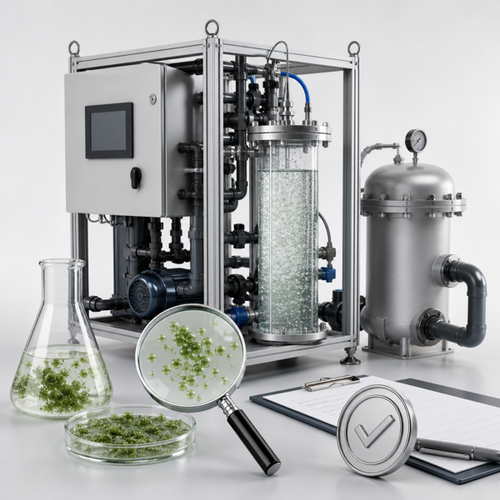
Fine bubble technology continues to transform environmental management practices, and the latest international standard, ISO 4240-3:2026, marks a major step in improving the reliability and efficiency of algae bloom removal from aquatic systems. Published in October 2026, this standard introduces a globally recognized test method for on-site evaluation of microbubble-based facilities targeting the removal of problematic algal blooms. For professionals in environmental technology, water quality, and applied sciences, this update offers actionable guidance for compliance, enhances operational transparency, and enables more effective protection of aquatic resources.
Overview / Introduction
Algae blooms threaten freshwater resources worldwide, leading to ecological damage, reduced water usability, and negative impacts on public health. The need to address harmful algal blooms has steered industry and regulators toward advanced removal technologies, particularly those leveraging microbubble generation. Standardization is a crucial driver in this sector, ensuring that removal facilities perform reliably and that comparable performance data are available across diverse environments.
The October 2026 release of ISO 4240-3:2026 delivers much-needed clarity on on-site testing procedures, offering a scientifically robust basis for evaluating algae bloom removal efficiency. In this article, readers will gain insight into the standard’s scope, procedural detail, compliance implications, and practical tips for successful implementation in the field.
Detailed Standards Coverage
ISO 4240-3:2026 – Test Method for On-Site Evaluation of Algae Bloom Removal Facilities
Fine bubble technology — Environmental applications — Part 3: Test method for on-site evaluation of the performance of algae bloom removal facilities
This international standard defines the test method to quantitatively evaluate how well on-site microbubble-based facilities remove algae blooms from water bodies. Central to the standard is the measurement of chlorophyll-a concentrations before and after treatment—a direct indicator of microalgae and cyanobacteria biomass. By providing conditions, equipment requirements, and procedures, the standard guides users in reliably assessing and verifying the performance of large-scale algae removal systems under actual environmental conditions.
What the Standard Covers & Its Scope
- Specifies on-site testing for algae removal facilities that utilize microbubble generators
- Focuses on freshwater bodies (like lakes and slow-flowing rivers) with algae bloom events
- Requires performance evaluation by measuring the drop in chlorophyll-a concentrations pre- and post-treatment
- Addresses the influence of environmental conditions (water quality, weather, site characteristics) on removal rates
Key Requirements and Specifications
- Sampling Protocols: Operators must collect water samples at specified depths and locations, using proper preservation and filtration methods within strictly defined timeframes (typically within 3 hours of collection to preserve integrity).
- Test Site Criteria: The site must feature a minimum chlorophyll-a concentration (≥10 mg/m³), a defined surface area (from 100 m² up to 10,000 m²), water depth (≥0.5 m), temperature (≥20°C at 0.5 m depth), and low flow rates (≤0.2 m/s).
- Weather Conditions: Testing should be performed under clear or mostly clear skies (≤3/8 cloud coverage), with no precipitation and low wind speeds (≤5.4 m/s) to ensure accurate microbubble operation and consistent results.
- Test Equipment: Precise water sampling equipment, filtration apparatus (glass-fibre filters, vacuum pump), coolers for sample preservation, and flow meters are required for accurate and reproducible testing.
- Evaluation Principle: The removal efficiency is quantified by comparing chlorophyll-a levels before and after the facility operates, using the standard spectrometric determination method (referencing ISO 10260 for biochemical parameter measurement).
Who Needs to Comply
- Operators and owners of commercial and municipal water treatment facilities targeting algae and cyanobacteria removal
- Technology providers specializing in microbubble-based environmental remediation
- Environmental quality inspectors, laboratory technicians, and regulatory agencies overseeing freshwater bodies affected by blooms
Practical Implications for Implementation
- Enables robust, repeatable, field-based evaluation of facility performance—crucial for validating technology claims, optimizing design, and meeting regulatory requirements
- Encourages data-driven decision-making for investments in water quality infrastructure
- Supports transparent reporting and continuous improvement of environmental outcomes
Notable Changes and Innovations
- Establishes a standardized, internationally recognized protocol where previously only ad hoc, uncoordinated tests existed
- Highlights the importance of natural conditions in field testing—moving away from costly and sometimes misleading laboratory models
- Connects operational parameters (such as coagulant use and microbubble generation) with quantifiable environmental performance
Key highlights:
- Provides standardized testing to reliably measure algae bloom removal rates using microbubble technology
- Improves environmental transparency and facility benchmarking by utilizing chlorophyll-a reduction as a performance metric
- Facilitates eco-friendly, cost-effective approaches over traditional chemical or mechanical removal methods
Access the full standard:View ISO 4240-3:2026 on iTeh Standards
Industry Impact & Compliance
The introduction of ISO 4240-3:2026 presents significant operational and compliance opportunities for the environmental science and water technology sectors. Adopting this standard helps organizations demonstrate rigorous environmental stewardship, align with international best practices, and respond to increasing regulatory scrutiny regarding freshwater quality.
How These Standards Affect Businesses
- Ensure consistent, auditable performance data for facilities employing microbubble technology
- Support comparative procurement and funding decisions for public and private projects aiming to address harmful algal blooms
- Strengthen credentials in environmental sustainability and corporate responsibility
Compliance Considerations and Timelines
- Facilities and operators already deploying microbubble-based removal systems are encouraged to integrate the ISO 4240-3:2026 guidelines promptly
- Regulatory agencies and stakeholders may update their requirements to reference this new standard, meaning early adoption could give organizations a competitive edge
- Documentation of compliance (test protocols, test reports, sample preservation records) should be established as part of standard operating procedures
Benefits of Adopting ISO 4240-3:2026
- Provides transparency and credibility to removal efficacy claims
- Reduces the risk of ineffective or unsafe operations by highlighting key operational and environmental variables
- Enhances inter-facility comparability and benchmarking
- Reduces reliance on chemicals and invasive removal techniques, lowering both operational costs and environmental risks
Risks of Non-Compliance
- Potential for regulatory penalties or failed audits
- Increased costs associated with repeated or invalidated tests
- Reputational damage among stakeholders (funders, regulators, the public)
- Missed opportunities to qualify for environmentally focused grants or contracts
Technical Insights
This new standard emphasizes the importance of rigorous, science-based evaluation in applied environmental technology. Key technical requirements and best practices include:
Common Technical Requirements
- Utilizing approved sampling, filtration, and preservation methods to prevent sample degradation
- Accurately measuring chlorophyll-a as a direct proxy for algal and cyanobacterial biomass
- Ensuring the chosen test sites represent the operational scope, particularly in terms of water depth, area, temperature, and flow rate
- Maintaining precise weather and environmental monitoring during tests
Implementation Best Practices
- Site Selection: Carefully select representative sites that meet the standard’s threshold parameters to maximize the utility of the test data.
- Personnel Training: Ensure operators and technicians are fully trained in ISO 4240-3:2026 compliance procedures, including sample collection, processing, and reporting.
- Equipment Calibration & Maintenance: Validate all equipment (e.g., flow meters, samplers) prior to use and keep detailed calibration logs.
- Data Management: Implement robust data capture and management systems to support traceable, reproducible results.
- Continuous Monitoring: Integrate findings from periodic on-site evaluations into facility maintenance and process improvement programs.
Testing and Certification Considerations
- Ensure that laboratory services used for chlorophyll-a analysis are accredited and familiar with the referenced ISO 10260 spectrometric method
- Keep comprehensive, verifiable test reports for all performance evaluations, including environmental conditions, process parameters, and measured concentrations
- Prepare to share these reports with regulators and supply chain partners as needed for due diligence, audit, or certification requirements
Conclusion / Next Steps
With the publication of ISO 4240-3:2026, organizations engaged in water quality management and fine bubble technology have a powerful new tool to assess, benchmark, and improve their algae bloom removal operations. Integrating this standard into daily practice not only enhances environmental protection but also strengthens institutional credibility and compliance posture.
Key recommendations:
- Review the full standard to understand specific procedural and documentation requirements
- Train staff and update internal protocols to align with the ISO 4240-3:2026 procedures
- Engage with accredited laboratories for testing and reporting
- Monitor regulatory updates that may reference or require compliance with this standard
For complete technical requirements, consult the authoritative version: View ISO 4240-3:2026 on iTeh Standards
Stay at the forefront of natural and applied sciences standards by exploring additional resources, subscribing to updates, and ensuring your facilities and procedures are future-ready.
Categories
- Latest News
- New Arrivals
- Generalities
- Services and Management
- Natural Sciences
- Health Care
- Environment
- Metrology and Measurement
- Testing
- Mechanical Systems
- Fluid Systems
- Manufacturing
- Energy and Heat
- Electrical Engineering
- Electronics
- Telecommunications
- Information Technology
- Image Technology
- Precision Mechanics
- Road Vehicles
- Railway Engineering
- Shipbuilding
- Aircraft and Space
- Materials Handling
- Packaging
- Textile and Leather
- Clothing
- Agriculture
- Food technology
- Chemical Technology
- Mining and Minerals
- Petroleum
- Metallurgy
- Wood technology
- Glass and Ceramics
- Rubber and Plastics
- Paper Technology
- Paint Industries
- Construction
- Civil Engineering
- Military Engineering
- Entertainment