

September 2026: Essential Updates in Environmental, Health, and Safety Standards
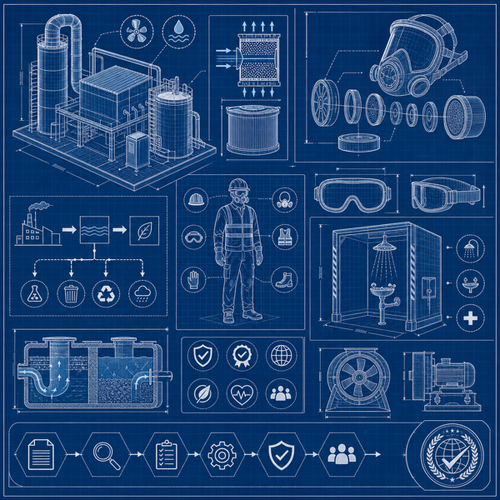
September 2026: Essential Updates in Environmental, Health, and Safety Standards
As the regulatory landscape evolves to address emerging risks and technological advances, September 2026 has seen the release of five pivotal international standards in the field of environmental protection, occupational health, and public safety. These standards span from domestic electrical appliance safety and live working protection, to risk communication in biosolids management, sludge ecotoxicological evaluation, and precise dosimetry for aviation crew. Each update underscores the commitment to safeguarding human health, protecting the environment, and promoting robust organizational compliance across sectors.
Overview
Environmental protection, health, and safety are critical concerns for industries and society alike. With rising awareness of climate impact, chemical exposure, workplace hazards, and the need for safe resource recovery, the role of international standards has never been more central. These standards define the technical benchmarks for safety, environmental performance, and effective risk management—helping organizations comply with legal requirements, minimize liabilities, and foster a culture of continuous improvement.
In this article, readers will gain an in-depth understanding of the five latest standards published in September 2026. We’ll explore their core requirements, impacted industries, and the practical implications for implementation and compliance.
Detailed Standards Coverage
EN IEC 60335-2-111:2026 – Safety for Electric Ondol-Mattresses
Household and similar electrical appliances – Safety – Part 2-111: Particular requirements for electric ondol-mattress with a non-flexible heated part
This European standard addresses the unique safety risks posed by electric ondol-mattresses used in households and similar environments. Building on the base standard IEC 60335-1:2020, this part provides particular requirements for ondol-mattresses with rigid (non-flexible) heated components, typically operating at voltages up to 250 V, whether AC or DC, including those powered by batteries. It also covers the associated control units supplied with these appliances.
Key requirements include:
- Enhanced protection against access to live parts and electrical hazards
- Standards for marking, instructions, and user information
- Specific testing protocols for leakage current, electric strength, and abnormal operations
- Mechanical endurance, resistance to moisture, overload protection, and stability against mechanical hazards
- Up-to-date battery safety and integration with control units
- Alignment with IEC 60335-1:2020 and new test methodologies (including test probe 19 for improved safety verification)
Target audience: Appliance manufacturers, safety testing labs, quality assurance professionals, importers, and retailers in the home appliance sector.
Practical implications: Manufacturers must adopt updated testing and documentation protocols, while compliance teams should update certification and procurement requirements. Notably, the transition timeline allows for a 12–36 month implementation window, offering organizations a structured path to compliance.
Key highlights:
- Addresses both plug-in and battery-operated electric ondol-mattresses
- Requires improved documentation and end-user instructions
- Aligns with current best practices in electric appliance safety
Access the full standard:View EN IEC 60335-2-111:2026 on iTeh Standards
IEC 61111:2026 – Electrical Insulating Matting for Live Working
Live working – Electrical insulating matting
IEC 61111:2026 specifies the requirements for flexible electrical insulating mats designed to protect workers against electrical shock when working on installations of up to 36,000 V AC and 54,000 V DC. These mats serve as a protective barrier on floors and work surfaces during live electrical operations, forming a key component of electrical safety programs.
Key requirements and features:
- Material composition, thickness, and dimensional tolerances for reliable electrical insulation
- Mechanical properties such as puncture resistance, slip resistance, and flame retardancy
- Environmental requirements: resistance to temperature variations, oil, acid, and aging
- Dielectric strength testing protocols to verify performance across rated voltage classes
- Mandatory marking and identification for traceability
- Inspection, maintenance, and documentation guidelines for ongoing compliance
Target audience: Electrical utilities, contractors, safety managers, facility operators, and procurement teams specifying PPE and worksite controls for energized electrical work.
Practical implications: Regular mat inspection, batch testing, and periodic re-evaluation become critical to maintain conformity. Organizations must ensure purchase, use, and maintenance align with this new edition, updating procedures as needed.
Key highlights:
- Applies to AC and DC installations with high voltage
- Stringent mechanical and dielectric performance testing
- Comprehensive instructions for storage, periodic testing, and user education
Access the full standard:View IEC 61111:2026 on iTeh Standards
ISO 23882:2026 – Beneficial Use of Biosolids: Risk Communication Guidelines
Sludge recovery, recycling, treatment and disposal — Beneficial use of biosolids land application — Guidelines for risk communication and management of public perception
ISO 23882:2026 provides a framework for effective communication and public engagement regarding the application of biosolids (treated sewage sludge and derived products such as compost) to land. Recognizing the complexity of stakeholder concerns, the standard outlines best practices in risk communication, addresses misconceptions, and provides tools for building trust with the public and Indigenous communities.
Key content areas:
- Definitions and context for biosolids risk communication
- Risk assessment and management methodologies tailored for biosolids use
- Approaches to mapping and addressing public perception at the global scale
- Communication principles, including transparency, cultural sensitivity, and stakeholder engagement
- Case studies and tools ranging from digital media strategies to media toolkits and spokesperson protocols
- Guidance for integrating risk communication into organizational biosolids management plans
Target audience: Environmental consultants, utility managers, public relations professionals, biosolids program coordinators, community engagement leads, local authorities, and regulatory bodies.
Implications for implementation: Any organization involved in the beneficial reuse of biosolids should embed these guidelines into communication planning, stakeholder engagement, and regulatory submissions. Emphasis on inclusive dialogue and credible, consistent messaging is critical for operational success.
Key highlights:
- Global overview of public perception and risk attitudes toward biosolids
- Practical templates for outreach, including FAQs, fact sheets, and digital engagement tools
- Framework for engaging with Indigenous communities and integrating cultural values
Access the full standard:View ISO 23882:2026 on iTeh Standards
ISO 8228:2026 – Ecotoxicological Evaluation and Classification of Sludge for Land Application
Ecotoxicological evaluation and classification of sludge for land application
ISO 8228:2026 establishes detailed procedures for ecotoxicological testing and classification of sludge intended for land application, reinforcing environmental and public health safeguards in waste management and agriculture. The standard outlines both chemical and biological assessment methodologies, as well as decision protocols for responsible land application.
Key requirements and procedures:
- Two-step evaluation: initial chemical analysis for heavy metals and persistent organic pollutants, followed by ecotoxicity testing (seed germination and earthworm reproduction)
- Classification criteria for sludge toxicity, resulting in three sludge classes (I–III) linked to different land use scenarios—from agricultural crop production to mine rehabilitation
- Maximum application rates (7.5 tons per hectare per year for 10 years) and required post-application reassessment
- Sampling protocols and recommended analytical methods for pollutants
- Comprehensive framework covering both environmental and operational dimensions
Target audience: Wastewater treatment facilities, environmental risk assessors, municipal planners, agricultural extension services, regulators, and consultants in land reclamation.
Implementation considerations: Facilities must update internal lab protocols and documentation flows to ensure ongoing compliance, and use the classification system to guide land application decisions. The approach sets a new global benchmark for evidence-based, risk-sensitive sludge management.
Key highlights:
- Multi-tiered classification system based on objective toxicity metrics
- Integrated testing for heavy metals, POPs, and ecotoxicological effects
- Provides credible foundation for transparent, environmentally responsible sludge recycling
Access the full standard:View ISO 8228:2026 on iTeh Standards
ISO 20785-4:2026 – Dosimetry for Exposures to Cosmic Radiation in Civilian Aircraft
Dosimetry for exposures to cosmic radiation in civilian aircraft — Part 4: Validation of codes
ISO 20785-4:2026 provides vital guidance for validating the computational codes used to estimate doses of cosmic radiation experienced by aircrew and passengers—a key factor in occupational health for aviation. This edition aligns with regulatory requirements in many jurisdictions that mandate exposure assessment for airline crew and offers a rigorous, harmonized approach to code validation.
Core requirements and features:
- Functional requirements for computational tools predicting effective and ambient dose equivalents
- Guidance for comparing model outputs to reference measurements and international standards
- Inclusion of key physical quantities: particle fluence, absorbed dose, and relevant SI units
- Recommendations for software testing, covering calibration, verification, and official approval processes
- Applicability to radiation protection authorities, airline operators, code developers, and regulatory agencies
Target audience: Air operators, occupational health and safety officers, radiation protection authorities, aviation regulators, and developers of radiation monitoring software.
Implementation outlook: Regulatory and technical personnel must ensure that any code or tool used to estimate in-flight radiation exposure complies with the outlined validation approach—and update any previous methodologies or documentation accordingly.
Key highlights:
- Standardized validation protocol for aviation radiation dosimetry codes
- Supports compliance with EU and international aviation requirements
- Ensures accurate, transparent exposure assessment for aircrew and passengers
Access the full standard:View ISO 20785-4:2026 on iTeh Standards
Industry Impact and Compliance
The introduction of these international standards will create far-reaching benefits for organizations in environmental protection, health, and safety sectors. Key industry impacts include:
- Legal and regulatory alignment: Companies are better positioned to satisfy global and local regulatory requirements, reducing the risk of non-compliance penalties and operational disruptions.
- Enhanced operational safety: Improved PPE specifications, electrical safety measures, and risk management frameworks mitigate workplace incidents and environmental liabilities.
- Community engagement: Standards focused on risk communication enable more effective public and stakeholder engagement, reducing resistance and fostering trust in environmental programs.
- Operational excellence: Harmonized procedures result in more predictable, efficient, and auditable processes across the value chain.
Compliance timelines are typically generous, with transition periods ranging from 12 to 36 months post-publication to allow for procurement, staff training, and gradual operational upgrades. However, organizations are strongly encouraged to commence gap analyses and implementation planning without delay.
Risks of non-compliance include regulatory sanctions, legal exposure, reputational damage, and—in the case of technical safety standards—real risks of injury or unsafe environmental practice.
Technical Insights
Several technical trends and best practices emerge across these new standards:
- Risk-based approach: From biosolids management to sludge recycling and dosimetry, risk assessment frameworks are deeply embedded, supporting evidence-based decision-making.
- Advanced testing and verification: Standards specify both initial type testing and ongoing maintenance testing (IEC 61111, EN IEC 60335-2-111) to ensure persistent conformity over the product lifecycle.
- Integration of stakeholder engagement: New guidelines for risk communication (ISO 23882) position public and Indigenous Peoples' engagement as a technical and ethical requirement, not merely a PR exercise.
- Harmonized analytical protocols: ISO 8228 introduces consistent chemical and ecotoxicological benchmarks and classification, supporting cross-jurisdictional operation and best practice.
- Software and computational tool validation: ISO 20785-4 underscores the importance of rigorous, standardized code validation in domains where direct measurement is impractical, such as cosmic radiation dosimetry.
Implementation Best Practices:
- Establish cross-functional teams to assess gap and readiness.
- Update procurement and operational documentation to reflect new technical criteria.
- Schedule staff training on new protocols and updated safety requirements.
- Engage external certification and consulting bodies when needed.
- Communicate changes internally and externally—especially in areas impacting public perception or regulatory reporting.
- Leverage digital recordkeeping and automated compliance management tools for documentation and periodic testing/inspection tracking.
Conclusion and Next Steps
The September 2026 standards releases in environmental protection, health, and safety solidify a forward-looking, risk-aware approach to compliance, safety, and sustainability. These standards bring new levels of rigor to electrical safety, live working, biosolids communication, waste recycling, and radiation exposure in aviation.
Key recommendations:
- Conduct a proactive standards review to map your organization's current practices against new requirements
- Prioritize high-impact areas for early adoption—especially in critical safety, environmental impact, and public trust domains
- Invest in staff training and digital systems to manage new documentation and ongoing compliance needs
- Engage with stakeholders and regulatory agencies early to demonstrate commitment and ensure smooth transitions
Stay ahead by accessing the full text and guidance of each standard. To remain compliant and competitive, visit iTeh Standards for the most up-to-date resources and professional insights.
Browse all the latest Environmental Protection, Health & Safety standards at iTeh Standards.
Categories
- Latest News
- New Arrivals
- Generalities
- Services and Management
- Natural Sciences
- Health Care
- Environment
- Metrology and Measurement
- Testing
- Mechanical Systems
- Fluid Systems
- Manufacturing
- Energy and Heat
- Electrical Engineering
- Electronics
- Telecommunications
- Information Technology
- Image Technology
- Precision Mechanics
- Road Vehicles
- Railway Engineering
- Shipbuilding
- Aircraft and Space
- Materials Handling
- Packaging
- Textile and Leather
- Clothing
- Agriculture
- Food technology
- Chemical Technology
- Mining and Minerals
- Petroleum
- Metallurgy
- Wood technology
- Glass and Ceramics
- Rubber and Plastics
- Paper Technology
- Paint Industries
- Construction
- Civil Engineering
- Military Engineering
- Entertainment