


April 2026 Standards Update: Key Fluid Systems & Components Standards Released
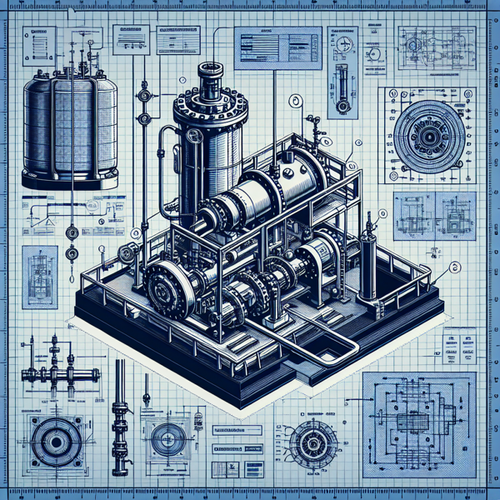
Ensuring safety, reliability, and compliance in fluid systems and components has never been more important. April 2026 marks a significant milestone for professionals in the field, with the publication of three new international standards influencing how engineers, safety officers, and manufacturers approach the design, installation, and operation of hydraulic hoses, LPG pressure regulation, and vessel equipment. This article provides an in-depth look at these standards, highlighting what’s new, who’s affected, and how your organization can benefit by staying compliant.
Overview / Introduction
Fluid systems and components are foundational to industries ranging from manufacturing and energy to transport and construction. Maintaining robust standards in this area is crucial—not only to ensure operational safety, but also to guarantee system durability, equipment compatibility, and regulatory compliance.
In April 2026, three pivotal standards were published, each targeting a distinct but interconnected area within the fluid systems and components sector:
- Hydraulic hoses for demanding applications,
- Pressure regulators and safety devices for LPG use,
- Essential equipment for both overground and underground LPG pressure vessels.
This article will:
- Demystify the core requirements and scope of each standard,
- Explain who must pay attention and why,
- Offer actionable insights for seamless implementation.
Detailed Standards Coverage
EN 857:2026 - Wire Braid Reinforced Hydraulic Hoses for Compact Applications
Rubber hoses and hose assemblies – Wire braid reinforced compact type for hydraulic applications – Specification
April 2026 brings a comprehensive update to hydraulic system integrity with EN 857:2026. This standard prescribes the requirements for two types of wire braid reinforced compact hydraulic hoses and assemblies (types 1SC and 2SC) with nominal bores from 6 to 76. Critical for hydraulic fluid transmission in systems exposed to a wide temperature range, this specification sets stringent performance, durability, and safety criteria.
Scope and Applications: EN 857:2026 aligns with the needs of hydraulic systems that operate from −40°C up to +100°C for oil-based fluids (per ISO 6743-4, except for flame-retardant types), and up to +70°C for water-based alternatives. The standard does not cover hoses for castor oil- or phosphoric ester-based fluids, nor does it address underground mining hoses (handled elsewhere).
Construction details specify that hoses must be made with an oil- and water-resistant synthetic rubber core, wire braid reinforcement (single for 1SC, double for 2SC), and a durable outer rubber cover. The standard clarifies requirements for:
- Hydrostatic and impulse pressure performance
- Minimum bend radius
- Leakage resistance and cold flexibility
- Adhesion, abrasion, vacuum, ozone, and fluid resistance
- Marking, dimensions, and testing frequency
Who Needs to Comply: Manufacturers and specifiers supplying hoses for industrial hydraulics, mobile machinery (e.g., excavators, cranes), marine hydraulics, and general fluid power systems.
Practical Implications & Notable Changes: EN 857:2026 supersedes the 2015 edition with several important updates, such as broader size coverage for 2SC hoses, tightened tolerances for inside diameter, additional performance tables, and streamlined testing requirements. End fittings are not within the scope, focusing compliance efforts on hose and assembly performance.
Key highlights:
- Covers both single (1SC) and double (2SC) wire braid compact hoses
- Suitable for oil, water-based, and water hydraulic fluids; not for certain special fluids
- Updates include size expansion, dimensional tolerances, and new performance tables
Access the full standard:View EN 857:2026 on iTeh Standards
prEN 16129 - Pressure Regulators and Automatic Change-Over Devices for Butane, Propane, and Mixtures
Pressure regulators, automatic change-over devices, having a maximum regulated pressure of 4 bar, with a maximum capacity of 150 kg/h, associated safety devices and adaptors for butane, propane, and their mixtures
With prEN 16129, safety, precision, and versatility take center stage in gas systems using LPG (liquefied petroleum gas)—specifically butane, propane, and their mixtures. This April 2026 draft standard determines the required characteristics for pressure regulators and automatic change-over devices, ensuring safe and reliable LPG delivery with regulated pressures up to 4 bar and flow rates reaching 150 kg/h.
Scope and Applications: The standard provides essential design, operational, and safety requirements for regulators and change-over devices operating from −20°C to +50°C (with extended test limits in Annex C). It encompasses:
- Standard and specialized regulators for industrial, commercial, and recreational LPG supply
- Change-over devices ensuring uninterrupted gas flow
- Safety devices and adaptors compatible with current and future LPG infrastructure
- Accessories for connecting to self-closing valve systems
Special clauses address the unique needs of caravans, motor caravans, and boats—key for mobile and marine LPG use. The document aligns with both general market requirements and the specificities demanded by regulated industries, including vessel supply and mobile heating/cooking.
Key Requirements:
- Strict performance and reliability testing (impact, pressure, mechanical strength)
- Corrosion resistance and marking durability
- Clear operational and installation instructions
- Safety functions (excess flow, over/under-pressure shut-off, thermal shut-off, etc.)
Who Needs to Comply:
- Manufacturers and distributors of LPG pressure regulators and change-over systems
- OEM appliance manufacturers integrating LPG supply
- Installers and maintenance professionals serving industrial, domestic, and transport LPG applications
- Caravan, motorhome, and recreational marine equipment suppliers
Notable Updates From Previous Standard: prEN 16129 will replace EN 16129:2013 with revised safety device criteria, extended connection and temperature requirements, and a more flexible approach for varied end-use scenarios.
Key highlights:
- Applies to both fixed and mobile installations, including boats and caravans
- Detailed safety device integration and rigorous test methods
- Expanded temperature range and specific connection guidance
Access the full standard:View prEN 16129 on iTeh Standards
FprEN 14570 - LPG Equipment and Accessories: Equipping Overground and Underground Vessels
LPG equipment and accessories - Equipping of overground and underground LPG vessels
FprEN 14570 (April 2026) delivers an authoritative set of requirements for outfitting LPG pressure vessels, both overground and underground, with a capacity up to 13 m³. Addressing the mounting of safety-critical fittings and accessories, it targets operational installations in industrial, commercial, and distributed energy contexts.
Scope and Applications: This standard covers:
- Fitting pressure vessel equipment (valves, gauges, relief devices, fills, seals, etc.)
- Overground/underground vessels produced per EN 12542 and hydraulically tested
- Ensuring compatibility with essential European directives, notably Pressure Equipment Directive (2014/68/EU)
Excluded are depot/refrigerated storage vessels and selection of spare parts outside scope.
Key Requirements:
- Criteria for plug/cap protection on unused connections and secure operation of all valves
- Fail-safe shut-off valves, non-return valves, excess flow valves, and proper actuation
- Overfill protection, pressure and level indicators, vent piping, drainage systems, earthing and cathodic protection, and leak-tightness verification
- Detailed guidance on installation, maintenance, documentation, and testing (e.g., Annex B for PRVs and hydrostatic valve settings/discharge rates)
- Environmental management guidance mapped against EN ISO 14000 series
Who Needs to Comply:
- Manufacturers of LPG vessels and accessories
- Plant operators in industrial and commercial LPG installations
- Equipment specifiers, procurement teams, and safety managers
Notable Revisions: FprEN 14570 updates requirements for compliance with the latest EU directives, introduces improvements in equipment selection criteria, and adds provisions for cathodic protection and enhanced leakage testing.
Key highlights:
- Mandates robust safety and overfill protection for vessel fittings
- Covers both overground and underground (including mounded/semi-mounded) vessels up to 13 m³
- Aligns requirements with EU regulatory frameworks and supports sustainability
Access the full standard:View FprEN 14570 on iTeh Standards
Industry Impact & Compliance
The April 2026 standards suite strengthens the backbone of fluid system integrity and LPG safety throughout Europe and beyond. Businesses and professionals must soon align procurement, maintenance, and operational procedures to the new specifications for hoses, LPG vessel equipment, and pressure regulation.
Industry Effects:
- Enhanced system safety and reduced risk of leaks, bursts, or mechanical failures
- Streamlined product selection and supply chain management, leveraging standardized criteria
- Facilitation of cross-border trade and certification, reducing market entry barriers
Compliance Considerations:
- Mandatory for manufacturers and integrators of affected systems (hydraulic, LPG supply, vessel accessories)
- Implementation timelines typically follow publication with a transition period—early adoption is highly recommended
- Conformance to these standards helps meet legal obligations under EU directives (notably the Pressure Equipment Directive)
Benefits:
- Improved safety for staff and end-users
- Lower liability/risk exposure
- Greater equipment longevity
- Facilitation of insurance and government/industry certifications
Risks of Non-Compliance:
- Legal penalties and restricted market access
- Increased safety incidents
- Reputational damage and potential business losses
Technical Insights
The three standards share a strong focus on reliability, rigorous testing, and clear operational boundaries:
- Pressure Integrity and Safety: Each standard mandates specific hydrostatic, mechanical, and operational testing (e.g., impulse, leak, and mechanical strength checks; PRV testing for vessels).
- Marking and Identification: Clear labeling and traceability are mandatory, aiding future certification and inspection efforts.
- Material Compatibility and Durability: All standards demand corrosion-resistant and durable materials compatible with expected fluids and environmental conditions.
- Installation and Maintenance: Each standard provides detailed guidance and/or requirements for installation, user instructions, and maintenance, supporting effective life-cycle management.
- Environmental and Regulatory Alignment: Notably, FprEN 14570 includes specific provisions for environmental management and aligns with major EU directives.
Best Practices for Implementation:
- Conduct a standards gap analysis versus your current practices and products.
- Source certified components; verify supplier declarations and documentation.
- Train engineering, maintenance, and procurement teams on updated requirements.
- Embed routine compliance checks and record-keeping into quality management systems.
- Liaise with notified bodies or certification agencies where applicable for independent testing and approvals.
Conclusion / Next Steps
With the release of these three standards in April 2026, organizations engaged in fluid systems and components face both a challenge and an opportunity: to bolster safety, reliability, and performance by adopting best-in-class specifications.
Key takeaways:
- The scope of EN 857:2026, prEN 16129, and FprEN 14570 covers the vast majority of hydraulic and LPG-based applications in modern industry.
- Updated standards unify requirements across Europe, support key safety regulations, and provide clarity for engineers and procurement teams alike.
- Early review and adoption can help your organization remain competitive and compliant.
Recommendations:
- Review links to each full standard at iTeh Standards for official guidance and application details.
- Prioritize a standards refresh in your design, procurement, and operational documentation.
- Stay connected to ongoing standards updates to ensure sustainable compliance and best practices.
For the full text and authoritative guidance on the April 2026 releases, visit iTeh Standards:
Stay safe, stay compliant, and keep your systems performing at their best with the latest international standards from iTeh Standards.
Categories
- Latest News
- New Arrivals
- Generalities
- Services and Management
- Natural Sciences
- Health Care
- Environment
- Metrology and Measurement
- Testing
- Mechanical Systems
- Fluid Systems
- Manufacturing
- Energy and Heat
- Electrical Engineering
- Electronics
- Telecommunications
- Information Technology
- Image Technology
- Precision Mechanics
- Road Vehicles
- Railway Engineering
- Shipbuilding
- Aircraft and Space
- Materials Handling
- Packaging
- Textile and Leather
- Clothing
- Agriculture
- Food technology
- Chemical Technology
- Mining and Minerals
- Petroleum
- Metallurgy
- Wood technology
- Glass and Ceramics
- Rubber and Plastics
- Paper Technology
- Paint Industries
- Construction
- Civil Engineering
- Military Engineering
- Entertainment