

September 2026: New Ice Hockey Neck Protector Safety Standard Published
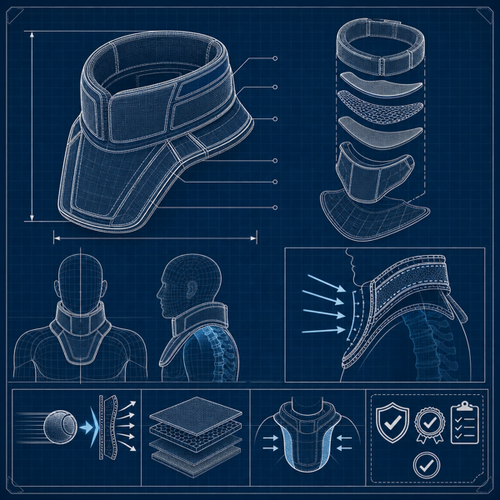
Ice hockey has long been synonymous with high speed and physical intensity, making player safety a consistent priority. In September 2026, a significant step was taken toward enhancing protective measures with the publication of a new international standard, EN ISO 10256-5:2026, dedicated to neck laceration protectors for use in ice hockey. This standard arrives at a time where injury prevention in sports is under increased scrutiny, setting a higher bar for both manufacturers and organizations responsible for player welfare. The release covers an essential addition to personal protective equipment, expanding safety for players, goalkeepers, and referees.
Overview / Introduction
The discipline of Environmental Health Protection and Safety plays a pivotal role in the development of international sports equipment. In high-risk activities such as ice hockey, standards act as the foundation for equipment design, ensuring minimum levels of safety and performance are met globally. The recent update, EN ISO 10256-5:2026, focuses on reducing the risk of potentially severe neck injuries caused by lacerations—primarily from skate blades—through enhanced protective gear specifications.
This article unpacks the key elements, technical requirements, and implementation guidance for the new standard. Professionals in equipment manufacturing, quality assurance, regulatory compliance, procurement, and sports organizations will appreciate the clear directives and best practices outlined herein.
Detailed Standards Coverage
EN ISO 10256-5:2026 - Neck Laceration Protectors for Ice Hockey
Protective equipment for use in ice hockey – Part 5: Neck laceration protectors for use in ice hockey (ISO 10256-5:2026)
The newly released EN ISO 10256-5:2026 specifies comprehensive performance requirements and robust test methods for neck laceration protectors designed for all participants in ice hockey, including players, goalkeepers, and referees. The standard specifically addresses the protective function against lacerations caused by skate blades and not against impacts from pucks, sticks, or other objects. Practical application of this document ensures manufacturers, sports leagues, and safety managers align their equipment with current international safety benchmarks.
Scope and Applications:
- Applicable to all ice hockey participants who wear neck protection, including referees and goalies.
- Emphasizes protection against penetrating forces, notably skate blades, which are a frequent cause of neck lacerations.
- Does not extend to neck protection against blunt force trauma or impact injuries.
Key Requirements and Specifications:
- Types of Neck Laceration Protectors: Clear classification and descriptions of the two main varieties for better product categorization and suitability.
- Ergonomics: Emphasis on comfort, fit, and freedom of movement while ensuring adequate coverage.
- Innocuousness: Mandates non-toxic, skin-friendly materials and prohibits hazardous design elements.
- Coverage: Defines the minimum area of the neck to be protected, including the introduction of a small neck form to accommodate smaller users.
- Protector Stability and Recovery: Establishes test protocols to verify that protectors stay securely in place during play and return to form after use.
- Cut Resistance: Enhanced cut resistance testing and requirements, simulating skate blade threats for real-world relevance.
- Markings and User Information: Detailed labeling, marking, and user guidance to ensure proper usage and traceability.
Notable Changes from Previous Editions:
- Clarified definitions in
Clause 3.2for better understanding and uniformity. - Introduction of a new requirement and test procedure for stability and recovery, enhancing long-term performance.
- Expanded cut resistance verification procedures and more thorough sample preparation.
- Addition of smaller neck forms, extending the range of protectors to accommodate diverse user physiology (including youth and smaller adults).
Key highlights:
- Revised and expanded cut resistance requirements to address real-world skate blade incidents.
- Improved comfort and fit through ergonomic emphasis, including for smaller neck sizes.
- New marking and information guidelines to ensure correct product use and regulatory compliance.
Access the full standard:View EN ISO 10256-5:2026 on iTeh Standards
Industry Impact & Compliance
The publication of EN ISO 10256-5:2026 directly affects manufacturers of ice hockey protective equipment, sports leagues, regulatory authorities, and safety compliance professionals. Adoption of this standard ensures protective gear meets stringent international requirements, giving reassurance to end users and stakeholders alike.
Implications for Businesses and Organizations:
- Manufacturers must update product designs, materials, and production processes to align with new specifications for ergonomics, coverage, materials, and—most critically—cut resistance.
- Procurement specialists for sports leagues and institutions should ensure compliance certificates reference the 2026 version to satisfy regulatory and insurance requirements.
- Regulatory bodies may incorporate the new standard by reference into national and league-specific rules, raising the baseline for equipment that is allowed in sanctioned play.
- Non-compliance can expose organizations to increased liability, risk of legal penalties, or loss of certification for products and facilities.
Compliance Timelines and Strategies:
- Immediate review of existing supplies and stock against updated requirements is recommended.
- Establish clear procurement policies specifying EN ISO 10256-5:2026 for new equipment contracts.
- Implement training for compliance officers and quality managers on the scope and requirements of the new standard.
Benefits of Adoption:
- Enhanced player and referee safety.
- Preserves organizational reputation by demonstrating commitment to world-class health protection and safety practices.
- Reduced risk of severe injuries and associated costs (insurance, medical, lost time).
Risks of Non-Compliance:
- Use of outdated or non-conforming equipment may result in regulatory sanctions.
- Increased liability in the event of player injury.
- Potential exclusion from international or league competitions.
Technical Insights
A close review of EN ISO 10256-5:2026 reveals several technical elements common to evolving standards in environmental health protection and safety for sports applications:
Common Technical Requirements
- Material Performance: Non-toxic, abrasion-resistant, and skin-compatible materials mandatory to prevent allergic reactions or injuries.
- Testing Against Penetrating Forces: Extensive laboratory validation required, simulating real-world threats from skate blades to verify durability and effectiveness.
- Design and Ergonomics: Products must balance protective coverage with comfort and range of motion, reducing risk without hindering athletic performance.
Best Practices for Implementation
- Rigorous Product Development: Implement robust research, development, and testing cycles, referencing the latest standard methods and test apparatus specifications.
- Transparent Supplier Management: Source raw materials and finished products only from certified suppliers with documentation of conformity.
- Comprehensive Documentation: Maintain detailed records of compliance testing, product markings, and user information in line with the standard’s requirements.
- Ongoing Training: Educate product designers, quality teams, and front-line users on both the technical and practical aspects of neck laceration protection.
Testing and Certification Considerations
- Accredited third-party certification is advised to verify compliance.
- Implement periodic re-testing as part of quality assurance, particularly with material or design changes.
- Ensure user documentation and labels are regularly updated to reflect the 2026 requirements and certification status.
Conclusion / Next Steps
The September 2026 publication of EN ISO 10256-5:2026 marks an important milestone in advancing ice hockey safety through international standards. This update reflects the latest research and practical experience in injury prevention, providing greater clarity and protection for players and referees at all levels.
Key takeaways:
- New requirements for cut resistance, ergonomics, and practical coverage significantly improve the effectiveness of neck laceration protectors.
- Clear marking and information practices ensure products are used correctly and confidently.
- Adopting this standard demonstrates professional commitment to health protection and safety, while reducing litigation and compliance risks.
Recommended actions for organizations:
- Review and update all neck protection equipment to meet the new requirements.
- Engage with manufacturing partners and suppliers certified to EN ISO 10256-5:2026.
- Train staff and end users on key requirements and safe usage practices.
For full technical details and to access the official documentation, visit iTeh Standards:
Access the full standard:View EN ISO 10256-5:2026 on iTeh Standards
Stay informed and ensure your organization leads in adopting the latest advancements in sports safety and environmental health protection. Explore more resources and standards at iTeh Standards.
Categories
- Latest News
- New Arrivals
- Generalities
- Services and Management
- Natural Sciences
- Health Care
- Environment
- Metrology and Measurement
- Testing
- Mechanical Systems
- Fluid Systems
- Manufacturing
- Energy and Heat
- Electrical Engineering
- Electronics
- Telecommunications
- Information Technology
- Image Technology
- Precision Mechanics
- Road Vehicles
- Railway Engineering
- Shipbuilding
- Aircraft and Space
- Materials Handling
- Packaging
- Textile and Leather
- Clothing
- Agriculture
- Food technology
- Chemical Technology
- Mining and Minerals
- Petroleum
- Metallurgy
- Wood technology
- Glass and Ceramics
- Rubber and Plastics
- Paper Technology
- Paint Industries
- Construction
- Civil Engineering
- Military Engineering
- Entertainment