


May 2026: New IEC Standard Improves Environmental Safety for Electrotechnical Plastics
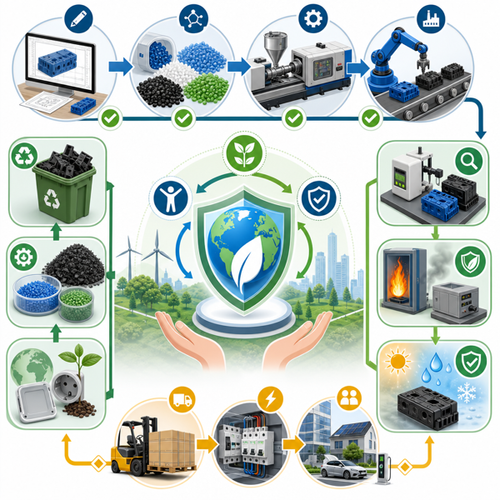
In May 2026, the landscape of environmental protection and product safety in the electrotechnical sector advanced with the release of IEC 62321-14:2026. This new international standard delivers a cutting-edge quantitative test method for detecting short-chain chlorinated paraffins (SCCPs) and medium-chain chlorinated paraffins (MCCPs) in plastics—key substances of concern for industries committed to environmental health, safety, and compliance. As regulators and consumers demand greater accountability, this standard provides practical, reliable guidance for the electronics, electrical goods, and plastics industries.
Overview / Introduction
The electrotechnical industry faces increasing scrutiny over the chemicals used in its products. Substances like SCCPs and MCCPs, which serve as additives in plastics for properties such as flame retardancy and flexibility, have become topics of regulatory focus due to potential risks to human health and the environment. International standards like IEC 62321-14:2026 play a crucial role in enabling manufacturers and suppliers to test and document substance content, ensuring compliance with global regulations and marketplace expectations.
This article provides:
- A comprehensive breakdown of the new standard
- Its technical methodology and requirements
- Practical implementation guidance
- Insights into how this standard will impact industry compliance and best practices
Detailed Standards Coverage
IEC 62321-14:2026 – Determination of SCCPs and MCCPs in Plastics
Determination of certain substances in electrotechnical products – Part 14: Short-chain chlorinated paraffins (SCCPs) and medium-chain chlorinated paraffins (MCCPs) in plastics by gas chromatography-negative chemical ionization-mass spectrometry (GC-NCI-MS)
Scope and Purpose
IEC 62321-14:2026 establishes a robust, standardized test method for determining the presence and concentration of SCCPs (C10–C13) and MCCPs (C14–C17) in the plastics used within electrotechnical products. As both substance groups are facing tightening restrictions, particularly in Europe and Asia, the existence of a harmonized testing protocol is vital for global manufacturers.
This standard details a quantitative procedure based on solvent extraction and gas chromatography-negative chemical ionization-mass spectrometry (GC-NCI-MS), tailored for matrices including acrylonitrile butadiene styrene (ABS) and polyvinyl chloride (PVC). It builds confidence for organizations striving for transparent supply chains and lawful market access.
Key Requirements and Specifications
- Scope: Covers quantitative analysis of SCCPs and MCCPs within ABS and PVC plastics; methodology may be adaptable to other polymers pending further validation.
- Procedure:
- Detailed instructions for sample preparation, including ultrasonic extraction and sulfuric acid clean-up.
- Use of internal standards (such as Lindane) and reference materials of defined chlorination degree.
- Guidance on GC-NCI-MS instrumental parameters, calibration, and selective ion monitoring (SIM) settings.
- Result Calculation: Describes calculation of SCCP and MCCP concentrations, ensuring repeatability and reproducibility, with robust quality assurance and quality control (QA/QC) procedures.
- Application: Designed as a basic environmental horizontal publication, it can be directly referenced by committees responsible for preparing product standards in the field of environmental protection.
Who Should Comply
- Electrical and electronics manufacturers (especially those producing items containing ABS or PVC plastics)
- Plastics suppliers and converters used in the electrotechnical sector
- Laboratories providing third-party testing services
- Regulatory bodies and market surveillance authorities
Practical Implications for Implementation
Due to the complexity of the substances and potential safety and health risks, organizations must ensure their laboratory staff are well-trained in both chemical safety and advanced instrumental analysis. This standard supports:
- Risk mitigation by facilitating the identification of regulated substances
- Easier demonstration of regulatory compliance (e.g., RoHS, REACH)
- Supply chain transparency through reliable documentation of material content
Notable Differences from Previous Approaches
This is the first edition of Part 14 in the IEC 62321 series, introducing a harmonized and validated approach for quantifying SCCPs and MCCPs in plastics via GC-NCI-MS. It addresses increasing global expectations for substance transparency and provides guidance directly aligned with current legislative demands.
Key highlights:
- Standardized, quantitative GC-NCI-MS method for SCCPs/MCCPs
- Clear sample preparation protocols for ABS and PVC
- Enhanced QA/QC to ensure data reliability and legislative compliance
Access the full standard:View IEC 62321-14:2026 on iTeh Standards
Industry Impact & Compliance
For manufacturers and stakeholders in the electrotechnical sector, the release of IEC 62321-14:2026 marks a significant advancement in environmental health and safety compliance. Some of the key impacts include:
- Regulatory Readiness: Adoption of this test method ensures that products are prepared to meet or exceed the regulatory expectations set by governmental bodies, notably in jurisdictions enforcing REACH, RoHS, and similar substance restrictions.
- Risk Management: Early identification and quantification of SCCPs and MCCPs reduce the risk of recalls, fines, and reputational damage resulting from non-compliance or hazardous substance content.
- Supply Chain Confidence: Third-party laboratories and suppliers referencing this standardized method facilitate greater trust and traceability across complex, global supply chains.
- Timeline for Compliance: While the standard provides immediate value, organizations should check regional market entry deadlines to align their testing regimes and documentation. Transitioning to this method proactively can avoid compliance gaps as regulations evolve.
Benefits of Adopting the Standard
- Consistency and Repeatability: Laboratories worldwide follow identical procedures, improving the comparability of results.
- Documentation: Transparent test reporting streamlines market surveillance and client audits.
- Market Access: Conformance supports product registrations in environmentally sensitive regions.
Risks of Non-Compliance
- Legal Exposure: Failure to identify and report SCCPs/MCCPs risks enforcement actions.
- Brand Damage: Environmental missteps can rapidly erode customer trust and loyalty.
- Lost Business: Suppliers unable to demonstrate compliance may be excluded from global B2B contracts.
Technical Insights
Common Technical Requirements
- Sample Preparation: Proper disassembly, cutting, and homogenization of plastic matrices in accordance with IEC 62321-2 is vital to ensure accuracy.
- Solvent Extraction Protocols: ABS and PVC require ultrasonic extraction with toluene or alternative protocols to ensure thorough analyte recovery.
- Internal Standards and Reference Materials: Use of Lindane as an internal standard and certified SCCPs/MCCPs calibration solutions is required for method integrity.
- Instrumental Conditions: The GC-NCI-MS setup, including selective ion monitoring and operating temperatures, must be validated as per the parameters in Annex A of the standard.
Best Practices for Implementation
- Training: Analytical chemists must be trained in GC-NCI-MS and chemical safety.
- QA/QC Procedures: Implementation of rigorous performance checks, method detection limit (MDL) calculations, and interlaboratory comparisons.
- Method Documentation: Carefully record all aspects of sample handling, preparation, and instrumental analysis to ensure traceability.
- Continual Monitoring: Stay up-to-date on revisions to the main IEC 62321 series and technical advancements in GC-MS methods.
Testing and Certification Considerations
- Third-Party Laboratory Accreditation: Ensure laboratories are accredited to relevant ISO/IEC standards.
- Calibration and Standardization: Regular calibration using commercial SCCPs/MCCPs reference materials.
- Reporting and Traceability: Detailed reporting supports regulatory filings and product certifications.
Conclusion / Next Steps
The publication of IEC 62321-14:2026 in May 2026 delivers an essential tool for the electronics industry and its supply chain partners to address substance risks and regulatory mandates. Organizations are encouraged to:
- Review their current testing protocols and align with the new standard
- Train laboratory and compliance staff in the application of GC-NCI-MS for SCCPs/MCCPs
- Engage with trusted laboratories or accredit their own facilities
- Monitor ongoing developments within the IEC 62321 series for additional updates
By integrating this standard, businesses will not only strengthen compliance but enhance product safety, market reputation, and environmental stewardship.
Ready to ensure your plastics are compliant, safe, and market-ready? Access IEC 62321-14:2026 directly on iTeh Standards or explore our complete library of environment and health protection standards today.
Categories
- Latest News
- New Arrivals
- Generalities
- Services and Management
- Natural Sciences
- Health Care
- Environment
- Metrology and Measurement
- Testing
- Mechanical Systems
- Fluid Systems
- Manufacturing
- Energy and Heat
- Electrical Engineering
- Electronics
- Telecommunications
- Information Technology
- Image Technology
- Precision Mechanics
- Road Vehicles
- Railway Engineering
- Shipbuilding
- Aircraft and Space
- Materials Handling
- Packaging
- Textile and Leather
- Clothing
- Agriculture
- Food technology
- Chemical Technology
- Mining and Minerals
- Petroleum
- Metallurgy
- Wood technology
- Glass and Ceramics
- Rubber and Plastics
- Paper Technology
- Paint Industries
- Construction
- Civil Engineering
- Military Engineering
- Entertainment