


August 2026: New Standards for Underground Gas Storage in Petroleum and Energy Technologies
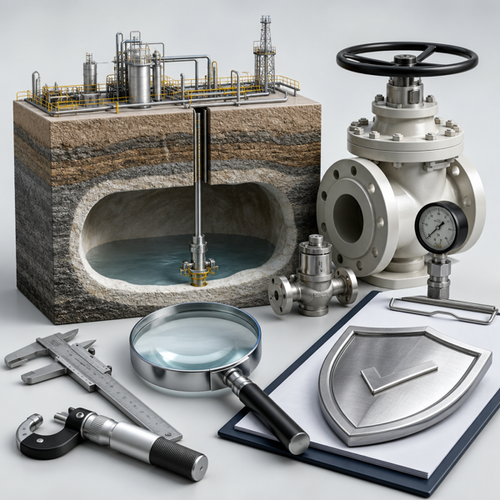
The landscape of underground gas storage is evolving rapidly to meet energy diversification, safety, and environmental sustainability objectives. In August 2026, five significant standards were published within the FprEN 1918 series under Petroleum and Energy Technologies. These standards introduce comprehensive functional recommendations for a variety of underground gas storage (UGS) types and their surface facilities, responding to industry demands for safer, more reliable, and more environmentally responsible operations.
For professionals involved in design, construction, operation, or regulatory oversight of gas infrastructure, these standards offer clarity and direction across the full facility lifecycle. Here’s an expert breakdown of the five standards and why their adoption will be critical in modern energy systems.
Overview / Introduction
Underground gas storage is fundamental to energy security, system balancing, and the integration of renewable gases. The Petroleum and Energy Technologies sector is under increasing scrutiny to ensure storage operations not only meet supply needs but also uphold stringent safety and environmental practices.
Standards in this arena underpin:
- The safe handling and containment of flammable gases and hydrogen
- Environmental protection—particularly regarding emissions and groundwater integrity
- Long-term operability and cost-efficiency of complex storage sites
In this article, you’ll find clear explanations of the new FprEN 1918 standards, implementation guidance, and their broader impact on the industry. Whether you are planning new UGS installations, converting existing facilities, or ensuring ongoing compliance, these standards will play a pivotal role in your operational toolkit.
Detailed Standards Coverage
FprEN 1918-1 – Functional Recommendations for Storage in Aquifers
Gas infrastructure – Underground gas storage – Part 1: Functional recommendations for storage in aquifers
This standard provides detailed functional recommendations for the design, construction, testing, commissioning, operation, maintenance, and abandonment of UGS facilities in aquifers—subterranean, water-bearing rock formations commonly used for gas and hydrogen storage. It applies to systems up to and including the wellhead and addresses a wide range of gases including natural gas, biomethane, synthetic methane, hydrogen, and select liquid hydrocarbons under subsurface conditions.
Key requirements focus on:
- Geological characterization and modelling to ensure caprock integrity
- Maximum operating pressure determination to prevent leaks and ensure containment
- Comprehensive environmental conservation measures, especially methane emission management
- Monitoring systems for storage reservoir, wells, and connected aquifers
- Health, safety, and environmental (HSE) programs and emergency procedures
- Adaptation of infrastructure and response plans for evolving climate risks
This standard impacts storage operators, energy utilities, design consultants, and regulatory agencies responsible for approving and overseeing aquifer UGS projects. The 2026 edition introduces updates aligned with the latest EU regulations and sustainability objectives.
Key highlights:
- Advanced guidance for the full facility lifecycle, including abandonment
- Focus on monitoring, methane emissions, and HSE alignment
- Not applicable retrospectively, but essential for major conversions due to gas composition changes
Access the full standard:View FprEN 1918-1 on iTeh Standards
FprEN 1918-2 – Functional Recommendations for Storage in Oil and Gas Fields
Gas infrastructure – Underground gas storage – Part 2: Functional recommendations for storage in oil and gas fields
Targeting UGS projects that utilize depleted or active oil and gas reservoirs, this standard shares a similar structure to Part 1 but is tailored to the unique risks and technical requirements of hydrocarbon fields. It encompasses guidelines for all lifecycle phases—from initial design through abandonment—focused exclusively up to the wellhead.
Key elements include:
- Field description and in-depth reservoir behaviour modelling
- Management of both recoverable and non-recoverable cushion gas volumes
- Risk-based approach to containment and the management of fluids, including hydrocarbon mixes
- Enhanced measures for environmental stewardship and methane containment
- Detailed protocols for well location, equipment, and corrosion protection
Applicable to energy operators, conversion project managers, and multi-fuel storage facility designers, this standard is critical for those transitioning oil and gas fields to gas and hydrogen storage.
Key highlights:
- Functional recommendations tailored to the geotechnical and operational specifics of oil/gas fields
- Robust environmental and safety protocols, including climate adaptation
- Suitable for new projects and major field conversions
Access the full standard:View FprEN 1918-2 on iTeh Standards
FprEN 1918-3 – Functional Recommendations for Storage in Solution-Mined Salt Caverns
Gas infrastructure – Underground gas storage – Part 3: Functional recommendations for storage in solution-mined salt caverns
Storage in salt caverns offers high withdrawal rates and flexible operation, making this standard particularly relevant to system operators managing rapid-demand fluctuations or supporting renewable integration. This edition provides comprehensive best practices for all project phases in UGS facilities exploiting salt strata via solution mining.
It details:
- Geological assessment and cavern design, including leaching and cavity shape controls
- Pressure management, including specific limits for mechanical integrity and cavern stability
- Monitoring strategies for cavern stability, brine management, and emissions
- Operational procedures for injection, withdrawal, and safety management
- Abandonment practices to reduce long-term environmental risk
Energy infrastructure developers, technical consultants, and site managers will draw particular value from the nuanced requirements for brine handling and the management of cyclic operational stresses typical in salt cavern systems.
Key highlights:
- Updated guidance on brine management and cavern stability monitoring
- Explicit focus on safe operation with hydrogen, biomethane, and synthetic gases
- Encourages adaptation to changing gas blends and market needs
Access the full standard:View FprEN 1918-3 on iTeh Standards
FprEN 1918-4 – Functional Recommendations for Storage in Rock Caverns
Gas infrastructure – Underground gas storage – Part 4: Functional recommendations for storage in rock caverns
This part addresses storage facilities developed via mining into competent rock formations (such as granite or gneiss). The standard lays out comprehensive recommendations across the full lifecycle, reflecting the particular challenges of stability, lining systems, and multi-gas operation in such environments.
Key topics tackled:
- Unlined versus lined cavern construction and material selection
- Detailed geological exploration and storage containment strategies
- Monitoring for operating parameters, inventory management, and cavern integrity
- Stringent HSE management, including emergency and adaptation plans
- End-of-life practices to ensure site safety and environmental protection
Relevant for oil and gas companies, engineering design houses, and contractors engaged in rock-based UGS developments, the standard also stresses the importance of continuous stability assessment and modern corrosion monitoring technologies.
Key highlights:
- Differentiation of lined and unlined cavern approaches
- Advanced recommendations for monitoring and safety management
- Adaptation for conversions to alternative gas storage, including hydrogen
Access the full standard:View FprEN 1918-4 on iTeh Standards
FprEN 1918-5 – Functional Recommendations for Surface Facilities
Gas infrastructure – Underground gas storage – Part 5: Functional recommendations for surface facilities
Expanding beyond the subsurface focus of the previous parts, Part 5 provides detailed recommendations for surface facilities—spanning the systems situated between the wellhead and the connection to the gas transmission grid. This includes injection, withdrawal, conditioning, compression, separation, and monitoring facilities.
The standard details:
- Core engineering, process, and safety requirements for surface handling equipment
- Gas analysis and metering, control and automation, and corrosion protection
- Environmental conservation practices with specific methane and gas emission control measures
- Adaptation guidelines for climate trends and emergency preparedness
- Site abandonment and post-operation safety
This part serves project engineers, maintenance managers, process control teams, and compliance auditors, ensuring integrated operation between underground storage and broader gas infrastructure.
Key highlights:
- Complete guidance for the design and operation of all surface installations
- Strong emphasis on emission monitoring and leak prevention
- Comprehensive approach to safety design, process control, and contingency planning
Access the full standard:View FprEN 1918-5 on iTeh Standards
Industry Impact & Compliance
The introduction of these FprEN 1918 standards represents a substantial advancement in the governance of underground gas storage. Organizations in the Petroleum and Energy Technologies sector must take note of the following:
- Compliance Requirements: While not intended to apply retrospectively, these standards set the benchmark for all new UGS projects and for major conversions—particularly where gas composition changes (e.g., addition of hydrogen or biomethane) or significant facility modifications occur.
- Timeline: Adoption should be prioritized for projects initiated from August 2026 onward. Existing operations considering upgrades must assess the implications of these standards in coordination with regulators.
- Business Benefits: Enhanced operational safety, minimized environmental risk (especially regarding methane emissions), and alignment with EU and international directives on gas system integrity and security of supply.
- Risk Management: Non-compliance could expose operators to regulatory intervention, increased liability, and reputational damage in case of incidents or environmental breaches.
Technical Insights
Common technical requirements across these standards include:
- Robust geological and risk assessments for every storage type and site
- Pressure management and containment to prevent migration of gas or loss of integrity
- Comprehensive monitoring and automation (real-time data acquisition, emissions sensing, and operational diagnostics)
- Emphasis on HSE and emergency planning, integrating lessons from past incidents and new climate risk scenarios
- Testing, commissioning, and regular inspections supported by defined maintenance cycles and end-of-life procedures
Implementation best practices:
- Engage multidisciplinary teams during project inception (including geologists, process engineers, HSE experts, and compliance officers).
- Adopt digital monitoring and control platforms for continuous safety and performance oversight.
- Foster transparent reporting and periodic reviews to adapt to evolving regulatory and market trends.
- Implement operator training and regular simulation drills in emergency response and environmental protection.
Testing and certification:
- All processes (from design to abandonment) should be independently verified and validated by accredited bodies.
- Performance and leak testing protocols must be rigorously documented—especially important for new hydrogen and low-carbon gas storage projects.
Conclusion / Next Steps
The August 2026 update of the FprEN 1918 series marks a new era for safer, cleaner, and more efficient underground gas storage within Petroleum and Energy Technologies. With increasingly diverse gases being injected into Europe's energy systems, these standards provide the essential foundation for future-ready infrastructure.
Key takeaways:
- The five standards address aquifer storage, oil and gas fields, salt caverns, rock caverns, and surface facilities.
- They deliver strategic, technical, and operational guidance from initial planning to decommissioning.
- Adopting these standards supports compliance, HSE best practices, and a smooth transition to hydrogen-inclusive supply chains.
Recommendations:
- Audit your current and planned UGS projects against the August 2026 FprEN 1918 requirements.
- Invest in updated training and digital operations tools aligned with the standards.
- Stay connected to iTeh Standards for the latest documentation, implementation resources, and regulatory updates.
Safeguard your operations, demonstrate compliance, and help shape a sustainable energy future—start exploring and implementing the new FprEN 1918 standards today.
Categories
- Latest News
- New Arrivals
- Generalities
- Services and Management
- Natural Sciences
- Health Care
- Environment
- Metrology and Measurement
- Testing
- Mechanical Systems
- Fluid Systems
- Manufacturing
- Energy and Heat
- Electrical Engineering
- Electronics
- Telecommunications
- Information Technology
- Image Technology
- Precision Mechanics
- Road Vehicles
- Railway Engineering
- Shipbuilding
- Aircraft and Space
- Materials Handling
- Packaging
- Textile and Leather
- Clothing
- Agriculture
- Food technology
- Chemical Technology
- Mining and Minerals
- Petroleum
- Metallurgy
- Wood technology
- Glass and Ceramics
- Rubber and Plastics
- Paper Technology
- Paint Industries
- Construction
- Civil Engineering
- Military Engineering
- Entertainment