


Crucial Safety Standards for Commercial Vehicle Tanks: Design and Equipment Explained
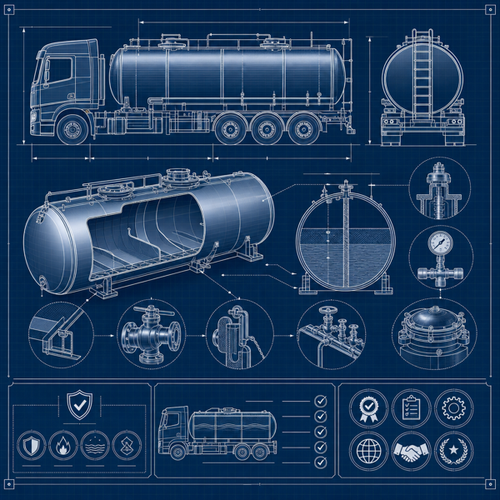
Transporting dangerous goods by road is a critical operation for industries worldwide. Commercial vehicles, especially those designed to carry hazardous materials, require adherence to meticulous safety, resilience, and design criteria. Two leading standards—SIST EN 14025:2024/AC:2025 and SIST EN 14512:2007—underpin these practices, shaping a secure and efficient environment across Europe. Whether you're a fleet owner, a logistics manager, or simply interested in public safety, understanding these commercial vehicle standards is crucial for modern business productivity, regulatory compliance, and scalable operations.
Overview
In the dynamic sector of road vehicles—particularly those transporting hazardous goods—reliability, safety, and adherence to legal frameworks are paramount. Commercial vehicle fleets underpin global supply chains, and compromises can result in catastrophic incidents, costly penalties, and damaged reputations. This article explores two cornerstone standards that guide the design and equipment of tank vehicles carrying dangerous substances, offering both technical and practical insights. Through accessible explanations, you'll learn what each standard covers, its key requirements, and why integrating these specifications can elevate your business’s safety profile and operational efficiency.
After reading, you’ll understand:
- The coverage and relevance of the latest European standards for commercial tank vehicles
- How these standards drive safety, legal compliance, and scalable business growth
- Practical implications of implementation, boosting security and productivity
Detailed Standards Coverage
SIST EN 14025:2024/AC:2025 - Safety and Design of Metallic Pressure Tanks
Full Standard Title: Tanks for the transport of dangerous goods – Metallic pressure tanks – Design and construction
Scope and Coverage: This standard establishes the engineering, construction, and safety requirements for metallic pressure tanks fitted on commercial vehicles transporting dangerous goods by road. It outlines uniform criteria for the structural design, materials selection, fabrication methods, and essential testing for pressure tanks, enabling consistent safety and performance across Europe. The standard applies to all European manufacturers, fleet operators, and organizations involved in the design or operation of these tank vehicles.
Key Requirements & Specifications:
- Robust Design Parameters: Details comprehensive requirements for tank strength calculations, corrosion allowance, and resistance to mechanical impact, ensuring tanks withstand both static pressure and dynamic road stresses.
- Approved Materials: Specifies selection criteria for metals and joint types, enforcing the use of certified materials and welding techniques suitable for hazardous goods containment.
- Inspection and Testing: Requires non-destructive testing, including hydraulic and pneumatic pressure tests, as well as inspection of weld seams, to ensure long-term tank integrity.
- Documentation & Marking: Imposes strict marks and documentation detailing the tank’s design, manufacturing batch, and test results, simplifying regulatory checks and in-field operational traceability.
- Life-Cycle Considerations: Addresses both initial certification and ongoing periodic inspections to maintain safety throughout the equipment’s lifespan.
Who Needs To Comply:
- Commercial tank manufacturers and vehicle converters
- Companies operating fleets for dangerous goods logistics
- Inspection bodies and certification agencies
Practical Implications: Adhering to SIST EN 14025:2024/AC:2025 isn’t just about compliance—it’s an investment in operational safety and brand reliability. Companies can minimize downtime, enhance driver and public security, and satisfy regulatory audits efficiently. Integrating these requirements boosts competitiveness when bidding for contracts or seeking insurance.
Key highlights:
- Ensures unified European safety benchmarks for pressure tank vehicles
- Supports scalable, compliant fleet expansion
- Reduces maintenance risks and potential for hazardous accidents
Access the full standard:View SIST EN 14025:2024/AC:2025 on iTeh Standards
SIST EN 14512:2007 - Equipment Requirements: Hinged Manhole Covers and Neckrings
Full Standard Title: Tanks for the transport of dangerous goods – Tank equipment for the transport of liquid chemicals – Hinged manhole covers and neckrings with pivoting bolts
Scope and Coverage: SIST EN 14512:2007 provides comprehensive requirements for the design, manufacture, and maintenance of hinged manhole covers and neckrings equipped with pivoting bolts. These essential tank accessories are vital for the secure containments and controlled access to tank interiors, particularly for liquid chemical transport where pressure and chemical resistance are non-negotiable.
Technical and Safety Requirements:
- Design & Materials: Standardizes dimensions, strength, and chemical compatibility of manhole covers and neckrings, ensuring reliable sealing under dynamic transport conditions.
- Bolting Mechanisms: Defines specifications for pivoting bolts, preventing accidental opening and leaking, even under vibration or pressure variation.
- Pressure & Functionality Tests: Mandates hydraulic and pneumatic function testing to verify leak tightness and mechanical robustness for working pressures above 50 kPa.
- Operational Safety: Requires clear marking for easy identification, plus detailed installation and operation instructions, enhancing routine safety checks and emergency responses.
Marking & Traceability: Each equipment piece must be distinctly marked, aiding maintenance teams in quick identification and inventory traceability—a critical aspect for large-scale fleet management.
Target Industries:
- Tank builders and tank equipment suppliers
- Commercial fleet operators and chemical transport companies
- Maintenance and repair service providers
Implementation Impact: Complying with SIST EN 14512:2007 secures worker and environmental safety by minimizing leak or spillage risks. Superior component standards also extend the operational life of commercial tank vehicles, supporting business continuity and eco-responsible logistics.
Key highlights:
- Guarantees leak-proof chemical containment during road and rail transport
- Streamlines maintenance and emergency access procedures
- Aligns with European dangerous goods regulations (ADR/RID)
Access the full standard:View SIST EN 14512:2007 on iTeh Standards
Industry Impact & Compliance
How These Standards Benefit Businesses
Adhering to robust standards in commercial vehicle operations is not just a legal requirement—it's a strategic advantage. With ever-increasing scrutiny on safety, environmental protection, and cargo integrity, compliance delivers tangible benefits:
- Enhanced Productivity: Reliable design and equipment minimize vehicle downtime, ensuring uninterrupted delivery cycles.
- Improved Security: Structural and operational safeguards protect against leaks and accidents, safeguarding drivers, loads, and communities.
- Scalable Operations: Harmonized European requirements simplify expansion and cross-border logistics, enabling companies to grow without complex adaptations for local laws.
- Market Trust: Certification signals professionalism, boosting your reputation with clients, regulators, and insurance providers.
Key Compliance Considerations
- Documentation: Always retain comprehensive records of tank and equipment certifications, test results, and periodic inspection logs.
- Training: Ensure operational and maintenance staff are familiar with standard requirements and emergency protocols.
- Regulatory Audits: Prepare proactively for audits by maintaining accessible documentation and clearly marked equipment.
- Continuous Improvement: Integrate new revisions and technical updates into your operational policies and procurement processes.
Implementation Guidance
Steps to Effective Standard Adoption
- Gap Assessment: Evaluate existing fleet and equipment against current standards to identify shortfalls.
- Supplier Engagement: Source tanks, tankers, and equipment from certified manufacturers adhering to SIST EN 14025:2024/AC:2025 and SIST EN 14512:2007.
- Staff Training: Develop comprehensive, role-based training for drivers, maintenance staff, and safety managers on new equipment and protocols.
- Inspection Routines: Schedule regular testing, as specified, utilizing non-destructive methods and following the proper pressure and function test procedures.
- Recordkeeping: Use digital tools for real-time documentation of compliance, making data available for audits and incident response.
- Monitoring & Audits: Periodically review operational data, incident logs, and revise procedures in line with new standard updates or observed trends.
Best Practices
- Implement Preventive Maintenance: Regularly inspect tank surfaces, welds, manhole covers, and bolting mechanisms.
- Stay Updated: Monitor updates to EN and SIST standards relevant to new vehicle models or evolving chemical transport requirements.
- Engage with Certification Bodies: Facilitate third-party inspections and certifications to reinforce compliance credibility.
Helpful Resources
- iTeh Standards Online Platform: Access up-to-date versions, guidance notes, and additional sector standards.
- Industry Associations: Participate in knowledge exchanges (e.g., CEN/TC 296) to stay ahead on best practices.
- Technical Forums: Engage with other commercial fleet operators and engineers to solve practical challenges collaboratively.
Conclusion & Next Steps
The safe and efficient transportation of dangerous goods is non-negotiable in today’s interconnected economy. Implementing and maintaining compliance with SIST EN 14025:2024/AC:2025 and SIST EN 14512:2007 not only ensures legal conformity but also fundamentally strengthens your business’s resilience, credibility, and growth prospects. These standards are dynamic tools—integrate them with digital recordkeeping, ongoing training, and proactive maintenance to unlock superior productivity, safety, and scalability in your commercial operations.
Explore the full details of these standards on iTeh Standards, consult with certified suppliers, and stay updated with the latest regulatory developments to future-proof your fleet and operations.
Categories
- Latest News
- New Arrivals
- Generalities
- Services and Management
- Natural Sciences
- Health Care
- Environment
- Metrology and Measurement
- Testing
- Mechanical Systems
- Fluid Systems
- Manufacturing
- Energy and Heat
- Electrical Engineering
- Electronics
- Telecommunications
- Information Technology
- Image Technology
- Precision Mechanics
- Road Vehicles
- Railway Engineering
- Shipbuilding
- Aircraft and Space
- Materials Handling
- Packaging
- Textile and Leather
- Clothing
- Agriculture
- Food technology
- Chemical Technology
- Mining and Minerals
- Petroleum
- Metallurgy
- Wood technology
- Glass and Ceramics
- Rubber and Plastics
- Paper Technology
- Paint Industries
- Construction
- Civil Engineering
- Military Engineering
- Entertainment