


May 2026: New Standard for Fibre Optic Device Testing in Telecom and AV Engineering
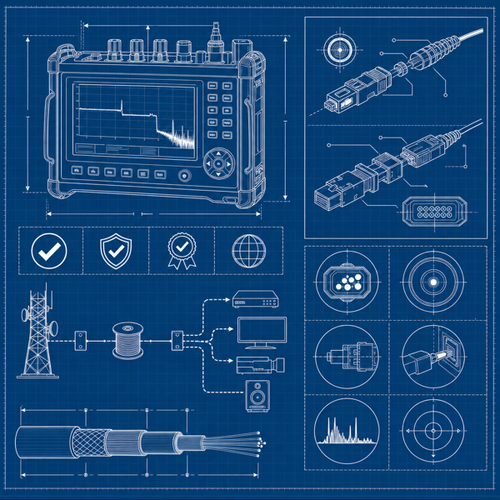
In May 2026, the Telecommunications, Audio, and Video Engineering sector receives a significant update with the publication of a new standard that will set the benchmark for testing and maintaining fibre optic interconnections. EN IEC 61300-2-33:2026 brings comprehensive procedures and requirements, marking a critical shift in how assembly and disassembly of fibre optic devices are assessed for reliability and longevity. This update affects anyone designing, installing, or maintaining modern telecom and audio-visual networks—and its impact is set to resonate across the industry.
Overview
Fibre optic technology is the backbone of modern telecommunications and professional audio/video systems. Maintaining the integrity of these high-speed networks relies on robust interconnecting devices and passive components that can endure repeated connection cycles and environmental stresses. Industry standards play a vital role in ensuring interoperability, quality, and network uptime by offering clear, practical guidelines for manufacturers, installers, and service providers.
In this article, you’ll learn about:
- The new requirements introduced in May 2026 for fibre optic device assembly and disassembly
- Practical impacts and benefits for telecom and audio/video professionals
- Best practices for implementation and compliance
Detailed Standards Coverage
EN IEC 61300-2-33:2026 - Assembly and Disassembly of Fibre Optic Mechanical Splices, Fibre Management Systems, Protective Housings, and Hardened Connectors
Fibre optic interconnecting devices and passive components – Basic test and measurement procedures – Part 2-33: Tests – Assembly and disassembly of fibre optic mechanical splices, fibre management systems, protective housings and hardened connectors
This European and international standard specifies laboratory testing methods to evaluate the behaviour and reliability of critical fibre optic components, particularly when subjected to repeated assembly and disassembly. It is tailored for:
- Fibre optic mechanical splices
- Fibre management systems
- Protective housings
- Hardened connectors
Scope and Key Requirements
The standard introduces rigorous procedures that simulate real-life usage, such as repeated installations, interventions, and reconfigurations. This is vital for network segments where equipment may be frequently accessed or reconfigured over a long operational life—such as fibre distribution frames, outdoor cabinets, and high-density data centers.
Key test aspects include:
- Reinstallation Capability: Verifies if mechanical splices can be reliably reused after disassembly, maintaining optical performance and mechanical integrity.
- Reintroduction and Reconfiguration: Ensures fibre management systems and protective housings allow easy access for intervention or upgrades, without disrupting transmission in adjacent fibre circuits.
- Sealing Performance: Assesses the durability of sealing for both housings and hardened connectors under frequent opening, closing, mating, and demating cycles—an essential point for outdoor and harsh environment applications.
Notable Technical Changes in the 2026 Edition
This fourth edition represents a significant technical revision from the previous version (2012). Updates include:
- Updated terms and definitions from IEC 61753-1:2018 and IEC 61756-1:2019, providing better clarity and alignment with current industry language.
- Revised test severities in accordance with the latest IEC 61753-1:2018, raising the bar for durability and performance assurance.
- New Procedure D: Adds a specific protocol for verifying sealing performance after frequent use of hardened connectors, directly addressing field reliability concerns in rugged deployment scenarios.
Who Should Comply?
- Manufacturers of fibre optic connectors, splices, and accessories
- Providers of management systems and protective housings
- Network operators and installers for telecommunications and AV infrastructures
- Compliance and quality managers ensuring long-term environmental robustness
Practical Implementation Insights
Adopting EN IEC 61300-2-33:2026 provides organisations with confidence that their fibre optic components are robust against the stresses of repeated assembly, disassembly, and reconfiguration. This is especially critical for large, modular network builds, agile re-provisioning of data centers, as well as public and industrial outdoor fibre deployments.
Key highlights:
- Simulates real-world wear and stress on fibre optic interconnections for greater reliability
- Strengthens sealing and environmental integrity with new test procedures for hardened connectors
- Supports lifecycle management by confirming that components can reliably withstand multiple interventions without performance loss
Access the full standard:View EN IEC 61300-2-33:2026 on iTeh Standards
Industry Impact & Compliance
The introduction of EN IEC 61300-2-33:2026 is poised to enhance the reliability and serviceability of telecommunications and audio/video networks. By establishing concrete procedures for repeated assembly/disassembly, the standard helps ensure:
- Reduced downtime: Operators can perform maintenance or upgrades without risking adjacent circuit performance.
- Increased service life: Products built and tested to this standard withstand multiple intervention cycles, reducing need for premature replacements.
- Greater market assurance: Adoption indicates compliance with international best practices, supporting procurement and tender processes.
Compliance Considerations
- Implementation deadlines are typically set for one year after publication, allowing manufacturers and operators time to align processes and products.
- Regular auditing and documentation are recommended; proof of compliance can cover design validation, product testing, and supplier management.
- Non-compliance may result in higher maintenance costs, unexpected failures, customer dissatisfaction, or ineligible products for regulated markets.
Benefits of adopting this standard:
- Enhanced network robustness and reliability
- Lower long-term operational costs
- Improved product differentiation and customer trust
Technical Insights
Common Technical Requirements
EN IEC 61300-2-33:2026 stipulates:
- Defined assembly/disassembly cycles and severity levels tailored to expected operating environments (see Table 2 of the standard)
- Optical stability requirements during intervention; any reconfiguration must not cause unacceptable attenuation or crosstalk
- Sealing performance metrics for protective housings and hardened connectors, including after repeated manipulation
- Ageing procedures to simulate long-term effects and guarantee ongoing compliance
Implementation Best Practices
- Establish robust test regimes: Integrate the new methodologies into existing type and routine testing programs
- Train field personnel: Ensure installers and technicians are familiar with best practices for assembly/disassembly, preserving component integrity
- Document every intervention: Maintain records of service activities and component cycles, aiding in lifecycle management and audits
Testing and Certification
- Laboratories and quality departments should align their procedures and equipment with the specifics of the new standard.
- Certification to EN IEC 61300-2-33:2026 can serve as a differentiator for vendors supplying fibre interconnect solutions into regulated, mission-critical markets.
Conclusion / Next Steps
The May 2026 release of EN IEC 61300-2-33:2026 sets a new global benchmark for the testing and qualification of fibre optic connecting devices and passive components. Telecom and AV industry organisations should:
- Review their current product and process alignment against the new standard’s requirements
- Update internal test protocols, purchasing criteria, and staff training procedures
- Engage with standards platforms like iTeh Standards to access the full documentation and maintain up-to-date compliance
Adopting and implementing EN IEC 61300-2-33:2026 positions firms at the forefront of reliability, safety, and performance in a fast-evolving digital infrastructure landscape.
Explore the complete standard and stay current with all Telecommunications, Audio, and Video Engineering updates on iTeh Standards.
Categories
- Latest News
- New Arrivals
- Generalities
- Services and Management
- Natural Sciences
- Health Care
- Environment
- Metrology and Measurement
- Testing
- Mechanical Systems
- Fluid Systems
- Manufacturing
- Energy and Heat
- Electrical Engineering
- Electronics
- Telecommunications
- Information Technology
- Image Technology
- Precision Mechanics
- Road Vehicles
- Railway Engineering
- Shipbuilding
- Aircraft and Space
- Materials Handling
- Packaging
- Textile and Leather
- Clothing
- Agriculture
- Food technology
- Chemical Technology
- Mining and Minerals
- Petroleum
- Metallurgy
- Wood technology
- Glass and Ceramics
- Rubber and Plastics
- Paper Technology
- Paint Industries
- Construction
- Civil Engineering
- Military Engineering
- Entertainment