


Understanding Textile Colour Fastness Standards: A Practical Guide to Quality and Compliance
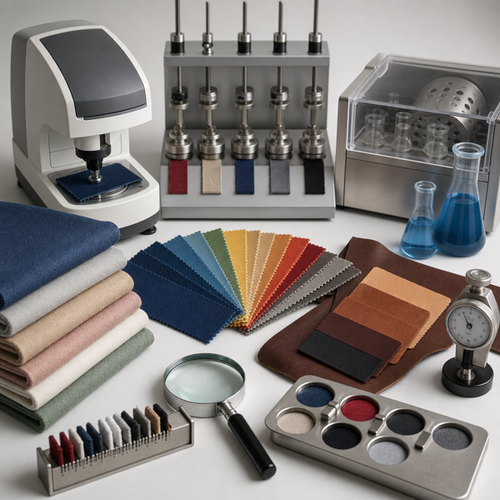
In today’s fast-paced textile and leather industry, maintaining the highest levels of quality, durability, and customer satisfaction is crucial for business growth and sustainability. Textile standards—especially those for colour fastness—have become indispensable, ensuring products withstand real-world use while meeting global market expectations. This article offers a practical, easy-to-understand overview of four foundational textile and leather standards, highlighting how their implementation can boost productivity, improve product consistency, enhance security (in terms of brand reputation and product liability), and enable seamless scaling for businesses of any size.
Overview / Introduction
Textiles are integral to daily life, spanning clothing, home furnishings, technical fabrics, and industrial applications. The value and longevity of textile products are closely linked to their appearance and performance—particularly their resistance to fading, staining, or deformation. International standards are at the core of achieving and demonstrating reliable textile quality. For businesses—ranging from fashion brands to industrial textiles, laundries, and specialist suppliers—adhering to well-established specifications for textile colour fastness directly translates into enhanced competitiveness, fewer returns, and stronger consumer trust.
In this article, you’ll discover:
- What each international colour fastness standard covers
- Key testing requirements and why they matter
- Industry best practices for compliance
- How these standards benefit productivity and market access
- Practical steps for adopting textile standards at your organization
Whether you’re a manufacturer looking to enter new markets, a retailer checking supply chain quality, or simply interested in how textiles are tested for reliability, this guide delivers the insights you need.
Detailed Standards Coverage
SIST EN ISO 105-A01:1996 - General Principles of Colour Fastness Testing
Textiles – Tests for colour fastness – Part A01: General principles of testing (ISO 105-A01:1994)
This foundational standard establishes the basic concepts that underpin all colour fastness testing in the textile industry. It describes general principles, definitions, and test procedures that ensure results are reproducible and meaningful across the global supply chain.
The scope of SIST EN ISO 105-A01:1996 includes:
- Framework for standardizing all colour fastness test methods
- Guidelines for test specimen preparation, test environment, and reporting
- Harmonized terminology to support unambiguous communication among stakeholders
Key requirements:
- Consistent preparation of textile test samples
- Defined atmospheric and procedural parameters
- Reporting protocols for results interpretation
Who needs this standard?
- All textile manufacturers, laboratories, quality control units, and suppliers involved in producing or testing dyed, printed, or finished fabrics.
Practical implications include a streamlined testing workflow, minimized errors, and readiness for specific fastness tests (like to light or washing).
Key highlights:
- Provides the backbone for all subsequent colour fastness tests
- Defines environmental controls crucial for test accuracy
- Ensures comparability of results between different labs or suppliers
Access the full standard:View SIST EN ISO 105-A01:1996 on iTeh Standards
SIST EN ISO 105-B02:1999 - Colour Fastness to Artificial Light (Xenon Arc Fading Lamp Test)
Textiles – Tests for colour fastness – Part B02: Colour fastness to artificial light: Xenon arc fading lamp test (ISO 105-B02:1994, including amendment 1:1998)
SIST EN ISO 105-B02:1999 is the benchmark for evaluating how textile colours hold up when exposed to artificial light. Using xenon arc lamps that mimic natural daylight, this standard helps predict how easily fabrics might fade in store displays, domestic interiors, or outdoor applications.
Scope and purpose:
- Covers testing of all textile types (dyed, printed, bleached, or optically brightened) for resistance to daylight-equivalent artificial light.
- Simulates real-world fading scenarios, using blue wool references to provide objective benchmarking.
- Ensures consistent results regardless of where or how the test is performed, thanks to strict apparatus and humidity controls.
Specifications and requirements:
- Exposure of test specimens alongside blue wool references in a xenon arc lamp apparatus.
- Control of temperature, humidity, and light intensity to mirror natural conditions.
- Assessment of colour change using internationally accepted grey scales.
Who should use this standard?
- Apparel and home textiles manufacturers
- Furnishing and automotive textile suppliers
- Testing laboratories with a focus on colour durability
- Retailers and brands promising lasting product quality
By implementing this xenon arc lightfastness test, companies can proactively manage claims about product durability and meet legal or labeling requirements for both domestic and export markets.
Key highlights:
- Highly repeatable method for assessing fading from daylight
- Applicable to all types of textiles, including optically brightened whites
- Supports global trade with harmonized reference materials
Access the full standard:View SIST EN ISO 105-B02:1999 on iTeh Standards
SIST EN ISO 105-C06:1999 - Colour Fastness to Domestic and Commercial Laundering
Textiles – Tests for colour fastness – Part C06: Colour fastness to domestic and commercial laundering (ISO 105-C06:1994)
Washing is one of the most common stressors for textiles. This standard specifies robust test methods to simulate both domestic laundry cycles and the harsher washing conditions encountered in commercial settings (such as hotels or hospitals).
Scope:
- Describes procedures that mimic standard laundry operations, from detergent types to machine agitation and temperature cycles.
- Includes protocols for multi-fibre companion fabrics to gauge colour transfer and staining risk during washing.
Key requirements:
- Defined washing regimes: temperature, time, detergent, mechanical action
- Measurement of colour change and staining using grey scales
- Separate procedures for domestic (home) and commercial laundering
Who benefits from this standard?
- Home textile suppliers
- Laundry services and facilities
- Uniform, workwear, and hospital textile producers
- Quality assurance teams
By standardizing laundry resistance testing, companies can significantly reduce complaints due to fading, bleeding, or unexpected changes after repeated washes.
Key highlights:
- Reflects everyday real-life washing processes
- Essential for claims of wash durability or “machine washable” labels
- Helps ensure lasting satisfaction for consumers and institutional buyers
Access the full standard:View SIST EN ISO 105-C06:1999 on iTeh Standards
SIST EN ISO 105-X12:1996 - Colour Fastness to Rubbing
Textiles – Tests for colour fastness – Part X12: Colour fastness to rubbing (ISO 105-X12:1993)
Rubbing, or “crocking,” is a frequent cause of unwanted colour transfer from textiles onto other materials—jeans staining seats or garments marking accessories, for example. This standard delivers a repeatable method to evaluate how well textile colours resist being removed through dry and wet rubbing.
Scope and method:
- Applies to all textile types, including floor coverings and pile fabrics
- Assesses both dry and wet rubbing fastness, simulating real contact scenarios
- Involves the use of specific mechanical devices, standardized rubbing cloths, and grey scale evaluation for staining
Key requirements:
- Two-component test: one for dry, one for wet conditions
- Standardized pressure, movement, and test apparatus
- Grey scale assessment for grading transfer or staining
Who needs this test?
- Clothing, upholstery, carpet, and accessories manufacturers
- Automotive and interior fabric suppliers
- Quality and product development teams concerned with wear, touch, or color migration
Implementing this standard reduces the risk of customer frustration or negative brand exposure due to avoidable colour transfer.
Key highlights:
- Applicable to all textile types, including complex piles
- Tests simulate both dry and wet use situations
- Offers clear grading to support product claims and specifications
Access the full standard:View SIST EN ISO 105-X12:1996 on iTeh Standards
Industry Impact & Compliance
Textile and leather standards for colour fastness are not merely bureaucratic requirements—they are strategic enablers for successful, future-ready businesses. Here’s how implementation directly impacts the sector:
- Quality Assurance: Ensures consistent product quality across production batches and locations.
- Regulatory Compliance: Meets legal requirements for international trade, product labeling, and consumer safety.
- Brand Protection: Reduces the risk of recalls or negative publicity from product failures.
- Export Readiness: Facilitates access to global markets by aligning with international buyer expectations and tender specifications.
- Customer Satisfaction: Minimizes returns, claims, and dissatisfaction by delivering on colour durability promises.
Compliance considerations include:
- Documented processes for sample handling and test execution
- Regular calibration and maintenance of testing equipment
- Ongoing training for technical staff and quality teams
Business benefits:
- Shorter development cycles with fewer costly surprises
- Higher productivity through reduced rework
- Enhanced reputation and easier scaling to new markets and customers
Non-compliance risks:
- Increased customer complaints or legal action
- Loss of contracts or export opportunities
- Higher costs from remedial actions and lost sales
Implementation Guidance
Successfully adopting international textile standards is achievable for companies of all sizes, provided they follow structured steps:
1. Assess Current Practices
- Review internal testing protocols and compare them with standard requirements
- Identify gaps in equipment or personnel competence
2. Invest in Appropriate Equipment
- Ensure access to instruments such as xenon arc testers, laundering simulators, and rubbing testers specified in each standard
- Schedule regular calibration for test accuracy
3. Staff Training and Skills Development
- Offer specialized training for laboratory and production staff in current test methods and standards interpretation
4. Document Test Processes
- Maintain clear documentation for testing routines, sample traceability, calibration, and corrective actions
5. Engage with External Accredited Laboratories
- For organizations lacking in-house capacity, partner with competent, accredited textile testing services
6. Continuous Improvement
- Regularly audit the application of standards
- Update procedures in line with the latest standard revisions and best practices
- Leverage data from test results to inform product design, dye selection, and supply chain decisions
Resources for organizations:
- Training modules on standard test methods
- Industry forums for sharing best practices
- Online or print copies of the standards from trusted sources such as iTeh Standards
Conclusion / Next Steps
Implementing and consistently applying international textile and leather standards for colour fastness—covering general testing principles, light, washing, and rubbing resistance—is no longer optional for modern industry players. These standards underpin product integrity, enable global trade, and strengthen your organization’s position as a trustworthy supplier.
Key takeaways:
- Standards like SIST EN ISO 105-A01, B02, C06, and X12 give you a roadmap for reliable quality
- Testing according to these methods protects your brand, satisfies customers, and minimizes risk
- Proactive compliance leads to greater productivity and smoother scaling
Recommendations:
- Conduct a gap analysis to map your current processes against these key standards
- Invest in training, equipment, and partnerships as needed
- Explore the full texts to ensure complete, up-to-date compliance
Stay future-focused: As technology, consumer expectations, and regulatory frameworks evolve, staying abreast of textile standards is essential for continued success.
Visit iTeh Standards to access the authoritative standards and keep your textile business ahead of the curve.
Categories
- Latest News
- New Arrivals
- Generalities
- Services and Management
- Natural Sciences
- Health Care
- Environment
- Metrology and Measurement
- Testing
- Mechanical Systems
- Fluid Systems
- Manufacturing
- Energy and Heat
- Electrical Engineering
- Electronics
- Telecommunications
- Information Technology
- Image Technology
- Precision Mechanics
- Road Vehicles
- Railway Engineering
- Shipbuilding
- Aircraft and Space
- Materials Handling
- Packaging
- Textile and Leather
- Clothing
- Agriculture
- Food technology
- Chemical Technology
- Mining and Minerals
- Petroleum
- Metallurgy
- Wood technology
- Glass and Ceramics
- Rubber and Plastics
- Paper Technology
- Paint Industries
- Construction
- Civil Engineering
- Military Engineering
- Entertainment