

ISO 14001:2026 — A Practical Guide to Environmental Management Systems for Modern Business
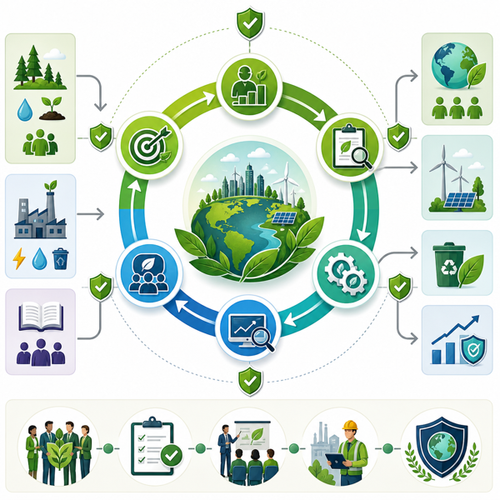
Environmental sustainability is no longer optional—it's a core expectation from customers, investors, and governments worldwide. As businesses integrate new technologies and seek competitive advantages, the need for systematic, future-focused environmental management has never been greater. Enter ISO 14001:2026, the cornerstone international standard for Environmental Management Systems (EMS). Whether you run a local SME or a global enterprise, understanding and implementing ISO 14001:2026 can unlock productivity, ensure regulatory compliance, and provide a clear pathway for scaling your operations responsibly. In today's era of rapid technological change and mounting environmental pressures, the standard empowers organizations to operate more securely, efficiently, and sustainably.
Overview / Introduction
Modern business landscapes are marked by digital transformation, evolving regulations, and growing stakeholder demands for environmentally responsible operations. Environmental Management Systems are a must-have for organizations that want to thrive while protecting natural resources and minimizing negative impacts.
ISO 14001:2026 sets clear, practical requirements—backed by globally recognized guidance—to help organizations of all sizes systematically manage their environmental responsibilities. By following this standard, companies can:
- Enhance environmental performance
- Achieve sustainability goals
- Meet compliance obligations in all jurisdictions
- Reduce risks and capitalize on business opportunities tied to new technologies
In this article, you'll gain a comprehensive, easy-to-understand overview of ISO 14001:2026, learn the core requirements, understand industry impacts, and discover proven strategies for successful adoption.
Detailed Standards Coverage
ISO 14001:2026 – Environmental Management Systems: Requirements with Guidance for Use
ISO 14001:2026 - Environmental management systems — Requirements with guidance for use
What Is ISO 14001:2026 and Who Needs It?
ISO 14001:2026 is the fourth edition of the industry-leading standard for setting up, implementing, maintaining, and improving an Environmental Management System (EMS). Its scope covers all critical elements needed to help an organization manage environmental aspects, ensure compliance with regulations, mitigate risks, and foster a culture of continual improvement—all viewed through a modern life cycle and risk-management lens.
Applicable to any organization—regardless of size, sector, or geographical location—this standard is invaluable for:
- Manufacturers
- Service providers
- Technology firms
- Public institutions
- Startups integrating new environmental technologies
- Mature enterprises pursuing sustainability and operational scalability
Key Requirements and Specifications
ISO 14001:2026 takes a process-based, Plan-Do-Check-Act (PDCA) approach to environmental management. Its requirements are organized into ten major clauses, which include:
- Context of the organization: Understanding external and internal issues, stakeholder expectations, scope, and EMS integration.
- Leadership: Top management commitment, environmental policy development, clear delegation of roles and responsibilities.
- Planning: Identifying risks, opportunities, environmental aspects and impacts, compliance obligations, and setting measurable objectives.
- Support: Resource allocation, competence, awareness, internal and external communications, and document control.
- Operation: Operational planning, controls, and emergency preparedness.
- Performance evaluation: Monitoring environmental performance, internal audits, management reviews.
- Improvement: Continual improvement, corrective actions, nonconformity management.
Life Cycle Perspective is emphasized throughout, encouraging organizations to account for the environmental impacts of their products and services from development to end-of-life.
Notable features of ISO 14001:2026 include:
- Enhanced alignment with other ISO management standards (for easy integration with quality, health and safety systems)
- Stronger requirements for leadership and integration into strategic business processes
- Explicit consideration of environmental conditions and ecosystem health
- Clear guidance on managing communication and engagement with stakeholders
- Greater focus on risk-based thinking and the opportunities tied to new technologies
Industry Implications
Implementing ISO 14001:2026 ensures your organization is compliant with present-day and future regulatory frameworks, supports innovation, and builds trust with clients, regulators, and business partners. For organizations adopting new tech solutions, ISO 14001:2026 provides an essential framework for managing the environmental impacts that come with digital transformation and advanced manufacturing.
Key highlights:
- Global applicability—any industry, any size
- Actionable framework for continual improvement
- Strengthened requirements for documentation and communication
Access the full standard:View ISO 14001:2026 on iTeh Standards
Industry Impact & Compliance
Why Environmental Management Standards Matter Now More Than Ever
Adopting an EMS based on ISO 14001:2026 brings transformative benefits to organizations striving to thrive in a rapidly evolving global marketplace. Key impacts include:
- Regulatory compliance: The standard ensures organizations consistently meet legal and regulatory requirements, regardless of location or industry changes.
- Reputation and stakeholder trust: Certification demonstrates a proactive approach to sustainability and ethical responsibility, building confidence among customers, investors, and authorities.
- Risk reduction: Systematic identification and management of environmental risks (including those related to new technologies, resource use, climate impact, and supply chain disruptions).
- Process efficiency and cost savings: Waste minimization, optimized resource use, and improved operational controls translate directly to financial savings.
- Market access and competitive advantage: Many supply chains and industries increasingly require ISO 14001 conformity as a basic entry requirement.
- Scalability: Built-in scalability allows organizations to expand or adapt easily, underpinning successful digital transformation and technology rollouts.
- Security: A robust EMS ensures continuity, resilience, and secure data management concerning environmental aspects, key for technology-driven organizations.
Risks of non-compliance include: loss of business, legal penalties, reputational harm, regulatory shutdowns, and lost market share—especially as ESG (Environmental, Social, and Governance) considerations gain prominence.
Implementation Guidance
How to Successfully Implement ISO 14001:2026 in Your Organization
Establishing an ISO 14001:2026-compliant EMS is a strategic business investment with lasting returns. Key steps and best practices for adoption include:
- Secure Top Management Support: Leadership commitment is critical for successful EMS integration and ongoing improvement.
- Conduct a Gap Analysis: Assess current environmental practices and existing systems, identifying areas for alignment with ISO 14001:2026.
- Define Organizational Context: Understand external/internal issues, determine stakeholder needs, and clarify regulatory obligations.
- Set and Communicate Policy: Draft a clear, actionable environmental policy aligned with your organization's strategic goals.
- Identify Environmental Aspects, Risks, and Opportunities: Use life cycle thinking and a risk-based approach to prioritize impactful areas and compliance needs.
- Establish Objectives and Performance Indicators: Set specific, measurable, achievable, relevant, and timely (SMART) targets for continual improvement.
- Document Processes and Allocate Resources: Ensure system documentation is comprehensive, current, and accessible. Invest in skills and training.
- Operationalize Controls: Integrate environmental controls into daily processes, supply chains, and product/service development.
- Monitor & Audit: Regularly measure performance, conduct internal audits, and hold management reviews to ensure system effectiveness.
- Drive Continual Improvement: Use audit results, feedback, and evolving business needs to refine your EMS and advance performance.
Best practices:
- Leverage cross-functional teams for broad buy-in and diverse insights.
- Utilize digital technologies for document management, performance monitoring, and communication.
- Collaborate with suppliers and partners to extend good practices throughout the value chain.
Resources:
- ISO 14001:2026 full text and supplementary guidance (including ISO 14004 and the ISO 14002 series)
- iTeh Standards platform for up-to-date access, amendments, and technical clarifications
Conclusion / Next Steps
The path to sustainable business success runs through strong environmental management. ISO 14001:2026 provides every organization—from startups to multinationals—with a structured, intuitive roadmap to reduce risks, improve efficiencies, and build trust as responsible stewards of our planet.
By acting now to implement ISO 14001:2026, your business can:
- Future-proof itself against regulatory and market changes
- Enhance productivity, security, and operational scalability
- Build a resilient, sustainable reputation in the age of ESG and digital transformation
Key recommendations:
- Start your ISO 14001:2026 journey with a stakeholder-driven gap analysis
- Prioritize continuous learning and management engagement
- Use trusted platforms like iTeh Standards to access and maintain up-to-date compliance documentation
For organizations ready to lead in sustainability, efficiency, and competitive differentiation, exploring and adopting ISO 14001:2026 is a strategic imperative.
Discover the official, most current text: View ISO 14001:2026 on iTeh Standards
Categories
- Latest News
- New Arrivals
- Generalities
- Services and Management
- Natural Sciences
- Health Care
- Environment
- Metrology and Measurement
- Testing
- Mechanical Systems
- Fluid Systems
- Manufacturing
- Energy and Heat
- Electrical Engineering
- Electronics
- Telecommunications
- Information Technology
- Image Technology
- Precision Mechanics
- Road Vehicles
- Railway Engineering
- Shipbuilding
- Aircraft and Space
- Materials Handling
- Packaging
- Textile and Leather
- Clothing
- Agriculture
- Food technology
- Chemical Technology
- Mining and Minerals
- Petroleum
- Metallurgy
- Wood technology
- Glass and Ceramics
- Rubber and Plastics
- Paper Technology
- Paint Industries
- Construction
- Civil Engineering
- Military Engineering
- Entertainment