

Dental Implant System Standards: Ensuring Safety, Quality, and Innovation in Modern Dentistry
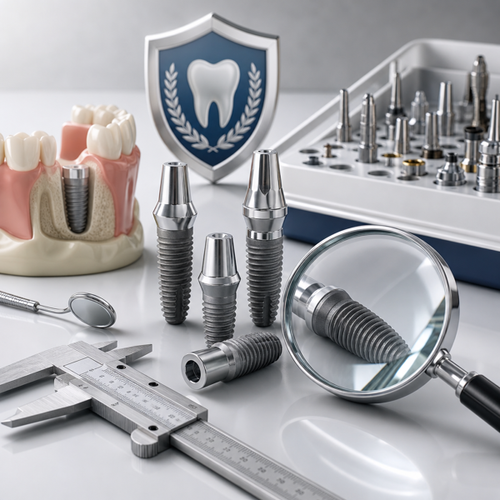
Dental implants represent a cornerstone of modern restorative dentistry, offering durable, functional, and esthetically pleasing solutions for tooth replacement. With continuous innovation in dental materials, digital workflows, and manufacturing, the need for robust international standards has never been greater. Four key ISO standards—covering the technical files, dynamic loading (fatigue) testing, rotational adaptability, and minimal clinical data set—establish a rigorous foundation for safety, quality, and traceability in dental implant systems worldwide. For dental businesses and practitioners, these standards are no longer a luxury but a competitive and regulatory necessity. This article provides a comprehensive, public-friendly guide to these critical dental implant system standards, revealing how their implementation leads to increased productivity, security, and scalable success in the evolving landscape of health care technologies.
Overview / Introduction
The field of dentistry has transformed dramatically over the last few decades with the integration of advanced dental implant systems. These technologies demand not just innovation but also impeccable safety, regulatory compliance, and performance consistency.
Adopting internationally recognized standards is essential for manufacturers, clinicians, and regulators to ensure patient safety, streamlining of workflows, and interoperability in multi-national markets. These standards also facilitate faster adoption of new technologies and more predictable clinical outcomes, putting businesses at the forefront of quality and security in dental health care.
In this article, you'll gain:
- An approachable understanding of four core dental implant system standards
- Key requirements and who should comply
- How these guidelines impact business productivity and scale
- Practical steps to successful implementation
Detailed Standards Coverage
ISO 10451:2026 - Defining Technical Documentation for Dental Implant Systems
Dentistry — Contents of a technical file for dental implant systems
The ISO 10451:2026 standard lays out precise requirements for compiling a technical file for dental implant systems. As regulatory expectations rise globally, the structure, content, and upkeep of these technical files have become central to compliance—and ultimately, to market access.
Scope and Content: This standard applies to endosseous dental implants and their components (implant body, abutment, screws, healing caps, etc.) but excludes those with animal/human components or highly customized devices without pre-fabricated connections. The technical file is vital for demonstrating regulatory and clinical requirements are fulfilled.
Key Requirements:
- Comprehensive device description and intended use
- Design data, material composition, and engineering attributes
- Risk analysis and infection control strategies
- Manufacturing and quality management details
- Verification/validation activities and performance evaluations
- Clinical evaluation and post-market surveillance
- Full details of packaging, sterilization, shelf life, marking, labeling, and instructions for use
Who Must Comply:
- Manufacturers and suppliers of dental implant systems
- Regulatory and quality assurance teams
- Dental laboratories assembling prosthetic systems
Implementation Implications: A well-constructed technical file not only ensures smoother regulatory approval but also clarifies product differentiation, supports recalls or improvements, and protects patient safety with accurate documentation.
Key highlights:
- Defines all technical file components and data requirements
- Supports seamless market approval across regions
- Facilitates traceability from design to clinical use
Access the full standard:View ISO 10451:2026 on iTeh Standards
ISO 14801:2016 - Dynamic Loading (Fatigue) Test for Dental Implants
Dentistry — Implants — Dynamic loading test for endosseous dental implants
ISO 14801:2016 specifies the dynamic (fatigue) testing procedures for single post endosseous dental implants and their prosthetic components. This test is essential for simulating long-term chewing forces and assessing the mechanical durability of implant systems.
Scope and Purpose: This standard focuses on transmucosal implants longer than 8 mm, excluding magnetic attachments and very short implants. It does not predict exact in vivo results but is highly useful for comparing the relative mechanical endurance of different implant designs under worst-case loading conditions.
Key Requirements:
- Testing of finished (sterilized) devices as used clinically
- Assembly and loading at specific angles to reflect worst-case scenarios (typically 30°)
- Testing in appropriate environmental conditions (e.g., saline at body temperature for corrosion-prone systems)
- Clear definition of loading frequencies, cycle numbers, and failure criteria such as fracture or loosening
- Detailed reporting requirements including load-cycle diagrams and failure analysis
Who Must Comply:
- Dental implant manufacturers designing or upgrading products
- Quality and R&D teams validating product performance
- Regulatory bodies mandating demonstration of mechanical reliability
Practical Implications: Fatigue testing identifies mechanical weaknesses early, prevents clinical failures, and enables product optimization before market launch. Adhering to ISO 14801 builds trust among clinicians and regulatory agencies alike.
Key highlights:
- Provides standardized, reproducible fatigue test protocol
- Demonstrates mechanical reliability for product approval
- Prevents costly product recalls and liability risks
Access the full standard:View ISO 14801:2016 on iTeh Standards
ISO 16498:2013 - Minimal Clinical Data Set for Dental Implant Treatment
Dentistry — Minimal dental implant data set for clinical use
ISO 16498:2013 addresses the critical need for reliable, consistent clinical documentation in dental implant care. This standard outlines the minimum dataset that must be recorded for every patient receiving implant treatment.
Scope and Benefits: Comprehensive, standardized clinical data promotes not only patient safety and effective follow-up but also supports research, forensic, and medico-legal efforts in dentistry. The dataset covers implant locations, device types, connecting systems, and adjunctive materials (such as bone grafts).
Key Requirements:
- Clear identification of the patient, treating clinician, and site(s) of implantation
- Documentation of all implant bodies placed (manufacturer, design, batch number, etc.)
- Listing of connecting components and adjunctive devices, including grafting materials
- Traceability for both clinical management and future intervention
Who Should Use It:
- Dental clinics and implant surgeons
- Practice administrators and electronic dental record integrators
- Academic and clinical researchers
Implementation Impact: A uniform dataset facilitates outcome tracking, supports long-term maintenance or replacement, and enhances data sharing across dental care providers and institutions, ultimately safeguarding patient welfare.
Key highlights:
- Simplifies audit and patient follow-up
- Enables research and quality benchmarking
- Enhances record accuracy for complex procedures
Access the full standard:View ISO 16498:2013 on iTeh Standards
ISO 22683:2022 - Rotational Adaptability Testing for Implant-Abutment Interfaces
Dentistry — Rotational adaptability test between implant body and implant abutment in dental implant systems
The connection between an implant body and its abutment must resist rotational and functional stresses, especially when abutment is only mechanically keyed (not friction fit). ISO 22683:2022 provides a standardized method for evaluating the rotational adaptability, directly impacting the fit, strength, and longevity of prosthetic restorations.
Scope and Focus: This standard applies to dental implant systems lacking friction-fit between the implant body and abutment but utilizing anti-rotational features such as mating geometries. Analog or replica components cannot substitute for actual components in this test, ensuring clinical relevance.
Key Requirements:
- Strict test apparatus setup, using original manufacturer’s components
- Measurement of rotational play between implant and abutment
- Standardized reporting of results, including measurement methodology
Who Must Comply:
- Dental implant manufacturers (especially developers of anti-rotational abutment designs)
- Testing and quality assurance labs
Practical Impact: Reliable rotational adaptation translates into less prosthetic loosening, fewer post-operative complications, and higher patient satisfaction—essential for both short-term fit and long-term stability of implant-supported restorations.
Key highlights:
- Determines quality of rotational interface between components
- Reduces risk of screw loosening and clinical complications
- Improves prosthesis fit, durability, and patient comfort
Access the full standard:View ISO 22683:2022 on iTeh Standards
Industry Impact & Compliance
Why These Dental Implant Standards Matter for Businesses
Implementing these internationally accepted standards is not just about compliance—it’s about competitive advantage, safeguarding your business, and positioning for growth in a digital and globalized dental market.
Key Impacts:
- Market Access and Regulatory Compliance: Adhering to ISO dental implant system standards meets global regulatory expectations, enabling access to wider markets and preventing costly delays.
- Patient Safety and Legal Protection: By conforming to best practices in documentation, mechanical testing, and clinical traceability, businesses reduce risk of patient harm and associated liability.
- Innovation Enablement: Standardization streamlines development cycles for new technologies—like digital implant planning and CAD/CAM manufacturing—by providing clear guidelines and testing benchmarks.
- Productivity and Efficiency: Standards support smoother audits and documentation, minimize rework, and reduce errors, ultimately cutting costs and supporting scale-up.
Consequences of Non-Compliance:
- Regulatory recalls or market bans
- Increased liability risk from product failures
- Loss of clinician and patient trust
Implementation Guidance
Practical Steps to Adopting Dental Implant System Standards
Success in leveraging these standards starts with a strategic, phased approach:
- Gap Assessment: Conduct a thorough internal audit comparing current practices against relevant standard requirements.
- Training and Awareness: Educate R&D, quality, clinical, and administrative teams on standard requirements and intent.
- Integration with Quality Systems: Align with ISO 13485 quality management principles for medical devices to streamline processes and documentation.
- Data Management: Invest in robust record-keeping tools, such as digital technical file systems and clinical data platforms.
- External Expertise: Collaborate with dental regulatory consultants or testing labs for specialized challenge areas, like fatigue testing or rotational interface analysis.
- Ongoing Review and Updates: Establish a process for regular review of regulatory changes and standard revisions to maintain compliance.
Best Practices:
- Use manufacturer-supplied instrumentation and validated test methods for all in-vitro and in-vivo evaluations
- Keep all documentation up-to-date, traceable, and readily accessible for both internal and regulatory reviews
- Maintain a feedback loop between clinicians and engineers for continuous improvement
Resources:
- International agencies (ISO, FDA, CE mark authorities)
- Accredited testing laboratories
- Continuing education and standards training
Conclusion / Next Steps
With dental implant systems touching on patient health, business viability, and rapidly evolving digital technology, ISO standards such as ISO 10451:2026, ISO 14801:2016, ISO 16498:2013, and ISO 22683:2022 are more than regulatory checkboxes—they form the backbone of safe, effective, and scalable dental care in the 21st century.
Key Takeaways:
- These standards improve safety, compliance, credibility, and efficiency
- They foster innovation and product improvement while protecting patients
- Proactive implementation supports business growth and minimizes risk
If you are a dental manufacturer, clinic, or research institution, reviewing and applying these standards should be a top priority. Explore the full text and guidance through recognized resources such as the iTeh Standards platform, and stay engaged with ongoing updates in the regulatory and clinical landscape. Excellence in dental implant systems begins with unwavering commitment to internationally recognized standards.
Categories
- Latest News
- New Arrivals
- Generalities
- Services and Management
- Natural Sciences
- Health Care
- Environment
- Metrology and Measurement
- Testing
- Mechanical Systems
- Fluid Systems
- Manufacturing
- Energy and Heat
- Electrical Engineering
- Electronics
- Telecommunications
- Information Technology
- Image Technology
- Precision Mechanics
- Road Vehicles
- Railway Engineering
- Shipbuilding
- Aircraft and Space
- Materials Handling
- Packaging
- Textile and Leather
- Clothing
- Agriculture
- Food technology
- Chemical Technology
- Mining and Minerals
- Petroleum
- Metallurgy
- Wood technology
- Glass and Ceramics
- Rubber and Plastics
- Paper Technology
- Paint Industries
- Construction
- Civil Engineering
- Military Engineering
- Entertainment