

October 2026 Fluid Systems Standards: Essential Updates for Industry Professionals
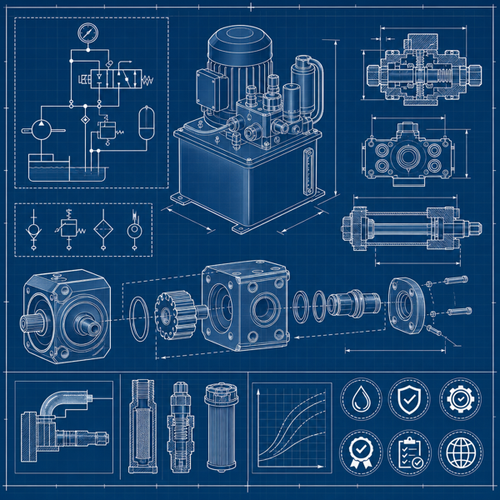
Fluid systems professionals have a reason to pay attention to the October 2026 standards update—a pivotal month for anyone working with fluid transport, storage, or distribution in industrial, municipal, or commercial settings. Five major standards were published, impacting LPG equipment, heat supply infrastructures, stainless steel piping, cryogenic vessels, and advanced underground piping systems. From pressure relief valves that keep LPG cylinders safe, to specialized materials for rehabilitating drinking water networks, these documents set a new benchmark for performance, safety, and regulatory alignment in the field of fluid systems and components for general use. This is Part 1 of a two-part coverage on this month’s essential releases.
Overview
Fluid systems and components play a foundational role across industries including energy, utilities, transport, and manufacturing. Ensuring quality, reliability, and safety in these systems is non-negotiable due to the high stakes associated with pressure equipment, hazardous materials, and essential infrastructure like water supply or district heating.
Adhering to current international standards is crucial. Not only do these documents inform manufacturers, system designers, and maintenance engineers about best practices, but they also serve as the backbone for compliance with national and international regulations. In this article, we break down the key October 2026 standards, explain their implications for professionals across the fluid systems sector, and provide guidance for implementation.
Detailed Standards Coverage
EN 13953:2026 - LPG Equipment and Accessories: Pressure Relief Valves for LPG Cylinders
LPG equipment and accessories - Pressure relief valves for transportable refillable cylinders for Liquefied Petroleum Gas (LPG)
EN 13953:2026 defines the requirements for spring-loaded pressure relief valves (PRVs) designed for use in transportable, refillable liquefied petroleum gas (LPG) cylinders with water capacities ranging from 0.5 to 150 liters. The standard encompasses PRVs as both integrated and standalone safety devices, critical for preventing overpressure situations that could lead to catastrophic cylinder failure.
Key requirements include:
- Operating temperature range from −20°C (standard) down to −40°C (for some applications) and up to 65°C
- Strict guidelines on materials selection, including specifications for non-porous hot-stamped brass and corrosion-resistant stainless-steel springs
- Comprehensive type and production testing: dimensional checks, leak tightness, hydraulic proof, endurance, discharge capacity
- Clear marking and traceability protocols, with documentation requirements to support safety and compliance audits
- Environmental and life-cycle considerations aimed at minimizing the impact across the cylinder’s use and disposal
The 2026 revision introduces expanded scope, new requirements for rubber materials, clearer discharge capacity testing, and updated endurance test procedures. This aligns the PRV requirements with recent changes to European regulations (e.g., ADR/RID for transport safety).
Key highlights:
- Expanded scope: water capacity range now clearly defined (0.5L to 150L)
- Enhanced material and endurance requirements
- Stronger emphasis on documentation and traceability
Access the full standard:View EN 13953:2026 on iTeh Standards
ISO 21026-1:2026 - Heat Supply Network Vocabulary, Part 1: System
Heat supply network — Vocabulary — Part 1: System
This ISO standard provides a critical reference of standardized terms and definitions for district heating and cooling systems. It covers terminology for system components, operational configurations, connection types (direct and indirect), and functional divisions (primary, secondary systems).
The vocabulary helps harmonize technical language in technical documents, specifications, and communication among diverse stakeholders—including system designers, engineers, operators, regulators, manufacturers, and educators involved in heat supply infrastructures.
Scope covers:
- Comprehensive definitions for district heating/cooling system architecture: sources, pipelines, substations, users
- Classification of open/closed systems, condensate return, direct and indirect connections
- Explanations of vital configuration elements, such as mixing loops, primary vs. secondary circuits
- Broader inclusion of both water and steam-based district energy systems
- Index for quick lookup and reference across projects and documentation
Implementation of this vocabulary supports effective cross-disciplinary collaboration, error reduction, and international interoperability—especially important as district heating networks expand in urban environments and integrate with renewable energy sources.
Key highlights:
- Standardizes technical language for global consistency
- Covers both water and steam district networks
- Ease of use for new entrants and multidisciplinary teams
Access the full standard:View ISO 21026-1:2026 on iTeh Standards
EN 10253-3:2026 - Butt-Welding Pipe Fittings: Stainless Steel (No Specific Inspection)
Butt-welding pipe fittings - Part 3: Wrought austenitic and austenitic-ferritic (duplex) stainless steels without specific inspection requirements
An essential standard for manufacturers and specifiers of stainless steel pipework, EN 10253-3:2026 sets forth technical delivery requirements for seamless and welded butt-weld fittings (e.g., elbows, reducers, tees, caps) made from austenitic or duplex stainless steels that are used without special inspection protocols. The standard outlines:
- Steel grades and their chemical compositions—ensuring material consistency and suitability
- Mechanical properties and minimum strength values
- Dimensions, tolerances, and accepted manufacturing methods
- Surface integrity and internal soundness
- Qualifications for manufacturing processes, weldability, and heat treatment
- Marking, handling, and packaging requirements to protect product integrity from dispatch to installation
Notably, this edition introduces revised dimensional tables, clearer reducer and tee models, updated figures, and improved technical alignment with the latest state-of-the-art materials science and regulatory context. It does not apply to fittings subject to the Pressure Equipment Directive categories I–IV.
Key highlights:
- Full update on grades, technical requirements, and dimensions
- Emphasis on product traceability and fitness for purpose
- User flexibility in selection within defined scope; ease of procurement
Access the full standard:View EN 10253-3:2026 on iTeh Standards
EN ISO 21013-3:2026 - Cryogenic Vessels: Pressure-Relief Accessory Sizing
Cryogenic vessels - Pressure-relief accessories for cryogenic service - Part 3: Sizing and capacity determination (ISO 21013-3:2026)
Designed for those working with cryogenic storage and transport systems, this standard provides calculation methodologies for sizing and determining the flow capacity of pressure relief devices (including valves and bursting discs) under a variety of operating and failure scenarios. Key areas are:
- Determination of relief mass flow for normal and emergency scenarios, including loss of vacuum and fire conditions
- Heat transfer models for the vessel-jacket system, including the effect of insulation loss or degradation
- Annexed recommendations for pressure relief of smaller cryostats used in scientific or medical applications
- Sizing calculations for both vacuum and non-vacuum insulated vessels, and handling back pressure effects
- Full harmonization with European regulatory requirements (e.g., Pressure Equipment Directive)
Substantial technical updates distinguish this 2026 edition, including improved calculation precision, updated coefficient of discharge equations, clarified fire case parameters, and revised flow formulas.
Key highlights:
- Comprehensive, scenario-based sizing calculations
- Detailed requirements for heat transfer and flow dynamics
- Applicable to a wide range of cryogenic devices and applications
Access the full standard:View EN ISO 21013-3:2026 on iTeh Standards
EN ISO 11300-2:2026 - Piping Systems for Rehabilitation: Thermoset Composite Materials
Piping systems for rehabilitation of underground drains, sewers and water supply networks - Part 2: Thermoset composite materials (ISO 11300-2:2026)
This standard is tailored to the renovation of underground pipes using cured-in-place pipe (CIPP) lining technology. It details requirements and test methods for pipes and fittings made from thermoset composites (e.g., polyester, epoxy resins combined with fiber reinforcement or thermoplastic membranes) and their application in:
- Non-pressure and pressure drainage systems
- Water supply networks, including those carrying potable water
- Rehabilitation techniques where full-length liners restore structural capacity, not short patch repairs
The standard mandates not only material properties and compatibility with potable water requirements, but also mechanical, physical, and geometrical characteristics, wall thickness specifications, installation provisions, system marking, and documentation.
Significantly, EN ISO 11300-2:2026 consolidates and supersedes several prior standards, streamlining procurement and installation for asset owners and contractors. It supports best practices for long-term performance and environmental safety in municipal infrastructure upgrades.
Key highlights:
- Applies to advanced, long-life CIPP techniques for full-line rehabilitation
- Assures material safety for drinking water and wastewater
- Robust performance testing and system documentation included
Access the full standard:View EN ISO 11300-2:2026 on iTeh Standards
Industry Impact & Compliance
The publication of these standards—covering everything from pressure relief devices to advanced rehabilitation materials—marks a critical step for industries relying on safe, efficient fluid management. For businesses involved in gas distribution, water utilities, chemical plants, heating networks, or infrastructure rehabilitation, compliance assures:
- Adherence to up-to-date regulatory requirements (including EU Directives)
- Improved product safety and reliability, reducing the risk of accidents or environmental incidents
- Enhanced competitiveness in public tenders and cross-border projects, thanks to harmonized technical language and requirements
- Streamlined procurement and easier quality assurance, due to clarified technical and documentation protocols
Implementation timelines typically coincide with national standardization adoption, but early familiarity can give organizations a decisive edge—especially where project bids or regulatory filings are involved. Non-compliance can result in rejected installations, project delays, insurance or warranty disputes, and, in some cases, legal penalties.
Technical Insights
Across these standards, common technical themes include:
- Rigorous materials selection and compatibility, especially for contact with hazardous gas or drinking water
- Enhanced design, type testing, and production control protocols to assure fitness for demanding environments
- Calculations and design methodologies for safety-critical accessories (e.g., pressure relief valves, CIPP liners)
- Clear procedures for marking, documentation, and traceability
Best practices for implementation:
- Map equipment and component inventories against the relevant standard clauses
- Train staff in the specific requirements of each new or revised standard
- Update procurement specifications, quality control plans, and maintenance protocols accordingly
- Engage with notified bodies or certification agencies early, where required
- Monitor for updates to related regulatory frameworks to ensure ongoing alignment
Testing and certification considerations:
- Ensure all type and production testing is documented and retained for audit
- Utilize qualified third-party testing or independent inspection when mandated
- Regularly review and update quality management system documentation in line with the latest standards
Conclusion / Next Steps
The October 2026 release of these five international standards represents a significant milestone for professionals across the fluid systems sector. They bring renewed clarity, technical precision, and future-proofed safety to a diverse range of components and infrastructures. Proactive adoption will enhance organizational reputation, ensure compliance, and reduce operational risk.
Recommendations:
- Review the detailed requirements of each standard applicable to your operations
- Update technical specifications and procurement policies where necessary
- Use iTeh Standards (https://standards.iteh.ai) as your trusted source for latest international standards and expert insights
Take this opportunity to future-proof your fluid systems operations—explore these standards today and watch for Part 2 of our October coverage, detailing further critical updates for this sector.
Categories
- Latest News
- New Arrivals
- Generalities
- Services and Management
- Natural Sciences
- Health Care
- Environment
- Metrology and Measurement
- Testing
- Mechanical Systems
- Fluid Systems
- Manufacturing
- Energy and Heat
- Electrical Engineering
- Electronics
- Telecommunications
- Information Technology
- Image Technology
- Precision Mechanics
- Road Vehicles
- Railway Engineering
- Shipbuilding
- Aircraft and Space
- Materials Handling
- Packaging
- Textile and Leather
- Clothing
- Agriculture
- Food technology
- Chemical Technology
- Mining and Minerals
- Petroleum
- Metallurgy
- Wood technology
- Glass and Ceramics
- Rubber and Plastics
- Paper Technology
- Paint Industries
- Construction
- Civil Engineering
- Military Engineering
- Entertainment