


August 2026: New Standard for Passenger Ship Accommodation Painting
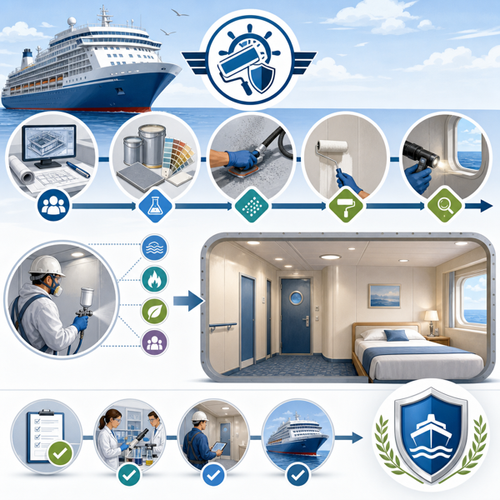
The shipbuilding and marine structures sector marked a pivotal update in August 2026 with the release of a new international standard, aiming to elevate interior finishing processes and bolster safety in passenger vessels. ISO 22627:2026 focuses on technical requirements for painting the accommodation interiors of steel-structured passenger ships—a critical aspect affecting both durability and passenger safety. This standard’s adoption promises significant benefits for shipbuilders, designers, and operators seeking compliance and operational excellence.
Overview / Introduction
The marine industry continues to advance, driven by innovation and the ongoing need for rigorously maintained safety and performance standards. High-traffic accommodation spaces on ferries, cruise liners, and ocean-going passenger ships require specialized protection to withstand harsh marine environments and comply with international safety regulations.
Standards in shipbuilding and marine structures dictate best practices for construction, maintenance, and operation, directly impacting vessel longevity, occupant well-being, and regulatory approval. In this article, you’ll discover the new ISO 22627:2026 standard, including its technical features, implementation implications, compliance requirements, and overall industry impact.
Detailed Standards Coverage
ISO 22627:2026 – Painting Technical Requirements for Passenger Ship Accommodation Interiors
Ships and marine technology — Technical requirements for painting the accommodation interior of passenger ships
The newly published ISO 22627:2026 specifies the technical requirements for painting steel-structured accommodation interiors on passenger ships. It is applicable to ferries, cruise ships, and ocean liners, and serves as a reference for other vessels with steel accommodation areas. While excluding the floor, this standard delineates best practices for primary and secondary surface preparation, paint systems, and testing methods.
Scope and Key Requirements
- Primary Surface Preparation: Specifies procedures and quality levels according to recognized standards (such as ISO 8501-1 and ISO 8501-3), ensuring surfaces are free from rust, mill scale, and contaminants.
- Protective Paint System: Details the selection and application of coating materials, emphasizing compatibility with marine environments and performance criteria such as corrosion resistance.
- Secondary Surface Preparation: Defines treatment requirements for cold and warm areas within the accommodation zones, considering varied environmental exposures.
- Low Flame-Spread and Harmful Substance Controls: Paint products used must comply with fire safety and environmental health guidelines, reducing onboard risks.
- Inspection and Testing: Outlines inspection stages and mandatory tests to verify paint thickness, adhesion, and visual quality prior to handover.
The standard’s guidelines ensure systematic steps for:
- Surface preparation of steel substrates before painting
- Application of appropriate paint layers for protective performance
- Verification of workmanship using established inspection criteria
Who Should Comply?
- Shipbuilders specializing in the construction of passenger vessels
- Naval architects and marine engineers overseeing design and outfitting
- Quality assurance teams and paint subcontractors for new builds and refurbishments
- Procurement units selecting certified materials and coatings
- Operators and maintenance crews tasked with ongoing interior upkeep
Practical Implementation Implications
Implementing ISO 22627:2026 helps organizations standardize painting operations in accommodation spaces, enhancing corrosion protection and regulatory compliance. The standard introduces a differentiated approach to painting based on area-specific environmental conditions (i.e., cold versus warm zones), supporting cost-effective and purpose-driven material selection.
Shipyards and contractors adopting this standard benefit from reduced risk of costly coating failures, improved passenger safety (especially fire mitigation), and easier alignment with flag state and IMO regulations. The standard also clarifies documentation and inspection requirements, streamlining handover and lifecycle maintenance.
Notable Changes and Innovations
As the first edition targeting accommodation interiors, ISO 22627:2026 establishes sector-wide benchmarks previously absent or scattered across various regional codes. It combines corrosion science with operational realism, offering:
- Unified requirements for both new-build and refurbishment projects
- Modern environmental and health safety considerations
- Enhanced inspection protocols for accountability
Key highlights:
- Systematic primary and secondary steel surface preparation
- Area-specific paint application guidance based on zone conditions
- Mandatory use of paints that meet low flame-spread and low-toxicity criteria
Access the full standard:View ISO 22627:2026 on iTeh Standards
Industry Impact & Compliance
The introduction of ISO 22627:2026 will reshape painting protocols in the shipbuilding and marine structures sector. Companies must assess current workflows and align procurement, training, and inspection regimes with the new requirements. Key industry impacts include:
- Enhanced Passenger Safety: Use of compliant low flame-spread coatings reduces fire risk in high-occupancy accommodation areas.
- Improved Corrosion Protection: Rigorous surface and coating practices extend the lifespan of steel structures, minimizing future repairs.
- Regulatory Alignment: Conformance with ISO standards supports easier certification by classification societies and smoother handover to ship operators.
- Global Competitiveness: Early adopters demonstrate a commitment to quality assurance, boosting market reputation and client confidence.
Compliance considerations involve:
- Reviewing and updating standard operating procedures
- Training painting crews and inspectors
- Engaging certified suppliers for compliant paint systems
- Adjusting maintenance schedules and inspection documentation
Non-compliance can result in regulatory delays, increased maintenance costs, and potential vessel detentions—making proactive adoption crucial for responsible operators and builders.
Technical Insights
ISO 22627:2026 introduces several technical advances worth noting:
- Surface Preparation Grades: References to ISO 8501-1 and ISO 8501-3 embed international best practices, ensuring repeatable quality in surface cleanliness and preparation.
- Protective Coating Systems: Mandates coatings suitable for both cold and warm zones, avoiding over- or under-specification.
- Fire and Health Safety: The requirement for low flame-spread and reduced harmful substances addresses both safety and occupational health compliance.
- Inspection Regimes: Details tests for paint thickness, adhesion, and visual assessment ensure traceability and durable results.
Implementation Best Practices
- Pre-planning: Classify all accommodation areas by exposure and temperature regime.
- Supplier Qualification: Source only certified paint systems accredited for marine use and ISO compliance.
- Crew Training: Ensure all applicators and QA inspectors are versed in both ISO 22627 and referenced standards.
- Documentation: Maintain detailed logs of materials used, application conditions, and test results to facilitate future inspections.
- Collaboration: Involve classification societies early to validate compliance throughout the build process.
Testing & Certification Considerations:
- Conduct regular in-process and post-application inspections
- Retain samples and test records for regulatory audits
- Schedule periodic re-inspections based on operational rigors
Conclusion / Next Steps
The August 2026 release of ISO 22627:2026 ushers in a new era for standards-driven painting practices in passenger ships’ accommodation spaces, providing the marine industry with clear, measurable benchmarks for safety and performance. By integrating these requirements, organizations can reduce lifecycle costs, improve passenger safety, and readily demonstrate regulatory compliance.
Recommendations:
- Review and implement the new standard in current and upcoming projects
- Engage suppliers and partners for ISO-compliant materials and processes
- Train teams on new inspection and reporting rules
- Monitor for updates or errata as industry feedback matures
For complete technical requirements and official documentation, professionals should consult the full standard:
Access the full standard:View ISO 22627:2026 on iTeh Standards
Stay informed, stay compliant, and ensure your fleet’s passenger spaces meet the latest in safety, durability, and quality control.
Categories
- Latest News
- New Arrivals
- Generalities
- Services and Management
- Natural Sciences
- Health Care
- Environment
- Metrology and Measurement
- Testing
- Mechanical Systems
- Fluid Systems
- Manufacturing
- Energy and Heat
- Electrical Engineering
- Electronics
- Telecommunications
- Information Technology
- Image Technology
- Precision Mechanics
- Road Vehicles
- Railway Engineering
- Shipbuilding
- Aircraft and Space
- Materials Handling
- Packaging
- Textile and Leather
- Clothing
- Agriculture
- Food technology
- Chemical Technology
- Mining and Minerals
- Petroleum
- Metallurgy
- Wood technology
- Glass and Ceramics
- Rubber and Plastics
- Paper Technology
- Paint Industries
- Construction
- Civil Engineering
- Military Engineering
- Entertainment