

ISO 8207:2026 Brings New Safety for Gas Welding Hose Assemblies – September 2026 Update
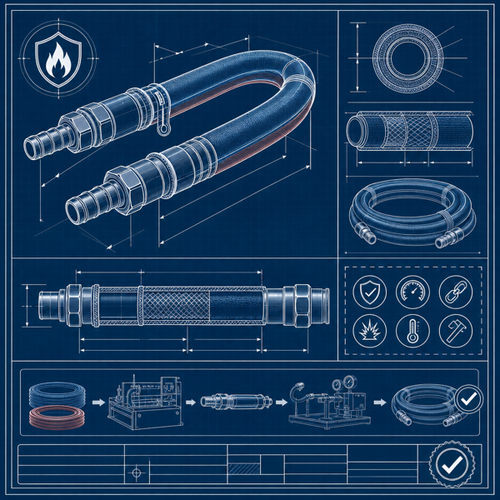
In September 2026, the field of manufacturing engineering saw a significant advancement with the release of a critical new international standard: ISO 8207:2026. This update addresses the safety and performance requirements for hose assemblies in gas welding, cutting, and allied processes. As manufacturing processes grow more complex and demand for operational safety intensifies, these updated guidelines are essential for maintaining best practices, driving compliance, and ensuring workplace safety for engineers, quality managers, and procurement professionals alike.
Overview
Manufacturing engineering relies heavily on safe and reliable processes—particularly in fabrication environments where gas welding and cutting are routine. Industry standards play a pivotal role in safeguarding both personnel and production assets by defining minimum requirements, test methods, and compliance benchmarks for equipment. In this article, you'll discover the essential details of ISO 8207:2026, how it shapes the future of gas welding safety, and what organizations need to know to stay compliant and competitive in the sector.
Detailed Standards Coverage
ISO 8207:2026 – Specification for Gas Welding Hose Assemblies
Gas welding equipment — Specification for hose assemblies for equipment for welding, cutting and allied processes
Scope and Purpose:
ISO 8207:2026 establishes clear performance and test requirements for rubber hose assemblies (up to nominal size 20.0 mm), which are supplied fully assembled for use with gas welding, cutting, and closely related industrial applications. Importantly, this standard does not cover high-pressure hose assemblies upstream of pressure regulators, focusing instead on downstream applications where operational safety is most critical.
Key Requirements and Specifications:
- Construction Details:
- Defines acceptable materials for hoses and fittings, referencing ISO 3821 for rubber hoses to ensure compatibility and durability.
- Specifies detailed construction criteria, including hose tails and assembly design, to minimize risk of leaks or component separation.
- Marking Requirements:
- Mandates that each hose assembly is clearly and permanently marked for traceability and compliance, streamlining inspections and audits.
- Performance Requirements and Testing:
- Gas Tightness: Strict test methods and acceptance criteria ensure the assembled hoses are gas-tight and suitable for use with combustible gases.
- Resistance to Separation (Pressure & Axial Load): Testing protocols confirm that hoses will not separate from end fittings under both pressure and axial stress.
- Kinking Protection: Guidance and examples for kink protection are provided, as hose kinking is a common operational hazard.
Who Should Comply:
- Manufacturers and suppliers of gas welding and cutting equipment
- Maintenance managers and facility operators in fabrication plants
- Quality assurance professionals overseeing welding safety
- Procurement teams sourcing compliant hose assemblies for critical operations
Practical Implications: The adoption of ISO 8207:2026 means that manufacturers and end users must evaluate existing hose assemblies and procurement protocols, ensuring all equipment meets the latest safety and performance criteria. Non-compliance could result in operational hazards, increased liability, and interruption of critical processes due to audits or failures.
Notable Updates from Previous Editions: While this is a revision, ISO 8207:2026 deepens its alignment with ongoing developments in hose materials, assembly technology, and operational safety insights since the last edition, providing more robust, up-to-date requirements.
Key highlights:
- Defines robust performance and test requirements for assembled rubber hoses
- Sets mandatory marking, traceability, and identification rules
- Provides updated guidelines for kink protection and resistance testing
Access the full standard:View ISO 8207:2026 on iTeh Standards
Industry Impact & Compliance
ISO 8207:2026 impacts a wide array of manufacturing operations that rely on gas welding and cutting equipment. By establishing a global benchmark for hose assembly safety, it helps drive improvements in workplace health, reduces the likelihood of costly equipment failures or hazardous leaks, and supports greater confidence in supply chain sourcing decisions.
Compliance Considerations
- Audit Readiness: Organizations should update their internal documentation, inspection checklists, and procurement contracts to reference ISO 8207:2026, preparing for internal and external audits.
- Implementation Timelines: Immediate implementation is recommended for new procurements. Existing hose assemblies should be reviewed for conformance, with phased replacement for non-compliant equipment.
- Legal and Insurance Implications: Adhering to updated standards may positively impact liability coverage, while failure to comply could affect claims and create regulatory risks.
Benefits of Adoption
- Enhanced operator safety and reduced risk of gas leaks or hose failures
- Simplified procurement and supplier evaluation with a clear, unified reference point
- Better international market access due to harmonized specifications
Risks of Non-Compliance
- Increased likelihood of operational accidents
- Exposure to legal penalties or halted operations following regulatory inspection
- Potential loss of certification or customer trust
Technical Insights
Common Technical Requirements
ISO 8207:2026 emphasizes several technical dimensions of hose assembly safety:
- Material compatibility: Only rubber hoses that conform to ISO 3821 are permitted, ensuring reliability and chemical resistance.
- Assembly integrity: Strict tests for gas tightness, resistance to both pressure and axial forces minimize the chances of disconnects or leaks.
- Clear marking: Indelible markings on every hose assembly help end users track compliance and streamline periodic inspections.
Implementation Best Practices
- Sourcing: Work closely with trusted suppliers who understand the standard’s requirements for hose assembly construction and documentation.
- Periodic Inspection: Integrate the new test requirements into regular maintenance and inspection routines for all gas welding equipment.
- Training: Provide staff with clear guidance about changes to hose assembly safety protocols and the implications of non-compliance.
Testing and Certification
Ensure all newly acquired hose assemblies are tested by qualified personnel according to the methods described in the standard. Certification from accredited third parties can further demonstrate compliance, especially when required for international trade or contracts.
Conclusion / Next Steps
The release of ISO 8207:2026 marks an important step forward for safety and reliability in the manufacturing engineering sector—especially for operations utilizing gas welding and cutting processes. Organizations should act swiftly to familiarize themselves with the new requirements, update procurement and maintenance protocols, and work closely with suppliers to ensure all hose assemblies are fully compliant.
Key Takeaways:
- ISO 8207:2026 sets a new global benchmark for hose assembly safety
- Compliance reduces operational risk and enhances safety
- Early adoption streamlines audits and builds customer confidence
Recommendations:
- Review current hose assemblies and procurement policies
- Engage with suppliers about updated marking and testing expectations
- Monitor iTeh Standards for future updates and related standards
For more details, reference the complete text on iTeh Standards. Staying informed will keep your operations safe, compliant, and competitive in the evolving landscape of manufacturing engineering.
Categories
- Latest News
- New Arrivals
- Generalities
- Services and Management
- Natural Sciences
- Health Care
- Environment
- Metrology and Measurement
- Testing
- Mechanical Systems
- Fluid Systems
- Manufacturing
- Energy and Heat
- Electrical Engineering
- Electronics
- Telecommunications
- Information Technology
- Image Technology
- Precision Mechanics
- Road Vehicles
- Railway Engineering
- Shipbuilding
- Aircraft and Space
- Materials Handling
- Packaging
- Textile and Leather
- Clothing
- Agriculture
- Food technology
- Chemical Technology
- Mining and Minerals
- Petroleum
- Metallurgy
- Wood technology
- Glass and Ceramics
- Rubber and Plastics
- Paper Technology
- Paint Industries
- Construction
- Civil Engineering
- Military Engineering
- Entertainment