


Unlocking Productivity and Security: Key Standards for Industrial Process Measurement and Control
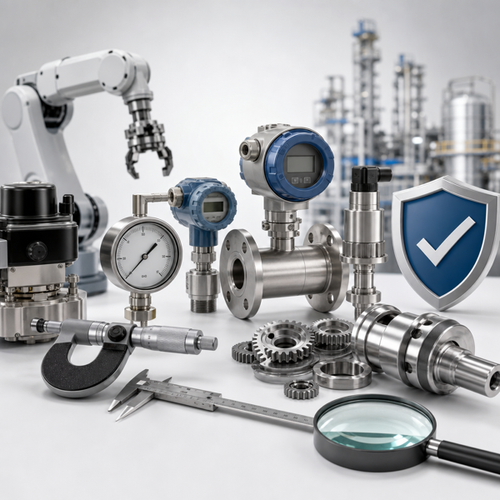
Industrial process measurement and control standards are more crucial than ever in today’s fast-moving manufacturing landscape. As digital transformation, process automation, and global supply chains accelerate, manufacturers are seeking every advantage to boost productivity, security, and scalability. This in-depth guide introduces four key international standards that define the requirements, structures, and best practices for industrial process measurement, control, and automation. By implementing these standards, businesses can ensure reliable operations, support digital integration, and remain compliant in a competitive, interconnected world.
Overview / Introduction
The manufacturing sector is experiencing a technological revolution, driven by automation, digital communication, and the seamless integration of devices and systems. Industrial process measurement and control lie at the heart of this transformation. These domains govern how data is gathered, interpreted, and acted upon across production lines, infrastructure, and enterprise systems.
Industry standards provide frameworks and requirements to ensure compatibility, performance, and safety. For the regular public and business leaders, these documents translate to:
- Reliable measurement and control of complex processes
- Increased operational efficiency and productivity
- Enhanced security and risk mitigation
- Scalable, future-proof systems integration
- Interoperability between devices and digital platforms
In this guide, we explore four critical standards:
- EN 61069-3:2016 – Assessment of industrial system functionality
- EN 61514-2:2013 – Evaluating performance of intelligent valve positioners
- EN IEC 61804-4:2020 – EDD interpretation for process control devices
- EN IEC 61987-31:2023 – Data structures and properties of infrastructure devices
By understanding and implementing these standards, organizations can unlock new levels of productivity, safety, and integration, ensuring their operations are ready for the demands of modern manufacturing.
Detailed Standards Coverage
EN 61069-3:2016 – Assessment of System Functionality
Industrial-process measurement, control and automation - Evaluation of system properties for the purpose of system assessment - Part 3: Assessment of system functionality
This standard details a systematic method for evaluating the functionality of industrial process measurement and control systems. It is part of a comprehensive family (EN 61069) addressing the holistic assessment of automation systems, with Part 3 focusing specifically on how to judge a system’s functionalities according to the needs of a particular mission or application.
Key aspects covered include defining assessment objectives, designing and executing the evaluation process, and reporting findings. Functionality is examined in terms of coverage (does the system meet required functions?), configurability (how easily can the system be tailored?), and flexibility (can the system adapt to future needs?). Both analytical and empirical techniques are used to ensure thorough validation.
Organizations operating in industrial automation, process manufacturing, and digital control environments must comply with this standard to ensure their systems are effective, future-proof, and fit-for-purpose.
Practical implementation of EN 61069-3 involves:
- Applying structured checklists and assessment templates
- Evaluating integration with subsystems, expandability, and scalability
- Assessing control languages, networking, alarm management, archiving, and more
- Ensuring traceable documentation for audits and regulatory needs
Key highlights:
- Comprehensive evaluation framework for system functionality
- Ensures systems meet requirements for scalability, integration, and security
- Demonstrates due diligence in system selection and deployment for manufacturers
Access the full standard:View EN 61069-3:2016 on iTeh Standards
EN 61514-2:2013 – Performance Evaluation of Intelligent Valve Positioners
Industrial process control systems - Part 2: Methods of evaluating the performance of intelligent valve positioners with pneumatic outputs mounted on an actuator valve assembly
Valves and their positioners play a fundamental role in process control, directly affecting flow, pressure, and safety. EN 61514-2:2013 sets out precise methods for assessing the performance of intelligent valve positioners, particularly those with pneumatic outputs. It covers the evaluation of both single-acting and double-acting devices, taking into account their static and dynamic characteristics, intelligence degree, and communication capabilities.
The standard outlines how to conduct design reviews and rigorous testing, ensuring that positioners receiving analog (as per IEC 60381) or digital signals, and offering pneumatic control, perform reliably under reference conditions. This edition refines previous procedures, focusing on usability and reproducibility for test facilities and manufacturers alike.
Manufacturers, suppliers, and users of intelligent valve positioners must apply this standard in quality control, procurement, R&D, and operations.
Practical use includes:
- Step-by-step testing of positioner responses and influence quantities
- Clear identification and classification of communication interfaces
- Comprehensive safety and fail-safe mode checks
- Documentation templates for reporting and compliance
Key highlights:
- Standardized tests for verifying smart valve positioner performance
- Enhanced focus on communication, intelligence, and diagnostics
- Ensures process stability, safety, and regulatory compliance
Access the full standard:View EN 61514-2:2013 on iTeh Standards
EN IEC 61804-4:2020 – EDD Interpretation and Field Device Integration
Devices and integration in enterprise systems - Function blocks (FB) for process control and electronic device description language (EDDL) - Part 4: EDD interpretation
Digitalization in process industries requires devices from various manufacturers to communicate seamlessly. EN IEC 61804-4:2020 addresses this crucial need by specifying rules for interpreting Electronic Device Descriptions (EDDs) and supporting interoperability across device configuration, diagnostics, and data exchange through EDD applications.
This widely adopted standard harmonizes EDD interpretation for popular protocols like HART, Foundation Fieldbus, PROFIBUS, and ISA100 Wireless. It streamlines EDDL applications to ensure consistent device user interfaces and portable device descriptions, regardless of the vendor.
Key topics include menu design, offline and online configuration, user roles/session management, upload/download procedures, graphical interface rules, troubleshooting, and layout convention. Leading device vendors, automation engineers, and plant operations benefit from applying this standard by ensuring smooth commissioning, management, and long-term support of smart field devices.
Implementation impacts:
- Standardization of device integration in DCS/PLC systems
- Improvement in device diagnostics and parameterization
- Efficient device lifecycle management, reducing engineering time and errors
Key highlights:
- Guarantees portable, interoperable EDDs across digital protocols
- Supports secure, scalable enterprise integration
- Boosts consistency and reduces engineering costs
Access the full standard:View EN IEC 61804-4:2020 on iTeh Standards
EN IEC 61987-31:2023 – Data Structures for Infrastructure Devices
Industrial-process measurement and control - Data structures and elements in process equipment catalogues - Part 31: List of Properties (LOPs) of infrastructure devices for electronic data exchange - Generic structures
For businesses embracing Industry 4.0 and digital twins, standardized data structures are essential. EN IEC 61987-31:2023 defines generic structures for Operating Lists of Properties (OLOPs) and Device Lists of Properties (DLOPs) for infrastructure devices. This enables machine-readable, unambiguous specification and data exchange for devices like sensors, transmitters, I/O modules, and more, ensuring compatibility with the Common Data Dictionary (CDD) and facilitating integration across digital supply chains.
This standard is vital for:
- Equipment manufacturers providing digital catalogues
- End-users building unified asset management systems
- Systems integrators designing interoperable architectures
Its coverage includes environment and installation conditions, device functions, performance data, interfaces, and certificates. EN IEC 61987-31 provides the foundation for automating engineering, procurement, and asset management processes.
Key highlights:
- Harmonized digital property templates for infrastructure devices
- Enables automated data exchange and digital workflows
- Reduces manual data entry and risk of errors
Access the full standard:View EN IEC 61987-31:2023 on iTeh Standards
Industry Impact & Compliance
How These Standards Elevate Businesses in Process Measurement and Control
The adoption of authoritative international standards yields measurable benefits:
- Enhanced Productivity: Standardized evaluation and integration methods streamline procurement, commissioning, and operation, reducing costly downtime and manual interventions.
- Improved Security: Rigorous assessment frameworks enable risk identification, isolation, and remediation—minimizing vulnerabilities in connected control systems.
- Seamless Scaling: Common definitions for device properties and functions support expansion, adaptability, and upgrades without rewriting entire system architectures.
- Regulatory Compliance: Meeting or exceeding global standards demonstrates due diligence to customers and regulators, safeguarding market access.
- Quality Assurance: Consistent documentation, testing, and evaluation protect against faults and supply chain variability.
- Data-driven Decision-Making: Digital-friendly data structures (as in EN IEC 61987-31:2023) facilitate analytics, predictive maintenance, and informed investments.
Risks of Non-Compliance:
- Lost business due to non-qualification
- Greater exposure to safety and security incidents
- Higher total cost of ownership
- Incompatibility with modern digital strategies
Implementation Guidance
Successfully applying industrial process measurement and control standards requires:
Common Approaches:
- Gap Assessment: Compare current systems and practices against the standard’s requirements to identify areas for improvement.
- Stakeholder Engagement: Involve engineering, IT, operations, and management to align goals and ensure cross-functional buy-in.
- Vendor Coordination: Verify supplier products and documentation comply with relevant standards, ensuring procurement supports digital and functional interoperability.
- Personnel Training: Educate teams on both the technical and business benefits of standards-driven practices.
- Configuration and Documentation: Use provided checklists and tools as specified in each standard to ensure repeatable, auditable assessments and device records.
- Ongoing Review: Monitor emerging revisions to standards and adjust practices to stay compliant and competitive.
Best Practices for Adoption:
- Begin with one pilot system or plant area, assessing functionality per EN 61069-3:2016 or device data structures per EN IEC 61987-31:2023.
- Integrate standards knowledge into procurement and specification documents.
- Leverage vendor-supplied digital device files (EDDLs) for rapid commissioning.
- Engage with standards-working bodies or professional forums to stay ahead of regulatory and technology changes.
Resources:
- iTeh Standards Platform: Access full texts and updates on standards
- Training courses/workshops from manufacturers, industry groups, and standards organizations
- Audit and assessment templates as provided in each standard
Conclusion / Next Steps
Industrial process measurement and control standards such as EN 61069-3:2016, EN 61514-2:2013, EN IEC 61804-4:2020, and EN IEC 61987-31:2023 are critical tools for modern manufacturing organizations. Their adoption brings significant productivity, security, compliance, and scalability benefits—protecting investments and unlocking new possibilities for digital transformation.
Key takeaways:
- These standards enable data-driven, interoperable, and secure operations
- Compliance reduces risk, supports regulatory requirements, and increases operational excellence
- Stepwise implementation and education are essential for sustainable benefits
Recommendations for organizations:
- Identify the relevant standards for your process measurement and control environment
- Conduct a gap assessment and develop an action plan
- Invest in team education and collaborative vendor relationships
For regular public and manufacturing professionals alike, staying informed of these standards is a must. Begin your journey toward smarter, safer, and more agile operations by exploring the full texts and guidance available at iTeh Standards.
Categories
- Latest News
- New Arrivals
- Generalities
- Services and Management
- Natural Sciences
- Health Care
- Environment
- Metrology and Measurement
- Testing
- Mechanical Systems
- Fluid Systems
- Manufacturing
- Energy and Heat
- Electrical Engineering
- Electronics
- Telecommunications
- Information Technology
- Image Technology
- Precision Mechanics
- Road Vehicles
- Railway Engineering
- Shipbuilding
- Aircraft and Space
- Materials Handling
- Packaging
- Textile and Leather
- Clothing
- Agriculture
- Food technology
- Chemical Technology
- Mining and Minerals
- Petroleum
- Metallurgy
- Wood technology
- Glass and Ceramics
- Rubber and Plastics
- Paper Technology
- Paint Industries
- Construction
- Civil Engineering
- Military Engineering
- Entertainment