


July 2026: Enhanced Safety Requirements for Transportable Magnetic Drills in Manufacturing Engineering
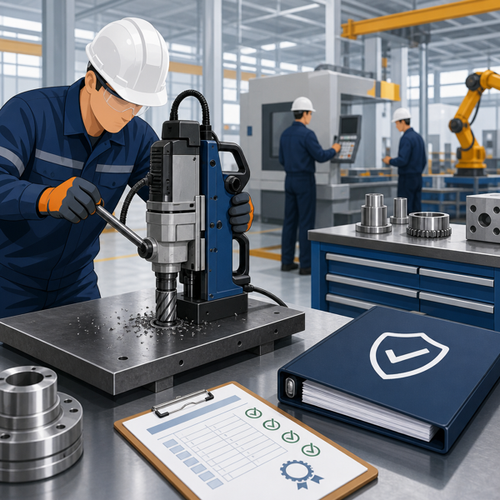
In July 2026, the manufacturing engineering sector receives a vital update with the publication of EN IEC 62841-3-15:2026, a comprehensive safety standard for transportable magnetic drills. As industrial workplaces continually evolve, this new standard delivers crucial technical and operational requirements that will directly impact manufacturers, technical teams, and safety managers across numerous sectors. Only a single, but highly impactful, standard is introduced in this cycle—targeting transportable, electric motor-operated drilling solutions and raising the bar for worker protection and equipment reliability.
Overview of Transportable Magnetic Drill Standards
Manufacturing engineering relies on a foundation of rigorous standards to safeguard equipment integrity and operator safety. As electric hand-held and transportable power tools become more advanced and ubiquitous in production environments, updated specifications are necessary to address new risks and operational scenarios. EN IEC 62841-3-15:2026 specifically targets electric motor-operated transportable magnetic drills, a category of essential tools for metal fabrication, construction, repair, and allied industries.
By covering key requirements for equipment design, marking, safety warnings, and operator guidance, this standard ensures harmonization with both existing regulations and practical field demands. Readers of this article will gain:
- A clear summary of the scope and key requirements of EN IEC 62841-3-15:2026
- Practical compliance and implementation tips
- Insights on technical and operational best practices for transportable magnetic drills
- Guidance on how adoption will affect processes, worker safety, and organizational compliance
Detailed Standards Coverage
EN IEC 62841-3-15:2026 - Particular Requirements for Transportable Magnetic Drills
Electric motor-operated hand-held tools, transportable tools and lawn and garden machinery – Safety – Part 3-15: Particular requirements for transportable magnetic drills
Scope and Applicability
This European and International standard is designed for electric-powered, transportable magnetic drills, including those featuring liquid lubrication systems. Developed to be used in conjunction with IEC 62841-1:2014 (General Safety Requirements), this part specifically modifies or supplements clauses to address the unique risks and operating conditions of magnetic drill tools.
EN IEC 62841-3-15:2026 covers:
- Drill units combined with magnetic drill stands (either permanent magnet or electromagnet types)
- Both non-separable and separable magnetic drill stands
- Marking, user safety instructions, and operational guidance
It is targeted at:
- Manufacturers of transportable magnetic drills
- Metal fabrication shops and structural steel fabrication facilities
- Plant maintenance teams
- Quality management and compliance officers responsible for equipment safety
Key Requirements and Specifications
- Marking and Instructions: Magnetic drills must be clearly marked with rated voltage, input, class of construction, and IP protection level. Safety warnings—particularly for users with medical implants and for proper use of safety straps—are required.
- Magnetic Stand Safety: Standards mandate a series of best practices: only magnetizing to ferrous metal, ensuring clean and flat contact surfaces, and always securing the magnetic drill with an appropriate safety strap/chain.
- Operator Guidance: Detailed instructional requirements address everything from checking for medical implants to proper attachment, safe drilling practices, chip removal, use of cutting fluids, and reactions to tool jams.
- Physical and Technical Integrity: Specifications for protection against live parts, overload protection, resistance to rust and heat, strength, endurance, and correct connection of external wires and cords.
- Noise and Vibration Measurement: Annexes provide industry-standard test procedures for noise and vibration, supporting compliance with occupational health regulations.
Practical Implications and Compliance
Organizations must ensure that all new transportable magnetic drills introduced after July 2026 comply with these requirements. Transition arrangements are set: the standard should be implemented nationally no later than July 2027, and conflicting standards withdrawn by July 2030. The introduction of clear warnings and guidance for cardiac pacemaker users is particularly notable, supporting a safer work environment for all employees.
Key highlights:
- Comprehensive requirements for safety markings and operational instructions
- New safety guidance addressing users with cardiac pacemakers and medical implants
- Standardized procedures for assessing noise and vibration emissions
Access the full standard:View EN IEC 62841-3-15:2026 on iTeh Standards
Industry Impact & Compliance
What Does EN IEC 62841-3-15:2026 Mean for Your Business?
The release of EN IEC 62841-3-15:2026 represents a significant milestone for workplace safety in metalworking and related trades. Companies need to review their procurement policies, update internal safety training, and check the conformance of any new or existing magnetic drilling equipment against the new specifications.
Compliance Considerations
- Adoption Timeline: National implementation by July 2027, legacy standard withdrawal by July 2030
- Certification: Manufacturers must ensure product certification (CE marking for Europe, etc.) aligns with the new standard
- Documentation: Updated instruction manuals and safety labelling are required
- Internal Audits: Quality managers should audit tooling fleets to phase out outdated equipment and to ensure all operator practices align with the updated requirements
Benefits of Adopting the Standard
- Enhanced Operator Safety: Reduced incidence of operator injury from unexpected tool movement, electrical hazards, or faulty magnetic attachment
- Workplace Inclusion: Guidance and warnings for users with medical implants foster a safer, more inclusive work environment
- Regulatory Alignment: Facilitates compliance with both European legislation and internal health & safety protocols
Risks of Non-Compliance
- Legal and Financial Penalties: Use of non-conforming tools after the standard’s implementation deadline could result in fines, equipment recalls, or regulatory sanctions
- Operational Hazards: Increased risk of injury or equipment failure, undermining productivity and even leading to costly downtime
- Reputational Impact: Non-compliance signals neglect of industry best practices, damaging internal morale and external partnerships
Technical Insights
Common Technical Requirements Across the Standard
- Electrical Safety: Enhanced protection against electric shock and access to live parts, in line with the latest best practices
- Design Durability: Requirements for rust, heat, and moisture resistance guarantee machines remain reliable and safe across a wide range of working environments
- Mechanical Strength: Stipulated performance criteria for structural integrity during normal and abnormal operation, reducing the risk of mechanical failure
- Noise and Vibration Control: Implementation of standardized measuring protocols allows employers to better monitor and manage occupational health risks associated with tool use
Implementation Best Practices
- Procurement: Source only those magnetic drills that are clearly marked as compliant with EN IEC 62841-3-15:2026.
- Training: Update workforce safety training to include the new warnings, particularly those for medical implant users and correct securing procedures.
- Maintenance: Regularly inspect and maintain safety straps, magnetic bases, and electrical integrity (cords, external connections).
- Documentation: Archive the new instruction manuals and make user guides readily available at point-of-use.
- Testing: Utilize the standard’s annexes for periodic assessments of noise and vibration emissions, integrating results into occupational safety programs.
Testing and Certification Considerations
- Inspectors should be familiar with the modular structure of the standard—verify that compliance includes both general and part-specific requirements.
- Product documentation should indicate compliance with the updated marking, safety instruction, and operator warning sections.
- Certification bodies and internal quality audit teams must develop checklists based on EN IEC 62841-3-15:2026 for consistent product verification.
Conclusion and Next Steps
The publication of EN IEC 62841-3-15:2026 marks a pivotal update for the manufacturing engineering sector, driving forward enhanced safety, inclusion, and equipment reliability for transportable magnetic drills. Organizations that prioritize rapid implementation will not only future-proof their operations but will also foster a culture of safety and regulatory excellence.
Key takeaways:
- The new standard is mandatory for all newly marketed transportable magnetic drills from July 2027
- It features robust requirements for design, marking, safety warnings, and operational practices
- Early adoption ensures smoother transitions and minimizes compliance risks
Recommendations for Organizations:
- Begin gap analysis of existing tools and purchase only compliant models going forward
- Update documentation, training, and operator instructions to reflect the new safety requirements
- Engage with suppliers and certification bodies to ensure all equipment and procedures align with EN IEC 62841-3-15:2026
Explore this and other critical manufacturing engineering standards, stay informed on future updates, and ensure compliance by visiting iTeh Standards.
Categories
- Latest News
- New Arrivals
- Generalities
- Services and Management
- Natural Sciences
- Health Care
- Environment
- Metrology and Measurement
- Testing
- Mechanical Systems
- Fluid Systems
- Manufacturing
- Energy and Heat
- Electrical Engineering
- Electronics
- Telecommunications
- Information Technology
- Image Technology
- Precision Mechanics
- Road Vehicles
- Railway Engineering
- Shipbuilding
- Aircraft and Space
- Materials Handling
- Packaging
- Textile and Leather
- Clothing
- Agriculture
- Food technology
- Chemical Technology
- Mining and Minerals
- Petroleum
- Metallurgy
- Wood technology
- Glass and Ceramics
- Rubber and Plastics
- Paper Technology
- Paint Industries
- Construction
- Civil Engineering
- Military Engineering
- Entertainment