


A Practical Guide to Liquid Fuel Standards: Assurance, Quality, and Safety in the Petroleum Industry
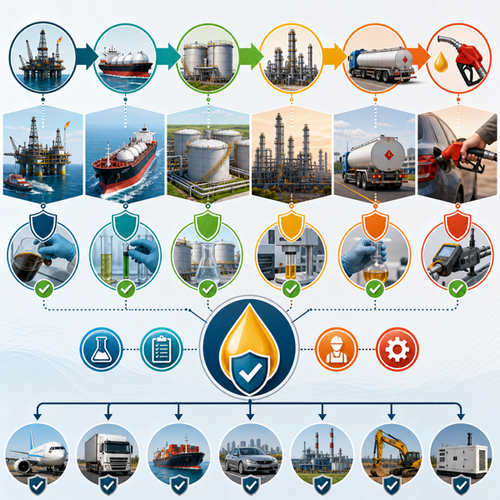
As the energy landscape evolves, liquid fuel standards play a pivotal role in supporting advancements across the petroleum industry. Whether it’s ensuring the stability of biofuels, guaranteeing the high purity of hydrogen for next-generation vehicles, or specifying the requirements for unleaded petrol, these standards underpin every aspect of modern fuel quality, safety, and performance. This article explores three essential standards—SIST EN 15751:2014, SIST EN 17124:2026, and SIST EN 228:2012—each of which addresses a key area in the liquid fuel ecosystem. By implementing these recognized specifications, businesses can achieve better productivity, enhanced security, and seamless scaling—crucial outcomes as they adopt new technologies and meet the challenges of a rapidly changing world.
Overview / Introduction
The petroleum industry stands at the crossroads of tradition and innovation, fueling everything from private vehicles to public transportation and industrial operations. As new fuels and technologies emerge—such as biofuels and hydrogen fuel cells—the need for clear, reliable, and internationally recognized standards has never been greater.
For businesses and professionals, understanding and applying liquid fuel standards means:
- Ensuring that products meet quality requirements for performance and regulatory acceptance
- Guaranteeing safety in production, transport, storage, and end-use scenarios
- Supporting innovation and transition toward cleaner, more sustainable energies
- Providing a framework that makes scaling and productivity improvements both practical and achievable
In this guide, we break down three key standards shaping the future of liquid fuels:
- SIST EN 15751:2014: Sets the method to check oxidation stability in biodiesel blends
- SIST EN 17124:2026: Defines quality criteria for hydrogen at refuelling points for fuel cell vehicles
- SIST EN 228:2012: Outlines specifications and test methods for unleaded petrol
By exploring their scope, requirements, and practical implications, this guide will show how these standards are essential tools for businesses, regulators, and technology adopters navigating the new era of liquid fuels.
Detailed Standards Coverage
SIST EN 15751:2014 - Ensuring Biofuel Stability for Diesel Engines
Automotive fuels – Fatty acid methyl ester (FAME) fuel and blends with diesel fuel – Determination of oxidation stability by accelerated oxidation method
What does this standard cover?
SIST EN 15751:2014 focuses on biofuels—specifically fatty acid methyl esters (FAME), which are commonly used as biodiesel or as blends with conventional diesel. The standard details a laboratory method to measure oxidation stability by testing how long it takes (the “induction period”) for the fuel to start degrading under controlled, accelerated conditions. It applies to:
- Pure FAME fuels
- FAME-diesel blends (containing at least 2% FAME by volume)
This test is critical because the chemical stability of FAME affects:
- Storage lifespan
- Engine performance
- Emission profiles
Key requirements and specifications:
- The oxidation stability is determined using an accelerated method, generally at a temperature of 110°C.
- The test measures the induction period—the time taken for oxidation products to form and be detected by an increase in conductivity.
- The method covers induction periods up to 48 hours (beyond this, precision is not guaranteed).
- Laboratories must use specified equipment, such as air flow systems, heated reaction vessels, and conductivity electrodes.
- Cetane improvers (such as EHN) may affect results, but these variations remain within the reproducibility of the method.
Who needs to comply?
This standard is essential for:
- Fuel producers and blenders
- Quality control labs
- Engine manufacturers
- Organizations implementing or commercializing biodiesel and biodiesel-diesel blends
- Regulatory agencies conducting market surveillance
Practical implementation implications:
- Supports compliance with biofuel quality requirements in fuel standards and local regulations
- Enables quick, reproducible checking of storage and handling performance
- Essential for meeting emission requirements when using biodiesel
- Provides documented method for claims about fuel quality during supply chain audits
Notable features:
- Harmonized approach for diverse FAME-diesel formulations
- Applicable to a range of production sources (e.g., esterification, hydrotreating)
- Aligned with related standards such as EN 14112 (for pure FAME)
Key highlights:
- Protects vehicle engines by ensuring fuel does not degrade prematurely
- Supports safe storage and reliable engine operation
- Compatible with modern quality control and certification systems
Access the full standard:View SIST EN 15751:2014 on iTeh Standards
SIST EN 17124:2026 - Quality and Assurance for Hydrogen as a Vehicle Fuel
Hydrogen fuel – Product specification and quality assurance for hydrogen refuelling points dispensing liquid or gaseous hydrogen – Proton exchange membrane (PEM) fuel cell applications for vehicles
What does this standard cover?
SIST EN 17124:2026 is a cornerstone for the emerging hydrogen economy, particularly as hydrogen is adopted for zero-emission vehicles equipped with proton exchange membrane (PEM) fuel cells. The standard specifies:
- Detailed purity requirements for both gaseous and liquid hydrogen dispensed at refuelling stations
- Quality assurance processes to maintain consistent hydrogen quality throughout the supply chain
- Criteria to prevent contamination, which could damage sensitive fuel cell technology
Key requirements and specifications:
- Hydrogen fuel index (minimum 99.97% by mole) and strict impurity thresholds (e.g., total non-hydrogen gases, water, hydrocarbons, carbon monoxide, sulfur compounds, etc.)
- Maximum allowable levels for each contaminant (e.g., CO = 0.2 μmol/mol, water = 5 μmol/mol, sulfur compounds = 0.004 μmol/mol)
- Routine and non-routine quality control processes (spot sampling, monitoring, and laboratory analysis)
- Comprehensive risk assessment methodology for identifying, monitoring, and mitigating impurities at every stage of the hydrogen supply chain (production, transport, and dispensing)
- Risk classes are defined based on probability of occurrence and potential severity of impact on the fuel cell system
- Guidance for supply chain design, sample handling, and remedial action in case of non-compliance
Who needs to comply?
- Hydrogen production and supply companies
- Refuelling station operators
- Automotive manufacturers (integrating fuel cell systems)
- Regulatory authorities setting compliance protocols
- Any organization planning to deploy or support PEM fuel cell vehicles
Practical implementation implications:
- Facilitates safe and reliable operation of fuel cell vehicles by protecting fuel cells from degradation caused by impurities
- Ensures uniformity of dispensed hydrogen across the network, enabling confidence for vehicle users and manufacturers
- Lays the groundwork for scaling hydrogen mobility infrastructure at national and international levels
- Helps businesses achieve environmental targets and meet government incentives for adopting alternative fuels
Notable features:
- Covers both liquid and gaseous hydrogen, broadening its applicability
- Integrates scientific risk assessment into regular quality assurance routines
- Specifies guidance for managing routine, non-routine, and incident-based quality checks
Key highlights:
- Supports clean mobility by enabling safe, reliable hydrogen fueling
- Protects vehicle technology investments with strict impurity limits
- Supports infrastructure resilience and public confidence in hydrogen as a fuel
Access the full standard:View SIST EN 17124:2026 on iTeh Standards
SIST EN 228:2012 - Defining Quality for Unleaded Petrol
Automotive fuels – Unleaded petrol – Requirements and test methods
What does this standard cover?
SIST EN 228:2012 is the foundational European standard for unleaded petrol (gasoline). It establishes:
- Specifications for two main grades of unleaded petrol (differentiated by permitted oxygen and ethanol content, catering to both modern and older vehicle fleets)
- Mandatory and optional parameters relating to fuel performance, composition, and environmental footprint
- Test methods for verifying compliance—including sampling, labeling, and analytical procedures
Key requirements and specifications:
- Maximum ethanol content: up to 10% for regular unleaded, up to 5% for legacy blends
- Maximum oxygen content: 3.7% (by mass) for newer blends, 2.7% for classic/older vehicles
- Limits for other components such as aromatics, benzene, sulfur, manganese, and metallic additives
- Defined requirements for volatility, distillation, vapor pressure, octane rating, and stability
- Marking and labeling requirements for retail fuel pumps to help consumers identify fuel properties
- Guidance for incorporating bioethanol and other oxygenates without compromising vehicle performance or emissions
Who needs to comply?
- Fuel manufacturers and distributors
- Retailers and refuelling stations
- Automotive manufacturers
- Regulatory agencies and inspectors
- Quality assurance laboratories and auditors
Practical implementation implications:
- Standardizes fuel composition across borders, supporting international vehicle trade and mobility
- Enables compatibility with emissions control technology and updated vehicle fleets
- Encourages blending of bio-components as a step toward reduced carbon intensity in transport fuels
- Protects consumers by ensuring accuracy in labeling and information at the point of sale
Notable features:
- Flexible: accommodates new biofuel technologies while safeguarding legacy vehicles
- Harmonized with European directives and environmental requirements
- Comprehensive: includes sampling, testing, and dispute resolution sections
Key highlights:
- Supports regulatory compliance for emissions limits
- Ensures market confidence and protection for drivers
- Provides a clear, technology-neutral specification adaptable to new fuel technologies
Access the full standard:View SIST EN 228:2012 on iTeh Standards
Industry Impact & Compliance
Implementing internationally recognized standards for liquid fuels brings measurable value and strategic advantages to the petroleum industry, automotive sector, and beyond. Here are some core ways these standards shape industry practices and compliance:
Enhancing Product Quality and Consistency
- Ensures fuels meet key requirements for engine performance, emissions, and reliability
- Reduces risk of disputes over fuel quality by providing clear, defensible measurements
- Facilitates seamless blending, storage, and transport operations
Mitigating Technical and Regulatory Risks
- Aligns production and distribution practices with government regulations and environmental targets
- Reduces risk of fines, recalls, and reputational damage from non-compliance with national or international laws
- Protects assets—specifically sensitive engine and fuel cell systems—from premature wear or catastrophic failure due to inconsistent fuel quality
Boosting Productivity and Enabling Scaling
- Lays the groundwork for expanding operations, both geographically and technologically (for example, moving from conventional to advanced fuels)
- Streamlines supply chains with harmonized processes, reducing cost per unit and improving time-to-market
- Encourages data-driven optimization and process control in laboratories and production settings
Supporting Security and Innovation
- Ensures that new technologies—like fuel cells or higher blends of biofuels—can be reliably integrated into existing infrastructure
- Increases consumer and industry confidence in the safety, usability, and performance of novel fuel formulations
Risks of Non-Compliance
- Engine damage, increased maintenance costs
- Fuel contamination, blending errors, or failed government inspections
- Impaired market access due to non-recognition of out-of-date or non-standardized fuel products
Implementation Guidance
For organizations looking to implement or maintain compliance with these liquid fuel standards, the following best practices and resources can optimize your approach:
1. Set Up Robust Quality Assurance Systems
- Invest in laboratory and field testing that follows procedures detailed in each standard
- Train staff in both analytical protocols and equipment calibration
2. Integrate Documentation and Reporting
- Maintain clear documentation of fuel batches, blending operations, and test outcomes
- Use standardized reporting templates when possible to facilitate rapid verification during audits
3. Collaborate Across the Supply Chain
- Build relationships with suppliers, logistics companies, and end-users to ensure consistent understanding of requirements
- Share quality control data where appropriate
4. Stay Updated on Technological and Regulatory Changes
- Monitor updates to standards and related regulations
- Attend industry workshops, webinars, and training sessions
5. Conduct Regular Compliance Audits
- Schedule recurring internal and external audit cycles
- Include spot checks, laboratory re-testing, and review of record-keeping practices
Resources
- The iTeh Standards platform (https://standards.iteh.ai) provides easy access to authoritative standards documents
- Technical committees (e.g., CEN/TC 19 or CEN/TC 268) publish guidance and FAQs
- Industry associations often host training courses and compliance webinars
Conclusion / Next Steps
Liquid fuel standards serve as the backbone for productivity, scaling, and innovation in the petroleum industry. As the market pivots toward sustainable fuel options and cutting-edge vehicle technologies, frameworks like SIST EN 15751:2014, SIST EN 17124:2026, and SIST EN 228:2012 ensure that fuel suppliers, automotive companies, and infrastructure developers can promise safety, reliability, and high performance to their customers.
By adopting and maintaining compliance with these standards, organizations unlock access to new markets, guarantee the security of their assets, and position themselves as leaders in a future-ready, sustainable transportation sector.
Recommendations:
- Regularly review and update internal practices to align with evolving standards and technologies
- Invest in education and equipment to ensure precise, repeatable compliance
- Stay engaged with standardization bodies and industry groups to remain at the cutting edge of fuel technology and regulatory expectations
To learn more and access the full text of each standard, visit iTeh Standards and explore the resources linked above. Adopting these standards is not just a regulatory requirement—it is a strategic asset in building a smarter, more resilient, and innovative fuel business.
Categories
- Latest News
- New Arrivals
- Generalities
- Services and Management
- Natural Sciences
- Health Care
- Environment
- Metrology and Measurement
- Testing
- Mechanical Systems
- Fluid Systems
- Manufacturing
- Energy and Heat
- Electrical Engineering
- Electronics
- Telecommunications
- Information Technology
- Image Technology
- Precision Mechanics
- Road Vehicles
- Railway Engineering
- Shipbuilding
- Aircraft and Space
- Materials Handling
- Packaging
- Textile and Leather
- Clothing
- Agriculture
- Food technology
- Chemical Technology
- Mining and Minerals
- Petroleum
- Metallurgy
- Wood technology
- Glass and Ceramics
- Rubber and Plastics
- Paper Technology
- Paint Industries
- Construction
- Civil Engineering
- Military Engineering
- Entertainment