


Fuel System Standards for Road Vehicles: Ensuring Safety, Quality, and Performance
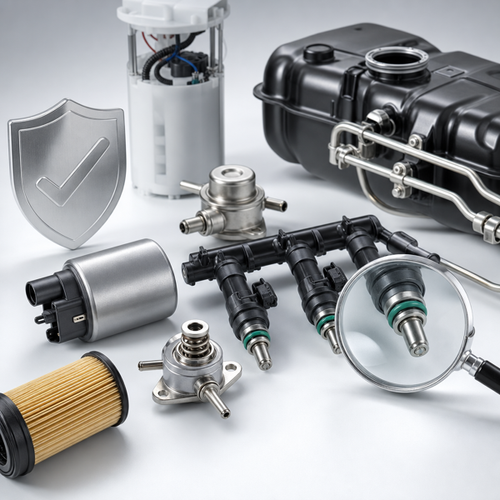
In today’s rapidly evolving road vehicle industry, fuel systems are the backbone of operational efficiency and environmental compliance. With the steady rise of alternative fuels like hydrogen, liquefied petroleum gas (LPG), and biomethane, implementing effective standards isn’t just a best practice—it’s a competitive necessity. This guide covers four internationally recognized standards for road vehicle fuel systems, from LPG user manual requirements to hydrogen fuel assurance and biomethane analysis. By adopting these fuel system standards, businesses enhance productivity, safety, scalability, and environmental responsibility.
Overview / Introduction
The modern road vehicles sector is witnessing a fast-paced transformation powered by new fuels, advanced fuel cell technology, and more stringent environmental regulations. Standards in fuel systems are central to this shift because they:
- Define safety, performance, and interoperability requirements
- Harmonize quality across markets
- Offer clear guidance for manufacturers, suppliers, and end-users
- Reduce risks related to fuel quality or handling
This article provides an accessible overview of four influential fuel system standards:
- SIST EN 13856:2002 — LPG user manual requirements
- SIST EN 17124:2026 — Hydrogen fuel quality and assurance
- SIST EN ISO 17268-1:2025 — Hydrogen refuelling connections
- SIST EN ISO 2613-2:2024 — Siloxane content in biomethane analysis
You’ll learn what each standard covers, who needs to comply, how they strengthen safety and productivity, and where to find full documentation.
Detailed Standards Coverage
SIST EN 13856:2002 - Minimum Requirements for Automotive LPG User Manuals
Minimum requirements for the content of the user manual for automotive LPG systems
LPG-powered vehicles offer cost-effective and cleaner operation, but safe usage hinges on informed users. SIST EN 13856:2002 specifies the minimum content requirements for user manuals accompanying automotive LPG propulsion systems—omitting forklift trucks and industrial machinery. The standard focuses on empowering drivers and technicians with accurate, safety-centered operational guidance.
Key sections include:
- Technical specifications for the system
- Safety instructions for LPG handling
- Instructions for proper LPG refuelling
- Procedures for switching over between fuel modes
- Guidance on opening/closing valves and reading the fuel level indicator
- Maintenance routines
- Actions for defects and repairs
- End-of-life system scrapping advice
Complying with this standard ensures that all LPG vehicles supply clear, accessible manuals, directly reducing user error and accident risks.
Key highlights:
- Enforces uniform minimum content for LPG system user manuals
- Covers safety-critical operations (filling, switching, maintenance)
- Required for all automotive LPG manufacturers and retrofitters
Access the full standard:View SIST EN 13856:2002 on iTeh Standards
SIST EN 17124:2026 - Hydrogen Fuel Quality for PEM Fuel Cell Vehicles
Hydrogen fuel - Product specification and quality assurance for hydrogen refuelling points dispensing liquid or gaseous hydrogen - Proton exchange membrane (PEM) fuel cell applications for vehicles
As hydrogen fuel cell vehicles become mainstream, SIST EN 17124:2026 sets critical guidelines for hydrogen supplied at refuelling stations. This standard details the quality characteristics of both liquid and gaseous hydrogen destined for PEM fuel cell vehicles, plus assurance processes to maintain quality throughout the supply chain.
Key requirements include:
- Hydrogen purity (minimum fuel index 99.97%)
- Strict limits on contaminants (water, particulates, hydrocarbons, CO, oxygen, etc.)
- Risk-based or prescriptive quality assurance plans for every supply chain step
- Evaluation of impurity impact on vehicle fuel cells, with defined severity classes
- Spot sampling and monitoring methods to guarantee consistent hydrogen composition
Target users include hydrogen producers, refuelling station operators, vehicle manufacturers, and supply chain quality managers. Adopting this standard ensures PEM fuel cells operate reliably and prevents costly or dangerous system failures due to contamination.
Key highlights:
- Specifies detailed allowable levels for numerous potential hydrogen contaminants
- Mandates robust quality control and risk assessment at each supply chain stage
- Helps standardize hydrogen refuelling infrastructure across countries
Access the full standard:View SIST EN 17124:2026 on iTeh Standards
SIST EN ISO 17268-1:2025 - Gaseous Hydrogen Refuelling Connection Devices
Gaseous hydrogen land vehicle refuelling connection devices - Part 1: Flow capacities up to and including 120 g/s (ISO 17268-1:2025)
Refuelling hydrogen vehicles requires connectors that are not just robust but universally compatible and safe across a range of pressures and flow rates. SIST EN ISO 17268-1:2025 defines the design, safety, and operational characteristics of connectors for gaseous hydrogen refuelling of land vehicles, focusing on systems up to 70 MPa and flow capacities up to 120 g/s.
It covers:
- Connector assemblies, including vehicle-mounted receptacles, nozzles, and communication hardware
- Construction and marking requirements for easy identification and safe use
- A comprehensive suite of performance and durability tests:
- Leakage, sealing, temperature cycling, corrosion resistance, vibration, pressure, durability, aging, compatibility, contamination, and user abuse
- Misconnection safeguards to prevent mixing with other fuels
- Instructions for routine handling and maintenance
Industries covered include automotive OEMs, hydrogen station infrastructure developers, and component suppliers. The standard minimizes risks of hydrogen leaks, misfuelling, or equipment failure, and supports interoperability across manufacturers and countries.
Key highlights:
- Establishes universal safety and compatibility criteria for hydrogen connectors
- Includes thorough durability, contamination, and abuse tests for high-usage settings
- Mandatory for hydrogen infrastructure developers and manufacturers
Access the full standard:View SIST EN ISO 17268-1:2025 on iTeh Standards
SIST EN ISO 2613-2:2024 - Siloxane Content Analysis in Biomethane
Analysis of natural gas - Silicon content of biomethane - Part 2: Determination of siloxane content by gas chromatography with ion mobility spectrometry (ISO 2613-2:2023)
Biomethane is a sustainable alternative fuel in transport and grid injection. However, siloxanes, common trace contaminants in biogas and biomethane, can degrade engine components and increase maintenance costs when burned. SIST EN ISO 2613-2:2024 sets forth a precise GC-IMS (gas chromatography-ion mobility spectrometry) method for measuring siloxane concentrations in biomethane, including:
- Hexamethyldisiloxane (L2)
- Octamethyltrisiloxane (L3)
- Decamethyltetrasiloxane (L4)
- Dodecamethylpentasiloxane (L5)
- Hexamethylcyclotrisiloxane (D3)
- Octamethylcyclotetrasiloxane (D4)
- Decamethylcyclopentasiloxane (D5)
- Dodecamethylcyclohexasiloxane (D6)
The standard specifies calibration strategies, sampling techniques, and gas purity requirements to accurately quantify siloxanes in pressure ranges of 1–2 bar, from 0–40°C, and up to 90% humidity.
Utility operators, biomethane producers, and vehicle fleets use this standard to ensure their product meets regulatory requirements for engine safety and environmental performance.
Key highlights:
- Delivers an accurate, sensitive GC-IMS method for low-level siloxane detection
- Covers a broad range of critical siloxanes (linear and cyclic compounds)
- Required for biomethane certification and downstream equipment protection
Access the full standard:View SIST EN ISO 2613-2:2024 on iTeh Standards
Industry Impact & Compliance
Fuel system standards such as those outlined above aren’t just bureaucratic checkboxes—they add measurable business value. By adhering to these international road vehicle standards, organizations:
- Guarantee safety, minimizing chances of fuel-related accidents and liability
- Facilitate market access by meeting regulatory and customer demands
- Lower long-term operational costs via uniform maintenance and reduced system failures
- Gain a marketing edge with certified, eco-friendly, and interoperable solutions
- Accelerate innovation, as standardization across new fuel types allows scale and supply chain integration
Non-compliance, on the other hand, can result in costly recalls, legal fines, product bans, and damaged reputations—especially in EU markets where such standards are legally enforced. Each of the described standards is referenced by regulatory agencies as a critical requirement for market entry and continued business operations.
Implementation Guidance
Successfully implementing road vehicle fuel system standards requires:
- Assessment: Evaluate existing documentation, production, and supply processes against the latest standard clauses.
- Training: Educate engineering, operations, and quality teams on standard requirements, from user manual authorship (SIST EN 13856) to complex analytical procedures (SIST EN ISO 2613-2).
- Process Integration: Embed documentation, testing, quality assurance, or inspection steps into day-to-day workflows.
- For hydrogen, maintain robust QA/QC records across every point in the supply chain.
- For user manuals, use checklists drawn from the standard’s clause structure.
- In biomethane plants or fueling sites, validate sample handling, calibration gases, and analytical procedures.
- Resource Utilization: Use specialized equipment (gas chromatographs, hydrogen purity analyzers) and consult with third-party laboratories or certification bodies as needed.
- Continuous Improvement: Leverage audit results and non-conformance reports to refine and retrain staff, updating systems when standards are revised.
Best practices also recommend registering for notifications on updates from recognized bodies like SIST, ISO, or CEN to ensure ongoing compliance.
Relevant resources and support for implementation are accessible through iTeh Standards at https://standards.iteh.ai.
Conclusion / Next Steps
International fuel system standards for road vehicles are the foundation of innovation, safety, and sustainability as fleets transition to alternative fuels and stricter environmental guidelines. Whether you’re a manufacturer, fuel supplier, fleet operator, or engineering consultant, adopting these standards:
- Reduces risk,
- Builds trust,
- Ensures regulatory access, and
- Positions your business for future growth and scaling.
To stay at the forefront of vehicle fuel technology and compliance, regularly review your processes against the latest standards. Explore complete texts, guidance, and implementation resources at iTeh Standards.
Categories
- Latest News
- New Arrivals
- Generalities
- Services and Management
- Natural Sciences
- Health Care
- Environment
- Metrology and Measurement
- Testing
- Mechanical Systems
- Fluid Systems
- Manufacturing
- Energy and Heat
- Electrical Engineering
- Electronics
- Telecommunications
- Information Technology
- Image Technology
- Precision Mechanics
- Road Vehicles
- Railway Engineering
- Shipbuilding
- Aircraft and Space
- Materials Handling
- Packaging
- Textile and Leather
- Clothing
- Agriculture
- Food technology
- Chemical Technology
- Mining and Minerals
- Petroleum
- Metallurgy
- Wood technology
- Glass and Ceramics
- Rubber and Plastics
- Paper Technology
- Paint Industries
- Construction
- Civil Engineering
- Military Engineering
- Entertainment