


ASTM F910-04(2015)
(Specification)Standard Specification for Face Guards for Youth Baseball
Standard Specification for Face Guards for Youth Baseball
ABSTRACT
This specification covers protective face guards designed to be attached to a pre-existing helmet for youth baseball. General requirements for protective face guards shall include mechanical strength, durability, flexibility, finish, padding, attachment system, and shall not cause skin irritation. The face guard shall undergo velocity and impact testing using apparatus such as headform and mounting, ball propelling device, and gage.
SCOPE
1.1 This specification covers protective face guards for sports such as youth baseball (batters and baserunners).
1.2 This type of face guard is designed to be attached to a pre-existing helmet.
1.3 The equipment covered by this specification is intended to reduce hazards of injury to the face, including eyes and mouth, due to impacts from baseballs or softballs.
1.4 The values stated in SI units are to be regarded as the standard. The values given in parentheses are for information only.
1.5 The following precautionary caveat pertains only to the test method portion, Section 5, of this specification: This standard does not purport to address all of the safety concerns, if any, associated with its use. It is the responsibility of the user of this standard to establish appropriate safety and health practices and determine the applicability of regulatory limitations prior to use.
General Information
Buy Standard
Standards Content (Sample)
NOTICE: This standard has either been superseded and replaced by a new version or withdrawn.
Contact ASTM International (www.astm.org) for the latest information
Designation: F910 − 04 (Reapproved 2015) An American National Standard
Standard Specification for
Face Guards for Youth Baseball
This standard is issued under the fixed designation F910; the number immediately following the designation indicates the year of original
adoption or, in the case of revision, the year of last revision. A number in parentheses indicates the year of last reapproval. A superscript
epsilon (´) indicates an editorial change since the last revision or reapproval.
INTRODUCTION
In baseball, or similar sports, where the force of a pitched, hit, or deflected ball can cause facial
injury, there is a need for head, facial, eye, and teeth protection. After careful consideration of the
mechanisms and forces involved in this context, this specification for eye and facial protective
equipment has been prepared.
The impact test is designed to approximate the impact of a direct perpendicular blow from a
baseball traveling at 30 m/s (67.1 mph). These speeds have been confirmed by actual measurements
on baseballs thrown by youth league pitchers. Performance and design requirements developed on this
basis are intended to minimize injury and to prolong the useful life of the equipment. However,
because of complex interactions of variables such as ball speed, direction and point of impact, and
particularly, individual differences in reaction to impact forces, it must be kept in mind that some
injuries, even some serious injuries, are still possible.
1. Scope 2.1.1 The design of the face guards and the choice of
materials shall be such as to combine mechanical strength and
1.1 This specification covers protective face guards for
durability consistent with the intended use of the equipment.
sports such as youth baseball (batters and baserunners).
2.1.2 Materials coming into contact with the wearer’s face
1.2 This type of face guard is designed to be attached to a
shall not be a type known to cause skin irritation or disease,
pre-existing helmet.
and shall not undergo significant loss of strength, flexibility, or
1.3 The equipment covered by this specification is intended
other physical change as a result of contact with perspiration,
to reduce hazards of injury to the face, including eyes and
oil, or grease from the wearer’s head or skin.
mouth, due to impacts from baseballs or softballs.
2.2 Finishes—All points shall be well finished, and free of
1.4 The values stated in SI units are to be regarded as the
sharp edges or other irregularities that would present potential
standard. The values given in parentheses are for information
hazards of scratching and cutting the user or an opposing
only.
player.
1.5 The following precautionary caveat pertains only to the
2.3 Padding—Where padded chin straps are used, the pad-
test method portion, Section 5, of this specification: This
ding material shall be attached to the device in such a way as
standard does not purport to address all of the safety concerns,
to cover all the hard surfaces that come into contact with the
if any, associated with its use. It is the responsibility of the user
chin. The method of securing padding shall maintain the
of this standard to establish appropriate safety and health
padding material in position under normal conditions of heat,
practices and determine the applicability of regulatory limita-
cold, moisture, or force distortion by the wearer. Any adhesive
tions prior to use.
used to attach the padding to the face guard shall be of such a
type as to cause no deterioration or stress of the face guard
2. General Requirements
material.
2.1 Materials:
2.4 Attachment System—Face guards shall be attached to the
helmet in such a way as to avoid reduction of the degree of
protection offered by the helmet or the combination of helmet
This specification is under the jurisdiction of ASTM Committee F08 on Sports
Equipment, Playing Surfaces, and Facilities and is the direct responsibility of and guard. The protection offered by the helmet or guard shall
Subcommittee F08.53 on Headgear and Helmets.
be considered impaired if there is visual evidence of stress to
Current edition approved April 1, 2015. Published July 2015. Originally
the helmet or guard or any disengagement of the guard
approved in 1985. Last previous edition approved in 2010 as F910 – 04(2010). DOI:
10.1520/F0910-04R15. following the tests as set forth in 5.3 or while in use.
Copyright © ASTM International, 100 Barr Harbor Drive, PO Box C700, West Conshohocken, PA 19428-2959. United States
F910 − 04 (2015)
FIG. 1 Face Guard and Helmet on Headform
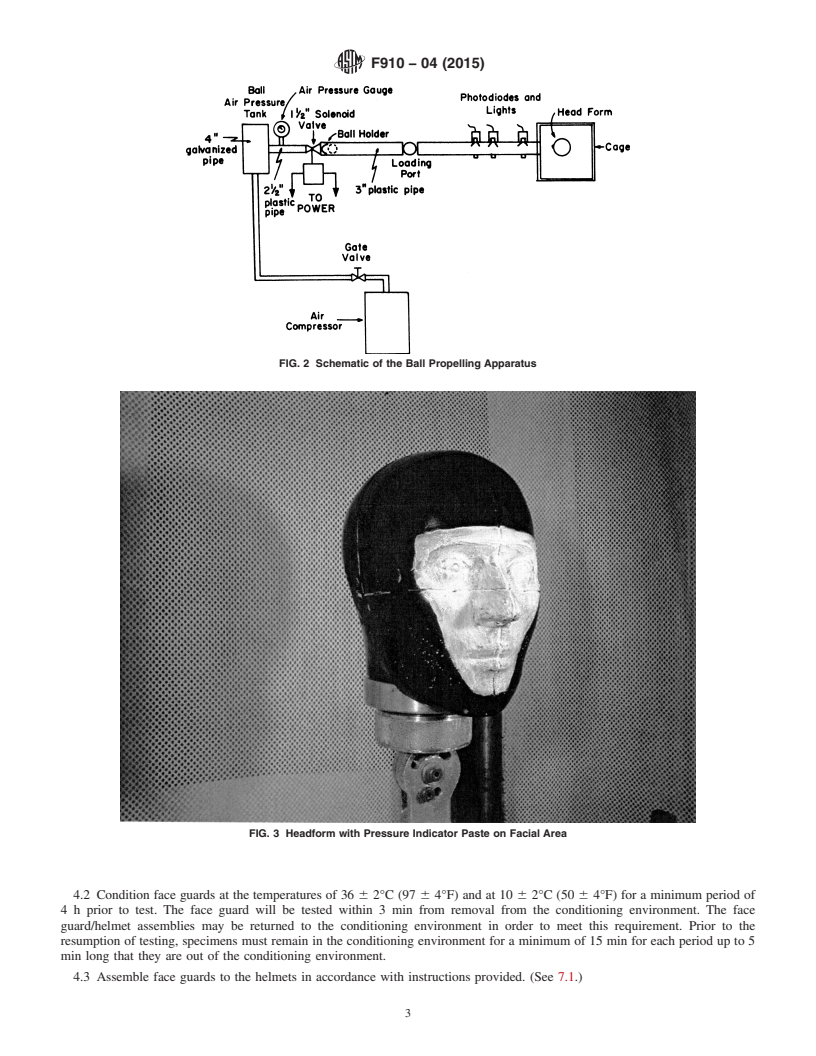
FIG. 2 Schematic of the Ball Propelling Apparatus
3. Performance Requirements 3.2.1 When testing in accordance with Section 5, the fol-
lowing applies:
3.1 All testing shall be done with the face guard mounted on
a helmet of a make or model specified by the face guard
manufacturer and placed on a headform as specified in 5.1.1.
3.2 Impact Requirements:
F910 − 04 (2015)
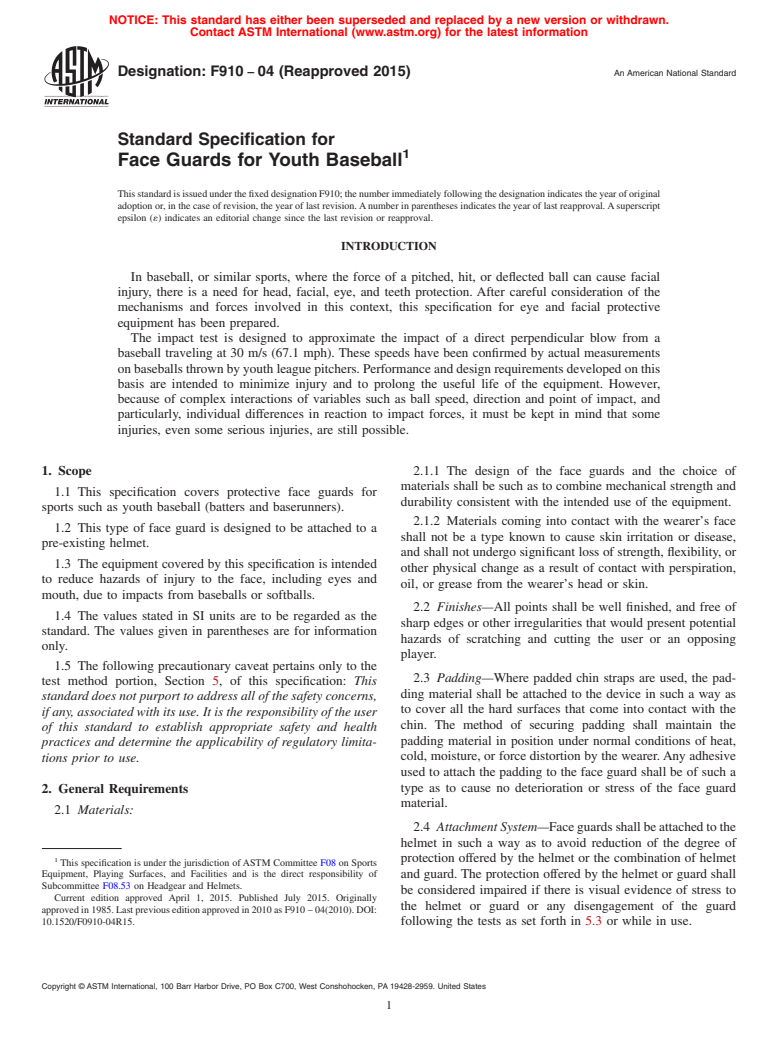
FIG. 3 Headform with Pressure Indicator Paste on Facial Area
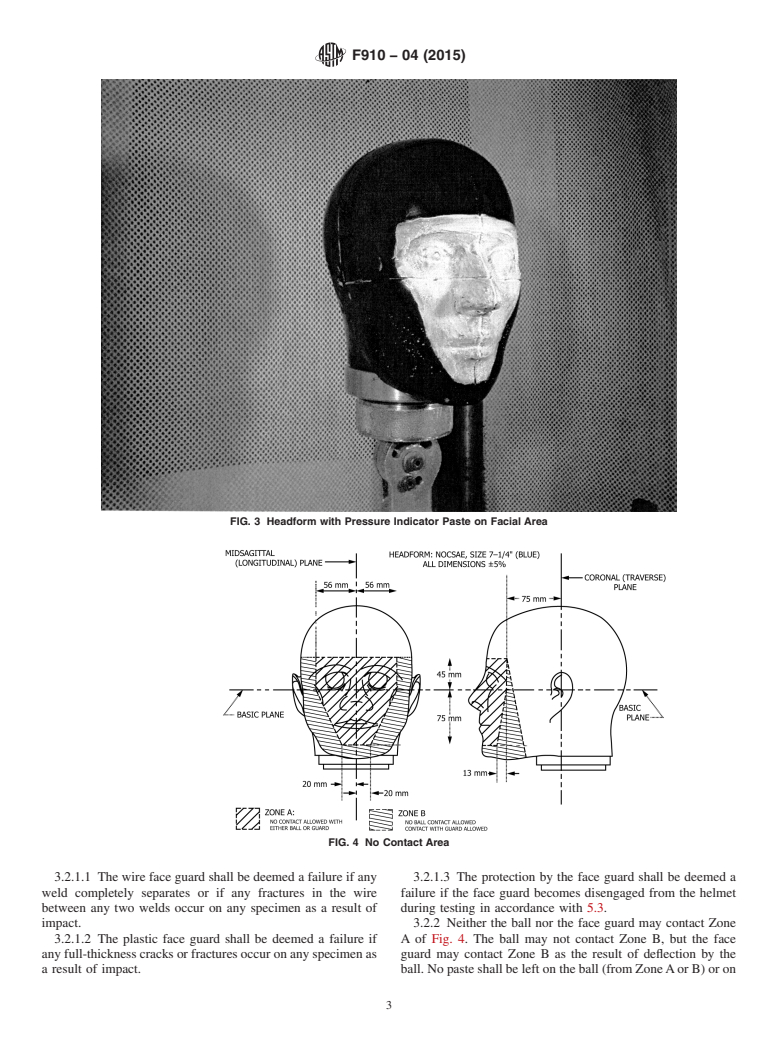
FIG. 4 No Contact Area
3.2.1.1 The wire face guard shall be deemed a failure if any 3.2.1.3 The protection by the face guard shall be deemed a
weld completely separates or if any fractures in the wire failure if the face guard becomes disengaged from the helmet
between any two welds occur on any specimen as a result of during testing in accordance with 5.3.
impact. 3.2.2 Neither the ball nor the face guard may contact Zone
3.2.1.2 The plastic face guard shall be deemed a failure if A of Fig. 4. The ball may not contact Zone B, but the face
any full-thickness cracks or fractures occur on any specimen as guard may contact Zone B as the result of deflection by the
a result of impact. ball. No paste shall be left on the ball (from Zone A or B) or on
F910 − 04 (2015)
FIG. 5 Standard Mouth and Eye Impact Locations
2,3
any part of the face guard (from Zone A) as a result of the 5.1.1 Headform and Mounting—The face guard/helmet
impact specified in 5.3.1. Paste residue transferred from “no
assemblies shall be fitted on the medium NOCSAE head form
contact areas” as determined above and in Fig. 4 will constitute
(see Fig. 1) for impact tests. Attach the head form to a
2,4
a failure. The paste can be colored using a food coloring or
mounting plate. The mounting plate is to be assembled to
other suitable material in order to apply different colors to Zone
linear bearings and guide rods so that the head form is free to
A and Zone B so that areas of facial contact are more easily
move directionally in relation to the impact.
distinguishable when examining the ball and face guard.
7 1
Fiftieth Percentile—Medium Size (6 ⁄8 to 7 ⁄4)
4. Sample Preparation
5.1.2 Ball Propelling Device—The ball propelling device
shall consist of an apparatus which has the capability of
4.1 Test only face guards as offered
...
This document is not an ASTM standard and is intended only to provide the user of an ASTM standard an indication of what changes have been made to the previous version. Because
it may not be technically possible to adequately depict all changes accurately, ASTM recommends that users consult prior editions as appropriate. In all cases only the current version
of the standard as published by ASTM is to be considered the official document.
Designation: F910 − 04 (Reapproved 2010) F910 − 04 (Reapproved 2015)An American National Standard
Standard Specification for
Face Guards for Youth Baseball
This standard is issued under the fixed designation F910; the number immediately following the designation indicates the year of original
adoption or, in the case of revision, the year of last revision. A number in parentheses indicates the year of last reapproval. A superscript
epsilon (´) indicates an editorial change since the last revision or reapproval.
INTRODUCTION
In baseball, or similar sports, where the force of a pitched, hit, or deflected ball can cause facial
injury, there is a need for head, facial, eye, and teeth protection. After careful consideration of the
mechanisms and forces involved in this context, this specification for eye and facial protective
equipment has been prepared.
The impact test is designed to approximate the impact of a direct perpendicular blow from a
baseball traveling at 30 m/s (67.1 mph). These speeds have been confirmed by actual measurements
on baseballs thrown by youth league pitchers. Performance and design requirements developed on this
basis are intended to minimize injury and to prolong the useful life of the equipment. However,
because of complex interactions of variables such as ball speed, direction and point of impact, and
particularly, individual differences in reaction to impact forces, it must be kept in mind that some
injuries, even some serious injuries, are still possible.
1. Scope
1.1 This specification covers protective face guards for sports such as youth baseball (batters and baserunners).
1.2 This type of face guard is designed to be attached to a pre-existing helmet.
1.3 The equipment covered by this specification is intended to reduce hazards of injury to the face, including eyes and mouth,
due to impacts from baseballs or softballs.
1.4 The values stated in SI units are to be regarded as the standard. The values given in parentheses are for information only.
1.5 The following precautionary caveat pertains only to the test method portion, Section 5, of this specification:This standard
does not purport to address all of the safety concerns, if any, associated with its use. It is the responsibility of the user of this
standard to establish appropriate safety and health practices and determine the applicability of regulatory limitations prior to use.
2. General Requirements
2.1 Materials:
2.1.1 The design of the face guards and the choice of materials shall be such as to combine mechanical strength and durability
consistent with the intended use of the equipment.
2.1.2 Materials coming into contact with the wearer’s face shall not be a type known to cause skin irritation or disease, and shall
not undergo significant loss of strength, flexibility, or other physical change as a result of contact with perspiration, oil, or grease
from the wearer’s head or skin.
2.2 Finishes—All points shall be well finished, and free of sharp edges or other irregularities that would present potential
hazards of scratching and cutting the user or an opposing player.
2.3 Padding—Where padded chin straps are used, the padding material shall be attached to the device in such a way as to cover
all the hard surfaces that come into contact with the chin. The method of securing padding shall maintain the padding material in
position under normal conditions of heat, cold, moisture, or force distortion by the wearer. Any adhesive used to attach the padding
to the face guard shall be of such a type as to cause no deterioration or stress of the face guard material.
This specification is under the jurisdiction of ASTM Committee F08 on Sports Equipment Equipment, Playing Surfaces, and Facilities and is the direct responsibility
of Subcommittee F08.53 on Headgear and Helmets.
Current edition approved Oct. 1, 2010April 1, 2015. Published December 2010 July 2015. Originally approved in 1985. Last previous edition approved in 20042010 as
F910 – 04.F910 – 04(2010). DOI: 10.1520/F0910-04R10.10.1520/F0910-04R15.
Copyright © ASTM International, 100 Barr Harbor Drive, PO Box C700, West Conshohocken, PA 19428-2959. United States
F910 − 04 (2015)
2.4 Attachment System—Face guards shall be attached to the helmet in such a way as to avoid reduction of the degree of
protection offered by the helmet or the combination of helmet and guard. The protection offered by the helmet or guard shall be
considered impaired if there is visual evidence of stress to the helmet or guard or any disengagement of the guard following the
tests as set forth in 5.3 or while in use.
3. Performance Requirements
3.1 All testing shall be done with the face guard mounted on a helmet of a make or model specified by the face guard
manufacturer and placed on a headform as specified in 5.1.1.
3.2 Impact Requirements:
3.2.1 When testing in accordance with Section 5, the following applies:
3.2.1.1 The wire face guard shall be deemed a failure if any weld completely separates or if any fractures in the wire between
any two welds occur on any specimen as a result of impact.
3.2.1.2 The plastic face guard shall be deemed a failure if any full-thickness cracks or fractures occur on any specimen as a
result of impact.
3.2.1.3 The protection by the face guard shall be deemed a failure if the face guard becomes disengaged from the helmet during
testing in accordance with 5.3.
3.2.2 Neither the ball nor the face guard may contact Zone A of Fig. 4. The ball may not contact Zone B, but the face guard
may contact Zone B as the result of deflection by the ball. No paste shall be left on the ball (from Zone A or B) or on any part
of the face guard (from Zone A) as a result of the impact specified in 5.3.1. Paste residue transferred from “no contact areas” as
determined above and in Fig. 4 will constitute a failure. The paste can be colored using a food coloring or other suitable material
in order to apply different colors to Zone A and Zone B so that areas of facial contact are more easily distinguishable when
examining the ball and face guard.
4. Sample Preparation
4.1 Test only face guards as offered for sale and only when attached to an appropriate helmet.
FIG. 1 Face Guard and Helmet on Headform
F910 − 04 (2015)
FIG. 2 Schematic of the Ball Propelling Apparatus
FIG. 3 Headform with Pressure Indicator Paste on Facial Area
4.2 Condition face guards at the temperatures of 36 6 2°C (97 6 4°F) and at 10 6 2°C (50 6 4°F) for a minimum period of
4 h prior to test. The face guard will be tested within 3 min from removal from the conditioning environment. The face
guard/helmet assemblies may be returned to the conditioning environment in order to meet this requirement. Prior to the
resumption of testing, specimens must remain in the conditioning environment for a mini
...
Questions, Comments and Discussion
Ask us and Technical Secretary will try to provide an answer. You can facilitate discussion about the standard in here.