


June 2026: Major Advances in Health Care Technology Standards
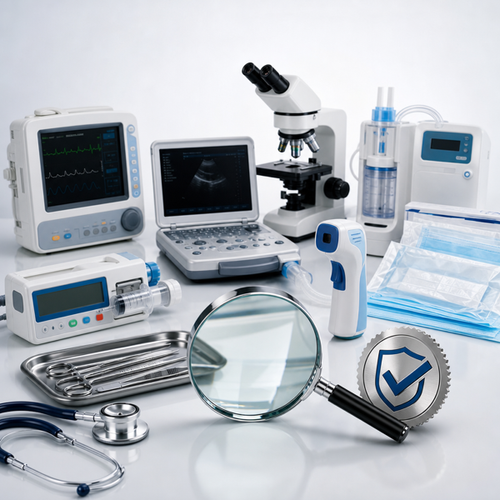
Healthcare technology continues its rapid evolution, and with June 2026 comes a vital set of five new and revised international standards. These publications address essential aspects of patient safety, performance, and clinical efficiency for medical devices such as prefilled syringes, endodontic instruments, clinical thermometers, oropharyngeal airways, and dental operating lights. As regulatory demands and market expectations intensify, adopting these standards will be crucial for manufacturers, clinicians, quality managers, and procurement specialists seeking to maintain compliance and deliver the highest standards of patient care.
Overview
As healthcare becomes more advanced and complex, international standards play a key role in ensuring that medical equipment and devices meet demanding safety, quality, and functional performance benchmarks. This month, five important standards have been published, governing a range of medical devices used daily in clinics, hospitals, and dental practices worldwide. This article provides an in-depth review of each of these standards, their scope, practical implementation considerations, and what these updates mean for your organization.
After reading, you'll gain:
- Clear understanding of the latest requirements and test methods
- Insights into regulatory and compliance implications
- Actionable best practices for seamless adoption
Detailed Standards Coverage
ISO 11040-8:2026 - Prefilled Syringes: Finished Product Requirements
Prefilled syringes — Part 8: Requirements and test methods for finished prefilled syringes
This revised standard applies to finished, single-use prefilled syringes that are aseptically processed or terminally sterilized. Building on previous parts of the ISO 11040 series, it mandates requirements for the complete system: the barrel, plunger stopper, front end closure, and the injectable product inside. Key focuses are on safety, quality, and functional performance, including comprehensive testing procedures conducted with the finished product.
Key requirements include:
- Critical dimensions and material specifications to ensure integrity in storage and administration
- Force requirements (e.g., break-loose, extrusion, flange breakage, needle penetration and pull-out)
- Leakage resistance, residual volume, and administration time for accurate drug delivery
- Container closure integrity and guidance on interactions between syringe components and pharmaceutical products
- Risk management and usability engineering, reflecting modern regulatory expectations
The 2026 edition introduces significant clarifications and new testing protocols—such as expanded break-loose force methods, revised leakage resistance criteria (combining burst pressure evaluation), and updated marking standards. Notably, it aligns product assessment at a 95% confidence design verification level and covers the use of prefilled syringes as medical devices or borderline products, ensuring applicability across global regulatory environments.
Who should comply:
- Pharmaceutical and combination product manufacturers
- Medical device manufacturers using prefilled syringe formats
- Regulatory and QA professionals overseeing sterile injectable delivery systems
Key highlights:
- New test methods for functional performance and leakage resistance
- Greater emphasis on comprehensive usability and risk management
- Requirements applicable to both drugs and device-regulated syringes
Access the full standard:View ISO 11040-8:2026 on iTeh Standards
ISO 3630-8:2026 - Dentistry: Electronic Apex Locator Accuracy
Dentistry — Endodontic instruments — Part 8: Accuracy of electronic apex locator
This new part of the ISO 3630 series defines how the accuracy of electronic apex locators should be evaluated during endodontic (root canal) procedures. Apex locators are vital for dentistry, guiding clinicians to precise canal endpoints while minimizing patient risk and procedural errors.
The standard covers:
- Performance criteria for apex location accuracy, with statistical evaluation methods
- Required test methods and apparatus, including controlled environmental and material standards
- Reproducibility, calibration, and result evaluation using video measuring devices or height gauges
Users benefit from harmonized measurement protocols, ensuring cross-device comparability and improved patient outcomes. ISO 3630-8:2026 complements broader electrical safety requirements, referencing IEC 60601-1 and IEC 80601-2-60, while excluding biological testing (refer to ISO 10993-1, ISO 7405).
Who is affected:
- Dental equipment manufacturers and designers
- Practitioners and purchasing teams in prosthodontics and endodontics
- QA, regulatory, and calibration labs
Key highlights:
- Strict protocols for apex location accuracy verification
- Objective, reproducible testing environments and apparatus
- Foundation for safer, more reliable dental endodontic treatments
Access the full standard:View ISO 3630-8:2026 on iTeh Standards
EN ISO 12487:2026 - Evaluating Clinical Performance of Medical Thermometers
Medical electrical equipment - Clinical performance evaluation of clinical thermometers (ISO 12487:2026)
EN ISO 12487:2026 specifies the criteria and methodologies for clinically investigating medical electrical equipment used to measure body temperature in indirect modes (e.g., oral, axillary). It details both intermittent and continuous measurement techniques, focusing on predictive-type thermometers with rapid response (<60 seconds for oral/rectal, <5 minutes for axillary).
Requirements encompass:
- Study design for clinical performance evaluation, including subject criteria, environmental conditions, and reference thermometer calibration
- Detailed protocols for bias, repeatability, and standard deviation assessment
- Additional manufacturer disclosure and reporting requirements
Thermometers designed for direct incorporation (e.g., pulmonary artery catheters) or for fever screening (e.g., infrared thermographs) are addressed in other standards. This specification is a critical reference for new product development, clinical studies, and regulatory filings.
Key stakeholders:
- Manufacturers of electronic thermometers
- Clinical research organizations and laboratories
- Medical device regulatory and quality departments
Key highlights:
- Robust methodologies for bias and repeatability analysis
- Clear test subject and environmental setup requirements
- Explicit disclosure requirements supporting transparency and reliability
Access the full standard:View EN ISO 12487:2026 on iTeh Standards
EN ISO 5364:2026 - Requirements for Oropharyngeal Airways
Anaesthetic and respiratory equipment - Oropharyngeal airways (ISO 5364:2026)
EN ISO 5364:2026 establishes safety and design requirements for oropharyngeal airways—devices essential for maintaining open gas pathways during anaesthesia and emergency medicine. The standard covers size nomenclature, critical dimensions, materials, and performance, including resistance to collapse and cleaning/sterilization demands.
The sixth edition aligns with ISO 18190’s format, increasing harmonization across airway devices. It also incorporates new temperature guidelines reflecting extreme-use conditions and prioritizes features that reduce dental and soft-tissue trauma.
Focus points include:
- Clear marking and color coding for emergency selection
- Material suitability for resistance to anaesthetic gases, sterilization, and wear
- Updated test methods for lumen patency and resistance to collapse
- Exclusion of metal, flammability, and supralaryngeal airways (covered elsewhere)
Who should comply:
- Manufacturers of disposable and reusable oropharyngeal airways
- Hospital, ambulance, and surgery center procurement teams
- Quality assurance teams validating conformity pre-market and post-market
Key highlights:
- Consistent device size/marking for rapid clinical selection
- Enhanced requirements for durability and sterility
- Specialized resistance to collapse and patency verification methods
Access the full standard:View EN ISO 5364:2026 on iTeh Standards
EN ISO 9680:2026 - Dental Operating Lights: Requirements and Testing
Dentistry - Operating lights (ISO 9680:2026)
EN ISO 9680:2026 details requirements and test methods for dental operating lights—critical for clinicians to properly illuminate the oral cavity during treatment. The standard applies regardless of the light source technology and emphasizes performance, patient safety, setup, labeling, and compatibility with modern restorative materials.
Key coverage areas include:
- Optical parameters (adjustable illuminance, pattern, chromaticity, color temperature, uniformity, and color fidelity)
- Safety aspects covering UV and blue-light hazard, irradiation, and patient exposure
- Mechanical and ergonomic features such as user controls, stability, marking, and packaging
Excluded are auxiliary light sources and devices for patient contact (e.g., intraoral handpieces, headlamps), as well as lights designed for oral surgery. This is a major update for manufacturers and dental providers, replacing EN ISO 9680:2021 with the latest technical advancements and testing protocols.
Ideal for:
- Manufacturers and engineers of dental lighting equipment
- Dental clinics, hospitals, and procurement managers
- QA and compliance professionals in dental equipment supply chains
Key highlights:
- Comprehensive optical and safety requirements
- Uniform testing for color and light hazards
- Detailed user instructions, packaging, and labeling protocols
Access the full standard:View EN ISO 9680:2026 on iTeh Standards
Industry Impact & Compliance
Integrating these updated standards is not just a regulatory requirement but a strategic advantage, supporting safer, more effective clinical practices while mitigating risks:
- Manufacturers and suppliers must update product designs, documentation, and testing according to the new benchmarks
- Regulatory and quality assurance teams need to align internal procedures for conformance, audit trails, and certification evidence
- Healthcare providers and procurement specialists should specify and source devices that meet these latest global standards
Early adoption offers competitive benefits—reduced product recalls, enhanced market access (especially in regulated markets), improved patient outcomes, and protection from legal and reputational risks. Non-compliance may lead to costly market restrictions, liability exposure, and workflow disruptions, especially in cross-border supply chains.
Technical Insights
Common technical requirements:
- Rigorous clinical and laboratory evaluation, often with statistically defined acceptance criteria
- Expanded usability testing, labeling, and documentation demands
- New protocols for functional and performance testing, often requiring updated equipment or recalibration
Best practices for implementation:
- Conduct a gap analysis between legacy and updated requirements
- Train internal teams and update SOPs to reflect changes
- Liaise with external laboratories for third-party testing as prescribed
- Use robust traceability and documentation tools to support regulatory filings
Testing and certification: Engage with notified bodies or competent testing labs early. Cross-reference new requirements with existing certifications and ensure update cycles are factored into product lifecycle management.
Conclusion / Next Steps
The June 2026 publication cycle marks major advancements in international standards for health care technology. By proactively adopting these five new standards, organizations can fortify their operational quality, meet evolving global regulatory expectations, and assure best-in-class patient care.
Recommendations:
- Review the full text of each standard using the provided iTeh Standards links
- Update quality management systems and staff training
- Consult with stakeholders (regulatory, clinical, procurement) for a smooth transition
Stay tuned for Part 4 in our comprehensive coverage of June 2026 health care technology standards, and explore iTeh Standards for authoritative, up-to-date compliance resources.
Categories
- Latest News
- New Arrivals
- Generalities
- Services and Management
- Natural Sciences
- Health Care
- Environment
- Metrology and Measurement
- Testing
- Mechanical Systems
- Fluid Systems
- Manufacturing
- Energy and Heat
- Electrical Engineering
- Electronics
- Telecommunications
- Information Technology
- Image Technology
- Precision Mechanics
- Road Vehicles
- Railway Engineering
- Shipbuilding
- Aircraft and Space
- Materials Handling
- Packaging
- Textile and Leather
- Clothing
- Agriculture
- Food technology
- Chemical Technology
- Mining and Minerals
- Petroleum
- Metallurgy
- Wood technology
- Glass and Ceramics
- Rubber and Plastics
- Paper Technology
- Paint Industries
- Construction
- Civil Engineering
- Military Engineering
- Entertainment