


A Comprehensive Guide to International Standards for Railway Rolling Stock
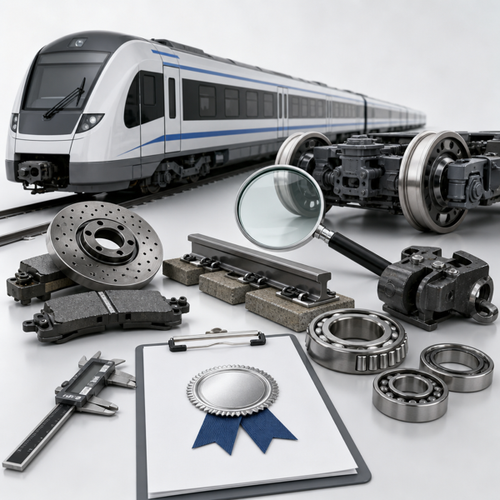
Railway rolling stock has become a focal point for innovation, safety, and efficiency in modern transportation. Underpinning these advances are a set of crucial international standards, which guide everything from on-board electrical equipment to security systems and electromagnetic compatibility. In this comprehensive guide, we illuminate the landscape of railway engineering standards, with a particular focus on four vital IEC standards influencing worldwide rolling stock.
Businesses today face increasing demands for safe, productive, and scalable railway operations. Implementing these standards brings tangible benefits—heightened security, streamlined scaling, efficiency gains, and robust compliance with regulations and customer expectations. With new technologies and expanding networks, adhering to these guidelines is not just recommended; it is a must for sustainable, competitive railway operations.
Overview / Introduction
Railway engineering has always demanded precision, safety, and interoperability. As railways become more electrified and digitalized, the complexity of rolling stock—locomotives, passenger coaches, freight wagons, and multiple units—has grown dramatically. The need for common rules and best practices has therefore never been greater.
International standards are the backbone of reliability and compatibility across vast rail systems. For rolling stock, these standards touch on:
- The design and testing of on-board transformers and inductors powering traction and auxiliary circuits
- Ensuring electromagnetic compatibility to prevent signal interference
- Integrating on-board video surveillance (CCTV), supporting operational safety and security
This article delves into four core standards for railway rolling stock, explaining their technical requirements, who benefits from compliance, and how they help railways achieve seamless scaling, enhanced safety, and better productivity. By the end, you’ll see how adopting these standards not only safeguards operations but is a strategic driver for growth and trust in rail transport.
Detailed Standards Coverage
IEC 60310:2004 – Traction Transformers and Inductors on Board Rolling Stock
Railway applications – Traction transformers and inductors on board rolling stock
IEC 60310:2004 lays the foundation for specifying traction transformers and inductors used on board electric railway vehicles. Covering vital devices that convert, distribute, and stabilize power in traction and auxiliary circuits, this standard ensures consistently high performance across diverse railway networks.
Scope and key requirements:
- Applies to traction transformers installed on board rolling stock, as well as inductors in power and auxiliary circuits
- Specifies definitions, ratings (voltages, power), insulation, temperature rise limits, and identification (rating plates)
- Outlines methods for testing, including categories (type, routine, and special tests), tolerances, and reference temperatures
Who needs to comply:
- Railway rolling stock manufacturers
- Train assemblers and system integrators
- Operators and engineers specifying or maintaining on-board electric systems
- Suppliers of traction and auxiliary power components
Implementation implications: This standard is central to achieving safe, reliable, and interoperable electric traction systems. By following IEC 60310:2004, manufacturers and operators can:
- Reduce the risk of failures due to over-temperature or insulation breakdown
- Standardize components for compatibility across fleets
- Ensure critical safety margins in transformer and inductor operation
Key highlights:
- Defines ratings, materials, and marking for traction transformers and inductors
- Sets strict temperature rise and testing protocols
- Harmonizes product requirements for international interoperability
Access the full standard:View IEC 60310:2004 on iTeh Standards
IEC 60310:2016 – Traction Transformers and Inductors on Board Rolling Stock (Latest Edition)
Railway applications – Traction transformers and inductors on board rolling stock
An updated, technically advanced replacement for the 2004 edition, IEC 60310:2016 incorporates state-of-the-art best practices and detailed test procedures for on-board traction and auxiliary power equipment. Reflecting learnings from recent railway projects and new generic railway standards, this edition offers more granular control over design and verification.
Scope and key requirements:
- Applicable to dry and liquid-immersed traction and auxiliary power transformers, and power inductors on rolling stock
- Addresses both main traction and auxiliary circuits, with exclusions for instrument transformers and transformers below specific output thresholds
- Incorporates new referenced standards: IEC 62498-1 (general service conditions), IEC 61373 (shock and vibration)
- Introduces expanded classification, strict temperature limits, temperature-rise and dielectric tests, inductance measurements, and voltage withstand tests
- Includes corrigendum of February 2018
Who needs to comply:
- Railway rolling stock and subsystem manufacturers
- Power electronics and transformer/iniductor suppliers for railways
- Certification bodies and authorities responsible for vehicle approvals
Practical implications: Compliance with IEC 60310:2016 improves system robustness, energy efficiency, and maintenance predictability for electric rail vehicles. Operators and manufacturers benefit from globally recognized tests and clearly defined operating limits under real-world service conditions, including mechanical shocks and vibration typical of railways.
Key highlights:
- Comprehensive suite of type, routine, and investigation tests
- Alignment with other contemporary railway standards
- Enhanced focus on insulation lifetime, thermal endurance, and safety
Access the full standard:View IEC 60310:2016 on iTeh Standards
IEC 62236-4:2008 – Electromagnetic Compatibility for Signalling and Telecommunications Apparatus
Railway applications – Electromagnetic compatibility – Part 4: Emission and immunity of the signalling and telecommunications apparatus
Railway systems are complex electromagnetic environments, with power electronics and radio systems operating in close proximity. IEC 62236-4:2008 defines how signalling and telecommunications equipment is to be protected against unwanted electromagnetic interference (EMI).
Scope and key requirements:
- Specifies limits for emission and immunity, plus performance criteria for signalling and telecommunications apparatus within the railway environment
- Covers apparatus which might interfere with neighboring components or increase overall system emissions above acceptable levels
- Applies emission standards referenced from IEC 61000-6-4 and immunity criteria mainly from IEC 61000-6-2, with special railway-specific notes and exceptions
- Details test methods and port-by-port immunity requirements (enclosure, I/O, AC/DC power, earth)
Who needs to comply:
- Railway operators and infrastructure managers
- Signalling and telecom equipment suppliers for rail
- Systems integrators installing or upgrading railway control systems
Practical implications: EMC (Electromagnetic Compatibility) compliance ensures reliable signalling, safe operation, and prevents costly disruptions from EMI. For organizations, following IEC 62236-4:2008 minimizes the risk of service interruptions, fines, or safety incidents due to communication failures.
Key highlights:
- Defines comprehensive EMC test regimes for signalling and telecom devices
- Establishes emission thresholds and immunity performance benchmarks
- Shields against disruptions caused by the widespread use of electrical and radio-frequency equipment in railways
Access the full standard:View IEC 62236-4:2008 on iTeh Standards
IEC TS 62580-2:2016 – On-Board Multimedia: Video Surveillance and CCTV Services
Electronic railway equipment – On-board multimedia and telematic subsystems for railways – Part 2: Video surveillance/CCTV services
Passenger and operational safety have been revolutionized by digital surveillance systems. IEC TS 62580-2:2016 specifies the requirements and system design for on-board video surveillance (CCTV) in railway vehicles, ensuring both component and subsystem interoperability within and between trains.
Scope and key requirements:
- Defines video surveillance/CCTV system functionality for interoperability between on-board surveillance network components and between entire subsystems across trainsets
- Covers system breakdown, function blocks (capture, record, retrieve, display, analyze), management, and security requirements
- Applies to open, closed, and multiple unit trains
- Offers detailed requirements for video environment (recording quality, data export, access), system security (data integrity, system integrity, access levels), and management
- Specifies communication protocols—compliance with IEC 62580-1, IEC 61375 (train communication networks), and IEC 62676-series standards for video
Who needs to comply:
- Manufacturers of on-board CCTV/vide surveillance for railways
- Rolling stock builders and system integrators
- Operators/buyers specifying security technology in rolling stock procurement
Practical implications: IEC TS 62580-2 helps ensure that on-board CCTV systems are interoperable and secure, enabling consistent passenger protection, effective incident investigation, and streamlined integration of multiple makes and models of hardware in evolving fleets.
Key highlights:
- Interoperability guidelines for both component and system integration
- Performance and security specifications for all stages of video lifecycle
- Standardized protocols for multi-vendor networks and future upgrades
Access the full standard:View IEC TS 62580-2:2016 on iTeh Standards
Industry Impact & Compliance
The direct and indirect impacts of these international standards on the railway industry are profound. For businesses and operators in railway engineering, alignment with IEC standards is not just a compliance exercise—it is a strategic investment in reliability, efficiency, and customer confidence.
Key benefits of compliance include:
- Safety: Proven benchmarks for operational safety in traction, auxiliary systems, and passenger protection
- Reliability: Reduced unplanned downtime due to standardized testing and robust component design
- Interoperability: Easier integration of systems and upgrades, supporting global supply chains and harmonized rail operations
- Scalability: Standard specifications mean new equipment and subsystems can be added with confidence as networks expand
- Market access: Many countries and railway authorities require compliance with IEC standards for procurement and network connection
- Risk management: Minimizes risks of costly failures, reputation loss, and penalties resulting from non-compliance with safety and EMC requirements
Risks of non-compliance:
- Increased likelihood of equipment failures, safety incidents, and service disruptions
- Barriers to entering or expanding in regulated markets
- Higher maintenance and insurance costs due to unknown risks
- Legal liability for incidents linked to substandard equipment or interference
Implementation Guidance
Common Implementation Approaches
- Gap Analysis: Conduct a thorough audit of existing equipment and processes against the relevant standard(s).
- Supplier Engagement: Work closely with equipment manufacturers to specify only components/certified systems that comply with applicable IEC standards.
- Testing & Validation: Integrate type, routine, and investigation tests into factory acceptance and commissioning procedures.
- Documentation and Traceability: Maintain records of compliance, especially for critical components and software updates (vital for audits and legal compliance).
- Staff Training: Ensure engineers and maintenance staff understand testing regimes and system requirements for ongoing reliability.
- Continuous Monitoring and Updates: Stay aware of corrigenda, amendments, and new versions of core standards.
Best Practices
- Choose suppliers with proven compliance track records
- Integrate standards into procurement documentation and project planning
- Regularly review the latest editions and adjustments to standards
- Participate in industry working groups to stay ahead of regulatory shifts
- Use the iTeh Standards platform for up-to-date reference documents and guidance
Resources for Organizations
- iTeh Standards – Railway Engineering Standards
- National/international railway authorities (for interpretation and compliance policies)
- Accreditation and testing laboratories
- Professional associations for railway engineers
Conclusion / Next Steps
International standards such as IEC 60310:2004, IEC 60310:2016, IEC 62236-4:2008, and IEC TS 62580-2:2016 form the backbone of modern railway rolling stock engineering. They equip manufacturers, operators, and suppliers with best practices that deliver safer, more scalable, and efficient railway operations. In a globalized and fast-evolving rail sector, adherence to recognized standards is not just smart—it is essential for long-term success and public trust.
Key takeaways:
- Implementing railway rolling stock standards unlocks productivity gains, robust security, and easier compliance management
- Regular updates and refinements to these standards ensure they keep pace with evolving technologies and risks
- Proactive investment in standards-based solutions positions organizations for efficient scaling and global competitiveness
Recommendations for organizations:
- Conduct an immediate review of your rolling stock systems’ compliance with these key standards
- Engage with suppliers, staff, and testing bodies to close any compliance gaps
- Use trusted resources like iTeh Standards to obtain the most current specifications and guidance
For more information or to explore in-depth technical documents, visit iTeh Standards’ Railway Engineering portal and ensure your business is ready for the modern railway era.
Categories
- Latest News
- New Arrivals
- Generalities
- Services and Management
- Natural Sciences
- Health Care
- Environment
- Metrology and Measurement
- Testing
- Mechanical Systems
- Fluid Systems
- Manufacturing
- Energy and Heat
- Electrical Engineering
- Electronics
- Telecommunications
- Information Technology
- Image Technology
- Precision Mechanics
- Road Vehicles
- Railway Engineering
- Shipbuilding
- Aircraft and Space
- Materials Handling
- Packaging
- Textile and Leather
- Clothing
- Agriculture
- Food technology
- Chemical Technology
- Mining and Minerals
- Petroleum
- Metallurgy
- Wood technology
- Glass and Ceramics
- Rubber and Plastics
- Paper Technology
- Paint Industries
- Construction
- Civil Engineering
- Military Engineering
- Entertainment