

ASTM E2877-12(2019)
(Guide)Standard Guide for Digital Contact Thermometers
General Information
- Abstract
SIGNIFICANCE AND USE
4.1 Digital thermometers are used for measuring temperature in many laboratories and industrial applications.
4.2 For many applications, digital thermometers using external probes are considered environmentally-safe alternatives to mercury-in-glass thermometers. (1)3
4.3 Some digital thermometers are also used as reference or working temperature standards in verification and calibration of thermometers and also in determining the conditions necessary for evaluating the performance of other measuring instruments used in legal metrology and industry.
SCOPE
1.1 This Guide describes general-purpose, digital contact thermometers (hereafter simply called “digital thermometers”) that provide temperature readings in units of degrees Celsius or degrees Fahrenheit, or both. The different types of temperature sensors for these thermometers are described, and their relative merits are discussed. Nine accuracy classes are introduced for digital thermometers; these classes consider the accuracy of the sensor/measuring-instrument unit.
1.2 The proposed accuracy classes for digital thermometers pertain to the temperature interval of –200 °C to 500 °C, an interval of special interest for many applications in thermometry. All of the temperature sensor types for the digital thermometers discussed are able to measure temperature over at least some range within this interval. Some types are also able to measure beyond this interval. To qualify for an accuracy class, the thermometer must measure correctly to within a specified value (in units of °C) over this interval or over the subinterval in which it is capable of making measurements. Those thermometers that can measure temperature in ranges beyond this interval generally have larger measurement uncertainty in these ranges.
1.3 The digital thermometer sensors discussed are platinum resistance sensors, thermistors, and thermocouples. The range of use for these types of sensors is provided. The measurement uncertainty of a sensor is determined by its tolerance class or grade and whether the sensor has been calibrated.
1.4 This Guide provides a number of recommendations for the manufacture and selection of a digital thermometer. First, it recommends that the thermometer’s sensor conform to applicable ASTM specifications. Also, it recommends minimum standards for documentation on the thermometer and informational markings on the probe and measuring instrument.
1.5 The derived SI units (degrees Celsius) found in this Guide are to be considered standard. However, thermometers displaying degrees Fahrenheit are compliant with this guide as long as all other guidance is followed.
1.6 This standard does not purport to address all of the safety concerns, if any, associated with its use. It is the responsibility of the user of this standard to establish appropriate safety, health, and environmental practices and determine the applicability of regulatory limitations prior to use.
1.7 This international standard was developed in accordance with internationally recognized principles on standardization established in the Decision on Principles for the Development of International Standards, Guides and Recommendations issued by the World Trade Organization Technical Barriers to Trade (TBT) Committee.
- Status
- Published
- Publication Date
- 30-Apr-2019
- Technical Committee
- E20 - Temperature Measurement
- Drafting Committee
- E20.09 - Digital Contact Thermometers
Overview
ASTM E2877-12(2019): Standard Guide for Digital Contact Thermometers provides comprehensive guidelines for the selection, operation, and performance requirements of general-purpose digital contact thermometers. Developed by ASTM, this international standard applies to digital thermometers that deliver readings in degrees Celsius or Fahrenheit, using a variety of temperature sensors including platinum resistance thermometers (PRTs), thermistors, and thermocouples. These instruments are essential for temperature measurements in laboratories and industrial environments, offering a safer and environmentally responsible alternative to mercury-in-glass thermometers. The standard also establishes accuracy classes, recommended practices, and relevant documentation requirements for manufacturers and users.
Key Topics
Scope and Purpose
- Addresses general-purpose digital thermometers with contact sensors
- Covers temperature interval from –200 °C to 500 °C, relevant to many thermometry applications
- Outlines nine accuracy classes considering the combined performance of sensors and measuring instruments
Types of Sensors
- Platinum Resistance Sensors (PRTs): Known for accuracy and stability; suitable for a wide range of temperatures
- Thermistors: Offer high resolution and fast response, typically used for lower temperature ranges
- Thermocouples: Robust and suitable for extended temperature ranges; selection depends on required accuracy and application environment
Accuracy Classes
- Defines tolerance levels required for specific accuracy classes, enabling users to select thermometers appropriate for their application
- Tolerance classes range from 0.01 °C (highest accuracy) to 5.0 °C
Environmental and Safety Considerations
- Recommends proper environmental and operational practices to ensure accurate and safe use
- Highlights traceability and calibration as key factors for reliable performance
Applications
Digital contact thermometers standardized in ASTM E2877-12(2019) are widely used across various sectors for precise temperature measurement and control, supporting:
Laboratory Measurements
- Routine temperature monitoring in research, testing, and quality control laboratories
- Calibration of other thermometers and assessment of measurement equipment
Industrial Processes
- Real-time temperature tracking in manufacturing, processing, and storage environments
- Use as working or reference standards to verify process temperatures and ensure product quality
Legal Metrology
- Reference instruments for verifying and calibrating temperature devices used in regulated environments, such as those affecting public health and safety
Environmental Health and Safety
- Providing mercury-free alternatives for temperature measurement, meeting environmental compliance and workplace safety guidelines
Related Standards
ASTM E2877-12(2019) references and complements a range of related standards to ensure robust specification and verification of digital thermometers:
- ASTM E230/E230M - Specification for Temperature-Electromotive Force (emf) Tables for Standardized Thermocouples
- ASTM E344 - Terminology Relating to Thermometry and Hydrometry
- ASTM E563 - Practice for Preparation and Use of an Ice-Point Bath as a Reference Temperature
- ASTM E644 - Test Methods for Testing Industrial Resistance Thermometers
- ASTM E839 - Test Methods for Sheathed Thermocouples and Cables
- ASTM E879 - Specification for Thermistor Sensors for General Purpose and Laboratory Temperature Measurements
- ASTM E1137/E1137M - Specification for Industrial Platinum Resistance Thermometers
- ASTM E2593 - Guide for Accuracy Verification of Industrial Platinum Resistance Thermometers
- ASTM E2846 - Guide for Thermocouple Verification
Practical Value
Implementing ASTM E2877-12(2019) enables organizations to:
- Achieve accurate, traceable, and reliable temperature measurements
- Choose thermometers that meet application-specific accuracy and operational requirements
- Ensure compliance with environmental and safety regulations by selecting mercury-free solutions
- Maintain best practices for calibration, verification, and documentation, supporting quality assurance and audit readiness
For laboratories and industries leveraging digital temperature measurement, this standard offers a definitive framework for performance, selection, and ongoing reliability of digital contact thermometers.
Relations
- Effective Date
- 01-May-2019
- Effective Date
- 01-Dec-2023
- Refers
ASTM E839-23 - Standard Test Methods for Sheathed Thermocouples and Sheathed Thermocouple Cable - Effective Date
- 01-Nov-2023
- Effective Date
- 01-Nov-2023
- Effective Date
- 01-May-2023
- Effective Date
- 01-Nov-2019
- Effective Date
- 01-Sep-2019
- Effective Date
- 01-Apr-2018
- Effective Date
- 01-Nov-2016
- Effective Date
- 01-Nov-2016
- Effective Date
- 07-Oct-2014
- Effective Date
- 01-May-2013
- Effective Date
- 01-Nov-2012
- Effective Date
- 01-May-2012
- Effective Date
- 01-May-2012
Get Certified
Connect with accredited certification bodies for this standard

BSMI (Bureau of Standards, Metrology and Inspection)
Taiwan's standards and inspection authority.
Sponsored listings
Frequently Asked Questions
ASTM E2877-12(2019) is a guide published by ASTM International. Its full title is "Standard Guide for Digital Contact Thermometers". This standard covers: SIGNIFICANCE AND USE 4.1 Digital thermometers are used for measuring temperature in many laboratories and industrial applications. 4.2 For many applications, digital thermometers using external probes are considered environmentally-safe alternatives to mercury-in-glass thermometers. (1)3 4.3 Some digital thermometers are also used as reference or working temperature standards in verification and calibration of thermometers and also in determining the conditions necessary for evaluating the performance of other measuring instruments used in legal metrology and industry. SCOPE 1.1 This Guide describes general-purpose, digital contact thermometers (hereafter simply called “digital thermometers”) that provide temperature readings in units of degrees Celsius or degrees Fahrenheit, or both. The different types of temperature sensors for these thermometers are described, and their relative merits are discussed. Nine accuracy classes are introduced for digital thermometers; these classes consider the accuracy of the sensor/measuring-instrument unit. 1.2 The proposed accuracy classes for digital thermometers pertain to the temperature interval of –200 °C to 500 °C, an interval of special interest for many applications in thermometry. All of the temperature sensor types for the digital thermometers discussed are able to measure temperature over at least some range within this interval. Some types are also able to measure beyond this interval. To qualify for an accuracy class, the thermometer must measure correctly to within a specified value (in units of °C) over this interval or over the subinterval in which it is capable of making measurements. Those thermometers that can measure temperature in ranges beyond this interval generally have larger measurement uncertainty in these ranges. 1.3 The digital thermometer sensors discussed are platinum resistance sensors, thermistors, and thermocouples. The range of use for these types of sensors is provided. The measurement uncertainty of a sensor is determined by its tolerance class or grade and whether the sensor has been calibrated. 1.4 This Guide provides a number of recommendations for the manufacture and selection of a digital thermometer. First, it recommends that the thermometer’s sensor conform to applicable ASTM specifications. Also, it recommends minimum standards for documentation on the thermometer and informational markings on the probe and measuring instrument. 1.5 The derived SI units (degrees Celsius) found in this Guide are to be considered standard. However, thermometers displaying degrees Fahrenheit are compliant with this guide as long as all other guidance is followed. 1.6 This standard does not purport to address all of the safety concerns, if any, associated with its use. It is the responsibility of the user of this standard to establish appropriate safety, health, and environmental practices and determine the applicability of regulatory limitations prior to use. 1.7 This international standard was developed in accordance with internationally recognized principles on standardization established in the Decision on Principles for the Development of International Standards, Guides and Recommendations issued by the World Trade Organization Technical Barriers to Trade (TBT) Committee.
SIGNIFICANCE AND USE 4.1 Digital thermometers are used for measuring temperature in many laboratories and industrial applications. 4.2 For many applications, digital thermometers using external probes are considered environmentally-safe alternatives to mercury-in-glass thermometers. (1)3 4.3 Some digital thermometers are also used as reference or working temperature standards in verification and calibration of thermometers and also in determining the conditions necessary for evaluating the performance of other measuring instruments used in legal metrology and industry. SCOPE 1.1 This Guide describes general-purpose, digital contact thermometers (hereafter simply called “digital thermometers”) that provide temperature readings in units of degrees Celsius or degrees Fahrenheit, or both. The different types of temperature sensors for these thermometers are described, and their relative merits are discussed. Nine accuracy classes are introduced for digital thermometers; these classes consider the accuracy of the sensor/measuring-instrument unit. 1.2 The proposed accuracy classes for digital thermometers pertain to the temperature interval of –200 °C to 500 °C, an interval of special interest for many applications in thermometry. All of the temperature sensor types for the digital thermometers discussed are able to measure temperature over at least some range within this interval. Some types are also able to measure beyond this interval. To qualify for an accuracy class, the thermometer must measure correctly to within a specified value (in units of °C) over this interval or over the subinterval in which it is capable of making measurements. Those thermometers that can measure temperature in ranges beyond this interval generally have larger measurement uncertainty in these ranges. 1.3 The digital thermometer sensors discussed are platinum resistance sensors, thermistors, and thermocouples. The range of use for these types of sensors is provided. The measurement uncertainty of a sensor is determined by its tolerance class or grade and whether the sensor has been calibrated. 1.4 This Guide provides a number of recommendations for the manufacture and selection of a digital thermometer. First, it recommends that the thermometer’s sensor conform to applicable ASTM specifications. Also, it recommends minimum standards for documentation on the thermometer and informational markings on the probe and measuring instrument. 1.5 The derived SI units (degrees Celsius) found in this Guide are to be considered standard. However, thermometers displaying degrees Fahrenheit are compliant with this guide as long as all other guidance is followed. 1.6 This standard does not purport to address all of the safety concerns, if any, associated with its use. It is the responsibility of the user of this standard to establish appropriate safety, health, and environmental practices and determine the applicability of regulatory limitations prior to use. 1.7 This international standard was developed in accordance with internationally recognized principles on standardization established in the Decision on Principles for the Development of International Standards, Guides and Recommendations issued by the World Trade Organization Technical Barriers to Trade (TBT) Committee.
ASTM E2877-12(2019) is classified under the following ICS (International Classification for Standards) categories: 17.200.20 - Temperature-measuring instruments. The ICS classification helps identify the subject area and facilitates finding related standards.
ASTM E2877-12(2019) has the following relationships with other standards: It is inter standard links to ASTM E2877-12e1, ASTM E344-23, ASTM E839-23, ASTM E230/E230M-23a, ASTM E230/E230M-23, ASTM E644-11(2019), ASTM E344-19, ASTM E344-18, ASTM E344-16, ASTM E839-11(2016), ASTM E2846-14, ASTM E344-13, ASTM E2593-12, ASTM E879-12, ASTM E344-12. Understanding these relationships helps ensure you are using the most current and applicable version of the standard.
ASTM E2877-12(2019) is available in PDF format for immediate download after purchase. The document can be added to your cart and obtained through the secure checkout process. Digital delivery ensures instant access to the complete standard document.
Standards Content (Sample)
This international standard was developed in accordance with internationally recognized principles on standardization established in the Decision on Principles for the
Development of International Standards, Guides and Recommendations issued by the World Trade Organization Technical Barriers to Trade (TBT) Committee.
Designation: E2877 − 12 (Reapproved 2019)
Standard Guide for
Digital Contact Thermometers
This standard is issued under the fixed designation E2877; the number immediately following the designation indicates the year of
original adoption or, in the case of revision, the year of last revision.Anumber in parentheses indicates the year of last reapproval.A
superscript epsilon (´) indicates an editorial change since the last revision or reapproval.
1. Scope displaying degrees Fahrenheit are compliant with this guide as
long as all other guidance is followed.
1.1 This Guide describes general-purpose, digital contact
1.6 This standard does not purport to address all of the
thermometers (hereafter simply called “digital thermometers”)
safety concerns, if any, associated with its use. It is the
thatprovidetemperaturereadingsinunitsofdegreesCelsiusor
responsibility of the user of this standard to establish appro-
degrees Fahrenheit, or both.The different types of temperature
priate safety, health, and environmental practices and deter-
sensorsforthesethermometersaredescribed,andtheirrelative
mine the applicability of regulatory limitations prior to use.
merits are discussed. Nine accuracy classes are introduced for
1.7 This international standard was developed in accor-
digitalthermometers;theseclassesconsidertheaccuracyofthe
dance with internationally recognized principles on standard-
sensor/measuring-instrument unit.
ization established in the Decision on Principles for the
1.2 The proposed accuracy classes for digital thermometers
Development of International Standards, Guides and Recom-
pertain to the temperature interval of –200 °C to 500 °C, an
mendations issued by the World Trade Organization Technical
interval of special interest for many applications in thermom-
Barriers to Trade (TBT) Committee.
etry. All of the temperature sensor types for the digital
thermometers discussed are able to measure temperature over
2. Referenced Documents
at least some range within this interval. Some types are also
2.1 ASTM Standards:
abletomeasurebeyondthisinterval.Toqualifyforanaccuracy
E230/E230MSpecification for Temperature-Electromotive
class, the thermometer must measure correctly to within a
Force (emf) Tables for Standardized Thermocouples
specified value (in units of °C) over this interval or over the
E344Terminology Relating to Thermometry and Hydrom-
subinterval in which it is capable of making measurements.
etry
Those thermometers that can measure temperature in ranges
E563Practice for Preparation and Use of an Ice-Point Bath
beyond this interval generally have larger measurement uncer-
as a Reference Temperature
tainty in these ranges.
E644Test Methods for Testing Industrial Resistance Ther-
1.3 The digital thermometer sensors discussed are platinum
mometers
resistance sensors, thermistors, and thermocouples. The range
E839 Test Methods for Sheathed Thermocouples and
ofuseforthesetypesofsensorsisprovided.Themeasurement
Sheathed Thermocouple Cable
uncertainty of a sensor is determined by its tolerance class or
E879Specification for Thermistor Sensors for General Pur-
grade and whether the sensor has been calibrated.
pose and Laboratory Temperature Measurements
E1137/E1137MSpecification for Industrial Platinum Resis-
1.4 This Guide provides a number of recommendations for
tance Thermometers
themanufactureandselectionofadigitalthermometer.First,it
E2593Guide for Accuracy Verification of Industrial Plati-
recommends that the thermometer’s sensor conform to appli-
num Resistance Thermometers
cable ASTM specifications. Also, it recommends minimum
E2846Guide for Thermocouple Verification
standards for documentation on the thermometer and informa-
tional markings on the probe and measuring instrument.
3. Terminology
1.5 The derived SI units (degrees Celsius) found in this
3.1 Definitions: The definitions given in Terminology E344
Guide are to be considered standard. However, thermometers
apply to terms used in this guide.
3.2 Definitions:
This guide is under the jurisdiction ofASTM Committee E20 on Temperature
Measurement and is the direct responsibility of Subcommittee E20.09 on Digital
Contact Thermometers. For referenced ASTM standards, visit the ASTM website, www.astm.org, or
CurrenteditionapprovedMay1,2019.PublishedJuly2019.Originallyapproved contact ASTM Customer Service at service@astm.org. For Annual Book of ASTM
ε1
in 2012. Last previous edition approved in 2012 as E2877–12 . DOI: 10.1520/ Standards volume information, refer to the standard’s Document Summary page on
E2877-12R19 the ASTM website.
Copyright © ASTM International, 100 Barr Harbor Drive, PO Box C700, West Conshohocken, PA 19428-2959. United States
E2877 − 12 (2019)
3.2.1 accuracy class, n—class of an item that meets certain madewithitwillmeasurecorrectlytowithinthistolerance.An
metrological requirements intended to keep errors within instrumentthatisnotclassifiedas“intolerance”isclassifiedas
specified limits. “out of tolerance.”
3.2.1.1 Discussion—This document describes accuracy
4. Significance and Use
classes for digital thermometers.
4.1 Digital thermometers are used for measuring tempera-
3.2.2 calibration uncertainty, n—parameter, derived from
ture in many laboratories and industrial applications.
the analysis of a calibration of a measuring instrument, that
4.2 For many applications, digital thermometers using ex-
characterizes the range in which the true calibration result is
ternal probes are considered environmentally-safe alternatives
estimated to lie within a given confidence level.
to mercury-in-glass thermometers. (1)
3.2.3 digital contact thermometer, n—a device that mea-
4.3 Some digital thermometers are also used as reference or
sures temperature through direct contact with a sensor and
working temperature standards in verification and calibration
provides a digital output or display of the determined value, or
of thermometers and also in determining the conditions nec-
both.
essary for evaluating the performance of other measuring
3.2.3.1 Discussion—This device consists of a temperature
instruments used in legal metrology and industry.
sensor connected to a measuring instrument; this instrument
measures the temperature-dependent quantity of the sensor,
5. Description of the Instruments
computes the temperature from the measured quantity, and
5.1 Basic Description of a Digital Thermometer
providesadigitaloutputordisplayofthetemperature,orboth.
5.1.1 A digital thermometer consists of a temperature
The sensor is sometimes located inside the instrument.
sensor, often mounted in a probe, connected to a measuring
3.2.4 measuring instrument, n—the instrument in a digital
instrument. The instrument measures the temperature-
thermometerthatisusedtomeasurethetemperature-dependent
dependent quantity of the sensor, computes the temperature
quantity of the sensor.
from that measured quantity, and provides a digital output or
3.2.5 probe, n—an assembly, including the transducer
display of the computed temperature, or both.
(sensor), that is used to position the transducer in the specific
5.2 Types of Digital Thermometer Sensors
location at which the temperature is to be measured.
5.2.1 Platinum Resistance Thermometer (PRT).The electri-
3.2.6 reference-junction compensator, n—adevicethatmea-
cal resistance of a PRT’s platinum element increases nearly
sures the temperature of a thermocouple’s reference junction
linearly as its temperature increases, making it a temperature
and adds to or subtracts from the reference-junction emf a
sensor. A PRT sensor consists of a platinum filament of fine
compensating voltage that simulates a reference junction
wire or film supported by an insulating body. The sensor is
temperature of 0 °C.
usually mounted in a protective glass coating with size 2 mm
to 4 mm or a sheathed probe (glass or stainless steel) with a
3.2.6.1 Discussion—The compensating voltage may be
typical outer diameter of 1.6 mm to 6.4 mm; this arrangement
added or subtracted electronically or digitally.
protects the sensor from physical damage and chemical con-
3.2.7 response time, n—the time required for a sensor to
tamination but still allows thermal transfer between the sensor
change a specified percentage of the total difference between
and its environment. This sensor package often determines the
itsinitialandfinaltemperatureswhenthesensorissubjectedto
temperature capability and accuracy of the device. The sensor
a step function change in temperature.
isconnectedtoameasuringinstrumentbyelectricallyconduct-
3.2.8 sensing point, n—the location on a temperature sensor
ingleads.Thenumberofleadscanbe2,3,or4.Themeasuring
where the temperature is (or is assumed to be) measured.
instrument determines the resistance of the PRT’s sensing
elementbyapplyingaknowncurrentthroughitandmeasuring
3.2.8.1 Discussion—A thermocouple’s sensing point is its
the voltage across it. Most measuring instruments for PRTs
measuring junction (although the signal in the thermocouple is
calculate the temperature of the sensor using the relevant
generated along the two thermocouple wires in regions where
resistance/temperature equations. The PRT calibration is de-
atemperaturegradientexists).Aplatinumresistancethermom-
fined as either a nominal resistance-temperature relationship
eter contains a sensing element that may be large enough to
with an interchangeability tolerance (for example, Specifica-
experience spatial temperature variations; in this case the
tion E1137/E1137M) or a single sensor calibration with esti-
sensing point is the central point in the element where the
mated uncertainty. A nominal relationship allows the readout
temperature is assumed to be that measured by the platinum
device to be programmed with a single resistance-temperature
resistance thermometer.
relationship for a specified PRT family. Interchangeability
3.2.9 time constant, n—the63.2%responsetimeofasensor
tolerances are usually greater than 0.1 °C and increase as
that exhibits a single exponential response.
temperatures deviate from the ice-point. Alternatively, a
3.2.10 tolerance, n—in a measurement instrument, the per-
sensor-specific calibration is used when a nominal curve does
mitted variation of a measured value from the correct value.
not exist or when the interchangeability tolerances do not
3.2.10.1 Discussion—If a measurement instrument is stated
to measure correctly to within a tolerance, the instrument is
The boldface numbers in parentheses refer to a list of references at the end of
classifiedas“intolerance”anditisassumedthatmeasurements this standard.
E2877 − 12 (2019)
supportaccuracyneeds.PRTcalibrationuncertaintieslessthan junction. When there is a temperature difference between the
0.01 °C are possible depending on temperature range, PRT measuring junction and reference junction, an electromotive
stability and test measurement capability.
force (emf) is produced across each thermoelement, generated
Temperature range, vibration tolerability and stability in the region where temperature gradients exist. Because the
(against drift) are key characteristic to consider when selecting thermoelements are dissimilar, an electromotive force differ-
aPRTforaparticularaccuracyclass.PRTdesignsvarywidely
ence (called a thermocouple emf) is produced across the
betweenmanufacturersandcanbetailoredtomeettheneedsof
reference junction. This thermocouple emf (a voltage) in-
specific applications. General guidelines are summarized in
creases as the temperature difference increases, making the
Table 1.
thermocouple a sensor for temperature differences. When the
5.2.2 Thermistor—The electrical resistance of a thermistor
reference-junction temperature is known, the thermocouple
(a semiconductor of blended metal oxides) varies with its
may be used as a temperature sensor that determines the
temperature, making it a temperature sensor. The resistance of
temperature of the measuring junction. The reference junction
a thermistor can either increase as the temperature increases
of the thermocouple is attached to terminals on the measuring
(positive temperature coefficient, or PTC) or decrease as the
instrument, which determines the electromotive force (emf)
temperature increases (negative temperature coefficient, or
across the reference junction. Thermocouple wires are often
NTC). Most thermistors that are used as temperature sensors
covered with ceramic, fiberglass, or polymer insulations, and
areoftheNTCtype.Thermistorsensorsarefrequentlyusedfor
themeasuringjunctionisoftenmountedinasheathedstainless
temperature measurements in the range −20 to 100 °C. They
steel probe with a typical outer diameter of 0.2 mm to 6.4 mm
are sometimes used for special applications over the ranges
for additional protection of the sensor.
−196 to −20 °C and 100 to 150 °C. Thermistors have the
The emf across the reference junction is used along with the
advantages of high resolution, a fast response time, and low
known emf/temperature relations to calculate the measuring
uncertaintyovertheirspecifiedrange.Theyalsohaveexcellent
junction temperature. However, these relations assume that the
stabilityandverygoodvibrationtolerability.Manythermistors
reference-junction temperature is 0 °C. This is never the case
are either encapsulated with epoxy or sealed with a protective
with a digital thermometer, so a reference-junction compensa-
glass coating, resulting in a typical bead size of 0.5 mm to
torinsidethemeasuringinstrumentsimulatesthisarrangement.
3mm. Others are mounted in a stainless steel sheath with a
ItmeasurestheactualtemperatureofthereferencejunctionTrj
typical outer diameter of 0.9 mm to 6.4 mm. If the thermistor
and adds to or subtracts from the reference-junction emf a
is external to the measuring instrument, it is connected to the
compensating voltage that simulates a reference junction
instrument by electrical leads that are electrically insulated
temperature of 0 °C. The compensating voltage may be added
from the environment and from each other. An external
or subtracted either electronically (before the emf measure-
thermistor is often located inside a protective sheathed probe;
thisarrangementprotectsthesensorfromphysicaldamageand ment) or digitally (after the emf measurement). This compen-
chemical contamination but still allows thermal transfer be- sating voltage is equivalent to that which the thermocouple
tween the sensor and its environment. Thermistors usually
would produce if the measuring junction temperature were Trj
have two leads to measure the resistance across the thermistor
and the reference junction temperature were 0 °C. The instru-
material. The measuring instrument determines the combined
mentthencalculatesthetemperatureofthemeasuringjunction
resistance of the thermistor and leads by applying a known
using the emf/temperature equation provided in Note 2 of
current through them and measuring the voltage across the
Table 7 of Specification E230/E230M. This calculation re-
ends of the leads.The instrument calculates the temperature of
quiresuseofseveralcoefficients,thevaluesofwhicharestored
the thermistor using a specific resistance/temperature equation
in the instrument. Nominal values of these coefficients may be
relevant to the type of thermistor. The temperature calculation
obtained from Table 7 of Specification E230/E230M. Use of
requires the use of several coefficients, the values of which are
the nominal values calculates temperature to within an uncer-
stored in the instrument. For thermistor types used in clinical
tainty determined by the stated tolerance of the thermocouple
laboratory temperature measurements, nominal values of these
and the uncertainty of the reference junction compensation.
coefficients may be obtained from Table 1 of Specification
Calibration-determined coefficient values may be entered into
E879. For other thermistor types, the nominal values are
some instrument models; this enables an individual thermo-
generally obtained from the manufacturer. Use of the nominal
couple sensor (or a group of thermocouple sensors made using
values calculates temperature to within the tolerance of the
the same wire lot) to measure temperature with an uncertainty
thermistor type. Calibration-determined coefficient values may
that is less than the stated tolerance of similar uncalibrated
be entered into some instrument models, enabling more accu-
thermocouples.
rate temperature determination for an individual thermistor
A thermocouple sensor has the advantages of a relatively
sensor.Asummaryofthecharacteristicsofthermistorsislisted
large temperature range and being compact and mechanically
in Table 1.
robust. There are several types of thermocouples that may be
5.2.3 Thermocouple—A thermocouple consists of two par-
used, each with their own temperature ranges and tolerances.
allel dissimilar homogeneous metal wires, called thermoele-
Some of the more commonly used thermocouples are types E,
ments. These thermoelements, which are usually of equal
J, K, N, R, S, and T. The respective temperature ranges and
length, are joined physically and electrically at one end, called
the measuring junction. The other end is called the reference characteristics of these thermocouples are shown in Table 1.
E2877 − 12 (2019)
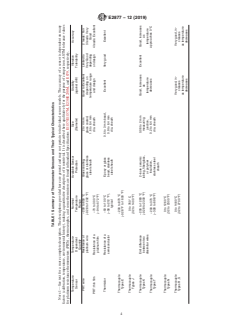
TABLE 1 Summary of Thermometer Sensors and Their Typical Characteristics
NOTE 1—See text for a more complete description. The descriptions provided here are general and may not pertain to individual sensor models. The accuracy of a sensor is dependent on many
factors (calibration, temperature, environmental history), making a quantitative description of it nontrivial. It is described here qualitatively for the purpose of comparison.ASTM tolerance values
for platinum resistance thermometers (PRTs), thermocouples, and some thermistors are found inStandard Specifications E1137/E1137M, E230/E230M, and E879, respectivel
...