

ASTM D7884-24
(Test Method)Standard Test Method for Determination of 4-Carboxybenzaldehyde and p-Toluic Acid in Purified Terephthalic Acid by Reverse Phase High Performance Liquid Chromatography
General Information
- Abstract
SIGNIFICANCE AND USE
4.1 The presence of 4-CBA and p-TOL in PTA used for the production of polyester is undesirable because they can affect the PET quality (such as contribute to fiber breaks), the polymerization process, and 4-CBA imparts coloration to the polymer due to thermal instability.
4.2 Determining the amount of 4-CBA and p-TOL remaining from the manufacture of PTA is often required. This test method is suitable for setting specifications and for use as an internal quality control tool where these products are produced or are used.
SCOPE
1.1 This test method covers the determination of the 4-Carboxybenzaldehyde (4-CBA) and p-Toluic acid (p-TOL) in purified terephthalic acid (PTA) by reverse phase high performance liquid chromatography (HPLC). This method is applicable for 4-CBA and p- TOL with an upper limit of 500 mg/kg, respectively, but may be applicable to a wider range.
1.2 In determining the conformance of the test results using this method to applicable specification, results shall be rounded off in accordance with the rounding-off method of Practice E29.
1.3 The values stated in SI units are to be regarded as standard. No other units of measurement are included in this standard.
1.4 This standard does not purport to address all of the safety concerns, if any, associated with its use. It is the responsibility of the user of this standard to establish appropriate safety, health, and environmental practices and determine the applicability of regulatory limitations prior to use.For specific hazard statements, see Section 7.
1.5 This international standard was developed in accordance with internationally recognized principles on standardization established in the Decision on Principles for the Development of International Standards, Guides and Recommendations issued by the World Trade Organization Technical Barriers to Trade (TBT) Committee.
- Status
- Published
- Publication Date
- 29-Feb-2024
- Technical Committee
- D16 - Aromatic, Industrial, Specialty and Related Chemicals
- Drafting Committee
- D16.02 - Oxygenated Aromatics
Buy Documents
ASTM D7884-24 - Standard Test Method for Determination of 4-Carboxybenzaldehyde and <emph type="bdit" >p</emph>-Toluic Acid in Purified Terephthalic Acid by Reverse Phase High Performance Liquid Chromatography
REDLINE ASTM D7884-24 - Standard Test Method for Determination of 4-Carboxybenzaldehyde and <emph type="bdit" >p</emph>-Toluic Acid in Purified Terephthalic Acid by Reverse Phase High Performance Liquid Chromatography
Overview
ASTM D7884-24 is the internationally recognized standard test method for the determination of 4-carboxybenzaldehyde (4-CBA) and p-toluic acid (p-TOL) in purified terephthalic acid (PTA) using reverse phase high performance liquid chromatography (HPLC). Developed by ASTM International, this method ensures accurate quantification of these impurities, which are critical in the quality control and specification setting for PTA produced for the polyester industry. The standard is essential for manufacturers and users who require reliable analytical procedures to ensure product consistency and compliance.
Key Topics
- Purpose: This test method quantifies 4-CBA and p-TOL impurities in PTA, which are undesirable due to their impact on polyester quality, such as fiber breaks and coloration caused by thermal instability.
- Applicability: The method is validated up to 500 mg/kg for each analyte, utilizing HPLC with a C18 reverse phase column and UV detection. Results are reported in SI units only.
- Procedure: The sample preparation involves dissolving PTA in ammonium hydroxide and water, followed by injection into the HPLC system. Calibration is performed using external standards or the standard addition method.
- Results Rounding: Conformance of test results is assessed according to ASTM E29, ensuring consistency in data interpretation.
- Quality Control: Laboratories are advised to have robust quality management practices, incorporating regular calibration and interlaboratory comparison to maintain result reliability.
- Safety Considerations: Users of the standard are responsible for implementing suitable safety, health, and environmental protocols and for adhering to local regulations.
Applications
ASTM D7884-24 is widely used in the following areas:
- Polyester Manufacturing: Accurate control of 4-CBA and p-TOL in PTA is crucial as these impurities significantly influence polymerization efficiency, final product color, and mechanical performance in polyester fibers and resins.
- Quality Control Laboratories: Companies producing or using PTA rely on this method to set product specifications, monitor process consistency, and ensure their products meet customer and regulatory requirements.
- Internal Audits and Interlaboratory Studies: The method supports internal assessments and proficiency testing, fostering confidence in test results across different production sites and laboratories.
- Regulatory Compliance: Chemical and material producers can demonstrate adherence to international specification standards, which is vital for international trade and market acceptance.
Related Standards
- ASTM E29-13: Practice for Using Significant Digits in Test Data to Determine Conformance with Specifications - Reference for rounding test results.
- ASTM D1193-06: Specification for Reagent Water - Specifies water purity for reagent preparation.
- ASTM D6809-02: Guide for Quality Control and Quality Assurance Procedures in Aromatic Hydrocarbon Testing.
- ASTM E691-22: Practice for Conducting an Interlaboratory Study to Determine Test Method Precision - Guidance for assessing test repeatability and reproducibility.
- EN ISO 8213: Chemical products for industrial use - Sampling techniques for solid chemical products.
- OSHA 29 CFR 1910.1000/1910.1200: Relevant U.S. occupational safety regulations for laboratory chemicals.
Practical Value
Implementing ASTM D7884-24 enables organizations to:
- Maintain high-quality standards in PTA manufacturing and downstream polyester processing.
- Reduce customer complaints and production non-conformities by controlling critical impurities.
- Support certification, export, and compliance programs requiring documented analytical performance.
- Enhance global competitiveness through adherence to an internationally accepted test method.
By ensuring that PTA meets strict impurity criteria, the use of this standard sustains the overall integrity and appeal of polyester-based products in various industries worldwide.
Keywords: ASTM D7884-24, purified terephthalic acid, 4-carboxybenzaldehyde, p-toluic acid, reverse phase HPLC, polyester quality control, chemical testing standards, impurity analysis
Relations
- Effective Date
- 01-Mar-2024
- Effective Date
- 01-Mar-2024
- Effective Date
- 01-Mar-2024
Buy Documents
ASTM D7884-24 - Standard Test Method for Determination of 4-Carboxybenzaldehyde and <emph type="bdit" >p</emph>-Toluic Acid in Purified Terephthalic Acid by Reverse Phase High Performance Liquid Chromatography
REDLINE ASTM D7884-24 - Standard Test Method for Determination of 4-Carboxybenzaldehyde and <emph type="bdit" >p</emph>-Toluic Acid in Purified Terephthalic Acid by Reverse Phase High Performance Liquid Chromatography
Get Certified
Connect with accredited certification bodies for this standard

ECOCERT
Organic and sustainability certification.

Eurofins Food Testing Global
Global leader in food, environment, and pharmaceutical product testing.

Intertek Bangladesh
Intertek certification and testing services in Bangladesh.
Sponsored listings
Frequently Asked Questions
ASTM D7884-24 is a standard published by ASTM International. Its full title is "Standard Test Method for Determination of 4-Carboxybenzaldehyde and <emph type="bdit" >p</emph>-Toluic Acid in Purified Terephthalic Acid by Reverse Phase High Performance Liquid Chromatography". This standard covers: SIGNIFICANCE AND USE 4.1 The presence of 4-CBA and p-TOL in PTA used for the production of polyester is undesirable because they can affect the PET quality (such as contribute to fiber breaks), the polymerization process, and 4-CBA imparts coloration to the polymer due to thermal instability. 4.2 Determining the amount of 4-CBA and p-TOL remaining from the manufacture of PTA is often required. This test method is suitable for setting specifications and for use as an internal quality control tool where these products are produced or are used. SCOPE 1.1 This test method covers the determination of the 4-Carboxybenzaldehyde (4-CBA) and p-Toluic acid (p-TOL) in purified terephthalic acid (PTA) by reverse phase high performance liquid chromatography (HPLC). This method is applicable for 4-CBA and p- TOL with an upper limit of 500 mg/kg, respectively, but may be applicable to a wider range. 1.2 In determining the conformance of the test results using this method to applicable specification, results shall be rounded off in accordance with the rounding-off method of Practice E29. 1.3 The values stated in SI units are to be regarded as standard. No other units of measurement are included in this standard. 1.4 This standard does not purport to address all of the safety concerns, if any, associated with its use. It is the responsibility of the user of this standard to establish appropriate safety, health, and environmental practices and determine the applicability of regulatory limitations prior to use.For specific hazard statements, see Section 7. 1.5 This international standard was developed in accordance with internationally recognized principles on standardization established in the Decision on Principles for the Development of International Standards, Guides and Recommendations issued by the World Trade Organization Technical Barriers to Trade (TBT) Committee.
SIGNIFICANCE AND USE 4.1 The presence of 4-CBA and p-TOL in PTA used for the production of polyester is undesirable because they can affect the PET quality (such as contribute to fiber breaks), the polymerization process, and 4-CBA imparts coloration to the polymer due to thermal instability. 4.2 Determining the amount of 4-CBA and p-TOL remaining from the manufacture of PTA is often required. This test method is suitable for setting specifications and for use as an internal quality control tool where these products are produced or are used. SCOPE 1.1 This test method covers the determination of the 4-Carboxybenzaldehyde (4-CBA) and p-Toluic acid (p-TOL) in purified terephthalic acid (PTA) by reverse phase high performance liquid chromatography (HPLC). This method is applicable for 4-CBA and p- TOL with an upper limit of 500 mg/kg, respectively, but may be applicable to a wider range. 1.2 In determining the conformance of the test results using this method to applicable specification, results shall be rounded off in accordance with the rounding-off method of Practice E29. 1.3 The values stated in SI units are to be regarded as standard. No other units of measurement are included in this standard. 1.4 This standard does not purport to address all of the safety concerns, if any, associated with its use. It is the responsibility of the user of this standard to establish appropriate safety, health, and environmental practices and determine the applicability of regulatory limitations prior to use.For specific hazard statements, see Section 7. 1.5 This international standard was developed in accordance with internationally recognized principles on standardization established in the Decision on Principles for the Development of International Standards, Guides and Recommendations issued by the World Trade Organization Technical Barriers to Trade (TBT) Committee.
ASTM D7884-24 is classified under the following ICS (International Classification for Standards) categories: 71.080.40 - Organic acids. The ICS classification helps identify the subject area and facilitates finding related standards.
ASTM D7884-24 has the following relationships with other standards: It is inter standard links to ASTM D7884-23, ASTM D8062-23, ASTM D7976-14(2020). Understanding these relationships helps ensure you are using the most current and applicable version of the standard.
ASTM D7884-24 is available in PDF format for immediate download after purchase. The document can be added to your cart and obtained through the secure checkout process. Digital delivery ensures instant access to the complete standard document.
Standards Content (Sample)
This international standard was developed in accordance with internationally recognized principles on standardization established in the Decision on Principles for the
Development of International Standards, Guides and Recommendations issued by the World Trade Organization Technical Barriers to Trade (TBT) Committee.
Designation: D7884 − 24
Standard Test Method for
Determination of 4-Carboxybenzaldehyde and p-Toluic Acid
in Purified Terephthalic Acid by Reverse Phase High
Performance Liquid Chromatography
This standard is issued under the fixed designation D7884; the number immediately following the designation indicates the year of
original adoption or, in the case of revision, the year of last revision. A number in parentheses indicates the year of last reapproval. A
superscript epsilon (´) indicates an editorial change since the last revision or reapproval.
1. Scope* D6809 Guide for Quality Control and Quality Assurance
Procedures for Aromatic Hydrocarbons and Related Ma-
1.1 This test method covers the determination of the
terials
4-Carboxybenzaldehyde (4-CBA) and p-Toluic acid (p-TOL)
E29 Practice for Using Significant Digits in Test Data to
in purified terephthalic acid (PTA) by reverse phase high
Determine Conformance with Specifications
performance liquid chromatography (HPLC). This method is
E691 Practice for Conducting an Interlaboratory Study to
applicable for 4-CBA and p- TOL with an upper limit of
Determine the Precision of a Test Method
500 mg ⁄kg, respectively, but may be applicable to a wider
2.2 ISO Document:
range.
EN ISO 8213 Chemical products for industrial use—
1.2 In determining the conformance of the test results using
Sampling techniques—Solid chemical products in the
this method to applicable specification, results shall be rounded
form of particles varying from powders to coarse lumps
off in accordance with the rounding-off method of Practice
2.3 Other Document:
E29.
OSHA Regulations, 29 CFR paragraphs 1910.1000 and
1.3 The values stated in SI units are to be regarded as
1910.1200
standard. No other units of measurement are included in this
3. Summary of Test Method
standard.
1.4 This standard does not purport to address all of the 3.1 Reverse Phase HPLC Method—PTA sample is dissolved
safety concerns, if any, associated with its use. It is the in ammonium hydroxide solution, and a fixed volume of this
responsibility of the user of this standard to establish appro- solution is injected into a high performance liquid chromato-
priate safety, health, and environmental practices and deter- graph equipped with a UV detector. A C18 chemically bonded
mine the applicability of regulatory limitations prior to use.For column is used to separate the impurities 4-CBA and p-TOL
specific hazard statements, see Section 7. from PTA. The external standard calibration is used for
1.5 This international standard was developed in accor- quantification.
dance with internationally recognized principles on standard-
4. Significance and Use
ization established in the Decision on Principles for the
Development of International Standards, Guides and Recom-
4.1 The presence of 4-CBA and p-TOL in PTA used for the
mendations issued by the World Trade Organization Technical
production of polyester is undesirable because they can affect
Barriers to Trade (TBT) Committee.
the PET quality (such as contribute to fiber breaks), the
polymerization process, and 4-CBA imparts coloration to the
2. Referenced Documents
polymer due to thermal instability.
2.1 ASTM Standards:
4.2 Determining the amount of 4-CBA and p-TOL remain-
D1193 Specification for Reagent Water
ing from the manufacture of PTA is often required. This test
method is suitable for setting specifications and for use as an
This test method is under the jurisdiction of ASTM Committee D16 on
internal quality control tool where these products are produced
Aromatic, Industrial, Specialty and Related Chemicals and is the direct responsi-
or are used.
bility of Subcommittee D16.02 on Oxygenated Aromatics.
Current edition approved March 1, 2024. Published March 2024. Originally
approved in 2013. Last previous edition approved in 2023 as D7884 – 23. DOI:
10.1520/D7884-24. Available from American National Standards Institute (ANSI), 25 W. 43rd St.,
For referenced ASTM standards, visit the ASTM website, www.astm.org, or 4th Floor, New York, NY 10036, http://www.ansi.org.
contact ASTM Customer Service at service@astm.org. For Annual Book of ASTM Available from U.S. Government Printing Office Superintendent of Documents,
Standards volume information, refer to the standard’s Document Summary page on 732 N. Capitol St., NW, Mail Stop: SDE, Washington, DC 20401, http://
the ASTM website. www.access.gpo.gov.
*A Summary of Changes section appears at the end of this standard
Copyright © ASTM International, 100 Barr Harbor Drive, PO Box C700, West Conshohocken, PA 19428-2959. United States
D7884 − 24
5. Apparatus 6. Reagents and Materials
5.1 High Performance Liquid Chromatograph (HPLC)— 6.1 Purity of Reagents—Unless otherwise indicated, it is
Any HPLC capable of pumping the mobile phase at flow rates intended that all reagents shall conform to the reagent grade
between 0.1 mL ⁄min and 2.0 mL/min, with a pressure between specification for analytical reagents of the American Chemical
0 MPa and 40 MPa and a pulsation of less than 1 % full scale Society, where such specifications are available. Other grades
deflection under the test conditions described in Table 1. The may be used, provided it is first ascertained that the reagent is
of sufficiently high purity to permit its use without lessening
the performance or accuracy of the determination. Reagent
chemicals shall be used for all tests.
TABLE 1 Recommended Operating Conditions
NOTE 1—Calibration and detection limits of this test method can be
Column C18
biased by the purity of the reagents.
Octadecylsilane chemically
Stationary phase
6.2 Ammonium Hydroxide—25 % to 28 %, CAS (1336-21-
bonded silica
6).
Particle size 5 μm
Material of column stainless steel
6.3 Phosphoric Acid—HPLC grade, CAS (7664-38-2).
Length of column 150 mm
Inner diameter 4 mm–5 mm
6.4 Acetonitrile—HPLC grade, CAS (75-05-8).
Mobile phase (Isocratic 0.06 % H PO solution:
3 4
(Warning—Acetonitrile is flammable and hazardous in case of
elution mode) acetonitrile = 82:18
Mobile phase (Gradient
skin or eye contact, ingestion, or inhalation.)
Time (min) 0 5 10 14 16 17 20
elution mode)
0.06 % 6.5 Water—Type I or type II reagent water conforming to
H PO 85 85 65 35 35 85 85
3 4
Specification D1193.
solution (%)
Acetonitrile
6.6 Ammonium Hydroxide Solution—Ammonium hydrox-
15 15 35 65 65 15 15
(%)
ide mixed with water as 1:1 (V:V).
Flow rate 1.0 mL/min
254 nm for 4-CBA
6.7 PTA Standard for Calibration—A certified PTA calibra-
UV detector
240 nm for p-TOL
tion standard with known amounts of 4-CBA and p-TOL is
Injection amount 20 μL
Column temperature 40 °C required. If it is not commercially available, please refer to
Annex A1 for determining the concentrations of 4-CBA and
p-TOL in a PTA sample. The calibrated PTA sample can be
served as a PTA calibration standard.
S/N (signal to noise) ratio should be 3:1 or greater for 2 mg/kg 6.8 0.06 % H PO Solution—Pipette 0.6 mL H PO into a
3 4 3 4
4-CBA and 10 mg ⁄kg p-TOL.
1000 mL volumetric flask with 900 mL of water and make up
to the mark with water to give 0.06 % H PO solution.
3 4
5.2 Sample Injection System—Capable of injecting 1 μL to
25 μL, using either partial or full loop mode, with a repeat-
NOTE 2—It is recommended to degas and filter the mobile phase before
use; degassing can be done conveniently, on-line or off-line by helium
ability of 61 %.
sparging, vacuum degassing or ultrasonic agitation.
5.3 Detector–Variable Wavelength Ultraviolet Photometric
Detector (VWD), Multi-wavelength Detector, or Photometric
7. Hazards
Diode Array Detector (PDA)—Capable of operating at 240 nm
7.1 Consult current federal regulations, supplier’s Safety
and 254 nm.
Data Sheets, and local regulations for all materials used in this
5.4 Column Oven—Any suitable HPLC column oven (block
test method.
heating or air circulating) capable of maintaining a constant
temperature of 61 °C within the range of 20 °C to 70 °C.
8. Sampling, Test Specimens, and Test Units
5.5 Chromatography Data System.
8.1 Use only representative samples obtained as described
in EN ISO 8213, unless otherwise specified.
5.6 HPLC Columns:
5.6.1 A stainless steel HPLC column packed with an octa-
9. Preparation of Apparatus
decylsilane (C18) chemically bonded silica stationary phase is
9.1 Set up the pump, sample injection system, column,
suitable. See Table 1 for recommended operating conditions.
oven, detector, and chromatography data system in accordance
5.6.2 A C18 column with different dimensions (inner
with the manufacturer’s instructions. Adjust the instrument to
diameter, length, particle size, etc.) that provides adequate
the recommended conditions described in Table 1, allowing
resolution to quantitate 4-CBA and p-TOL in a PTA sample can
sufficient time for the equipment to reach equilibrium which is
also be used.
5.7 Analytical Balance, readable to 60.0001 g.
5.8 Sample Filter—A disposable syringe filter made of
ACS Reagent Chemicals, Specifications and Procedures for Reagents and
Standard-Grade Reference Materials, American Chemical Society, Washington,
cellulose acetate, with a pore size between 0.22 μm and
DC. For suggestions on the testing of reagents not listed by the American Chemical
0.45 μm, and is chemically inert to aqueous solutions, is
Society, see Analar Standards for Laboratory Chemicals, BDH Ltd., Poole, Dorset,
recommended for the removal of particulate matter from the
U.K., and the United States Pharmacopeia and National Formulary, U.S. Pharma-
sample solution. copeial Convention, Inc. (USPC), Rockville, MD.
D7884 − 24
indicated by a stable horizontal baseline. For a new column, 11.2.1 Weigh, to the nearest 0.0001 g, about 0.5 g of PTA
4 h to 6 h of equilibration time may be required. sample in a 25 mL beaker; add 3 mL of ammonium hydroxide
NOTE 3—Separation between peaks of 4-CBA and PTA can be
solution, and 7 mL water to dissolve PTA completely. Then
optimized by carefully varying the aqueous-organic ratio and flow rate.
quantitatively transfer the resulting solution into a 50 mL
NOTE 4—It has been found for a reverse-phase HPLC, separation
volumetric flask, and dilute with water to the mark. Inject
between 4-CBA and PTA can be improved by adding a certain amount of
20 μL of the sample solution into chromatograph for analysis.
trifluoroacetic acid (TFA) in acetonitrile water solution as a mobile phase.
Record chromatogram and peak area values for 4-CBA and
p-TOL respectively with data system. After each analysis, rinse
10. Calibration
the column with mobile phase until the baseline is stabilized
10.1 Isocratic Elution Mode:
for the next run. The representative chromatograms of a PTA
10.1.1 Weigh, to the nearest 0.0001 g, about 0.5 g of PTA
sample is shown in Fig. 2.
standard in a 25 mL beaker; add 3 mL of ammonium hydroxide
solution, and 7 mL water to dissolve PTA completely. Then
12. Calculation
accurately transfer the resulting solution to a 250 mL volumet-
ric flask, and dilute with water to the mark. Inject 20 μL of the 12.1 Calculate the concentration of 4-CBA or p-TOL in
calibration standard solution into chromatograph for analysis. mg/kg, using the following equation:
Record chromatogram and peak area values for 4-CBA and
m ·A·C
s s
X 5 (1)
p-TOL respectively with data system.
m·A
s
10.2 Gradient Elution Mode:
where:
10.2.1 Weigh, to the nearest 0.0001 g, about 0.5 g of PTA
X = concentration of 4-CBA or p-TOL in the PTA sample,
standard in a 25 mL beaker; add 3 mL of ammonium hydroxide
mg/kg,
solution, and 7 mL water to dissolve PTA completel
...
This document is not an ASTM standard and is intended only to provide the user of an ASTM standard an indication of what changes have been made to the previous version. Because
it may not be technically possible to adequately depict all changes accurately, ASTM recommends that users consult prior editions as appropriate. In all cases only the current version
of the standard as published by ASTM is to be considered the official document.
Designation: D7884 − 23 D7884 − 24
Standard Test Method for
Determination of 4-Carboxybenzaldehyde and p-Toluic Acid
in Purified Terephthalic Acid by Reverse Phase High
Performance Liquid Chromatography
This standard is issued under the fixed designation D7884; the number immediately following the designation indicates the year of
original adoption or, in the case of revision, the year of last revision. A number in parentheses indicates the year of last reapproval. A
superscript epsilon (´) indicates an editorial change since the last revision or reapproval.
1. Scope*
1.1 This test method covers the determination of the 4-Carboxybenzaldehyde (4-CBA) and p-Toluic acid (p-TOL) in purified
terephthalic acid (PTA) by reverse phase high performance liquid chromatography (HPLC). This method is applicable for 4-CBA
and p- TOL with an upper limit of 500 mg ⁄kg, respectively, but may be applicable to a wider range.
1.2 In determining the conformance of the test results using this method to applicable specification, results shall be rounded off
in accordance with the rounding-off method of Practice E29.
1.3 The values stated in SI units are to be regarded as standard. No other units of measurement are included in this standard.
1.4 This standard does not purport to address all of the safety concerns, if any, associated with its use. It is the responsibility
of the user of this standard to establish appropriate safety, health, and environmental practices and determine the applicability of
regulatory limitations prior to use.For specific hazard statements, see Section 7.
1.5 This international standard was developed in accordance with internationally recognized principles on standardization
established in the Decision on Principles for the Development of International Standards, Guides and Recommendations issued
by the World Trade Organization Technical Barriers to Trade (TBT) Committee.
2. Referenced Documents
2.1 ASTM Standards:
D1193 Specification for Reagent Water
D6809 Guide for Quality Control and Quality Assurance Procedures for Aromatic Hydrocarbons and Related Materials
E29 Practice for Using Significant Digits in Test Data to Determine Conformance with Specifications
E691 Practice for Conducting an Interlaboratory Study to Determine the Precision of a Test Method
2.2 ISO Document:
EN ISO 8213 Chemical products for industrial use—Sampling techniques—Solid chemical products in the form of particles
varying from powders to coarse lumps
This test method is under the jurisdiction of ASTM Committee D16 on Aromatic, Industrial, Specialty and Related Chemicals and is the direct responsibility of
Subcommittee D16.02 on Oxygenated Aromatics.
Current edition approved Nov. 1, 2023March 1, 2024. Published March 2024. Originally approved in 2013. Last previous edition approved in 20202023 as
D7884 – 20.D7884 – 23. DOI: 10.1520/D7884-23.10.1520/D7884-24.
For referenced ASTM standards, visit the ASTM website, www.astm.org, or contact ASTM Customer Service at service@astm.org. For Annual Book of ASTM Standards
volume information, refer to the standard’s Document Summary page on the ASTM website.
Available from American National Standards Institute (ANSI), 25 W. 43rd St., 4th Floor, New York, NY 10036, http://www.ansi.org.
*A Summary of Changes section appears at the end of this standard
Copyright © ASTM International, 100 Barr Harbor Drive, PO Box C700, West Conshohocken, PA 19428-2959. United States
D7884 − 24
2.3 Other Document:
OSHA Regulations, 29 CFR paragraphs 1910.1000 and 1910.1200
3. Summary of Test Method
3.1 Reverse Phase HPLC Method—PTA sample is dissolved in ammonium hydroxide solution, and a fixed volume of this solution
is injected into a high performance liquid chromatograph equipped with a UV detector. A C18 chemically bonded column is used
to separate the impurities 4-CBA and p-TOL from PTA. The external standard calibration is used for quantification.
4. Significance and Use
4.1 The presence of 4-CBA and p-TOL in PTA used for the production of polyester is undesirable because they can affect the PET
quality (such as contribute to fiber breaks), the polymerization process, and 4-CBA imparts coloration to the polymer due to
thermal instability.
4.2 Determining the amount of 4-CBA and p-TOL remaining from the manufacture of PTA is often required. This test method is
suitable for setting specifications and for use as an internal quality control tool where these products are produced or are used.
5. Apparatus
5.1 High Performance Liquid Chromatograph (HPLC)—Any HPLC capable of pumping the mobile phase at flow rates between
0.1 mL ⁄min and 2.0 mL/min, with a pressure between 0 MPa and 40 MPa and a pulsation of less than 1 % full scale deflection
under the test conditions described in Table 1. The S/N (signal to noise) ratio should be 3:1 or greater for 2 mg/kg 4-CBA and
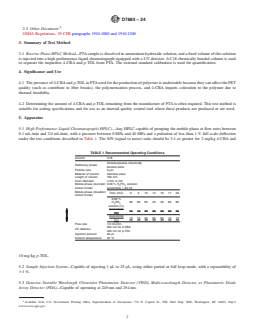
TABLE 1 Recommended Operating Conditions
Column C18
Octadecylsilane chemically
Stationary phase
bonded silica
Particle size 5 μm
Material of column stainless steel
Length of column 150 mm
Inner diameter 4 mm–5 mm
Mobile phase (Isocratic 0.06 % H PO solution:
3 4
elution mode) acetonitrile = 82:18
Mobile phase (Gradient
Time (min) 0 5 10 14 16 17 20
elution mode)
0.06 %
H PO 85 85 65 35 35 85 85
3 4
solution (%)
Acetonitrile
15 15 35 65 65 85 85
(%)
Acetonitrile
15 15 35 65 65 15 15
(%)
Flow rate 1.0 mL/min
254 nm for 4-CBA
UV detector
240 nm for p-TOL
Injection amount 20 μL
Column temperature 40 °C
10 mg ⁄kg p-TOL.
5.2 Sample Injection System—Capable of injecting 1 μL to 25 μL, using either partial or full loop mode, with a repeatability of
61 %.
5.3 Detector–Variable Wavelength Ultraviolet Photometric Detector (VWD), Multi-wavelength Detector, or Photometric Diode
Array Detector (PDA)—Capable of operating at 240 nm and 254 nm.
Available from U.S. Government Printing Office Superintendent of Documents, 732 N. Capitol St., NW, Mail Stop: SDE, Washington, DC 20401, http://
www.access.gpo.gov.
D7884 − 24
5.4 Column Oven—Any suitable HPLC column oven (block heating or air circulating) capable of maintaining a constant
temperature of 61 °C within the range of 20 °C to 70 °C.
5.5 Chromatography Data System.
5.6 HPLC Columns:
5.6.1 A stainless steel HPLC column packed with an octadecylsilane (C18) chemically bonded silica stationary phase is suitable.
See Table 1 for recommended operating conditions.
5.6.2 A C18 column with different dimensions (inner diameter, length, particle size, etc.) that provides adequate resolution to
quantitate 4-CBA and p-TOL in a PTA sample can also be used.
5.7 Analytical Balance, readable to 60.0001 g.
5.8 Sample Filter—A disposable syringe filter made of cellulose acetate, with a pore size between 0.22 μm and 0.45 μm, and is
chemically inert to aqueous solutions, is recommended for the removal of particulate matter from the sample solution.
6. Reagents and Materials
6.1 Purity of Reagents—Unless otherwise indicated, it is intended that all reagents shall conform to the reagent grade specification
for analytical reagents of the American Chemical Society, where such specifications are available. Other grades may be used,
provided it is first ascertained that the reagent is of sufficiently high purity to permit its use without lessening the performance or
accuracy of the determination. Reagent chemicals shall be used for all tests.
NOTE 1—Calibration and detection limits of this test method can be biased by the purity of the reagents.
6.2 Ammonium Hydroxide—25 % to 28 %, CAS (1336-21-6).
6.3 Phosphoric Acid—HPLC grade, CAS (7664-38-2).
6.4 Acetonitrile—HPLC grade, CAS (75-05-8). (Warning—Acetonitrile is flammable and hazardous in case of skin or eye
contact, ingestion, or inhalation.)
6.5 Water—Type I or type II reagent water conforming to Specification D1193.
6.6 Ammonium Hydroxide Solution—Ammonium hydroxide mixed with water as 1:1 (V:V).
6.7 PTA Standard for Calibration—A certified PTA calibration standard with known amounts of 4-CBA and p-TOL is required.
If it is not commercially available, please refer to Annex A1 for determining the concentrations of 4-CBA and p-TOL in a PTA
sample. The calibrated PTA sample can be served as a PTA calibration standard.
6.8 0.06 % H PO Solution—Pipette 0.6 mL H PO into a 1000 mL volumetric flask with 900 mL of water and make up to the
3 4 3 4
mark with water to give 0.06 % H PO solution.
3 4
NOTE 2—It is recommended to degas and filter the mobile phase before use; degassing can be done conveniently, on-line or off-line by helium sparging,
vacuum degassing or ultrasonic agitation.
ACS Reagent Chemicals, Specifications and Procedures for Reagents and Standard-Grade Reference Materials, American Chemical Society, Washington, DC. For
suggestions on the testing of reagents not listed by the American Chemical Society, see Analar Standards for Laboratory Chemicals, BDH Ltd., Poole, Dorset, U.K., and
the United States Pharmacopeia and National Formulary, U.S. Pharmacopeial Convention, Inc. (USPC), Rockville, MD.
D7884 − 24
7. Hazards
7.1 Consult current federal regulations, supplier’s Safety Data Sheets, and local regulations for all materials used in this test
method.
8. Sampling, Test Specimens, and Test Units
8.1 Use only representative samples obtained as described in EN ISO 8213, unless otherwise specified.
9. Preparation of Apparatus
9.1 Set up the pump, sample injection system, column, oven, detector, and chromatography data system in accordance with the
manufacturer’s instructions. Adjust the instrument to the recommended conditions described in Table 1, allowing sufficient time
for the equipment to reach equilibrium which is indicated by a stable horizontal baseline. For a new column, 4 h to 6 h of
equilibration time may be required.
NOTE 3—Separation between peaks of 4-CBA and PTA can be optimized by carefully varying the aqueous-organic ratio and flow rate.
NOTE 4—It has been found for a reverse-phase HPLC, separation between 4-CBA and PTA can be improved by adding a certain amount of trifluoroacetic
acid (TFA) in acetonitrile water solution as a mobile phase.
10. Calibration
10.1 Isocratic Elution Mode:
10.1.1 Weigh, to the nearest 0.0001 g, about 0.5 g of PTA standard in a 25 mL beaker; add 3 mL of ammonium hydroxide solution,
and 7 mL water to dissolve PTA completely. Then accurately transfer the resulting solution to a 250 mL volumetric flask, and dilute
with water to the mark. Inject 20 μL of the calibration standard solution into chromatograph for analysis. Record chromatogram
and peak area values for 4-CBA and p-TOL respectively with data system.
10.2 Gradient Elution Mode:
10.2.1 Weigh, to the nearest 0.0001 g, about 0.5 g of PTA standard in a 25 mL beaker; add 3 mL of ammonium hydroxide solution,
and 7 mL water to dissolve PTA completely. Then quantitatively transfer the resulting solution into a 50 mL volumetric flask, and
dilute with water to the mark. Inject 20 μL of the calibration standard solution into chromatograph for analysis. Record
chromatogram and peak area values for 4-CBA and p-TOL respectively with data system.
NOTE 5—It is recommended that a calibration standard be run after every ten samples to check the stability of the chromatograph system.
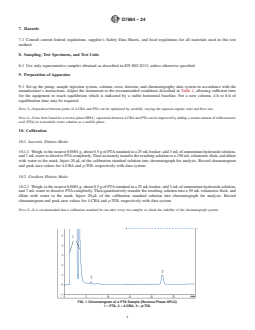
FIG. 1 Chromatogram of a PTA Sample (Reverse Phase HPLC)
1 – PTA, 2 – 4-CBA, 3 – p-TOL
D7884 − 24
11. Procedure
11.1 Isocratic Elution Mode:
11.1.1 Weigh, to the nearest 0.0001 g, about 0.5 g of PTA sample, repeat the remaining steps in 10.1, and record peak area values
of 4-CBA and p-TOL respectively. After each analysis, rinse the column with mobile phase until the baseline
...