

ISO/DTR 26167
(Main)Traditional Chinese medicine — Acupuncture electroceuticals
- Status
- Not Published
- Technical Committee
- SC 1 - Traditional Chinese medicine
- Current Stage
- 5020 - Proof sent to secretariat or FDIS ballot initiated: 8 weeks - 50 Approval
- Start Date
- 05-Nov-2026
- Due Date
- 05-Nov-2026
- Completion Date
- 05-Nov-2026
Buy Documents

ISO/DTR 26167 - Traditional Chinese medicine — Acupuncture electroceuticals
REDLINE ISO/DTR 26167 - Traditional Chinese medicine — Acupuncture electroceuticals
ISO/DTR 26167 is an ISO technical report on Traditional Chinese medicine - Acupuncture electroceuticals. It collects key technical background for developing and using electroceutical technologies that target acupuncture points, with attention to clinical application, integration of acupuncture theory, and risk management. The document is aimed at developers, clinicians, researchers, and other professionals who need a common technical basis for acupuncture-derived electroceutical work.
What does ISO/DTR 26167 specify?
ISO/DTR 26167 specifies the main considerations for electroceutical technologies that use acupuncture points as therapeutic targets or as subjects for scientific research. It frames acupuncture electroceuticals as a bridge between Traditional Chinese medicine (TCM) and modern biomedical engineering, and it emphasizes safe development and use.
The document is organized into a short technical structure: scope, terms and definitions, technical background, the characteristics of electroceuticals, and the relationship between acupuncture and electroceuticals. Clause 4 also includes comparison tables that help readers relate the different technology families and levels of invasiveness to practical use.
What are the key requirements of ISO/DTR 26167?
ISO/DTR 26167 is mainly explanatory, but it gives several clear technical considerations that matter in practice. The central message is that acupuncture electroceuticals should be developed with both acupuncture theory and biomedical risk management in mind.
Acupuncture electroceuticals need both TCM and biomedical context
Clause 1 says the document covers development and clinical application, including technical characteristics, acupuncture theory integration, and risk management. In practice, this means a development team should not look only at device engineering or only at acupuncture tradition; both perspectives matter when defining the target, the stimulation method, and the intended use.
Electroceuticals are broader than electrical stimulation alone
Clause 4.1 explains that electroceuticals use nonpharmaceutical stimulation and may include electrical, electromagnetic, optical, or magnetic approaches. The practical point is that an electroceutical project is not limited to one physical modality, and the stimulation target may be nervous tissue, skin, muscle, or other organs.
The document compares electroceuticals with medicines and medical electrical devices
Table 1 compares pharmaceuticals, electroceuticals, and medical electrical devices by purpose, mechanism, focus, and examples. This matters because electroceuticals are presented as a category with targeted biological action and medical use patterns that sit between drug therapy and general medical electrical equipment.
Acupuncture research supports electroceutical development
Clause 4.2 describes how acupuncture science is being used to inform electroceutical research, including site selection, brain-response studies, and nerve-pathway investigations. The practical implication is that evidence from acupuncture electroacupuncture studies can guide target selection and device development.
The document highlights closed-loop neuromodulation
Clause 3 defines closed-loop neuromodulation as a system that measures dynamic neural or physiological activity to optimize intervention. In practice, this points developers toward feedback-controlled stimulation when response monitoring is needed to adjust dose or effect.
Invasiveness affects safety, use setting, and follow-up
Clause 4.2.4.1 and Table 3 compare non-invasive, minimal invasive, and invasive approaches. The main practical message is that safer, non-invasive approaches are better suited to routine or self-use, while invasive approaches may offer stronger effects but require more careful selection, monitoring, and removal planning.
Risk management must cover both device behavior and acupuncture-point effects
Clause 4.2.4.2 says risk management should consider electroceutical characteristics together with acupuncture-point pattern identification. For users, that means instructions for use and indication choices should reflect both the medical device risks and the biological effects expected from the selected point.
What terms does ISO/DTR 26167 define?
- Electroceutical - a medical device that uses nonpharmaceutical stimulation for treatment or prevention.
- Acupuncture electroceutical - an electroceutical derived from acupuncture treatment technique.
- Neuromodulation - alteration or modulation of nerve activity by delivering nonpharmaceutical stimulation.
- Closed-loop neuromodulation - a system that measures neural or physiological activity and adjusts intervention accordingly.
- Neural interface - a device or system for data exchange and electrical stimulation between the nervous system and an external digital device.
Who uses ISO/DTR 26167?
ISO/DTR 26167 is relevant to TCM practitioners, biomedical engineers, electroceutical developers, clinical researchers, and medical device teams working on stimulation technologies. It is also useful for quality and risk managers who need to assess intended use, invasiveness, and safety considerations for acupuncture-based stimulation products.
Which standards are used with ISO/DTR 26167?
ISO/DTR 26167 includes these standards in its bibliography as supporting references:
- IEC 60601-1 - basic safety and essential performance for medical electrical equipment.
- IEC 63203-204-1 - a test method for washing durability of e-textile systems.
- IEC 63203-201-3 - a method for determining electrical resistance of conductive textiles under simulated microclimate.
- ISO 14708-1 - general safety, marking, and manufacturer information for active implantable medical devices.
These references help place acupuncture electroceuticals within the broader safety and test environment for medical electrical and implantable technologies.
What does the ISO/DTR 26167 document contain?
ISO/DTR 26167 contains descriptive technical background rather than step-by-step test procedures. Its main factual content is in three comparison tables: one contrasts pharmaceuticals, electroceuticals, and medical electrical devices; one compares acupuncture treatment, acupuncture electroceuticals, and electroceuticals; and one compares non-invasive, minimal invasive, and invasive approaches.
The text also explains current research directions, including acupuncture-point science, neurological pathways, and the use of feedback-controlled stimulation. For a reader, this makes the document useful for design discussions, clinical planning, and risk analysis when defining an acupuncture electroceutical concept.
The bibliography gives the main external standards context for safety and implantable-device considerations.
Buy Documents
ISO/DTR 26167 - Traditional Chinese medicine — Acupuncture electroceuticals
REDLINE ISO/DTR 26167 - Traditional Chinese medicine — Acupuncture electroceuticals
Get Certified
Connect with accredited certification bodies for this standard

BSI Group
BSI (British Standards Institution) is the business standards company that helps organizations make excellence a habit.

TÜV Rheinland
TÜV Rheinland is a leading international provider of technical services.

TÜV SÜD
TÜV SÜD is a trusted partner of choice for safety, security and sustainability solutions.
Sponsored listings
Frequently Asked Questions
ISO/DTR 26167 is a draft published by the International Organization for Standardization (ISO). Its full title is "Traditional Chinese medicine — Acupuncture electroceuticals". This standard covers: Traditional Chinese medicine — Acupuncture electroceuticals
Traditional Chinese medicine — Acupuncture electroceuticals
ISO/DTR 26167 is classified under the following ICS (International Classification for Standards) categories: 11.040.99 - Other medical equipment. The ICS classification helps identify the subject area and facilitates finding related standards.
ISO/DTR 26167 is available in PDF format for immediate download after purchase. The document can be added to your cart and obtained through the secure checkout process. Digital delivery ensures instant access to the complete standard document.
Standards Content (Sample)
Contents
- Introduction
- 1 Scope
- 2 Normative references
- 3 Terms and definitions
- 3.1 electroceutical
- 3.2 acupuncture electroceutical
- 3.3 neuromodulation
- 3.4 closed-loop neuromodulation
- 3.5 neural interface
- 4 Technical background of acupuncture electroceuticals
- 4.1 The characteristics of electroceuticals
- 4.2 Relationship between acupuncture and electroceuticals
- Bibliography
Introduction
Electroceuticals are generally accepted as medical devices that stimulate the nervous system for therapeutic purposes. It can be applied not only to the nervous system but also to other organs such as the skin, muscles, heart, etc. In the field of traditional Chinese medicine (TCM), electroceutical techniques are being developed to effectively stimulate acupuncture points. Conversely, the theory of acupuncture points and meridians in traditional Chinese medicine is being borrowed by the field of modern medicine and biomedical engineering to select the optimal stimulation sites for the application of electroceuticals. For example, PC6 electroacupuncture therapy has been developed into a medical device for the treatment of vomiting and motion sickness, and SP6 electroacupuncture therapy has been developed and used as electroceuticals for the treatment of overactive bladder. In addition, electroacupuncture therapy for BL31-32 is being developed as an electronic medicine for the treatment of constipation.
This kind of combination of acupuncture and electronic medicine technology in TCM is actively progressing and accelerating the development of TCM and electroceuticals together. Professionals in both fields who wish to develop electroceuticals using acupoint meridian theory or to utilize developed electroceutical technologies for acupoint stimulation need to have a comprehensive understanding of each other's fields in order to achieve a technological convergence of these two fields. Some of the contents in this documnet can be used in the future development of international standards for electroceutical devices using acupuncture points. The purpose of this documetnt is to promote the use of acupuncture theory in the development of electroceuticals and to provide key information for the safe and effective development and use of the electroceutical technology in the dissemination of traditional Chinese medicine.
FINAL DRAFT Technical Report ISO/DTR 26167:2026(en) Traditional Chinese medicine — Acupuncture electroceuticals
1 Scope
This document describes key information considered in the development of electroceutical technologies that use acupuncture points as therapeutic targets or apply scientific research on acupuncture points. Specifically, this document provides key considerations for the development and clinical application of acupuncture electroceuticals, including their technical characteristics, the integration of acupuncture theories, and risk management measures for safe utilization. This document also contains information on recent scientific and technological trends related to electroceutical development, as well as scientific findings on acupuncture technology, its development, and clinical use.
2 Normative references
There are no normative references in this document.
3 Terms and definitions
For the purposes of this document, the following terms and definitions apply. ISO and IEC maintain terminological databases for use in standardization at the following addresses:
- IEC Electropedia: available at http:// www .electropedia .org/
- ISO Online browsing platform: available at http:// www .iso .org/ obp
3.1 electroceutical
medical device that utilizes nonpharmaceutical stimulation for treatment or prevention Non-pharmaceutical stimulation may include but not limited to electrical, optical or magnetic stimulation.
3.2 acupuncture electroceutical
electroceutical which is derived from acupuncture treatment technique
3.3 neuromodulation
alteration or modulation of nerve activity by delivering non-pharmaceutical stimulation
3.4 closed-loop neuromodulation
technology that measures dynamic neural or physiological activity to optimize interventions to improve clinical and non-clinical behaviour, cognition, health, attention, or general task performance
3.5 neural interface
device or system designed for data exchange and electrical stimulation between the human biological nervous system and an external digital device
ISO/DTR 26167:2026(en)
4 Technical background of acupuncture electroceuticals
4.1 The characteristics of electroceuticals
Electroceuticals have been actively researched recently because they are free from the side effects of drugs caused by chemical stimulation and can selectively stimulate specific neurological pathways. The physical modalities used for electroceutical stimulation are not limited to electricity; various sources, such as electromagnetic fields and photons, are also utilized. Furthermore, target sites include not only the nervous system but also various other anatomical structures, such as muscles and skin. However, the most widely studied and applied areas are closely related to the autonomic nervous system, including vagus nerve stimulation for pain management, organ function regulation, as well as stress and sleep management.
As shown in Table 1, electroceuticals possess properties that bridge the characteristics of pharmaceuticals and electronic medical devices. In particular, while sharing similarities to electrostimulation therapy devices, electroceuticals differ in that they are approved by regulatory agencies for specific biological mechanisms and targeted diseases, and are typically administered through a prescription by healthcare professionals, similar to medications.
Table 1 — Comparison of characteristics among pharmaceuticals, electroceuticals, and medical electrical devices Feature Pharmaceuticals Electroceuticals Medical electrical devices various medical functions Purpose treatment treatment (diagnosis, prevention, monitoring, treatment etc.) Mechanism biochemical interaction bioelectrical stimulation non-specific targeting specific physio- targeting specific physio- multiple medical applica- Focus logical functions logical functions tions pacemakers, vagus nerve ventilators, lasers, defiantidepressants, antihyper- Examples stimulators, deep brain brillators, transcutaneous tensives, analgesics stimulator electrical nerve stimulator
...
Contents
- Introduction
- 1 Scope
- 2 Normative references
- 3 Terms and definitions
- 3.1 electroceutical
- 3.2 acupuncture electroceutical
- 3.3 neuromodulation
- 3.4 closed-loop neuromodulation
- 3.5 neural interface
- 4 Technical background of acupuncture electroceuticals
- 4.1 The characteristics of electroceuticals
- 4.2 Relationship between acupuncture and electroceuticals
- Bibliography
Introduction
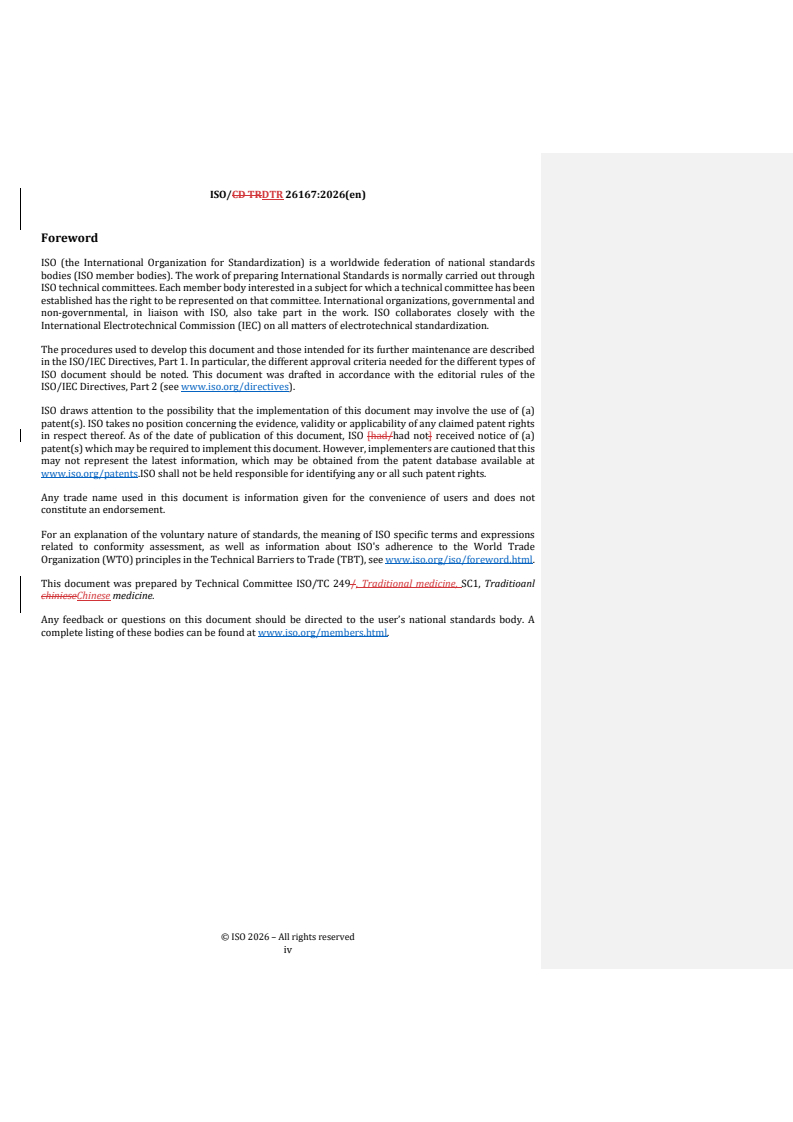
Electroceuticals are generally accepted as medical devices that stimulate the nervous system for therapeutic purposes. It can be applied not only to the nervous system but also to other organs such as the skin, muscles, heart, etc. In the field of Traditionaltraditional Chinese Medicine,medicine (TCM), electroceutical techniques are being developed to effectively stimulate acupuncture points. Conversely, the theory of acupuncture points and meridians in traditional Chinese medicine is being borrowed by the field of modern medicine and biomedical engineering to select the optimal stimulation sites for the application of electroceuticals. For example, PC6 electroacupuncture therapy has been developed into a medical device for the treatment of vomiting and motion sickness, and SP6 electroacupuncture therapy has been developed and used as electroceuticals for the treatment of overactive bladder. In addition, electroacupuncture therapy for BL31-32 is being developed as an electronic medicine for the treatment of constipation. This kind of combination of acupuncture and electronic medicine technology in TCM is actively progressing and accelerating the development of TCM and electroceuticals together. Professionals in both fields who wish to develop electroceuticals using acupoint meridian theory or to utilize developed electroceutical technologies for acupoint stimulation needsneed to have a comprehensive understanding of each other's fields in order to achieve a technological convergence of these two fields.
Some of the contents in this documnet can be used in the future development of international standards for electroceutical devices using acupuncture points. The purpose of this documetnt is to promote the use of acupuncture theory in the development of electroceuticals and to provide key information for the safe and effective development and use of the electroceutical technology in the dissemination of Traditionaltraditional Chinese medicine.
ISO/CD TRDTR 26167:2026(en) Traditional Chinese medicine — Acupuncture electroceuticals
1 Scope
This document describes key information considered in the development of electroceutical technologies that use acupuncture points as therapeutic targets or apply scientific research on acupuncture points. Specifically, this document provides key considerations for the development and clinical application of acupuncture electroceuticals, including their technical characteristics, the integration of acupuncture theories, and risk management measures for safe utilization. This document also contains information on recent scientific and technological trends related to electroceutical development, as well as scientific findings on acupuncture technology, its development, and clinical use.
2 Normative references
There are no normative references in this document.
3 Terms and definitions
For the purposes of this document, the following terms and definitions apply. Formatted: Font: Not Italic ISO and IEC maintain terminological databases for use in standardization at the following addresses:
- IEC Electropedia: available at http://www.electropedia.org/
- ISO Online browsing platform: available at http://www.iso.org/obp
3.1 electroceutical
medical device that utilizes nonpharmaceutical stimulation for treatment or prevention Note 1 to entry: Non-pharmaceutical stimulation may include but not limited to electrical, optical or magnetic stimulation.
3.2 acupuncture electroceutical
electroceuticalselectroceutical which is derived from acupuncture treatment technique
3.3 neuromodulation
alteration or modulation of nerve activity by delivering non-pharmaceutical stimulation
3.4 closed-loop neuromodulation
technology that measures dynamic neural or physiological activity to optimize interventions to improve clinical and non-clinical behaviour, cognition, health, attention, or general task performance
3.5 neural interface
device or system designed for data exchange and electrical stimulation between the human biological nervous system and an external digital device
ISO/CD TRDTR 26167:2026(en)
4 Technical background of acupuncture electroceuticals
4.1 The characteristics of electroceuticals
Electroceuticals have been actively researched recently because they are free from the side effects of drugs caused by chemical stimulation and can selectively stimulate specific neurological pathways. The physical modalities used for electroceutical stimulation are not limited to electricity; various sources, such as electromagnetic fields and photons, are also utilized. Furthermore, target sites include not only the nervous system but also various other anatomical structures, such as muscles and skin. However, the most widely studied and applied areas are closely related to the autonomic nervous system, including vagus nerve stimulation for pain management, organ function regulation, as well as stress and sleep management.
As shown in Table 1, electroceuticals possess properties that bridge the characteristics of pharmaceuticals and electronic medical devices. In particular, while sharing similarities to electrostimulation therapy devices, electroceuticals differ in that they are approved by regulatory agencies for specific biological mechanisms and targeted diseases, and are typically administered through a prescription by healthcare professionals, similar to medications.
Table 1 — Comparison of characteristics among pharmaceuticals, electroceuticals, and medical electrical devices Medical electrical Feature Pharmaceuticals Electroceuticals devices various medical functions Purpose treatment treatment (diagnosis, prevention, monitoring, treatment etc.) Mechanism biochemical interaction bioelectrical stimulation non-specific targeting specific targeting specific multiple medical Focus physiological functions physiological functions applications ventilators, lasers, antidepressants, pacemakers, vagus nerve defibrillators, Examples antihypertensives, stimulators, deep brain transcutaneous electrical analgesics stimulator nerve stimulator
4.2 Relationship between acupuncture and electroceuticals
Formatted: Space Before: 12 pt
...