


July 2026: Latest Standards Boost Safety and Innovation in Petroleum and Energy Technologies
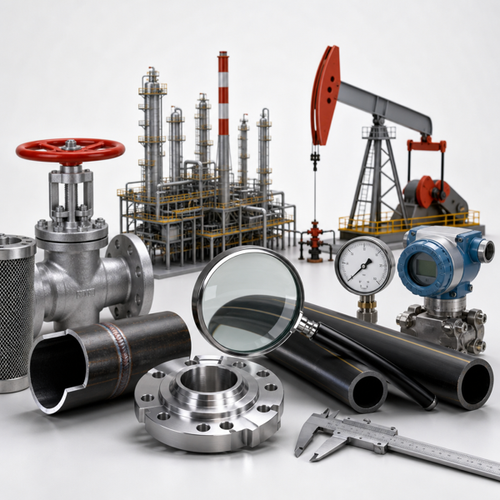
In July 2026, the global Petroleum and Energy Technologies sector saw the release of five pivotal international standards, each designed to address complex technical challenges in safety, asset integrity, and environmental compliance. These standards—spanning offshore structure stationkeeping, seismic resilience, cathodic pipeline protection, advanced fuel analysis, and non-metallic material use—reflect a concerted drive for operational excellence and sustainable energy solutions. This article explores the scope, requirements, and industry impact of these standards, offering technical insights and actionable compliance guidance for professionals across the petroleum, oil and gas, and emerging low-carbon energy fields.
Overview
The Petroleum and Energy Technologies sector underpins global energy supply and industrial activity. International standards are critical tools in harmonizing safety, boosting efficiency, and minimizing risks associated with the extraction, processing, transportation, and application of hydrocarbons and related energy sources. In July 2026, five new ISO standards were published, addressing crucial current trends and regulatory expectations:
- Offshore structures’ stationkeeping and seismic safety
- Cathodic protection for pipeline integrity (on land)
- Reliable sulfur content testing in automotive fuels
- Long-term durability of thermoset materials in harsh production environments
These standards guide organizations in implementing up-to-date requirements, maintaining regulatory alignment, and enabling technical innovation. This article provides a comprehensive breakdown of each standard, evaluating new requirements, compliance strategies, and practical considerations for industry professionals.
Detailed Standards Coverage
ISO 19901-7:2026 - Stationkeeping Systems for Floating Offshore Structures
Specific requirements for offshore structures — Part 7: Stationkeeping systems for floating offshore structures and mobile offshore units
ISO 19901-7:2026 delivers comprehensive methodologies for the design, analysis, and evaluation of stationkeeping systems—including spread moorings, single point moorings, dynamic positioning, and thruster-assisted systems—for floating offshore structures and mobile units. While originally focused on oil and gas platforms, its application now spans renewable energy (such as offshore wind), making it a cornerstone for hybrid energy transitions at sea.
The standard covers the entire lifecycle, detailing criteria for component selection, system configuration, installation, post-installation surveys, and integrity management. It guides the implementation of industry best practices for redundancy, safety analysis, independent verification, environmental data integration (waves, currents, ice conditions), and fatigue/resilience testing.
Key requirements include:
- Redundant mooring system design against single-point failures
- Comprehensive consideration of all limit states: ultimate, serviceability, fatigue, and accidental
- Site-specific environmental assessments and load cases
- Criteria for mooring layout, safety factors, anchor holding capacity, and interaction with marine assets
- Integration with associated standards (e.g., IEC 61400-3-2 for floating wind)
ISO 19901-7:2026 is essential for:
- Offshore platform operators and design engineers
- Project managers for renewable floating assets
- Contractors responsible for stationkeeping solutions
Implementation will improve asset resilience, reduce failure risk, and ease regulatory compliance for both legacy oil and gas and next-generation offshore energy operations.
Key highlights:
- Full lifecycle approach: from design to as-installed assessment
- Multisectoral alignment (oil, gas, renewables)
- Focus on operational safety, integrity, and redundancy
Access the full standard:View ISO 19901-7:2026 on iTeh Standards
ISO 15589-1:2026 - Cathodic Protection of On-Land Pipelines
Oil and gas industries including lower carbon energy — Cathodic protection of pipeline transportation systems — Part 1: On-land pipelines
ISO 15589-1:2026 brings updated requirements and recommendations for cathodic protection (CP) of on-land pipelines transporting hydrocarbons, industrial gases, and other fluids. The standard details protocols for pre-installation surveys, CP system design, material and equipment selection, installation, commissioning, operation, inspection, and ongoing maintenance.
Covering a broad spectrum of pipeline materials—including carbon steel, stainless steel, cast iron, galvanized steel, and copper—this standard sets out:
- Protection and assessment criteria (e.g., protection potentials, dealing with AC/DC interference)
- System prerequisites, including electrical continuity, isolation, and coating compatibility
- Design requirements for both impressed current and galvanic anode CP systems
- Installation and monitoring equipment guidance (test stations, probes, data logging)
- Reporting, documentation, and quality assurance measures
It is critical for field engineers, asset integrity managers, and contractors working on pipeline transport systems—whether new builds or maintenance of existing assets.
Practical implications include improved long-term corrosion mitigation, enhanced public and environmental safety, and reduced lifecycle maintenance costs.
Key highlights:
- Guidance on design, commissioning, and maintenance of CP systems
- Applicable to buried, on-land, and immersed pipeline sections (e.g., river crossings)
- Incorporates best practices for AC/DC interference and coating compatibility
Access the full standard:View ISO 15589-1:2026 on iTeh Standards
ISO 19901-2:2026 - Seismic Design of Offshore Structures
Specific requirements for offshore structures — Part 2: Seismic design
The fourth edition of ISO 19901-2 substantially revises seismic design criteria for offshore structures, extending its scope to cover not only oil and gas but also offshore wind and renewable energy assets. The standard provides detailed requirements for:
- Seismic hazard identification and analysis (probabilistic and deterministic methods)
- Structural performance objectives (ultimate limit states, serviceability)
- Site characterization and seismic risk categorization
- Structural response analysis (response spectrum, time history, nonlinear pushover)
- Geologically induced hazards beyond earthquakes, including liquefaction, slope instability, fault displacement, and tsunamis
The latest update incorporates:
- Expanded requirements for offshore wind and renewables
- Integration of industry specifications (e.g., IOGP JIP 35)
- Updated seismic hazard mapping and regional guidance
Targeted at structural engineers, project managers, and offshore safety officers, ISO 19901-2:2026 ensures robust design against seismic risk and regulatory compliance.
Key highlights:
- Probabilistic seismic hazard analysis for critical installations
- Performance-based design for high-consequence and high-seismicity areas
- Direct reference to offshore wind, enabling renewable project alignment
Access the full standard:View ISO 19901-2:2026 on iTeh Standards
ISO 20846:2026 - Sulfur Content of Automotive Fuels (UV Fluorescence Method)
Petroleum and related products — Determination of sulfur content of automotive fuels — Ultraviolet fluorescence method
ISO 20846:2026 specifies the ultraviolet fluorescence (UVF) method for reliably determining the sulfur content in automotive fuels, embracing motor gasolines, diesel fuels of various bio-content, synthetic fuels like hydrotreated vegetable oil (HVO) and gas-to-liquid (GTL), and neat fatty acid methyl ester (B100). Covering a wide dynamic range from 3 mg/kg to 500 mg/kg, this test method is pivotal for refineries, fuel terminals, and engine manufacturers seeking to meet tightening environmental regulations on sulfur emissions.
Key technical requirements include:
- Test method for handling blends with high biofuel content (up to 100% FAME)
- Handling of precision data for alternative and advanced fuels
- Calibration and quality control procedures for repeatability and accuracy
- Sample handling, contamination avoidance, and halogen interference mitigation
- Detailed equipment and reagent specifications for safety and efficacy
This standard is especially crucial for fuel quality laboratories, regulatory authorities, and procurement specialists in the transportation and energy sectors.
Key highlights:
- Encompasses new, higher bio-blend automotive fuels
- Robust multi-point calibration and sample preparation requirements
- Supports regulatory compliance with Tier 3/Euro VI sulfur limits
Access the full standard:View ISO 20846:2026 on iTeh Standards
ISO 23936-3:2026 - Thermosets in Oil and Gas Production Environments
Oil and gas industries including lower carbon energy — Non-metallic materials in contact with media related to oil and gas production — Part 3: Thermosets
As the industry pursues greater electrification, emissions reduction, and use of advanced materials, ISO 23936-3:2026 introduces systematized procedures for evaluating the stability of thermoset materials—such as short-fibre and particle-filled resins (excluding continuous fibre composites)—used in exploration and production (E&P) environments.
This standard:
- Specifies qualification and quality assurance for thermosets exposed to oilfield fluids, injected chemicals, and process conditions
- Outlines requirements for short-term (Level 2), accelerated (Level 3), and long-term (Level 4) ageing and stability assessments under simulated field conditions
- Provides guidance on selection, validation, and reporting of materials used in equipment such as pipelines, pipe liners, seals, gaskets, and fracking tools
- Addresses compatibility for applications in new low-carbon energy infrastructure
By helping users avoid expensive material failures, ISO 23936-3 ensures safe, reliable equipment performance across both conventional hydrocarbons and emerging energy streams.
Key highlights:
- Four-level assessment for thermoset stability (material property, short/long-term, accelerated)
- Strict traceability, identification, and reporting procedures
- Enables confident material selection for challenging E&P environments
Access the full standard:View ISO 23936-3:2026 on iTeh Standards
Industry Impact & Compliance
The new July 2026 standards set a strong foundation for:
- Enhanced operational safety (through rigorous design/assessment of stationkeeping and seismic resistance)
- Improved asset integrity and reduced lifecycle cost (via robust cathodic protection and material qualification)
- Environmental performance (with low-sulfur fuel testing and advanced material selection)
- Alignment with regulatory and market requirements in both legacy and renewable energy projects
Compliance timelines may vary by region and project, but prompt adoption supports risk management, regulatory certification, and insurance acceptance. Organizations delaying implementation face increased compliance liability, heightened operational risk, and potential business disruption.
Key steps for organizations:
- Audit current systems and material selections against new requirements
- Integrate updated procedures into project specifications and procurement
- Provide technical training for engineering and operations staff
Technical Insights
Several consistent technical themes emerge from these standards:
- Lifecycle Focus: Emphasis on comprehensive asset assessment from design through to operational phases
- Robust Data Requirements: Strong reliance on site-specific environmental, geotechnical, and performance data
- Quantitative and Performance-Based Criteria: Use of limit states, probabilistic methods, and multi-point calibration for design validation and quality assurance
- Standardized Testing: Prescribed laboratory and field methodologies, including sample handling, traceability, and accelerated ageing tests
- Documentation and Traceability: Requirements for records, certificates of conformity, and systematic reporting
Best practices for successful implementation include:
- Collaborating with accredited specialists and laboratories
- Using digital asset management and centralized documentation repositories
- Proactively engaging with regulators and insurers for certification and compliance alignment
Testing and certification bodies will play a key role in verifying conformance and supporting smooth project delivery.
Conclusion & Next Steps
The July 2026 standards in Petroleum and Energy Technologies underscore the sector’s evolution toward safer, cleaner, and more reliable operations. Whether managing offshore structure risk, pipeline corrosion, fuel quality, or advanced material selection, these specifications equip organizations with the frameworks they need to:
- Enhance asset reliability and safety
- Achieve regulatory and market compliance
- Accelerate sustainable energy transitions
Recommendations:
- Conduct internal standards compliance reviews
- Train teams on new methodologies and technical requirements
- Leverage the iTeh Standards platform to access the latest documents and stay informed of future updates
Explore all the new Petroleum and Energy Technologies standards and other essential resources at iTeh Standards
Categories
- Latest News
- New Arrivals
- Generalities
- Services and Management
- Natural Sciences
- Health Care
- Environment
- Metrology and Measurement
- Testing
- Mechanical Systems
- Fluid Systems
- Manufacturing
- Energy and Heat
- Electrical Engineering
- Electronics
- Telecommunications
- Information Technology
- Image Technology
- Precision Mechanics
- Road Vehicles
- Railway Engineering
- Shipbuilding
- Aircraft and Space
- Materials Handling
- Packaging
- Textile and Leather
- Clothing
- Agriculture
- Food technology
- Chemical Technology
- Mining and Minerals
- Petroleum
- Metallurgy
- Wood technology
- Glass and Ceramics
- Rubber and Plastics
- Paper Technology
- Paint Industries
- Construction
- Civil Engineering
- Military Engineering
- Entertainment