

ASTM B845-97(2024)
(Guide)Standard Guide for Mixed Flowing Gas (MFG) Tests for Electrical Contacts
General Information
- Abstract
SIGNIFICANCE AND USE
4.1 Preservation of a conducting surface on electrical contact is vital to the continued functioning of such contacts. Contamination of the surface with insulating layers formed by corrosion processes is one potential hazard. Laboratory testing of contacts in MFG tests is used to assess the effectiveness of design features and materials.
4.2 MFG tests are used in development studies of processes and materials for contacts. For example, coupon specimens may be exposed to MFG tests to evaluate new contact materials, layers of new coating materials on a supporting substrate, reduced coating thicknesses, or protective surface treatments.
4.3 MFG tests are also employed to test the durability of a finished product with respect to atmospheric corrosion. For example, finished connectors may be exposed to a MFG test and their performances compared against each other or against a set of fixed requirements. Relays or switch contacts may be exposed in the operated and non-operated conditions to compare performance.
4.4 MFG tests are useful for determining the effectiveness of connector housings and shrouds as barriers to ingress of atmospheric corrodants to the contact surfaces. These tests can also be used to assess the screening of the metal-to-metal contact areas of mated connectors.
4.5 MFG tests are employed as qualification tests to determine connector failure rates in application environments for which correlation between test and application has previously been established.
4.6 This guide provides test conditions which are to be applied in conjunction with Practice B827 which defines the required test operation and certification procedures, tolerances, and reporting requirements. Where the test specifier requires certifications or tolerances different than those provided in Practice B827, the required certifications or tolerances shall be part of the test specification. Differences from the specifications in Practice B827 shall be reported in the test re...
SCOPE
1.1 The techniques described in this guide pertain to mixed flowing gas (MFG) tests containing species that are applied to evaluate devices containing electrical contacts such as slip rings, separable connectors, electromechanical relays or switch contacts. These techniques may be relevant to other devices, but it is the responsibility of the user to determine suitability prior to testing.
1.2 The MFG tests described in this guide are designed to accelerate corrosive degradation processes. These accelerations are designed such that the degradation occurs in a much shorter time period than that expected for such processes in the intended application environment of the device being tested. Application environments can vary continuously from benign to aggressively corrosive. Connectors and contacts within closed electronic cabinets may be affected by an environment of different severity than the environment on the outside of such cabinets. In general, indoor environments are different than outdoor environments. The MFG tests described herein, being discrete embodiments of specific corrosive conditions, cannot be representative of all possible application environments. It is the responsibility of the test specifier to assure the pertinence of a given test condition to the specifier's application condition.
1.3 The MFG tests described herein are not designed to duplicate the actual intended application environment of the device under test. An extended bibliography that provides information which is useful to test specifiers to assist them in selecting appropriate test methods is included in this guide. The bibliography covers the scope from application condition characterization, single and multiple gas effects, and material and product effects to key application and test variables as well as discussions of atmospheric corrosion processes.
1.4 The values stated in SI units are to be regarded as standard. No other uni...
- Status
- Published
- Publication Date
- 31-Mar-2024
- Technical Committee
- B02 - Nonferrous Metals and Alloys
Overview
ASTM B845-97(2024), titled Standard Guide for Mixed Flowing Gas (MFG) Tests for Electrical Contacts, establishes guidelines for conducting laboratory evaluations of electrical contacts using mixed flowing gas environments. These controlled tests are designed to simulate and accelerate atmospheric corrosion processes that can impact the reliability and performance of electrical connectors, slip rings, relays, and switches. By exposing electrical contact materials and finished products to defined corrosive atmospheres, this standard helps manufacturers, laboratories, and designers assess material suitability, protective coatings, and construction quality in relation to corrosion resistance.
Key Topics
Accelerated Corrosion Testing: MFG tests described in ASTM B845-97(2024) provide a means to rapidly reproduce corrosion effects that would otherwise develop over extended durations in real-world environments. This is essential for evaluating how electrical contacts respond to various atmospheric contaminants, including sulfur dioxide, hydrogen sulfide, nitrogen dioxide, and chlorine.
Surface Preservation and Contamination: The standard addresses the significance of maintaining conductive surfaces free of insulating corrosion layers, which could lead to device malfunction. It enables systematic comparison of base metals, plated finishes, and protective treatments under realistic, yet accelerated, atmospheric conditions.
Product Development and Qualification: ASTM B845 supports the development, screening, and qualification of new contact materials, coatings, and connector designs. The standard is frequently applied to benchmark performance, guide material selection, and validate durability claims in competitive or regulated markets.
Validation of Environmental Protection Measures: The guide facilitates testing of connector housings, shrouds, and seals to determine their effectiveness in preventing corrosive ingress, helping manufacturers improve product life and reliability.
Standardized Test Plans and Reporting Requirements: It requires users to adhere to specific test conditions and procedures, especially when used in conjunction with ASTM Practice B827, ensuring consistent certification, operation, and result reporting.
Applications
The ASTM B845-97(2024) standard is utilized across industries where the integrity of electrical contacts is critical. Key application areas include:
- Electronics and Telecommunications: Evaluating connectors, switches, and relay contacts for use in both controlled indoor environments and harsher, industrial, or outdoor locations common in telecom infrastructure.
- Automotive and Transportation: Testing the durability of electrical systems exposed to challenging conditions such as pollution, humidity, and temperature fluctuations.
- Aerospace and Defense: Qualification of mission-critical connectors and contact assemblies destined for environments where corrosion can severely compromise safety and performance.
- Industrial Controls and Instrumentation: Ensuring reliability of components operating in process plants or facilities with aggressive atmospheric conditions.
Labs and manufacturers use this standard during product validation, research & development, and ongoing quality assurance, helping to lower failure rates and improve product longevity.
Related Standards
- ASTM B827 - Practice for Conducting Mixed Flowing Gas (MFG) Environmental Tests: Defines essential operating procedures, tolerances, and reporting requirements for MFG testing.
- ASTM B542 - Terminology Relating to Electrical Contacts: Provides key definitions relevant to MFG testing and contact evaluation.
- EIA-364B-TP65 - Mixed Industrial Gas Test Procedure: Compliments ASTM B845 for electronic equipment testing under defined corrosive gas exposures.
- IEC 68-2 series - International standards for environmental testing, including sulfur dioxide and hydrogen sulfide exposure methods for contact materials.
Practical Value
Adhering to ASTM B845-97(2024) enables organizations to:
- Mitigate the risks of electrical contact failure due to atmospheric corrosion.
- Make informed material and coating choices based on comparative test data.
- Validate product durability claims for customers and regulatory bodies.
- Reduce warranty costs and increase market confidence by testing and certifying products to recognized international standards.
Keywords: ASTM B845, mixed flowing gas test, electrical contact corrosion, atmospheric corrosion testing, connector durability, protective coatings, accelerated life testing, environmental testing, corrosion resistance.
Relations
- Replaces
ASTM B845-97(2018) - Standard Guide for Mixed Flowing Gas (MFG) Tests for Electrical Contacts - Effective Date
- 01-Apr-2024
- Effective Date
- 01-Apr-2024
- Effective Date
- 01-Apr-2024
- Effective Date
- 01-Apr-2024
- Referred By
ASTM B827-05(2020) - Standard Practice for Conducting Mixed Flowing Gas (MFG) Environmental Tests - Effective Date
- 01-Apr-2024
Get Certified
Connect with accredited certification bodies for this standard

IMQ S.p.A. (Certification)
Italian electrical product certification.

SLG Prüf- und Zertifizierungs GmbH
German testing and certification body.

UL Solutions
Global safety science company with testing, inspection and certification.
Sponsored listings
Frequently Asked Questions
ASTM B845-97(2024) is a guide published by ASTM International. Its full title is "Standard Guide for Mixed Flowing Gas (MFG) Tests for Electrical Contacts". This standard covers: SIGNIFICANCE AND USE 4.1 Preservation of a conducting surface on electrical contact is vital to the continued functioning of such contacts. Contamination of the surface with insulating layers formed by corrosion processes is one potential hazard. Laboratory testing of contacts in MFG tests is used to assess the effectiveness of design features and materials. 4.2 MFG tests are used in development studies of processes and materials for contacts. For example, coupon specimens may be exposed to MFG tests to evaluate new contact materials, layers of new coating materials on a supporting substrate, reduced coating thicknesses, or protective surface treatments. 4.3 MFG tests are also employed to test the durability of a finished product with respect to atmospheric corrosion. For example, finished connectors may be exposed to a MFG test and their performances compared against each other or against a set of fixed requirements. Relays or switch contacts may be exposed in the operated and non-operated conditions to compare performance. 4.4 MFG tests are useful for determining the effectiveness of connector housings and shrouds as barriers to ingress of atmospheric corrodants to the contact surfaces. These tests can also be used to assess the screening of the metal-to-metal contact areas of mated connectors. 4.5 MFG tests are employed as qualification tests to determine connector failure rates in application environments for which correlation between test and application has previously been established. 4.6 This guide provides test conditions which are to be applied in conjunction with Practice B827 which defines the required test operation and certification procedures, tolerances, and reporting requirements. Where the test specifier requires certifications or tolerances different than those provided in Practice B827, the required certifications or tolerances shall be part of the test specification. Differences from the specifications in Practice B827 shall be reported in the test re... SCOPE 1.1 The techniques described in this guide pertain to mixed flowing gas (MFG) tests containing species that are applied to evaluate devices containing electrical contacts such as slip rings, separable connectors, electromechanical relays or switch contacts. These techniques may be relevant to other devices, but it is the responsibility of the user to determine suitability prior to testing. 1.2 The MFG tests described in this guide are designed to accelerate corrosive degradation processes. These accelerations are designed such that the degradation occurs in a much shorter time period than that expected for such processes in the intended application environment of the device being tested. Application environments can vary continuously from benign to aggressively corrosive. Connectors and contacts within closed electronic cabinets may be affected by an environment of different severity than the environment on the outside of such cabinets. In general, indoor environments are different than outdoor environments. The MFG tests described herein, being discrete embodiments of specific corrosive conditions, cannot be representative of all possible application environments. It is the responsibility of the test specifier to assure the pertinence of a given test condition to the specifier's application condition. 1.3 The MFG tests described herein are not designed to duplicate the actual intended application environment of the device under test. An extended bibliography that provides information which is useful to test specifiers to assist them in selecting appropriate test methods is included in this guide. The bibliography covers the scope from application condition characterization, single and multiple gas effects, and material and product effects to key application and test variables as well as discussions of atmospheric corrosion processes. 1.4 The values stated in SI units are to be regarded as standard. No other uni...
SIGNIFICANCE AND USE 4.1 Preservation of a conducting surface on electrical contact is vital to the continued functioning of such contacts. Contamination of the surface with insulating layers formed by corrosion processes is one potential hazard. Laboratory testing of contacts in MFG tests is used to assess the effectiveness of design features and materials. 4.2 MFG tests are used in development studies of processes and materials for contacts. For example, coupon specimens may be exposed to MFG tests to evaluate new contact materials, layers of new coating materials on a supporting substrate, reduced coating thicknesses, or protective surface treatments. 4.3 MFG tests are also employed to test the durability of a finished product with respect to atmospheric corrosion. For example, finished connectors may be exposed to a MFG test and their performances compared against each other or against a set of fixed requirements. Relays or switch contacts may be exposed in the operated and non-operated conditions to compare performance. 4.4 MFG tests are useful for determining the effectiveness of connector housings and shrouds as barriers to ingress of atmospheric corrodants to the contact surfaces. These tests can also be used to assess the screening of the metal-to-metal contact areas of mated connectors. 4.5 MFG tests are employed as qualification tests to determine connector failure rates in application environments for which correlation between test and application has previously been established. 4.6 This guide provides test conditions which are to be applied in conjunction with Practice B827 which defines the required test operation and certification procedures, tolerances, and reporting requirements. Where the test specifier requires certifications or tolerances different than those provided in Practice B827, the required certifications or tolerances shall be part of the test specification. Differences from the specifications in Practice B827 shall be reported in the test re... SCOPE 1.1 The techniques described in this guide pertain to mixed flowing gas (MFG) tests containing species that are applied to evaluate devices containing electrical contacts such as slip rings, separable connectors, electromechanical relays or switch contacts. These techniques may be relevant to other devices, but it is the responsibility of the user to determine suitability prior to testing. 1.2 The MFG tests described in this guide are designed to accelerate corrosive degradation processes. These accelerations are designed such that the degradation occurs in a much shorter time period than that expected for such processes in the intended application environment of the device being tested. Application environments can vary continuously from benign to aggressively corrosive. Connectors and contacts within closed electronic cabinets may be affected by an environment of different severity than the environment on the outside of such cabinets. In general, indoor environments are different than outdoor environments. The MFG tests described herein, being discrete embodiments of specific corrosive conditions, cannot be representative of all possible application environments. It is the responsibility of the test specifier to assure the pertinence of a given test condition to the specifier's application condition. 1.3 The MFG tests described herein are not designed to duplicate the actual intended application environment of the device under test. An extended bibliography that provides information which is useful to test specifiers to assist them in selecting appropriate test methods is included in this guide. The bibliography covers the scope from application condition characterization, single and multiple gas effects, and material and product effects to key application and test variables as well as discussions of atmospheric corrosion processes. 1.4 The values stated in SI units are to be regarded as standard. No other uni...
ASTM B845-97(2024) is classified under the following ICS (International Classification for Standards) categories: 29.120.20 - Connecting devices. The ICS classification helps identify the subject area and facilitates finding related standards.
ASTM B845-97(2024) has the following relationships with other standards: It is inter standard links to ASTM B845-97(2018), ASTM B867-95(2023), ASTM B810-01a(2022), ASTM B942-21, ASTM B827-05(2020). Understanding these relationships helps ensure you are using the most current and applicable version of the standard.
ASTM B845-97(2024) is available in PDF format for immediate download after purchase. The document can be added to your cart and obtained through the secure checkout process. Digital delivery ensures instant access to the complete standard document.
Standards Content (Sample)
This international standard was developed in accordance with internationally recognized principles on standardization established in the Decision on Principles for the
Development of International Standards, Guides and Recommendations issued by the World Trade Organization Technical Barriers to Trade (TBT) Committee.
Designation: B845 − 97 (Reapproved 2024)
Standard Guide for
Mixed Flowing Gas (MFG) Tests for Electrical Contacts
This standard is issued under the fixed designation B845; the number immediately following the designation indicates the year of
original adoption or, in the case of revision, the year of last revision. A number in parentheses indicates the year of last reapproval. A
superscript epsilon (´) indicates an editorial change since the last revision or reapproval.
1. Scope 1.5 This standard does not purport to address all of the
safety concerns, if any, associated with its use. It is the
1.1 The techniques described in this guide pertain to mixed
responsibility of the user of this standard to become familiar
flowing gas (MFG) tests containing species that are applied to
with all hazards including those identified in the appropriate
evaluate devices containing electrical contacts such as slip
Safety Data Sheet (SDS) for this product/material as provided
rings, separable connectors, electromechanical relays or switch
by the manufacturer, to establish appropriate safety, health,
contacts. These techniques may be relevant to other devices,
and environmental practices, and determine the applicability
but it is the responsibility of the user to determine suitability
of regulatory limitations prior to use.
prior to testing.
1.6 This international standard was developed in accor-
1.2 The MFG tests described in this guide are designed to
dance with internationally recognized principles on standard-
accelerate corrosive degradation processes. These accelera-
ization established in the Decision on Principles for the
tions are designed such that the degradation occurs in a much
Development of International Standards, Guides and Recom-
shorter time period than that expected for such processes in the
mendations issued by the World Trade Organization Technical
intended application environment of the device being tested.
Barriers to Trade (TBT) Committee.
Application environments can vary continuously from benign
to aggressively corrosive. Connectors and contacts within
2. Referenced Documents
closed electronic cabinets may be affected by an environment
2.1 ASTM Standards:
of different severity than the environment on the outside of
B542 Terminology Relating to Electrical Contacts and Their
such cabinets. In general, indoor environments are different
Use
than outdoor environments. The MFG tests described herein,
B808 Test Method for Monitoring of Atmospheric Corrosion
being discrete embodiments of specific corrosive conditions,
Chambers by Quartz Crystal Microbalances
cannot be representative of all possible application environ-
B810 Test Method for Calibration of Atmospheric Corrosion
ments. It is the responsibility of the test specifier to assure the
Test Chambers by Change in Mass of Copper Coupons
pertinence of a given test condition to the specifier’s applica-
B825 Test Method for Coulometric Reduction of Surface
tion condition.
Films on Metallic Test Samples
1.3 The MFG tests described herein are not designed to
B826 Test Method for Monitoring Atmospheric Corrosion
duplicate the actual intended application environment of the
Tests by Electrical Resistance Probes
device under test. An extended bibliography that provides
B827 Practice for Conducting Mixed Flowing Gas (MFG)
information which is useful to test specifiers to assist them in
Environmental Tests
selecting appropriate test methods is included in this guide.
2.2 Other Documents:
The bibliography covers the scope from application condition
EIA-364B-TP65 Mixed Industrial Gas Test Procedure
characterization, single and multiple gas effects, and material
IEC Standard 68-2–42 Basic Environmental Testing
and product effects to key application and test variables as well
Procedures, Test K Sulphur Dioxide Test for Contacts and
c
as discussions of atmospheric corrosion processes.
Connections
1.4 The values stated in SI units are to be regarded as
IEC Standard 68-2–43 Basic Environmental Testing
standard. No other units of measurement are included in this
standard.
For referenced ASTM standards, visit the ASTM website, www.astm.org, or
contact ASTM Customer Service at service@astm.org. For Annual Book of ASTM
This guide is under the jurisdiction of ASTM Committee B02 on Nonferrous Standards volume information, refer to the standard’s Document Summary page on
Metals and Alloys and is the direct responsibility of Subcommittee B02.05 on the ASTM website.
Precious Metals and Electrical Contact Materials and Test Methods. Available from IHS, 15 Inverness Way East, Englewood, CO 80112, http://
Current edition approved April 1, 2024. Published April 2024. Originally www.global.ihs.com.
approved in 1993. Last previous edition approved in 2018 as B845 – 97 (2018). Available from American National Standards Institute (ANSI), 25 W. 43rd St.,
DOI: 10.1520/B0845-97R24. 4th Floor, New York, NY 10036, http://www.ansi.org.
Copyright © ASTM International, 100 Barr Harbor Drive, PO Box C700, West Conshohocken, PA 19428-2959. United States
B845 − 97 (2024)
Procedures, Test K Hydrogen Sulfide Test for Contacts certifications or tolerances different than those provided in
d
and Connections Practice B827, the required certifications or tolerances shall be
IEC Technical Trend Document 68-2–60 TTD Environmen- part of the test specification. Differences from the specifica-
tal Testing, Corrosion Tests in Artificial Atmosphere at tions in Practice B827 shall be reported in the test report
Very Low Concentration of Polluting Gas(es) provided by the test operator to the test specifier. Specification
IEC 68-2–60 (second edition) Environmental Testing—Part of one of the test conditions defined in this document in the
2: Tests—test Ke: Flowing mixed gas corrosion test, 1995 form of a statement such as, “Parts shall be tested in accor-
IEEE P1156.1 Environmental Specifications for Computer dance with ASTM B845 Method Z.”, implicitly requires test
Modules (Draft 4 Approved June 17, 1993.) condition, Z, applied according to Practice B827.
3. Terminology
5. Procedure
3.1 Terms relevant to this guide are defined in Terminology
5.1 Decide upon a test plan appropriate for the contacts
B542 except as noted in the following section.
being evaluated. Consider test parameters such as
preconditioning, performance measurement and other evalua-
3.2 Other term:
tion techniques, and experimental controls.
3.2.1 mixed flowing gas test, n—a laboratory test conducted
in air that flows through a test chamber in which the
5.2 Select a MFG test and exposure length appropriate for
temperature, relative humidity, concentrations of gaseous the parts being evaluated. Table 1 lists a number of such tests
pollutants, and other critical variables are carefully defined,
that have been documented in the technical literature. The next
monitored and controlled. section provides brief discussions of the origins and intended
purpose of each of the methods.
4. Significance and Use
6. Abstracts of Methods
4.1 Preservation of a conducting surface on electrical con-
tact is vital to the continued functioning of such contacts.
6.1 Method A—Method A was originally developed as a
Contamination of the surface with insulating layers formed by
highly accelerated test to stress equipment that might be
corrosion processes is one potential hazard. Laboratory testing
exposed to environments with high levels of air pollution from
of contacts in MFG tests is used to assess the effectiveness of
combustion of high sulfur coal (1). The method is included in
design features and materials.
this list for completeness. It is generally not considered
realistic for evaluation of electronic equipment for the vast
4.2 MFG tests are used in development studies of processes
majority of applications. Typical exposure time is 4, 10 or 21
and materials for contacts. For example, coupon specimens
days, depending upon the specification for the product under
may be exposed to MFG tests to evaluate new contact
test.
materials, layers of new coating materials on a supporting
substrate, reduced coating thicknesses, or protective surface
6.2 Method B—Method B was originally developed as a
treatments.
European standard, and has largely been replaced by methods
with lower levels of sulfur bearing gases (2). The method is
4.3 MFG tests are also employed to test the durability of a
included in this list for completeness. It is generally not
finished product with respect to atmospheric corrosion. For
considered realistic for evaluation of electronic equipment for
example, finished connectors may be exposed to a MFG test
the vast majority of applications. Typical exposure time is 4, 10
and their performances compared against each other or against
or 21 days, depending upon the specification for the product
a set of fixed requirements. Relays or switch contacts may be
under test.
exposed in the operated and non-operated conditions to com-
pare performance.
6.3 Method C—Method C was developed in Europe as an
alternative to Method A in response to requests for a less
4.4 MFG tests are useful for determining the effectiveness
aggressive test that would simulate exposures in less aggres-
of connector housings and shrouds as barriers to ingress of
sive environments (3,4). Method C may simulate the majority
atmospheric corrodants to the contact surfaces. These tests can
of usage environments better than Method A. Typical exposure
also be used to assess the screening of the metal-to-metal
time is 4, 10 or 21 days depending upon the specification for
contact areas of mated connectors.
the product under test.
4.5 MFG tests are employed as qualification tests to deter-
6.4 Method D—Method D was developed in Europe as an
mine connector failure rates in application environments for
alternative to Method B for the same reasons cited in the above
which correlation between test and application has previously
discussion of Method C (3,4). Typical exposure time is 4, 10 or
been established.
21 days, depending upon the specification for the product
4.6 This guide provides test conditions which are to be
under test.
applied in conjunction with Practice B827 which defines the
6.5 Method E—Method E was developed in Europe as a first
required test operation and certification procedures, tolerances,
step toward a test containing more than one pollutant gas (3,4).
and reporting requirements. Where the test specifier requires
5 6
Available from Institute of Electrical and Electronics Engineers, Inc. (IEEE), The boldface numbers in parentheses refer to a list of references at the end of
445 Hoes Ln., P.O. Box 1331, Piscataway, NJ 08854-1331, http://www.ieee.org. this guide.
B845 − 97 (2024)
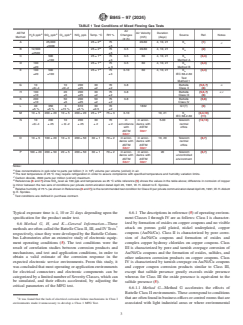
TABLE 1 Test Conditions of Mixed Flowing Gas Tests
Air
ASTM Air Velocity Duration
A A A
H S ppb SO ppb Cl ppb NO ppb Temp. °C RH % Changes Source Ref. Notes
2 2 2 2
Method (m/h) (days)
(# /h)
B
A 25,000 25 ± 2 75 20-60 4, 10, 21 K (1)
c C
±5000 ±5
B
B 12,500 25 ± 2 75 3-5 20-60 4, 10, 21 K (2)
d
±2500 ±5
B
C 500 25 ± 1 75 3-5 60 4, 10, 21 K (3,4)
e
±100 ±3 Method A
B
D 100 25 ± 1 75 3-5 60 4, 10, 21 K (3,4)
e
±20 ± 3 Method B
B
E 100 500 25 ± 1 75 3-10 60 4, 10, 21 K (3,4)
e
±20 ±100 ±3 IEC 68-2-60
Test
Method 1
G 10 10 200 30 70 3-8 Battelle (5,6,7)
D
+0/−4 +0/−2 ±25 ±2 ±2 Class II (8)
H 100 20 200 30 75 3-8 Battelle (5,6,7)
E,F
±10 ±5 ±25 ±2 ±2 Class III (8)
K 200 50 200 50 75 3-8 Battelle (5,8)
±10 ±5 ±25 ±2 ±2 Class IV
L 40 350 3 610 30 70 1832 G1(T) (9)
±5 % ±5 % ±15 % ±5 % ±0.5 ±2
B
M 10 ± 5 200 ± 20 10 ± 5 200 ± 20 25 ± 1 75 ± 3 3-10 10, 21 K (3,4,10)
e
IEC 68-2-60 (11)
N 10 200 10 200 30 70 in in accor- 5-30 Telecom (12,13)
+0/−4 ± 25 + 0/−2 ± 25 ± 2 ± 2 accordance dance with central
with ASTM office
ASTM B827
B827
O 10 ± 5 100 ± 20 10 ± 3 200 ± 50 30 ± 1 70 ± 2 in accor- in accor- 10, 20 Telecom (6,7)
dance with dance with central
ASTM ASTM office
B827 B827
P 100 ± 20 200 ± 50 20 ± 5 200 ± 50 30 ± 1 70 ± 2 in accor- in accor- 20 Telecom (6,7)
dance with dance with uncontrolled
ASTM ASTM environment
B827 B827
Notes:
A 9
Gas concentrations in ppb refer to parts per billion (1 in 10 ) volume per volume (vol/vol) in air.
B
The test temperature of 25 °C may require refrigeration in order to assure compliance with specified temperature and humidity variation limits.
C
Carbon dioxide, 4500 parts per million (vol/vol) maximum.
D
References (6 and 7) show NO level as 100 ppb and temperature as 25 °C while reference (5) shows the values in the table above; difference in corrosion of copper
is minor between the two sets of conditions per private communication dated April 26, 1991, W. H. Abbott to E. Sproles.
E
Relative humidity of 75 % (as shown in References (6 and 7)) is the recommended test condition for Class III per private communication dated April 26, 1991, W. H. Abbott
to E. Sproles.
F
Test conditions are defined in purchase contract.
Typical exposure time is 4, 10 or 21 days depending upon the 6.6.1 The descriptions in reference (5) of operating environ-
specification for the product under test.
ment Classes I through IV are as follows: Class I is character-
ized by formation of oxides on copper coupons and no visible
6.6 Method G, H, and K—General Information—These
attack on porous gold plated, nickel underplated, copper
methods are often called the Battelle Class II, III, and IV Tests
coupons (Au/Ni/Cu). Class II is characterized by pore corro-
respectively, since they were developed by the Battelle Colum-
sion of Au/Ni/Cu coupons and formation of oxides and
bus Laboratories after an extensive study of electronic equip-
complex copper hydroxy chlorides on copper coupons. Class
ment operating conditions (5). The test conditions were the
result of correlation studies between corrosion products and III is characterized by pore and tarnish creepage corrosion of
Au/Ni/Cu coupons and the formation of oxides, sulfides, and
mechanisms, and test and application conditions, in order to
obtain a valid estimate of the corrosion response in the other unknown corrosion products on copper coupons. Class
expected electronic service environments. From this study, it IV is characterized by tarnish creepage on Au/Ni/Cu coupons
was concluded that most operating or application environments
and copper coupon corrosion products similar to Class III,
for electrical connectors and electronic components can be
except that sulfide presence greatly exceeds oxide presence
categorized by a limited number of Severity Classes, which can
whereas for Class III the oxide presence is equivalent to the
be simulated, and their effects accelerated, by adjusting the
sulfide presence (5).
critical parameters of the MFG test.
6.6.1.1 Method G—Method G accelerates the effects of
Battelle Class II environments. These correspond to conditions
7 that are often found in business offices or control rooms that are
It was found that the lack of electrical corrosion failure mechanisms in Class I
environments made it unnecessary to develop a Class 1 MFG Test. associated with light industrial areas or where environmental
B845 − 97 (2024)
controls are not operating effectively and continuously (5,14). consists of the Method G (Battelle Class II) three gas mixture
Light tarnish creepage corrosion has been reported to be found plus sulfur dioxide. It is based upon investigations conducted,
in Class II gas tests. Typical industry practice has been to over several years, by the Siemens Corporation of Munich,
expose test hardware (such as connectors) to this test for 1 to Germany, in public buildings belonging to the German Federal
3 weeks. Railways and Post Office Department (10,11). Tolerances on
6.6.1.2 Method H—Method H accelerates the effects of gas composition have been added since the draft versions of the
Battelle Class III environments. These correspond to many IEC document were published. Verification of test performance
industrial and related locations (including many storage areas) using mass gain of copper coupons is recommended because
where moderate amounts of pollutants are present in poorly allowed tolerances on chlorine and hydrogen sulfide content of
controlled environments. These might be found nearer to the test atmosphere permit a large range in relative gas
primary sources of atmospheric pollutant gases or in industrial composition. The IEC standard recommends a mass gain on
2 2
environments where there are a multiplicity of sources for copper of 1.2 mg ⁄dm to 2.4 mg ⁄dm · day.
pollutant gases within a region such that all businesses in such
6.9 Method N—The values for pollutant gases are identical
regions are susceptible. Potential failure mechanisms in this
to the IEC standard in Method M above with the provision for
test include severe pore corrosion and corrosion product
testing at 30 °C rather than at 25 °C as in the proposed IEC
migration from the pores or from the base-metal edges adjoin-
standard (12). These test conditions have been used in some
ing the gold finish. Heavy film growth on base metals and
qualification testing of connectors for telecommunications
accelerated attack on other susceptible materials are also
products and included in an industry round robin. Present
possible (5). Typical industry practice has been to expose test
industry practice is use of Methods O and P in place of Method
hardware (such as connectors) to this test for 10 or 20 days.
N.
6.6.1.3 Method K—Method K accelerates the effects of
6.10 Method O—This method is used to evaluate connectors
Battelle Class IV environments. These represent the most
for use in telephone central offices and similar environments
severe electronic equipment operating environments, such as
(12). Typical practice is exposure 10 days in the unconnected
might be found at or adjacent to primary sources of atmo-
state, followed by 10 days in the connected state. Users
spheric pollutant gases or where the combined effects of
normally place requirements for verification of test severity
multiple pollutant gases and high humidity combine to rapidly
based on mass gain of copper coupons in accordance with Test
destroy the integrity of precious metal finishes and produce
Method B810. One widely used recommendation for mass gain
thick corrosion films on some base metal surfaces (4). Testing
2 2
is 15 μg ⁄cm 6 3 μg/cm · day.
to Class IV environments is not generally recommended
because material selection alone is seldom sufficient to protect
6.11 Method P—This method is used to evaluate connectors
the reliability of electrical contact surfaces. See Section 4 for for use in telephone equipment exposed to uncontrolled envi-
information on attenuation of pollutant effects. Exposure time
ronments such as outdoor sheltered, semi-sealed enclosure
in this test is best determined by study of the specific (12). Typical practice is exposure 10 days in the unconnected
application environment.
state, followed by 10 days in the connected state. Users
normally place requirements on test severity based on mass
6.7 Method L—Method L refers to the GIT test conditions
gain of copper coupons in accordance with Test Method B810.
which have been used by IBM to qualify connectors and
One widely used recommendation for mass gain is 45 μg ⁄cm
electrical components for operation in the IBM business office
6 9 μg/cm · day.
applications environment as part of a comprehensive corrosion
evaluation strategy (9). The GIT test conditions were selected
6.12 Method X—The interested parties, for example, pur-
to provide correlation of both corrosion product and mecha- chaser and supplier, may require a test different than any
nism between test and application conditions to obtain a valid
already defined. In such cases, the parties must agree upon
estimate of the corrosion response in the expected environ- values for all relevant parameters including those listed in
ment. The selection of test conditions was based on X-ray
Table 1.
diffraction studies of copper coupons exposed to both applica-
7. Report
tion (field) sites and test conditions.
7.1 Reporting requirements are in accordance with Practice
6.8 Method M—Method M has been developed by the
B827 unless otherwise stated by agreement between test
International Electrotechnical Commission (IEC) SC 50B and
specifier and test vendor or operator.
8. Keywords
EIA 364 TP-65 designates these test conditions as ‘Environmental Class II’ (8).
8.1 accelerated test; air velocity; atmospheric corrosion;
EIA 364 TP-65 designates these test conditions as ‘Environmental Class III’ (8).
EIA 364 TP-65 designates these test conditions as ‘Environmental Class IV’
chlorine; connector; corrosion; corrosive gas testing; electrical
(8).
contacts; environmental; humidity; hydrogen sulfide; mixed
Current IBM test conditions may differ from Method L and may be obtained
flowing gas; nitrogen dioxide; pollutant; reliability; sulfur;
by consulting the IBM Corporation Standards Project Authority for Environmental
Gaseous Corrosion Testing (SPA 129.20) (15). sulfur dioxide; tarnish; temperature; testing
B845 − 97 (2024)
REFERENCES
(1) International Electrotechnical Commission, IEC Standard 68-2-42, (11) Cosack, U., “Defending a Four-Gas Mixture with Low Concentra-
Basic Environmental Testing Procedures, Test K : Sulphur Dioxide tions as an IEC Standard,” Provisional Information, Basis for the
e
Test for Contacts and Connections, 1976.
German Standards Proposal, Supplement to TTD IEC SC 50B
(2) International Electrotechnical Commission, IEC Standard 68-2-43,
(Central Office) 270, April 24, 1990., pp. 1–6, 1990.
Basic Environmental Testing Procedures, Test K : Hydrogen Sulfide
(12) Bellcore, Information Management Services Generic Requirements
d
Test for Contacts and Connections, 1976.
for Separable Electrical Connectors Used in Telecommunication
(3) International Electrotechnical Commission, IEC Technical Trend
Hardware, Bellcore TR-NWT-001217, Issue 1, September, 1992
Document 68-2–60 TTD, Environmental Testing, Corrosion Tests in
Bellcore TA-NWT-000063, Issue 2, December 1991, Network
Artificial Atmosphere at Very Low Concentration of Polluting Gas(es),
Equipment-Building Systems (NEBS), Bellcore, Room 1B252, 60
1989.
New England Avenue, Piscataway, NJ 08854-4196, 1992.
(4) IEC 68-2–60 (second edition) Environmental Testing—Part 2: Tests—
(13) Institute of Electrical and Electronics Engineers, Inc., IEEE P1156.1
tests K : Flowering mixed gas corrosion test, 1995.
e
Environmental Specifications for Computer Modules (Draft 4 Ap-
(5) Abbott, W. H., “The Development and Performance Characteristics of
proved June 17, 1993), Item 7.7, 1992.
Flowing Mixed Gas Test Environments,” IEEE Trans. CHMT, vol. 11,
(14) Currence, R., Reyes, W., and Sie, C., “Characterizing the Machine
no. 1, pp. 22–42, March 1988.
Internal Environment for Specifying and Testing Contact Materials,”
(6) Turn, J. C., “Corrosion Behavior of Beryllium Copper in Simulated
Proceedings of the 19th Annual Connector and Interconnection
Industrial Environments,” Corrosion 89, April 1989, NACE Meeting
Technology Symposium, September, 1986, Anaheim, California, pp.
New Orleans, Louisiana, p. Paper #337, Houston, TX: NACE, 1989.
23–29, 1986.
(7) “Generic Requirements for Separable Electrical Connectors Used in
(15) IBM Corporate Director of Standards. 2000 Purchase St., Purchase,
Telecommunications Hardware,” Bellcore, GR 1217-Core, November
NY 10577.
1995, Section 9.1.
(16) Heinonen, R., Rakkolainen, J., Saarinen, T., and Aberg, M., “Nordic
(8) Electronic Industries Association, EIA-364B-TP65 Mixed Industrial
Project on Corrosion in Electronics-V: Atmospheric Corrosion in
Gas Test Procedure, 1992.
Electronics-A Comparative Study on Field and Laboratory Test
(9) Gore, R., Witska, R., Kirby, J. R., and Chao J., “Corrosive Gas
Results of Various Electronic Contacts,” Proceedings of the Four-
Environmental Testing for Electrical Contacts,” IEEE Trans. CHMT,
teenth International Conference on Electrical Contacts, June 20–24,
vol. 13, no. 1, pp. 27–32, March 1990.
1988, Paris, France, pp. 271–276, 1988.
(10) Cosack, U., “Survey of Corrosion Tests with Pollutant Gases and
Their Relevance for Contact Materials,” Proceedings of the Thir- (17) Persson, D., and Leygraft, C., “Analysis of Atmospheric Corrosion
teenth International Conference on Electrical Contacts, Sept. 15–19, Products of Field Exposed Nickel,” J. Electrochem. Soc., vol. 139,
1986, Lausanne, Switzerland, pp. 316–324, 1986. no. 8, pp. 2243–2249, August 1992.
BIBLIOGRAPHY
(1) Vernon, W. H. J., and et al., “Laboratory Study of the Atmospheric (6) Antler, M., and Gilbert, J., “Effects of Air Pollution on Electric
Corrosion of Metals,” Trans. Faraday Soc., vol. 27, p. 255, 1931. Contacts,” Proceedings of the Engineering Seminar on Electrical
(2) Campbell, W. E., and Thomas, U. B., “Tarnish Studies: Electrolytic Contacts—June 10–12, 1963, Orono, Maine, p. Paper 8, 1963.
Reduction Method for the Accurate Analysis of Thin Films on Metal (7) Blake, B. E., “Summary Report of the ASTM Section G Contact
Surfaces,” Transactions of the Electrochemical Society, vol. 76, p. Field Tests,” Proceedings of the Second International Research
303, 1939. Symposium on Electrical Contact Phenomena, May 4–6, 1964, Graz,
(3) Ulsh, H., and Olmes, B., “Electrical Characteristics of Oxide Films Austria, pp. 531–544, 1964.
on Copper Base Materials before Electrical Breakdown and Contact (8) Chiarenzelli, R. V., “Air Pollution Effects on Contact Materials,”
Resistance,” Proceedings of the Engineering Seminar on Electrical Proceedings of the Engineering Seminar on Electrical Contacts—
Contacts—June 10–14, 1957, University Park, Pennsylvania, p. June 14–18, 1965, Orono, Main, pp. 63–102, 1965.
Paper 2, 1957. (9) Campbell, W. E., “The Tarnishing of Silver and Copper,” Proceed-
(4) Lambert, R. H., and Trevoy, D. J., “Analysis of Films on Copper by ings of the Engineering Seminar on Electrical Contacts—June
Coulometric Reduction,” J. Electrochem. Soc., vol. 105, no. 1, pp. 14–18, 1965, Orono, Maine, p. 341, 1965.
18–23, January 1958. (10) Chiarenzelli, R. V., “Tarnishing Studies on Contact Materials,”
(5) Blake, B. E., “Some Measurements of Contact Resistance in an Proceedings of the Third International Research Symposium on
Accelerating Atmosphere,” Proceedings of the Engineering Seminar Electrical Contact Phenomena, June 6–10, 1966, Orono, Maine, pp.
on Electrical Contacts—June 16–18, 1958. University Park, 83–94, 1966.
Pennsylvania, p. Paper 4, 1958. (11) Snowball, R. F., and Williamson, J. P. B., “The Ingress of Reactants
B845 − 97 (2024)
between Contacting Surfaces,” Proceedings of the Third Interna- (26) Crossland, W. A., and Knight, E., “The Tarnishing of Silver-
tional Research Symposium on Electrical Contact Phenomena, June Palladium Surfaces and Its Effect on Contact Resistance in Low
6–10, 1966, Orono, Maine, pp. 377–384, 1966. Energy Circuits,” Proceedings of the Nineteenth Holm Seminar on
(12) Stepke, E. T., “Electrical Conduction Processes through Very Thin Electrical Contact Phenomena October 15–18, 1973, Chicago,
Tarnish Films Grown on Copper,” Proceedings of the Engineering Illinois, pp. 248–264, 1973.
Seminar on Electrical Contact Phenomena, November 6–9, 1967, (27) Crossland, W. A., Knight, E., and Wright C. R., “The Accelerated
Chicago, Illinois, pp. 125–136, Chicago, IL: Illinois Institute of Tarnish Testing of Contacts and Connection Employing Silver Alloy
Technology, 1967. Contacts,” Proceedings of the Nineteenth Holm Seminar on Electri-
(13) Abbott, W. H., and Ogden, H. R., “The Influence of Environments on cal Contact Phenomena October 15–18, 1973, Chicago, Illinois, p. 2
Tarnishing Reactions,” Proceedings of the Fourth International Illinois Institute of Technology, 1973.
Research Symposium on Electrical Contact Phenomena, July 15–18, (28) Tompkins, H. G., “The Interaction of Some Atmospheric Gases with
1968, Swansea, United Kingdom, pp. 35–39, 1968. a Tin-Lead Alloy,” J. Electrochem. Soc., vol 120, no. 5, p. 651, 1973.
(14) Krumbein, S. J., “Corrosion through Porous Gold Plate,” Proceed- (29) Abbott, W. H., “Effects of Industrial Air Pollutants on Electrical
ings of the Engineering Seminar on Electrical Contact Phenomena, Contact Materials,” Electrical Contacts-1973, Proceedings of the
November 11–15, 1968, Chicago, Illinois, pp. 67–84, Chicago, IL: Nineteenth Annual Holm Conference on Electrical Contacts, pp.
Illinois Institute of Technology, 1968. 94–99, Chicago, IL: Illinois Institute of Technology, 1973.
(15) Campbell, W. E., and Thomas, U. B., “Tarnishing and Contamination (30) Hobgood, L. D., and Lorenzen, J. A., “Environmental Monitoring
of Metals,” Proceedings of the Engineering Seminar on Electrical Device,” US Patent 3847552, November 1974.
Contact Phenomena, November 11–15, 1968, Chicago, Illinois, pp. (31) Lindborg, U., and Lind, L., “Gold Electroplate, Porosity, Corrosion
233–266, Chicago, IL: Illinois Institute of Technology, 1968. Behaviour and Bendability,” Proceedings of the Seventh Interna-
(16) Abbott, W. H., “The Mechanism of Tarnishing of Precious Metal tional Symposium on Electrical Contact Phenomena June 5–9, 1972,
Contact Alloys,” Electrical Contacts-1969. Proceedings of the Holm Paris, France, pp. 80–86, 1974.
Seminar on Electrical Contacts, pp. 1–6, Chicago, IL: Illinois (32) Thibault, M., and Galand, J., “Corrosion Mechanisms of Coated
Institute of Technology, 1969. Contacts,” Proceedings of the Seventh International Symposium on
(17) Kronenfels, W. V. V., “Tarnishing Films on Plated Gold Contacts Electrical Contact Phenomena June 5–9, 1972, Paris France, pp.
from H S,” Proceedings of the Fifth International Research Sympo- 232–238, 1974.
sium on Electrical Contact Phenomena May 4–9, 1970, Munich, (33) Thibault, M., and Carbellerira, A., “Evaluation of Corrosion Behav-
West Germany, pp. 204–207, 1970. iour of Connector Contacts,” Proceedings of the Seventh Interna-
(18) Crossland, W. A., and Knight, E., “The Tarnishing Behaviour of tional Symposium on Electrical Contact Phenomena June 5–9, 1972,
Silver-Palladium Contact Surfaces and Its Relationship to the Accel- Paris, France, pp. 239–244, 1974.
erated Testing,” Proceedings of the Fifth International Research (34) Potinecke, J., and Pechhold, E., “Influence of Aggressive Gases on
Symposium on Electrical Contact Phenomena May 4–9, 1070, Contact Surfaces,” Proceedings of the Seventh International Sympo-
Munich, West Germany, pp. 324–328, 1970. sium on Electrical Contact Phenomena June 5–9, 1972, Paris,
(19) Stocker, H., “Method to Determine Transient Resistance of a Contact France, pp. 245–249, 1974.
with a Tarnishing Film,” Proceedings of the Fifth International (35) Kirchdorfer, J., “A Contribution to the Study of the Long Time
Research Symposium on Electrical Contact Phenomena May 4–9, Behaviour of Electrical Contacts in Industrial Atmospheres,” Pro-
1970, Munich, West Germany, pp. 338–341, 1970. ceedings of the Seventh International Symposium on Electrical
(20) Dekany, I., “Distribution of Contact Resistance of Precious Metal Contact Phenomena June 5–9, Paris, France, pp. 259–265, 1974.
Contacts with Different Tarnishing Films,” Proceedings of the Fifth (36) Holm, R., “The Effect of Environment on Electrical Contacts: A
International Research Symposium on Electrical Contact Phenom- Discussion at the 1973 Holm Seminar,” Proceedings of the Twentieth
ena May 4–9, 1970, Munich, West Germany, pp. 355–358, 1970. Holm Seminar on Electrical Contacts October 29–31, 1974,
(21) Mollen, J. C., and Trzeciak, M. J., “Copper Films Field Exposure,” Chicago, Illinois, p. 281, 1974.
Proceedings of the Sixteenth Holm Seminar on Electrical Contact (37) Abbott, W. H., and Whitely, J. H., “The Lubrication and Environ-
Phenomena November 9–12, 1970, Chicago, Illinois, pp. 37–44, mental Protection of Alternatives to Gold for Electronic
1970. Connectors,” Proceedings of the Twenty-First Holm Seminar on
(22) Campbell, W. E., “Reduction of the Rate of Film Formation on Silver Electrical Contacts October 14–16, 1975, Chicago, Illinois, pp,
and Brass by Purification of the Atmosphere,” Proceedings of the 9–16, 1975.
Sixth International Conference on Electrical Contact Phenomena (38) Schiff, K. L., Harmsen, N., and Schnabl, R., “The Tarnishing
meeting in conjunction with the Eighteenth Holm Seminar on Behavior of Gold-Base Alloys in Corrosive Atmospheres,” Proceed-
Electrical Contact Phenomena June 5–9, 1972, Chicago, Illinois, pp. ings of the Twenty-First Holm Seminar on Electrical Contacts
185–194, 1972. October 14–16, 1975, Chicago, Illinois, pp. 37–46, 1975.
(23) Graedel, T. E., “The Atmospheric Environments Encountered by (39) Potinecke, J., “Behaviour of Contact Surfaces Consisting of Silver
Electrical Contacts,” Proceedings of the Nineteenth Holm Seminar and Palladium Alloys in Hydrogen Sulfide Nitrous Oxide Sulfur
on Electrical Contact Phenomena October 15–18, 1973, Chicago, Dioxide Atmospheres,” Proceedings of the Twenty-First Holm Semi-
Illinois, pp. 62–79, 1973. nar on Electrical Contacts October 14–16, 1975, Chicago, Illinois,
(24) Robbins, R. C., “Economic Effects of Air Pollution on Electrical pp. 139–144, 1975.
Contacts,” Proceedings of the Nineteenth Holm Seminar on Electri- (40) Long, T. R., and Bradford, K. F., “Contact Resistance Behaviour of
cal Contact Phenomena October 15–18, 1973, Chicago, Illinois, pp, the 60 Palladium 40 Silver Alloy in Tarnishing Environments,”
80–86, 1973.Mano, K., “Studies of Environmental Test Methods of Proceedings of the Twenty-First Holm Seminar on Electrical
Electrical Contact in Japan,” Proceedings of the Nineteenth Holm Contacts, October 14–16, 1975, Chicago, Illinois, pp. 145–154,
Seminar on Electrical Contact Phenomena October 15–18, 1973, 1975.
Chicago, Illinois, pp. 87–93, 1973. (41) Lewis, N. E., Reed, C. W., DeCorpo, J. J., and Wyatt, J. R., “A
(25) Peytchev, L., Pantcheva, M., Moschekow, K., and Pindev, G., Comparative Study of the Performance of Electrical Sliding Contact
“Influence of Aggressive Factors on Some Contact Materials,” Lubricants in a Chemically Active Atmosphere,” Proceedings of the
Proceedings of the Nineteenth Holm Seminar on Electrical Contact Twenty-First Holm Seminar on Electrical Contacts October 14–16,
Phenomena October 15–18, 1973, Chicago, Illinois, pp. 100–105, 1975, Chicago, Illinois, pp. 155, 1975.
1973. (42) Lorenzen, J. A., “Environmental Monitoring Device for X-ray
B845 − 97 (2024)
Determination of Atmospheric Chlorine, Reactive Sulfur and Sulfur Twenty-Second Annual Holm Conference on Electrical Contacts, pp.
Dioxide,” Adv. X-ray Analysis, vol. 18, pp. 568–578, 1975.
33–40, Chicago, IL: Illinois Institute of Technology, 1976.
(43) Harmsen, N., “Spring-Hard Precious Metal Alloys with Good
(57) International Electrotechnical Commission, IEC Standard 68–2–42,
Tarnishing Behaviour for Electrical Contacts,” Proceedings of the
Basic Environmental Testing Procedures, Test K : Sulphur Dioxide
c
Eighth International Conference on Electrical Contact Phenomena
Test for Contacts and Connections, 1976.
August 22–26, 1976, Tokyo, Japan, pp. 69–74, 1976.
(58) International Electrotechnical Commission, IEC Standard 68-2-43,
(44) Kuczogi, E., “Semiconducting Tarnish Films on Contact Metals,”
Basic Environmental Testing Procedures, Test K : Hydrogen Sul-
d
Proceedings of the Eighth International Conference on Electrical
fide Test for Contacts and Connections, 1976.
Contact Phenomena August 22–26, 1976, Tokyo, Japan, pp. 83–88,
(59) Schiff, K. L., “Technical Realization and Experimental Performance
1976.
of Corrosive Gas Test Equipment for Accelerated Tests of Electrical
(45) Bresgen, H., “Reducing the Contact Resistance of Tarnish Layers on
Contacts,” Electrical Contacts-1977, Proceedings of the Twenty-
Silver by Means of an Oscillating Load,” Proceedings of the Eighth
Third Annual Holm Conference on Electrical Contacts, pp. 43–50,
International Conference on Electrical Contact Phenomena August
Chicago, IL: Illinois Institute of Technology, 1977.
22–26, 1976, Tokyo, Japan, pp. 89–94, 1976.
(60) Der Marderosian, A., and Murphy, C., “Humidity Threshold Varia-
(46) Potinecke, J., “Behaviour of Contact Surfaces Consisting of Gold
tions for Dendrite Growth on Hybrid Substrates,” 15th Annual
Alloys in Hydrogen Sulfide Nitrous Oxide Sulfur Dioxide
Proceedings on Reliability Physics 1977, pp. 92–100, April 1977.
Atmospheres,” Proceedings of the Eighth International Conference
(61) Sharma, S. P., “Atmospheric Corrosion of Cu, Ni, and Ag,” J.
on Electrical Contact Phenomena August 22–26, 1976, Tokyo,
Electrochem. Soc., vol. 125, p. 2005, 1978.
Japan, pp. 275–280, 1976.
(62) Abbott, W. H., “Recent Studies of Tarnish Creep,” Electrical
(47) Yamazaki, S., Nagayama, T., Kishimoto, Y., and Kanno, N., “Inves-
Contacts-1978, Proceedings of the Ninth International Conference
tigation of Contact Resistance of Open Contacts Covered by Am-
on Electrical Contact Phenomena and the Twenty-Fourth Annual
monium Sulfate Film,” Proceedings of the Eighth International
Holm Conference on Electrical Contacts, pp. 117–122, Chicago, IL:
Conference on Electrical Contact Phenomena August 22–26, 1976,
Illinois Institute of Technology, 1978.
Tokyo, Japan, pp. 281–286, 1976.
(63) Lee, F. F. M., and Ternowski, M., “Corrosion Behaviour at Pore Sites
(48) Hoft, H., “Reliability and Formation of Films on Switching
during Sulfur Dioxide Porosity Tests,” Electrical Contacts-1978,
Contacts,” Proceedings of the Eighth International Conference on
Proceedings of the Ninth International Conference on Electrical
Electrical Contact Phenomena August 22–26, 1976, Tokyo, Japan,
Contact Phenomena and the Twenty-Fourth Annual Holm Confer-
pp. 287–294, 1976.
ence on Electrical Contacts, pp. 215–226, Chicago, IL: Illinois
(49) Kirchdorfer, J., “A Contribution to the Study of the Long Time
Institute of Technology, 1978.
Behaviour of Electrical Contacts in Industrial Atmospheres-Part II,”
(64) Russ, G. J., and Chesseri, R. J., “Contact Finish Design
Proceedings of the Eighth International Conference on Electrical
Experiments—Contact Resistance of Gold Plated Copper and Nickel
Contact Phenomena August 22–26, 1976, Tokyo, Japan, pp.
Substrates Exposed to Tarnishing Environments,” Electrical
295–300, 1976.
Contacts-1978, Proceeding of the Ninth International Conference on
(50) Baker, R. G., “Accelerated Corrosion Testing of Electronic
Electrical Contact Phenomena and the Twenty-Fourth Annual Holm
Components—A Developing Science,” Proceedings of the Eighth
Conference on Electrical Contacts, pp. 227–234, Chicago, IL;
International Conference on Electrical Contact Phenomena August
Illinois Institute of Technology, 1978.
22–26, 1976, Tokyo, Japan, pp. 372–332, 1976.
(65) Borchert, L., Murr, A., Mayer, U., and Schiff, K. L., “Investigation of
(51) Mayer, U., “Test Atmospheres for Electrical Contact Materials—
Corrosion Behaviour of Contact Materials Used in
Generation and Application” Proceedings of the Eighth International
Telecommunications,” Electrical Contacts-1978, Proceedings of the
Conference on Electrical Contact Phenomena August 22–26, 1976,
Ninth International Conference on Electrical Contact Phenomena
Tokyo, Japan, pp. 333–338, 1976.
and the Twenty-Fourth Annual Holm Conference on Electrical
(52) Kishimoto, M., Ishino, M., Mitani, S., and Hiratsuka, Y., “Evaluation
Contacts, pp. 273–286, Chicago, IL: Illinois Institute of Technology,
Method of Gold and Palladium Contacts in Environments Contain-
1978.
ing Sulfur Dioxide, Nitrous Oxide and Ammonia,” Proceedings of
(66) Baron, J. P., Archambault, C., Guinement, J., Le Traon, J. Y., and
the Eighth International Conference on Electrical Contact Phenom-
Rio, P., “Search for a Test Simulating the Environment of Industrial
ena August 22–26, 1976, Tokyo, Japan, pp. 339–346, 1976.
Atmospheres for Contacts and Connections,” Electrical Contacts-
(53) Nakamura, K., “A Method for Forced Environmental Test of
1978, Proceedings of the Ninth International Conference on Elec-
Connectors in a Condition Combined Mechanical Shock and Hydro-
trical Contact Phenomena and the Twenty-Fourth Annual Holm
gen Sulfide Atmosphere,” Proceedings of the Eighth International
Conference on Electrical Contacts, pp. 287–294, Chicago, IL:
Conference on Electrical Contact Phenomena August 22–26, 1976,
Illinois Institute of Technology, 1978.
Tokyo, Japan, pp. 667–672, 1976.
(67) Schiff, K. L., and Becker, H., “Surface Analysis of Tarnished
(54) Fujino, H., and Tomita, M., “Porosity Test of gold Plating Contacts
Precious Metals and Alloys after Exposure to Different Corrosive
and Evaluation Test of Connectors,” Proceedings of the Eighth
Environments,” Electrical Contacts-1978, Proceedings of the Ninth
International Conference on Electrical Contact Phenomena August
International Conference on Electrical Contact Phenomena and the
22–26, 1976, Tokyo, Japan, pp. 699–704, 1976.
Twenty-Fourth Annual Holm Conference on Electrical Contacts, pp.
(55) Antler, M., and Drozdowicz, M. H., “Gold Plated Contacts—The
295–302, Chicago, IL: Illinois Institute of Technology, 1978.
Relationship between Porosity and Contact Resistance on Elevated
Temperature Aging,” Proceedings of the Eighth International Con- (68) Simon, D., Bardolle, J., and Bujor, M., “Contribution to the Study of
ference on Electrical Contact Phenomena August 22–26, 1976, the Contamination of Telephone Relay Contacts,” Electrical
Tokyo, Japan, pp. 705–710, 1976. Contacts-1978, Proceedings of the Ninth International Conference
(56) Antler, M., Feder, M., Hornig, C. F., and Borland, J., “The Corrosion on Electrical Contact Phenomena and the Twenty-Fourth Annual
Behaviour of Single and Multiphase Tin-Nickel Alloy Holm Conference on Electrical Contacts, pp. 303–306, Chicago, IL:
Electrodeposits,” Electrical Contacts-1976, Proceedings of the Illinois Institute of Technology, 1978.
B845 − 97 (2024)
(69) Schiff, K. L., and Schnabel, R., “A Comparative Study of Acceler- Electrical Contact Phenomena August 25–29, 1980, Budapest,
ated Corrosive Gas Tests Applied to Separable Connector Contacts,”
Hungary, pp. 979–988, 1980.
Electrical Contacts-1978, Proceedings of the Ninth International
(86) Borchert, L., and Murr, A., “Atmopsheric Corrosion of Contact
Conference on Electrical Contact Phenomena and the Twenty-
Materials in Mannheim Industrial Climate,” Proceedings of the Tenth
Fourth Annual Holm Conference on Electrical Contacts, pp.
International Conference on Electrical Contact Phenomena August
309–314, Chicago, IL: Illinois Institute of Technology, 1978.
25–29, 1980, Budapest, Hungary, pp. 989–1002, 1980.
(70) Bader, F. E., Sharma, S. P., and Feder, M., “Atmospheric Corrosion
(87) Altendorf, R., and Graumuller, B., “Erosion and Corrosion Behav-
Testing of Connectors—A New Accelerated Test Concept,” Electri-
iour of Electrical Contacts with Reduced Precious Metal Consump-
cal Contacts-1978, Proceedings of the Ninth International Confer-
tion in Telecommunications Engineering,” Proceedings of the Tenth
ence on Electrical Contact Phenomena and the Twenty-Fourth
International Conference on Electrical Contact Phenomena August
Annual Holm Conference on Electrical Contacts, pp. 341–352,
25–29, 1980, Budapest, Hungary, pp. 1003–1014, 1980.
Chicago, IL: Illinois Institute of Technology, 1978.
(88) Becker, H., “AES and SIMS Studies of Tarnishing Layers on
(71) Dekany, I., and Kauser, B., “A Critical Review of Environmental
Precious Metal Contact Materials Engineering,” Proceedings of the
Simulation Methods Applied to Testing of Contacts and Electrome-
Tenth International Conference on Electrical Contact Phenomena
chanical Components for Electronics and Communications,” Elec-
August 25–29, 1980, Budapest, Hungary, pp. 1015–1024, 1980.
trical Contacts-1978, Proceedings of the Ninth International Con-
(89) Tripp, J. H., and Garte, S. M., “The Gas-Tightness of Separable Base
ference on Electrical Contact Phenomena and the Twenty-Fourth
Metal Electric Contacts,” Electrical Contacts-1980 Proceedings of
Annual Holm Conference on Electrical Contacts, pp. 353–358,
the Twenty-Sixth Holm Conference on Electrical Contacts, pp.
Chicago, IL: Illinois Institute of Technology, 1978.
227–236, Chicago, IL: Illinois Institute of Technology, 1980.
(72) Trachslin, W., and Rock, R., “An Environment Effect—Conden
...