

ASTM D6117-23
(Test Method)Standard Test Methods for Mechanical Fasteners in Plastic Lumber and Shapes
General Information
- Abstract
SIGNIFICANCE AND USE
6.1 The resistance of plastic lumber and shapes to direct withdrawal of nails, staples, or screws is a measure of its ability to hold or be held to an adjoining object by means of such fasteners. Factors that affect this withdrawal resistance include the physical and mechanical properties of the plastic lumber and shapes; the size, shape, and surface condition of the fasteners; the speed of withdrawal; physical changes to plastic lumber and shapes or fasteners between time of driving and time of withdrawal; orientation of fiber axis; the occurrence and nature of prebored lead holes; and the temperatures during insertion and withdrawal. These factors will be as circumstances dictate, and representative of the normal manufacturing process.
6.2 By using a standard size and type of nail, staple, or screw, withdrawal resistance of plastic lumber and shapes can be determined. Throughout the method this is referred to as the basic withdrawal test. Similarly, comparative performances of different sizes or types of nail, staple, or screw can be determined by using a standard procedure with a particular plastic lumber and shape, which eliminates the plastic lumber and shapes product as a variable. Since differences in test methods can have considerable influence on results, it is important that a standard procedure be specified and adhered to, if test values are to be related to other test results.
SCOPE
1.1 These test methods cover the evaluation of fastener use with “as manufactured” plastic lumber and shapes through the use of two different testing procedures.
1.2 The test methods appear in the following order:
Sections
Test Method A—Nail, Staple, or Screw Withdrawal Test
4 to 13
Test Method B—Nail, Staple, or Screw Lateral Resistance Test
14 to 22
1.3 Plastic lumber and plastic shapes are currently made predominately from recycled plastics. However, these test methods would also be applicable to similar manufactured plastic products made from virgin resins where the product is non-homogeneous in the cross-section.
1.4 The values stated in inch-pound units are to be regarded as standard. The SI units given in parentheses are for information only.
1.5 This standard does not purport to address all of the safety concerns, if any, associated with its use. It is the responsibility of the user of this standard to establish appropriate safety, health, and environmental practices and determine the applicability of regulatory limitations prior to use.
Note 1: There is no known ISO equivalent to this standard.
1.6 This international standard was developed in accordance with internationally recognized principles on standardization established in the Decision on Principles for the Development of International Standards, Guides and Recommendations issued by the World Trade Organization Technical Barriers to Trade (TBT) Committee.
- Status
- Published
- Publication Date
- 30-Jun-2023
- Technical Committee
- D20 - Plastics
- Drafting Committee
- D20.20 - Plastic Lumber
Overview
ASTM D6117-23: Standard Test Methods for Mechanical Fasteners in Plastic Lumber and Shapes establishes widely-accepted procedures for determining the mechanical performance of nails, staples, and screws in plastic lumber and non-homogeneous plastic shapes. Developed by ASTM, this standard is essential for the evaluation of fastener withdrawal resistance and lateral resistance, providing precise, reproducible, and consistent testing methods critical for quality control, material comparison, and the design of plastic lumber assemblies.
The scope of ASTM D6117-23 mainly covers plastic lumber products manufactured from recycled or virgin plastic materials. Due to the significant variation in material properties and fastener types, standardized test procedures are necessary to ensure reliable results and valid comparisons across different plastic lumber products and applications.
Key Topics
Test Methods Covered:
- Withdrawal Resistance (Test Method A): Measures the force required to extract nails, staples, or screws from plastic lumber or shapes at a right angle.
- Lateral Resistance (Test Method B): Evaluates the force required to move a fastener laterally within plastic lumber or shapes, simulating joint performance under side loading.
Significance and Use:
- Measures the holding ability of plastic lumber for mechanical fasteners.
- Assesses effects of factors such as material density, fastener size/type, insertion technique, lead holes, orientation, and temperature on fastener performance.
- Provides comparative methods to evaluate performance across fastener types and sizes, supporting informed material and fastener selection.
Sampling and Conditioning:
- Guidance is provided for unbiased sampling and specimen preparation to reflect as-manufactured materials.
- Testing conditions, like temperature and humidity, are specified to ensure reproducibility that mirrors typical manufacturing and installation practices.
Reporting Requirements:
- Comprehensive documentation of test specimens, fastener types, loading procedures, results, and any deviations from standard protocol is mandated.
Repeatability and Precision:
- The standard emphasizes statistical evaluation, recommending sufficient replicates to ensure meaningful, reliable test outcomes.
Applications
ASTM D6117-23 is widely applicable in sectors utilizing plastic lumber and plastic shapes, including:
- Outdoor Construction: Decking, boardwalks, playgrounds, and landscaping features where plastic lumber is joined mechanically.
- Architectural and Civil Engineering: Bridges, fences, docks, and retaining walls that require reliable fastening solutions for safety and longevity.
- Product Development and Quality Assurance: Material manufacturers and fastener suppliers can use these standardized test methods to certify performance, meet specifications, and optimize fastener design for plastic materials.
- Comparative Evaluation: Engineers can directly compare different material formulations, fastener types, and joining techniques, supporting innovation in recycled plastics use and sustainability.
Related Standards
Adherence to ASTM D6117-23 benefits from consideration of related ASTM and ANSI standards to ensure comprehensive plastic lumber product assessment:
- ASTM D883: Terminology Relating to Plastics - provides key definitions.
- ASTM D1761: Test Methods for Mechanical Fasteners in Wood and Wood-Based Materials - for comparative use.
- ASTM D6111: Test Method for Bulk Density and Specific Gravity of Plastic Lumber and Shapes by Displacement.
- ASTM D6341: Test Method for Determination of the Linear Coefficient of Thermal Expansion of Plastic Lumber and Shapes.
- ANSI B18.6.1: American National Standard for Slotted and Recessed Head Wood Screws.
Note: There is currently no ISO equivalent to ASTM D6117-23, making this standard especially crucial for international projects where plastic lumber fastener performance must be validated.
Keywords: ASTM D6117, plastic lumber, mechanical fasteners, fastener withdrawal resistance, lateral resistance, test methods, nails, screws, staples, recycled plastics, construction materials testing, quality assurance.
Relations
- Effective Date
- 01-Feb-2024
- Effective Date
- 01-Feb-2024
- Effective Date
- 01-Nov-2023
- Refers
ASTM D1761-20 - Standard Test Methods for Mechanical Fasteners in Wood and Wood-Based Materials - Effective Date
- 15-Apr-2020
- Effective Date
- 01-Jan-2020
- Effective Date
- 01-Aug-2019
- Effective Date
- 01-Aug-2019
- Effective Date
- 01-May-2019
- Effective Date
- 15-Apr-2019
- Effective Date
- 01-Feb-2019
- Effective Date
- 01-Dec-2018
- Effective Date
- 01-Nov-2018
- Effective Date
- 01-Jun-2018
- Effective Date
- 15-Aug-2017
- Effective Date
- 01-Aug-2014
Get Certified
Connect with accredited certification bodies for this standard

DIN CERTCO
DIN Group product certification.

Smithers Quality Assessments
US management systems and product certification.
Sponsored listings
Frequently Asked Questions
ASTM D6117-23 is a standard published by ASTM International. Its full title is "Standard Test Methods for Mechanical Fasteners in Plastic Lumber and Shapes". This standard covers: SIGNIFICANCE AND USE 6.1 The resistance of plastic lumber and shapes to direct withdrawal of nails, staples, or screws is a measure of its ability to hold or be held to an adjoining object by means of such fasteners. Factors that affect this withdrawal resistance include the physical and mechanical properties of the plastic lumber and shapes; the size, shape, and surface condition of the fasteners; the speed of withdrawal; physical changes to plastic lumber and shapes or fasteners between time of driving and time of withdrawal; orientation of fiber axis; the occurrence and nature of prebored lead holes; and the temperatures during insertion and withdrawal. These factors will be as circumstances dictate, and representative of the normal manufacturing process. 6.2 By using a standard size and type of nail, staple, or screw, withdrawal resistance of plastic lumber and shapes can be determined. Throughout the method this is referred to as the basic withdrawal test. Similarly, comparative performances of different sizes or types of nail, staple, or screw can be determined by using a standard procedure with a particular plastic lumber and shape, which eliminates the plastic lumber and shapes product as a variable. Since differences in test methods can have considerable influence on results, it is important that a standard procedure be specified and adhered to, if test values are to be related to other test results. SCOPE 1.1 These test methods cover the evaluation of fastener use with “as manufactured” plastic lumber and shapes through the use of two different testing procedures. 1.2 The test methods appear in the following order: Sections Test Method A—Nail, Staple, or Screw Withdrawal Test 4 to 13 Test Method B—Nail, Staple, or Screw Lateral Resistance Test 14 to 22 1.3 Plastic lumber and plastic shapes are currently made predominately from recycled plastics. However, these test methods would also be applicable to similar manufactured plastic products made from virgin resins where the product is non-homogeneous in the cross-section. 1.4 The values stated in inch-pound units are to be regarded as standard. The SI units given in parentheses are for information only. 1.5 This standard does not purport to address all of the safety concerns, if any, associated with its use. It is the responsibility of the user of this standard to establish appropriate safety, health, and environmental practices and determine the applicability of regulatory limitations prior to use. Note 1: There is no known ISO equivalent to this standard. 1.6 This international standard was developed in accordance with internationally recognized principles on standardization established in the Decision on Principles for the Development of International Standards, Guides and Recommendations issued by the World Trade Organization Technical Barriers to Trade (TBT) Committee.
SIGNIFICANCE AND USE 6.1 The resistance of plastic lumber and shapes to direct withdrawal of nails, staples, or screws is a measure of its ability to hold or be held to an adjoining object by means of such fasteners. Factors that affect this withdrawal resistance include the physical and mechanical properties of the plastic lumber and shapes; the size, shape, and surface condition of the fasteners; the speed of withdrawal; physical changes to plastic lumber and shapes or fasteners between time of driving and time of withdrawal; orientation of fiber axis; the occurrence and nature of prebored lead holes; and the temperatures during insertion and withdrawal. These factors will be as circumstances dictate, and representative of the normal manufacturing process. 6.2 By using a standard size and type of nail, staple, or screw, withdrawal resistance of plastic lumber and shapes can be determined. Throughout the method this is referred to as the basic withdrawal test. Similarly, comparative performances of different sizes or types of nail, staple, or screw can be determined by using a standard procedure with a particular plastic lumber and shape, which eliminates the plastic lumber and shapes product as a variable. Since differences in test methods can have considerable influence on results, it is important that a standard procedure be specified and adhered to, if test values are to be related to other test results. SCOPE 1.1 These test methods cover the evaluation of fastener use with “as manufactured” plastic lumber and shapes through the use of two different testing procedures. 1.2 The test methods appear in the following order: Sections Test Method A—Nail, Staple, or Screw Withdrawal Test 4 to 13 Test Method B—Nail, Staple, or Screw Lateral Resistance Test 14 to 22 1.3 Plastic lumber and plastic shapes are currently made predominately from recycled plastics. However, these test methods would also be applicable to similar manufactured plastic products made from virgin resins where the product is non-homogeneous in the cross-section. 1.4 The values stated in inch-pound units are to be regarded as standard. The SI units given in parentheses are for information only. 1.5 This standard does not purport to address all of the safety concerns, if any, associated with its use. It is the responsibility of the user of this standard to establish appropriate safety, health, and environmental practices and determine the applicability of regulatory limitations prior to use. Note 1: There is no known ISO equivalent to this standard. 1.6 This international standard was developed in accordance with internationally recognized principles on standardization established in the Decision on Principles for the Development of International Standards, Guides and Recommendations issued by the World Trade Organization Technical Barriers to Trade (TBT) Committee.
ASTM D6117-23 is classified under the following ICS (International Classification for Standards) categories: 83.140.01 - Rubber and plastics products in general. The ICS classification helps identify the subject area and facilitates finding related standards.
ASTM D6117-23 has the following relationships with other standards: It is inter standard links to ASTM D883-24, ASTM D6111-24, ASTM D883-23, ASTM D1761-20, ASTM D883-20, ASTM D6111-19a, ASTM D883-19c, ASTM D6111-19, ASTM D883-19a, ASTM D883-19, ASTM D883-18a, ASTM D883-18, ASTM D6111-18, ASTM D883-17, ASTM D6341-14a. Understanding these relationships helps ensure you are using the most current and applicable version of the standard.
ASTM D6117-23 is available in PDF format for immediate download after purchase. The document can be added to your cart and obtained through the secure checkout process. Digital delivery ensures instant access to the complete standard document.
Standards Content (Sample)
This international standard was developed in accordance with internationally recognized principles on standardization established in the Decision on Principles for the
Development of International Standards, Guides and Recommendations issued by the World Trade Organization Technical Barriers to Trade (TBT) Committee.
Designation: D6117 − 23
Standard Test Methods for
Mechanical Fasteners in Plastic Lumber and Shapes
This standard is issued under the fixed designation D6117; the number immediately following the designation indicates the year of
original adoption or, in the case of revision, the year of last revision. A number in parentheses indicates the year of last reapproval. A
superscript epsilon (´) indicates an editorial change since the last revision or reapproval.
INTRODUCTION
The use of plastic lumber and shapes often involves the use of mechanical fasteners, such as nails,
screws, bolts, lag screws, and connectors. Data on the strength and performance of such fasteners are
frequently needed for design and for comparative purposes. Presented herewith are methods of
conducting tests for nail, staple and screw withdrawal resistance and lateral load transmission by nail,
staple, screw, and bolt. The use of standard methods for these tests is recommended as a means of
obtaining comparable data and of eliminating variables in test results because of variation in testing
methods.
1. Scope* mendations issued by the World Trade Organization Technical
Barriers to Trade (TBT) Committee.
1.1 These test methods cover the evaluation of fastener use
with “as manufactured” plastic lumber and shapes through the
2. Referenced Documents
use of two different testing procedures.
2.1 ASTM Standards:
1.2 The test methods appear in the following order:
D883 Terminology Relating to Plastics
Sections
D1761 Test Methods for Mechanical Fasteners in Wood and
Test Method A—Nail, Staple, or Screw Withdrawal Test 4 to 13
Wood-Based Materials
Test Method B—Nail, Staple, or Screw Lateral Resistance Test 14 to 22
D6111 Test Method for Bulk Density And Specific Gravity
1.3 Plastic lumber and plastic shapes are currently made
of Plastic Lumber and Shapes by Displacement
predominately from recycled plastics. However, these test
D6341 Test Method for Determination of the Linear Coef-
methods would also be applicable to similar manufactured
ficient of Thermal Expansion of Plastic Lumber and
plastic products made from virgin resins where the product is
Plastic Lumber Shapes Between –30 and 140°F (–34.4
non-homogeneous in the cross-section.
and 60°C)
1.4 The values stated in inch-pound units are to be regarded E4 Practices for Force Calibration and Verification of Test-
as standard. The SI units given in parentheses are for informa-
ing Machines
tion only. 2.2 ANSI Standards:
B18.6.1 American National Standard for Slotted and Re-
1.5 This standard does not purport to address all of the
cessed Head Wood Screws
safety concerns, if any, associated with its use. It is the
responsibility of the user of this standard to establish appro-
3. Terminology
priate safety, health, and environmental practices and deter-
3.1 Definitions:
mine the applicability of regulatory limitations prior to use.
3.1.1 For definitions of terms relating to plastics used in this
NOTE 1—There is no known ISO equivalent to this standard.
test method, refer to Terminology D883.
1.6 This international standard was developed in accor-
3.2 Definitions of Terms Specific to This Standard:
dance with internationally recognized principles on standard-
3.2.1 plastic shape, n—a manufactured product made pri-
ization established in the Decision on Principles for the
marily from plastic materials (filled or unfilled), which is not
Development of International Standards, Guides and Recom-
necessarily rectangular in cross section.
1 2
These test methods are under the jurisdiction of ASTM Committee D20 on For referenced ASTM standards, visit the ASTM website, www.astm.org, or
Plastics and are the direct responsibility of Subcommittee D20.20 on Plastic contact ASTM Customer Service at service@astm.org. For Annual Book of ASTM
Lumber. Standards volume information, refer to the standard’s Document Summary page on
Current edition approved July 1, 2023. Published July 2023. Originally approved the ASTM website.
in 1997. Last previous edition approved in 2018 as D6117 - 18. DOI: 10.1520/ Available from American National Standards Institute (ANSI), 25 W. 43rd St.,
D6117-23. 4th Floor, New York, NY 10036, http://www.ansi.org.
*A Summary of Changes section appears at the end of this standard
Copyright © ASTM International, 100 Barr Harbor Drive, PO Box C700, West Conshohocken, PA 19428-2959. United States
D6117 − 23
TEST METHOD A—NAIL, STAPLE, OR SCREW 8. Test Nails, Staples, or Screws
WITHDRAWAL TEST
8.1 Nails:
8.1.1 Nails used for basic withdrawal tests shall be
4. Scope
diamond-point round-wire, low-carbon-steel nails nominally
4.1 This test method provides a basic procedure for evalu-
0.148 in. (3.76 mm) in diameter and 3 in. (76 mm) in length
ating the resistance of plastic lumber and shapes materials to
(See Note 2). Use each nail only once.
direct withdrawal of nails, staples, and screws. Spikes are
NOTE 2—A 10d galvanized common steel wire nail meets this require-
included as nails in this test method.
ment.
4.2 This test method also provides a basis for determining
8.1.2 For determining holding ability of different sizes or
comparable performance of different types and sizes of nails,
types of nails in plastic lumber and shapes, the respective sizes
staples, and screws in direct withdrawal from plastic lumber
and types of nail will be as circumstances dictate. These nails
and shapes.
shall be representative of the normal manufacturing process,
and special cleaning of the shank shall normally not be
5. Summary of Test Method
undertaken.
5.1 Specimens consist of “as manufactured” plastic lumber
8.2 Staples:
and shapes, with nails, staples, or screws driven at right angles
8.2.1 Staples used for basic leg withdrawal resistance shall
to one or more faces. The fasteners are withdrawn at a uniform
be nominally 2.0-in. (51-mm) long, ⁄16-in. (11-mm) crown, 15
rate of speed by means of a testing machine, and the maximum
gage (0.072-in. (1.83-mm)) galvanized steel staples. Use each
load is recorded. Supplementary physical properties of the
staple only once.
plastic lumber and shapes are also determined.
8.2.2 For determining holding ability of different types or
sizes of staples in plastic lumber and shapes, the respective
6. Significance and Use
staples shall be representative of the normal manufacturing
6.1 The resistance of plastic lumber and shapes to direct
process, and special cleaning of the legs shall not normally be
withdrawal of nails, staples, or screws is a measure of its ability
undertaken.
to hold or be held to an adjoining object by means of such
8.3 Screws:
fasteners. Factors that affect this withdrawal resistance include
8.3.1 Screws used for basic withdrawal tests shall be nomi-
the physical and mechanical properties of the plastic lumber
nally 1-in. (25-mm) No. 10–gage flathead low-carbon-steel
and shapes; the size, shape, and surface condition of the
wood screws as described in ANSI B18.6.1. Use each screw
fasteners; the speed of withdrawal; physical changes to plastic
only once.
lumber and shapes or fasteners between time of driving and
8.3.2 For determining holding ability of different sizes and
time of withdrawal; orientation of fiber axis; the occurrence
types of screws in plastic lumber and shapes, the respective
and nature of prebored lead holes; and the temperatures during
size and types of screw will be as circumstances dictate. These
insertion and withdrawal. These factors will be as circum-
screws shall be representative of the normal manufacturing
stances dictate, and representative of the normal manufacturing
process.
process.
6.2 By using a standard size and type of nail, staple, or
9. Sampling
screw, withdrawal resistance of plastic lumber and shapes can
9.1 Sampling needs to provide for selection of representa-
be determined. Throughout the method this is referred to as the
tive test materials on an objective and unbiased basis, covering
basic withdrawal test. Similarly, comparative performances of
an appropriate range in density and properties as circumstances
different sizes or types of nail, staple, or screw can be
suggest.
determined by using a standard procedure with a particular
plastic lumber and shape, which eliminates the plastic lumber
9.2 The tests need to be sufficiently extensive to provide
and shapes product as a variable. Since differences in test
reliable results. Where analysis by statistical procedures is
methods can have considerable influence on results, it is
contemplated, experience and sometimes advance estimates
important that a standard procedure be specified and adhered
can be used to establish the scope of testing and type of
to, if test values are to be related to other test results.
sampling needed to achieve the expected reliability.
NOTE 3—The precision required, and thus the manner of sampling and
7. Apparatus
number of tests, will depend upon specific objectives. No specific criteria
7.1 Testing Machine—Any suitable testing machine that is
therefore can be established. General experience indicates that the
coefficient of variation from tests of fasteners ranges from about 15 to
capable of operation at a constant rate of motion of the
30 %. When such is the case, precision of 5 to 10 %, with 95 % confidence
movable head and has an accuracy of 61 % when calibrated in
(an often-accepted general measure of reliability for testing of wood
accordance with Practices E4.
products) cannot be achieved without making a rather large number of
tests. The present recommendation is to make at least ten replications for
7.2 Grips—A gripping device shaped to fit the base of the
each variable as a minimum requirement.
fastener head and of such a design as to allow accurate
clamping assembly that will hold the specimen to one platen of
10. Test Specimen
the machine is also required. A suitable test mechanism for
screw withdrawal is illustrated in Fig. 1. 10.1 Nail and Staple Withdrawal
D6117 − 23
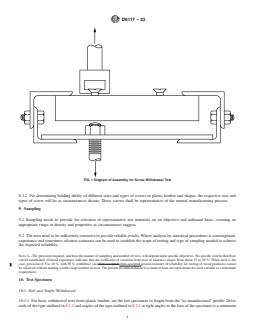
FIG. 1 Diagram of Assembly for Screw Withdrawal Test
10.1.1 For basic withdrawal tests from plastic lumber, cut 10.1.3 Fasteners Other Than Those Described in 8.1.1 or
the test specimens to length from the “as manufactured” 8.2.1—For determining the withdrawal resistance of particular
profile. Drive nails of the type outlined in 8.1.1 and staples of sizes and shapes of nails or staples in plastic lumber and
the type outlined in 8.2.1 at right angles to the face of the shapes, the specimen shall be of convenient size to accommo-
specimen to a minimum total penetration of 1 ⁄4 in. (32 mm). date the quantity of fasteners to be tested in each specimen,
With the specimen oriented in a flatwise (plank) position, drive without exceeding the edge and end distances and spacing
two fasteners into the top face (width), two into the side face
necessary to avoid splitting. In plastic lumber and shapes, drive
(height), and one into each end. End and edge distances shall fasteners to 70 % of their length; in plastic lumber and shapes
be sufficient to avoid splitting. In general, edge distances need
less than 1-in. (25-mm) thick, drive them completely through
to be not be less than 1 ⁄2 in. (38 mm) and two fasteners shall
the thickness with at least ⁄2 in. (13 mm) of the shank portion
not be driven in line with each other or less than 2 in. (50 mm)
remaining above the surface. Drive the fasteners by the method
apart on the top and side faces. Drive nails manually with a
intended to be used in practice, that is, either manually with a
hammer. Insert staples with an appropriate tool, as nearly as
hammer, or with an applicator or appropriate tool if this is the
possible perpendicular to the specimen surface, with the staple
normal method.
crown at a 45° (610°) angle to the axial dimension of the
10.1.3.1 If the potential exists for the withdrawal resistance
specimen.
to be influenced by the material in which the fastener is to be
10.1.2 For basic withdrawal tests from plastic shapes, the
driven, drive the fastener through the fastened member (cleat)
test specimen shall be a single thickness of the “as manufac-
into the base fastening member.
tured” product. Drive nails of the type outlined in 8.1.1 through
1 10.2 Screw Withdrawal:
the specimen at right angles to the face, permitting at least ⁄2
in. (13 mm) of the shank portion to remain above the surface. 10.2.1 For basic withdrawal tests from plastic lumber, cut
Drive nails manually by means of a hammer. Insert staples with the test specimens to length from the “as manufactured”
an appropriate tool as in 10.1.1, with the staple crown oriented profile. With the specimen oriented in a flatwise (plank)
at a 45° (610°) angle to the axial dimension of the specimen. position, thread two screws of the type outlined in 8.3.1 into
D6117 − 23
lead holes at right angles to the top face (width), two into the resulting from any failure of the fastener in the evaluation of
side face (height), and one into each end, each to a total the performance of the plastic lumber and shapes materials but
penetration equal to the length of the threaded portion. End and report them; consider such failures in the evaluation of the
edge distance shall be sufficient to avoid splitting, which in performance of different types and sizes of fasteners. In such
3 1
general will be at least ⁄4 in. (19 mm) from the edge and 1 ⁄2 cases, an additional replication is desirable.
in. (38 mm) from the end, and spacing will be at least 2 ⁄2 in. 12.2.2 Where the specimen consists of a base piece to which
(63 mm) apart on the top and side faces. one or more cleats have been fastened thereto with a fastener,
10.2.2 For basic withdrawal tests from plastic shapes, the two test procedures are possible. The fastened member (cleat)
test specimen shall be a single thickness of the “as manufac- can be grasped and pushed or pulled away for the base
tured” product. The depth of the specimen shall be at least fastening member in the axial direction of the fastener,
equal to the length of the screw. Thread screws of the type whereby the fastener head exerts a force on the fastened
outlined in 8.3.1 into the specimen a distance of ⁄16 in. (17 member. Under this procedure, if the fastened member exerts
mm) at midwidth, at least 2 in. (50 mm) from the end of the less resistance to the passage of the fastener head than the
specimen. The size of lead hole shall be 70 % of the root fastening member exerts on fastener withdrawal, head pull-
diameter of the screw and it shall extend ⁄2 in. (13 mm) into the through can occur. In such a case, the pull-through resistance of
face of the specimen. the fastened material will be indicated. The fastened member
10.2.3 For determining the withdrawal resistance of particu- can be split off and the fastener withdrawn as in 12.2.1.
lar sizes and types of screws in plastic lumber and shapes, the
12.3 Special Loading Methods—It will some times be nec-
specimen shall be of convenient size to accommodate the
essary to determine the resistance to withdrawal as a result of
quantity of screws to be tested in each specimen, without
an impact force or by repetitive loads. In the case of the former,
exceeding the edge and end distances and spacing necessary to
this can be accomplished with standard apparatus such as the
avoid splitting. Thread screws into the specimen for the length
U.S. FPL toughness testing machine suitably modified to hold
of the threaded portion of the shank or two-thirds of the shank
and grip the withdrawal specimen. It is possible that the U.S.
length if it is fully-threaded. The size of lead hole, if one is to
FPL test will require the use of a cycling or pulsating loading
be drilled, shall be 70 % of the root diameter of the screw for
head. The resulting data are based on the displacement angle of
a distance of one half of the screw length.
the pendulum and the forces resulting from the setting of the
10.2.3.1 If the potential exists for the withdrawal resistance
repetitive loading mechanism, respectively, which are required
to be influenced by the material through which the screw is to
to withdraw the fastener from the plastic lumber or shape.
be threaded, thread the screw through the fastened member
Disregard test values resulting from any failure of the fastener
(cleat) into the base fastening member.
in the evaluation of the performance of plastic lumber and
shapes materials, but report if desired; consider such failures in
11. Conditioning
the evaluation of the performance of different types and sizes
11.1 Nail, staple, and screw withdrawal tests are conducted
of fasteners. In such cases, an additional replication is desir-
on the final “as manufactured” end product. Store the nail,
able.
staple, screw, and the plastic lumber and shapes in a room
12.4 Speed of Testing:
having a controlled temperature of 73.4 6 3.6°F (23 6 2°C)
12.4.1 Conduct the test at a uniform rate of platen separation
and a controlled relative humidity of 50 6 5 % for a period of
of 0.10 in. (2.5 mm)/min 6 25 % (see Note 5).
48 h. It is acceptable to alter conditioning as circumstances
12.4.2 For special loading methods, it is possible that
dictate to be representative of the normal manufacturing
special rates of withdrawal will be required. Record the rate
process.
used and the reasons for choosing it in the report.
12. Procedure NOTE 5—The rate of platen separation shall mean the free-running, or
no-load, crosshead speed for testing machines of the mechanical drive
12.1 General—Except for special circumstances requiring
type, and the loaded crosshead speed for testing machines of the hydraulic
immediate withdrawal (See Note 4), withdraw fasteners after a
loading type.
minimum period of 24 h and no longer than 48 h.
12.5 Supplementary Tests—If information on the actual
withdrawal during load application is desired or has the
NOTE 4—Due to localized heating of the specimen, immediate with-
drawal will result in values lower than would be encountered in service. potential to influence the interpretation of the withdrawal
resistance of a given fastener, measure and record such
12.2 Basic Loading Method:
withdrawal, in inches, at given with
...
This document is not an ASTM standard and is intended only to provide the user of an ASTM standard an indication of what changes have been made to the previous version. Because
it may not be technically possible to adequately depict all changes accurately, ASTM recommends that users consult prior editions as appropriate. In all cases only the current version
of the standard as published by ASTM is to be considered the official document.
Designation: D6117 − 18 D6117 − 23
Standard Test Methods for
Mechanical Fasteners in Plastic Lumber and Shapes
This standard is issued under the fixed designation D6117; the number immediately following the designation indicates the year of
original adoption or, in the case of revision, the year of last revision. A number in parentheses indicates the year of last reapproval. A
superscript epsilon (´) indicates an editorial change since the last revision or reapproval.
INTRODUCTION
The use of plastic lumber and shapes often involves the use of mechanical fasteners, such as nails,
screws, bolts, lag screws, and connectors. Data on the strength and performance of such fasteners are
frequently needed for design and for comparative purposes. Presented herewith are methods of
conducting tests for nail, staple and screw withdrawal resistance and lateral load transmission by nail,
staple, screw, and bolt. The use of standard methods for these tests is recommended as a means of
obtaining comparable data and of eliminating variables in test results because of variation in testing
methods.
1. Scope*
1.1 These test methods cover the evaluation of fastener use with “as manufactured” plastic lumber and shapes through the use of
two different testing procedures.
1.2 The test methods appear in the following order:
Sections
Test Method A—Nail, Staple, or Screw Withdrawal Test 4 to 13
Test Method B—Lateral Nail, Staple, or Screw Resistance Test 14 to 22
Test Method B—Nail, Staple, or Screw Lateral Resistance Test 14 to 22
1.3 Plastic lumber and plastic shapes are currently made predominately from recycled plastics. However, these test methods would
also be applicable to similar manufactured plastic products made from virgin resins where the product is non-homogeneous in the
cross-section.
1.4 The values stated in inch-pound units are to be regarded as standard. The SI units given in parentheses are for information only.
1.5 This standard does not purport to address all of the safety concerns, if any, associated with its use. It is the responsibility
of the user of this standard to establish appropriate safety, health, and environmental practices and determine the applicability of
regulatory limitations prior to use.
NOTE 1—There is no known ISO equivalent to this standard.
These test methods are under the jurisdiction of ASTM Committee D20 on Plastics and are the direct responsibility of Subcommittee D20.20 on Plastic Lumber (Section
D20.20.01).
Current edition approved June 1, 2018July 1, 2023. Published June 2018July 2023. Originally approved in 1997. Last previous edition approved in 20162018 as
D6117 - 16.D6117 - 18. DOI: 10.1520/D6117-18.10.1520/D6117-23.
*A Summary of Changes section appears at the end of this standard
Copyright © ASTM International, 100 Barr Harbor Drive, PO Box C700, West Conshohocken, PA 19428-2959. United States
D6117 − 23
1.6 This international standard was developed in accordance with internationally recognized principles on standardization
established in the Decision on Principles for the Development of International Standards, Guides and Recommendations issued
by the World Trade Organization Technical Barriers to Trade (TBT) Committee.
2. Referenced Documents
2.1 ASTM Standards:
D883 Terminology Relating to Plastics
D1761 Test Methods for Mechanical Fasteners in Wood and Wood-Based Materials
D5033 Guide for Development of ASTM Standards Relating to Recycling and Use of Recycled Plastics (Withdrawn 2007)
D6111 Test Method for Bulk Density And Specific Gravity of Plastic Lumber and Shapes by Displacement
D6341 Test Method for Determination of the Linear Coefficient of Thermal Expansion of Plastic Lumber and Plastic Lumber
Shapes Between –30 and 140°F (–34.4 and 60°C)
E4 Practices for Force Calibration and Verification of Testing Machines
2.2 ANSI Standards:
B18.6.1 American National Standard for Slotted and Recessed Head Wood Screws
3. Terminology
3.1 Definitions:
3.1.1 plastic lumber, n—a manufactured product made primarily from plastic materials (filled or unfilled), typically used as a
building material for purposes similar to those of traditional lumber, which is usually rectangular in cross-section. (Terminology
D883)
3.1.1.1 Discussion—
Plastic lumber is typically supplied in sizes similar to those of traditional lumber board, timber and dimension lumber; however
the tolerances for plastic lumber and for traditional lumber are not necessarily the same. (Terminology D883)
3.1.2 plastic shape, n—a manufactured product made primarily from plastic materials (filled or unfilled), which is not necessarily
rectangular in cross section.
3.1.3 resin, n—a solid or pseudosolid organic material often of high molecular weight, which exhibits a tendency to flow when
subjected to stress, usually has a softening or melting range, and usually fractures conchoidally. (Terminology D883)
3.1.3.1 Discussion—In a broad sense, the term is used to designate any polymer that is basic material for plastics.
3.1 Additional definition of terms applying to these test methods appear in Terminology D883 and Guide D5033.Definitions:
3.1.1 For definitions of terms relating to plastics used in this test method, refer to Terminology D883.
3.2 Definitions of Terms Specific to This Standard:
3.2.1 plastic shape, n—a manufactured product made primarily from plastic materials (filled or unfilled), which is not necessarily
rectangular in cross section.
TEST METHOD A—NAIL, STAPLE, OR SCREW WITHDRAWAL TEST
4. Scope
4.1 This test method provides a basic procedure for evaluating the resistance orof plastic lumber and shapes materials to direct
withdrawal of nails, staples, and screws. Spikes are included as nails in this test method.
4.2 This test method also provides a basis for determining comparable performance of different types and sizes of nails, staples,
and screws in direct withdrawal from plastic lumber and shapes.
For referenced ASTM standards, visit the ASTM website, www.astm.org, or contact ASTM Customer Service at service@astm.org. For Annual Book of ASTM Standards
volume information, refer to the standard’s Document Summary page on the ASTM website.
Available from American National Standards Institute (ANSI), 25 W. 43rd St., 4th Floor, New York, NY 10036, http://www.ansi.org.
D6117 − 23
5. Summary of Test Method
5.1 Specimens consist of “as manufactured” plastic lumber and shapes, with nails, staples, or screws driven at right angles to one
or more faces. The fasteners are withdrawn at a uniform rate of speed by means of a testing machine, and the maximum load is
recorded. Supplementary physical properties of the plastic lumber and shapes are also determined.
6. Significance and Use
6.1 The resistance of plastic lumber and shapes to direct withdrawal of nails, staples, or screws is a measure of its ability to hold
or be held to an adjoining object by means of such fasteners. Factors that affect this withdrawal resistance include the physical and
mechanical properties of the plastic lumber and shapes; the size, shape, and surface condition of the fasteners; the speed of
withdrawal; physical changes to plastic lumber and shapes or fasteners between time of driving and time of withdrawal; orientation
of fiber axis; the occurrence and nature of prebored lead holes; and the temperatures during insertion and withdrawal. These factors
will be as circumstances dictate, and representative of the normal manufacturing process.
6.2 By using a standard size and type of nail, staple, or screw, withdrawal resistance of plastic lumber and shapes can be
determined. Throughout the method this is referred to as the basic withdrawal test. Similarly, comparative performances of
different sizes or types of nail, staple, or screw can be determined by using a standard procedure with a particular plastic lumber
and shape, which eliminates the plastic lumber and shapes product as a variable. Since differences in test methods can have
considerable influence on results, it is important that a standard procedure be specified and adhered to, if test values are to be
related to other test results.
7. Apparatus
7.1 Testing Machine—Any suitable testing machine that is capable of operation at a constant rate of motion of the movable head
and has an accuracy of 61 % when calibrated in accordance with Test Methods Practices E4.
7.2 Grips—A gripping device shaped to fit the base of the fastener head and of such a design as to allow accurate clamping
assembly that will hold the specimen to one platen of the machine is also required. A suitable test mechanism for screw withdrawal
is illustrated in Fig. 1.
8. Test Nails, Staples, or Screws
8.1 Nails:
8.1.1 Nails used for basic withdrawal tests shall be diamond-point round-wire, low-carbon-steel nails nominally 0.148 in. (3.76
mm) in diameter and 3 in. (76 mm) in length (See Note 2). Use each nail only once.
NOTE 2—A 10d galvanized common steel wire nail meets this requirement.
8.1.2 For determining holding ability of different sizes or types of nails in plastic lumber and shapes, the respective sizes and types
of nail will be as circumstances dictate. These nails shall be representative of the normal manufacturing process, and special
cleaning of the shank shall normally not be undertaken.
8.2 Staples:
8.2.1 Staples used for basic leg withdrawal resistance shall be nominally 2.0-in. (51-mm) long, ⁄16-in. (11-mm) crown, 15 gage
(0.072-in. (1.83-mm)) galvanized steel staples. Use each staple only once.
8.2.2 For determining holding ability of different types or sizes of staples in plastic lumber and shapes, the respective staples shall
be representative of the normal manufacturing process, and special cleaning of the legs shall not normally be undertaken.
8.3 Screws:
8.3.1 Screws used for basic withdrawal tests shall be nominally 1-in. (25-mm) No. 10–gage flathead low-carbon-steel wood
screws as described in ANSI B18.6.1. Use each screw only once.
D6117 − 23
FIG. 1 Diagram of Assembly for Screw Withdrawal Test
8.3.2 For determining holding ability of different sizes and types of screws in plastic lumber and shapes, the respective size and
types of screw will be as circumstances dictate. These screws shall be representative of the normal manufacturing process.
9. Sampling
9.1 Sampling needs to provide for selection of representative test materials on an objective and unbiased basis, covering an
appropriate range in density and properties as circumstances suggest.
9.2 The tests need to be sufficiently extensive to provide reliable results. Where analysis by statistical procedures is contemplated,
experience and sometimes advance estimates can be used to establish the scope of testing and type of sampling needed to achieve
the expected reliability.
NOTE 3—The precision required, and thus the manner of sampling and number of tests, will depend upon specific objectives. No specific criteria therefore
can be established. General experience indicates that the coefficient of variation from tests of fasteners ranges from about 15 to 30 %. When such is the
case, precision of 5 to 10 %, with 95 % confidence (an often accepted often-accepted general measure of reliability for testing of wood products) cannot
be achieved without making a rather large number of tests. The present recommendation is to make at least ten replications for each variable as a minimum
requirement.
10. Test Specimen
10.1 Nail and Staple Withdrawal
10.1.1 For basic withdrawal tests from plastic lumber, cut the test specimens to length from the “as manufactured” profile. Drive
nails of the type outlined in 8.1.1 and staples of the type outlined in 8.2.1 at right angles to the face of the specimen to a minimum
D6117 − 23
total penetration of 1 ⁄4 in. (32 mm). With the specimen oriented in a flatwise (plank) position, drive two fasteners into the top face
(width), two into the side face (height), and one into each end. End and edge distances shall be sufficient to avoid splitting. In
general, edge distances need to be not be less than 1 ⁄2 in. (38 mm) and two fasteners shall not be driven in line with each other
or less than 2 in. (50 mm) apart on the top and side faces. Drive nails manually with a hammer. Insert staples with an appropriate
tool, as nearly as possible perpendicular to the specimen surface, with the staple crown at a 45° (610°) angle to the axial dimension
of the specimen.
10.1.2 For basic withdrawal tests from plastic shapes, the test specimen shall be a single thickness of the “as manufactured”
product. Drive nails of the type outlined in 8.1.1 thoughthrough the specimen at right angles to the face, permitting at least ⁄2 in.
(13 mm) of the shank portion to remain above the surface. Drive nails manually by means of a hammer. Insert staples with an
appropriate tool as in 10.1.1, with the staple crown oriented at a 45° (610°) angle to the axial dimension of the specimen.
10.1.3 Fasteners Other Than Those Described in 8.1.1 or 8.2.1—For determining the withdrawal resistance of particular sizes and
shapes of nails or staples in plastic lumber and shapes, the specimen shall be of convenient size to accommodate the quantity of
fasteners to be tested in each specimen, without exceeding the edge and end distances and spacing necessary to avoid splitting.
In plastic lumber and shapes, drive fasteners to 70 % of their length; in plastic lumber and shapes less than 1-in. (25-mm) thick,
drive them completely through the thickness with at least ⁄2 in. (13 mm) of the shank portion remaining above the surface. Drive
the fasteners by the method intended to be used in practice, that is, either manually with a hammer, or with an applicator or
appropriate tool if this is the normal method.
10.1.3.1 If the potential exists for the withdrawal resistance to be influenced by the material in which the fastener is to be driven,
drive the fastener through the fastened member (cleat) into the base fastening member.
10.2 Screw Withdrawal:
10.2.1 For basic withdrawal tests from plastic lumber, cut the test specimens to length from the “as manufactured” profile. With
the specimen oriented in a flatwise (plank) position, thread two screws of the type outlined in 8.3.1 into lead holes at right angles
to the top face (width), two into the side face (height), and one into each end, each to a total penetration equal to the length of
the threaded portion. End and edge distance shall be sufficient to avoid splitting. thatsplitting, which in general will be at least ⁄4
1 1
in. (19 mm) from the edge and 1 ⁄2 in. (38 mm) from the end, and spacing will be at least 2 ⁄2 in. (63 mm) apart on the top and
side faces.
10.2.2 For basic withdrawal tests from plastic shapes, the test specimen shall be a single thickness of the “as manufactured”
product. The depth of the specimen shall be at least equal to the length of the screw. Thread screws of the type outlined in 8.3.1
into the specimen a distance of ⁄16 in. (17 mm) at midwidth, at least 2 in. (50 mm) from the end of the specimen. The size of
lead hole shall be 70 % of the root diameter of the screw and it shall extend ⁄2 in. (13 mm) into the face of the specimen.
10.2.3 For determining the withdrawal resistance of particular sizes and types of screws in plastic lumber and shapes, the specimen
shall be of convenient size to accommodate the quantity of screws to be tested in each specimen, without exceeding the edge and
end distances and spacing necessary to avoid splitting. Thread screws into the specimen for the length of the threaded portion of
the shank or two thirds two-thirds of the shank length,length if it is threaded throughout. fully-threaded. The size of lead hole, if
one is to be drilled, shall be 70 % of the root diameter of the screw for a distance of one half of the screw length.
10.2.3.1 If the potential exists for the withdrawal resistance to be influenced by the material through which the screw is to be
threaded, thread the screw through the fastened member (cleat) into the base fastening member.
11. Conditioning
11.1 Nail, staple, and screw withdrawal tests are conducted on the final “as manufactured” end product. Store the nail, staple,
screw, and the plastic lumber and shapes in a room having a controlled temperature of 73.4 6 3.6°F (23 6 2°C) and a controlled
relative humidity of 50 6 5 % for a period of 48 h. It is acceptable to alter conditioning as circumstances dictate to be
representative of the normal manufacturing process.
12. Procedure
12.1 General—Except for special circumstances requiring immediate withdrawal (See Note 4), withdraw fasteners after a
minimum period of 24 h and no longer than 48 h.
D6117 − 23
NOTE 4—Due to localized heating of the specimen, immediate withdrawal will result in values lower than would be encountered in service.
12.2 Basic Loading Method:
12.2.1 Where the specimen consists of the single piece into which the fasteners were inserted, withdraw the fasteners by means
of a tensile force applied at a uniform rate of withdrawal. Attach the specimen to one platen of the testing machine. Attach the
fastener head to a suitably designed suitably-designed grip that is fastened to the other platen through a universal joint. Apply the
load by separation of the platens of the testing machine at a uniform rate of withdrawal. Read the maximum load required to
withdraw the fastener from the plastic lumber and shape to three significant figures. Disregard test values resulting from any failure
of the fastener in the evaluation of the performance of the plastic lumber and shapes materials but report them; consider such
failures in the evaluation of the performance of different types and sizes of fasteners. In such cases, an additional replication is
desirable.
12.2.2 Where the specimen consists of a base piece to which one or more cleats have been fastened thereto with a fastener, two
test procedures are possible. The fastened member (cleat) can be grasped and pushed or pulled away for the base fastening member
in the axial direction of the fastener, whereby the fastener head exerts a force on the fastened member. Under this procedure, if
the fastened member exerts less resistance to the passage of the fastener head than the fastening member exerts on fastener
withdrawal, head pull-through can occur. In such a case, the pull-through resistance of the fastened material will be indicated. The
fastened member can be split off and the fastener withdrawn as in 12.2.1.
12.3 Special Loading Methods—It will some times be necessary to determine the resistance to withdrawal as a result of an impact
force or by repetitive loads. In the case of the former, this can be accomplished with standard apparatus such as the U.S. FPL
toughness testing machine suitably modified to hold and grip the withdrawal specimen. It is possible that the U.S. FPL test will
require the use of a cycling or pulsating loading head. The resulting data are based on the displacement angle of the pendulum and
the forces resulting from the setting of the repetitive loading mechanism, respectively, which are required to withdraw the fastener
from the plastic lumber or shape. Disregard test values resulting from any failure of the fastener in the evaluation of the
performance of plastic lumber and shapes materials, but report if desired; consider such failures in the
...