

ASTM F2912-17
(Specification)Standard Specification for Glazing and Glazing Systems Subject to Airblast Loadings
General Information
- Abstract
ABSTRACT
This specification covers exterior windows, glazing panels, glazed curtain walls, and other glazed protective systems used in buildings that may be subjected to intentional and accidental explosions. The specification is designed for all glazing, glazing systems, and glazing retrofit systems such as those fabricated from glass, glass-clad plastics, plastic, laminated glass, glass/plastic glazing materials, and organic coated glass.
SCOPE
1.1 This specification covers glazing, glazed windows, glazed curtain walls, glazing panels in doors, other glazed protective systems, and non-attached window retrofit systems used in buildings that may be subjected to intentional or accidental explosions.
1.2 This specification addresses only glazing, glazing systems, and glazing retrofit systems. This specification does not address the structural integrity and functionality of door assemblies. It assumes that the designer has verified that other structural elements have been adequately designed or tested to resist the anticipated airblast loads.
1.3 This specification is designed for all glazing, glazing systems, and glazing retrofit systems including, but not limited to, those fabricated from glass, plastic, glass-clad plastics, laminated glass, glass/plastic glazing materials, organic coated glass (filmed), and non-attached glazing retrofit systems such as blast curtains, cables, shades, and architectural mesh.
1.4 This specification does not determine the assessment of a facility nor acceptable hazard ratings. Threat and risk assessment shall have already been performed and the acceptable hazard rating defined. The hazard rating should be selected taking into account the installed position of the glazing. Glazing at higher elevations relative to the floor may require more stringent hazard considerations.
1.5 This specification determines the hazard rating associated with blast tested glazing, glazing systems, and non-attached glazing retrofit systems. In addition to glazing fragments and system components creating hazards, glazing slivers are also included as part of the hazard rating. The inclusion of slivers may cause a worse hazard rating than is predicted when using analytical approaches such as presented in Practice F2248 or in other methods.
1.6 The values stated in SI units are to be regarded as the standard. Values given in parentheses are for information only. For conversion of quantities in various systems of measurements to SI units, see IEEE/ASTM SI 10.
1.7 This standard does not purport to address all of the safety concerns, if any, associated with its use. It is the responsibility of the user of this standard to establish appropriate safety and health practices and determine the applicability of regulatory limitations prior to use.
- Status
- Published
- Publication Date
- 28-Feb-2017
- Technical Committee
- F12 - Security Systems and Equipment
- Drafting Committee
- F12.10 - Systems Products and Services
Buy Documents

ASTM F2912-17 - Standard Specification for Glazing and Glazing Systems Subject to Airblast Loadings
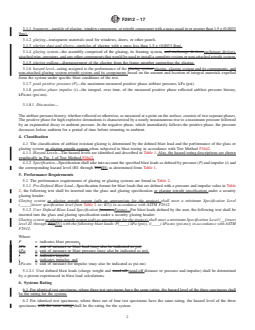
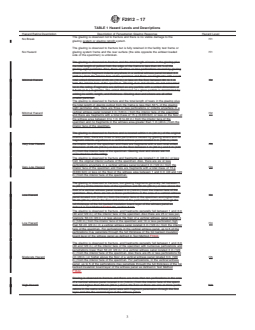
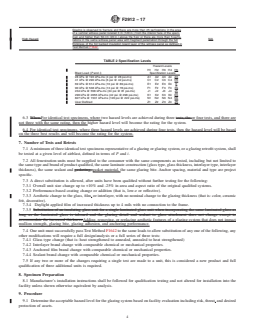
REDLINE ASTM F2912-17 - Standard Specification for Glazing and Glazing Systems Subject to Airblast Loadings
Overview
ASTM F2912-17: Standard Specification for Glazing and Glazing Systems Subject to Airblast Loadings provides a comprehensive framework for evaluating the performance of glazing, glazing systems, and glazing retrofit systems in buildings exposed to intentional or accidental explosions. Developed by ASTM International, this standard covers a range of protective fenestration products, including exterior windows, glazed curtain walls, glazing panels in doors, and retrofit systems such as blast curtains and architectural mesh. The standard is critical for ensuring the safety and security of building occupants by defining how glazing systems are tested and rated under airblast conditions.
Key Topics
- Glazing and Glazing Systems: Applies to materials such as glass, laminated glass, glass-clad plastics, plastic, glass/plastic composites, and organic coated glass.
- Airblast Loadings: Specifies criteria for evaluating performance under blast pressures and impulses, simulating both accidental and deliberate explosions.
- Hazard Ratings: Details a classification system (H1–H5) for hazard levels based on blast test outcomes, including the presence and distribution of glazing fragments, slivers, and system integrity.
- System Classification and Testing: Outlines requirements for the number and type of tests, specimen preparation, and conditions under which design modifications may be made without retesting.
- Performance Requirements: Addresses both predefined and user-defined blast load scenarios, tying blast specifications to specific pressure and impulse values.
- Marking and Certification: Requires product marking with manufacturer information and certification marks for traceability and compliance.
Applications
ASTM F2912-17 is vital for professionals involved in the design, specification, procurement, testing, and installation of protective glazing systems within high-risk environments. Practical applications include:
- Government and Military Facilities: Use in embassies, defense installations, and secure government buildings to protect against blast threats.
- Critical Infrastructure: Integration into power plants, transportation hubs, and public safety facilities requiring elevated blast resistance.
- Commercial and Public Buildings: Enhances the safety of offices, airports, and convention centers where public assembly or potential threat scenarios exist.
- Retrofit Projects: Applicable for upgrading existing structures with advanced glazing retrofit systems to improve blast resistance without full window replacement.
- Architectural Design: Enables architects and engineers to specify products that meet precise security and hazard mitigation goals.
- Construction and Security Consulting: Essential for contractors and consultants supporting clients' needs in risk assessment, specification development, and regulatory compliance.
Related Standards
ASTM F2912-17 references and is closely related to several other key standards in the field of protective glazing and blast resistance:
- ASTM F1642 - Test Method for Glazing and Glazing Systems Subject to Airblast Loadings
- ASTM F2248 - Practice for Specifying an Equivalent 3-Second Duration Design Loading for Blast Resistant Glazing Fabricated with Laminated Glass
- IEEE/ASTM SI 10 - American National Standard for Metric Practice
- ASTM E631 - Terminology of Building Constructions
These standards provide additional guidance on testing methodologies, terminology, load specification practices, and unit measurement conventions that support the implementation and verification of blast-resistant glazing systems in accordance with ASTM F2912-17.
Keywords: blast-resistant glazing, airblast loading, protective systems, curtain walls, security glazing, hazard level rating, fenestration, windows, ASTM F2912-17, glazing retrofit systems, building envelope, impact resistance.
Relations
- Replaces
ASTM F2912-11 - Standard Specification for Glazing and Glazing Systems Subject to Airblast Loadings - Effective Date
- 01-Mar-2017
- Effective Date
- 01-Mar-2015
- Effective Date
- 01-Nov-2014
- Refers
ASTM F1642-12 - Standard Test Method for Glazing and Glazing Systems Subject to Airblast Loadings - Effective Date
- 15-Nov-2012
- Effective Date
- 01-Oct-2012
- Effective Date
- 01-May-2010
- Effective Date
- 01-Nov-2009
- Effective Date
- 01-Jun-2006
- Refers
ASTM F1642-04 - Standard Test Method for Glazing and Glazing Systems Subject to Airblast Loadings - Effective Date
- 01-Feb-2004
- Refers
ASTM F1642-03 - Standard Test Method for Glazing and Glazing Systems Subject to Airblast Loadings - Effective Date
- 01-Nov-2003
- Effective Date
- 10-Aug-2003
- Effective Date
- 28-Jul-2000
- Refers
ASTM F1642-96 - Standard Test Method for Glazing and Glazing Systems Subject to Airblast Loadings - Effective Date
- 01-Jan-1996
- Effective Date
- 01-Mar-2017
- Effective Date
- 01-Mar-2017
Buy Documents
ASTM F2912-17 - Standard Specification for Glazing and Glazing Systems Subject to Airblast Loadings
REDLINE ASTM F2912-17 - Standard Specification for Glazing and Glazing Systems Subject to Airblast Loadings
Frequently Asked Questions
ASTM F2912-17 is a technical specification published by ASTM International. Its full title is "Standard Specification for Glazing and Glazing Systems Subject to Airblast Loadings". This standard covers: ABSTRACT This specification covers exterior windows, glazing panels, glazed curtain walls, and other glazed protective systems used in buildings that may be subjected to intentional and accidental explosions. The specification is designed for all glazing, glazing systems, and glazing retrofit systems such as those fabricated from glass, glass-clad plastics, plastic, laminated glass, glass/plastic glazing materials, and organic coated glass. SCOPE 1.1 This specification covers glazing, glazed windows, glazed curtain walls, glazing panels in doors, other glazed protective systems, and non-attached window retrofit systems used in buildings that may be subjected to intentional or accidental explosions. 1.2 This specification addresses only glazing, glazing systems, and glazing retrofit systems. This specification does not address the structural integrity and functionality of door assemblies. It assumes that the designer has verified that other structural elements have been adequately designed or tested to resist the anticipated airblast loads. 1.3 This specification is designed for all glazing, glazing systems, and glazing retrofit systems including, but not limited to, those fabricated from glass, plastic, glass-clad plastics, laminated glass, glass/plastic glazing materials, organic coated glass (filmed), and non-attached glazing retrofit systems such as blast curtains, cables, shades, and architectural mesh. 1.4 This specification does not determine the assessment of a facility nor acceptable hazard ratings. Threat and risk assessment shall have already been performed and the acceptable hazard rating defined. The hazard rating should be selected taking into account the installed position of the glazing. Glazing at higher elevations relative to the floor may require more stringent hazard considerations. 1.5 This specification determines the hazard rating associated with blast tested glazing, glazing systems, and non-attached glazing retrofit systems. In addition to glazing fragments and system components creating hazards, glazing slivers are also included as part of the hazard rating. The inclusion of slivers may cause a worse hazard rating than is predicted when using analytical approaches such as presented in Practice F2248 or in other methods. 1.6 The values stated in SI units are to be regarded as the standard. Values given in parentheses are for information only. For conversion of quantities in various systems of measurements to SI units, see IEEE/ASTM SI 10. 1.7 This standard does not purport to address all of the safety concerns, if any, associated with its use. It is the responsibility of the user of this standard to establish appropriate safety and health practices and determine the applicability of regulatory limitations prior to use.
ABSTRACT This specification covers exterior windows, glazing panels, glazed curtain walls, and other glazed protective systems used in buildings that may be subjected to intentional and accidental explosions. The specification is designed for all glazing, glazing systems, and glazing retrofit systems such as those fabricated from glass, glass-clad plastics, plastic, laminated glass, glass/plastic glazing materials, and organic coated glass. SCOPE 1.1 This specification covers glazing, glazed windows, glazed curtain walls, glazing panels in doors, other glazed protective systems, and non-attached window retrofit systems used in buildings that may be subjected to intentional or accidental explosions. 1.2 This specification addresses only glazing, glazing systems, and glazing retrofit systems. This specification does not address the structural integrity and functionality of door assemblies. It assumes that the designer has verified that other structural elements have been adequately designed or tested to resist the anticipated airblast loads. 1.3 This specification is designed for all glazing, glazing systems, and glazing retrofit systems including, but not limited to, those fabricated from glass, plastic, glass-clad plastics, laminated glass, glass/plastic glazing materials, organic coated glass (filmed), and non-attached glazing retrofit systems such as blast curtains, cables, shades, and architectural mesh. 1.4 This specification does not determine the assessment of a facility nor acceptable hazard ratings. Threat and risk assessment shall have already been performed and the acceptable hazard rating defined. The hazard rating should be selected taking into account the installed position of the glazing. Glazing at higher elevations relative to the floor may require more stringent hazard considerations. 1.5 This specification determines the hazard rating associated with blast tested glazing, glazing systems, and non-attached glazing retrofit systems. In addition to glazing fragments and system components creating hazards, glazing slivers are also included as part of the hazard rating. The inclusion of slivers may cause a worse hazard rating than is predicted when using analytical approaches such as presented in Practice F2248 or in other methods. 1.6 The values stated in SI units are to be regarded as the standard. Values given in parentheses are for information only. For conversion of quantities in various systems of measurements to SI units, see IEEE/ASTM SI 10. 1.7 This standard does not purport to address all of the safety concerns, if any, associated with its use. It is the responsibility of the user of this standard to establish appropriate safety and health practices and determine the applicability of regulatory limitations prior to use.
ASTM F2912-17 is classified under the following ICS (International Classification for Standards) categories: 81.040.20 - Glass in building. The ICS classification helps identify the subject area and facilitates finding related standards.
ASTM F2912-17 has the following relationships with other standards: It is inter standard links to ASTM F2912-11, ASTM E631-15, ASTM E631-14, ASTM F1642-12, ASTM F2248-12, ASTM F1642-04(2010), ASTM F2248-09, ASTM E631-06, ASTM F1642-04, ASTM F1642-03, ASTM F2248-03, ASTM E631-93a(1998)e1, ASTM F1642-96, ASTM F2248-19, ASTM F1642/F1642M-17. Understanding these relationships helps ensure you are using the most current and applicable version of the standard.
ASTM F2912-17 is available in PDF format for immediate download after purchase. The document can be added to your cart and obtained through the secure checkout process. Digital delivery ensures instant access to the complete standard document.
Standards Content (Sample)
This international standard was developed in accordance with internationally recognized principles on standardization established in the Decision on Principles for the
Development of International Standards, Guides and Recommendations issued by the World Trade Organization Technical Barriers to Trade (TBT) Committee.
Designation:F2912 −17
Standard Specification for
Glazing and Glazing Systems Subject to Airblast Loadings
This standard is issued under the fixed designation F2912; the number immediately following the designation indicates the year of
original adoption or, in the case of revision, the year of last revision. A number in parentheses indicates the year of last reapproval. A
superscript epsilon (´) indicates an editorial change since the last revision or reapproval.
1. Scope For conversion of quantities in various systems of measure-
ments to SI units, see IEEE/ASTM SI 10.
1.1 This specification covers glazing, glazed windows,
1.7 This standard does not purport to address all of the
glazed curtain walls, glazing panels in doors, other glazed
safety concerns, if any, associated with its use. It is the
protective systems, and non-attached window retrofit systems
responsibility of the user of this standard to establish appro-
used in buildings that may be subjected to intentional or
priate safety and health practices and determine the applica-
accidental explosions.
bility of regulatory limitations prior to use.
1.2 This specification addresses only glazing, glazing
systems, and glazing retrofit systems. This specification does
2. Referenced Documents
not address the structural integrity and functionality of door
2.1 ASTM Standards:
assemblies. It assumes that the designer has verified that other
E631 Terminology of Building Constructions
structural elements have been adequately designed or tested to
F1642 Test Method for Glazing and Glazing Systems Sub-
resist the anticipated airblast loads.
ject to Airblast Loadings
1.3 This specification is designed for all glazing, glazing
F2248 Practice for Specifying an Equivalent 3-Second Du-
systems, and glazing retrofit systems including, but not limited
ration Design Loading for Blast Resistant Glazing Fabri-
to, those fabricated from glass, plastic, glass-clad plastics,
cated with Laminated Glass
laminated glass, glass/plastic glazing materials, organic coated
IEEE/ASTM SI 10 American National Standard for Metric
glass (filmed), and non-attached glazing retrofit systems such
Practice
as blast curtains, cables, shades, and architectural mesh.
3. Terminology
1.4 This specification does not determine the assessment of
a facility nor acceptable hazard ratings. Threat and risk 3.1 Definitions of Terms Specific to This Standard: Not
included in Terminology E631.
assessment shall have already been performed and the accept-
3.1.1 fragment—particle of glazing, window component, or
ablehazardratingdefined.Thehazardratingshouldbeselected
taking into account the installed position of the glazing. retrofit component with a mass equal to or greater than 1.5 g
(0.0033 lbm).
Glazing at higher elevations relative to the floor may require
more stringent hazard considerations.
3.1.2 glazing—transparent materials used for windows,
doors, or other panels.
1.5 This specification determines the hazard rating associ-
ated with blast tested glazing, glazing systems, and non-
3.1.3 glazing dust and slivers—particles of glazing with a
attached glazing retrofit systems. In addition to glazing frag-
mass less than 1.5 g (0.0033 lbm).
ments and system components creating hazards, glazing slivers
3.1.4 glazing system—the assembly comprised of the
are also included as part of the hazard rating. The inclusion of
glazing, its framing system, anchorage devices, attached trim,
slivers may cause a worse hazard rating than is predicted when
operators, and any other components that would be used to
using analytical approaches such as presented in Practice
install a complete system or non-attached retrofit system.
F2248 or in other methods.
3.1.5 glazing pullout—disengagement of the glazing from
1.6 The values stated in SI units are to be regarded as the
the frame member supporting the glazing.
standard. Values given in parentheses are for information only.
3.1.6 hazard level—rating assigned to the performance of
the glazing, glazing system and its components, and non-
attached glazing system retrofit system and its components
This specification is under the jurisdiction of ASTM Committee F12 on
Security Systems and Equipment and is the direct responsibility of Subcommittee
F12.10 on Systems Products and Services. For referenced ASTM standards, visit the ASTM website, www.astm.org, or
Current edition approved March 1, 2017. Published March 2017. Originally contact ASTM Customer Service at service@astm.org. For Annual Book of ASTM
approved in 2011. Last previous edition approved in 2011 as F2912 – 11. DOI: Standards volume information, refer to the standard’s Document Summary page on
10.1520/F2912–17. the ASTM website.
Copyright © ASTM International, 100 Barr Harbor Drive, PO Box C700, West Conshohocken, PA 19428-2959. United States
F2912−17
basedontheamountandlocationofintegralmaterialsexpelled immediately follows the positive phase, the pressure decreases
from the system under specific blast conditions of the test. belowambientforaperiodoftimebeforereturningtoambient.
3.1.7 peak positive pressure (P)—the maximum measured
4. Classification
positive phase airblast pressure, kPa (psi).
3.1.8 positive phase impulse (i)—the integral, over time, of
4.1 The classification of airblast resistant glazing is deter-
the measured positive phase reflected airblast pressure history,
mined by the defined blast load and the performance of the
kPa-ms (psi-ms).
glass or glazing system or glazing retrofit system when
3.1.8.1 Discussion—The airblast pressure history, whether
subjected to blast testing in accordance with Test Method
reflected or otherwise, as measured at a point on the surface,
F1642.
consists of two separate phases. The positive phase for high
4.1.1 Hazard Levels—The hazard levels are identified and
explosive detonations is characterized by a nearly instanta-
described in Table 1. Also, the hazard rating descriptions are
neous rise to a maximum pressure followed by an exponential
shown graphically in Fig. 1 of Test Method F1642.
decay to ambient pressure. In the negative phase, which
TABLE 1 Hazard Levels and Descriptions
Hazard Rating Description Description of Fenestration Glazing Response Hazard Level
The glazing is observed not to fracture and there is no visible damage to the
No Break H1
glazing system or glazing retrofit system.
The glazing is observed to fracture but is fully retained in the facility test frame or
No Hazard glazing system frame and the rear surface (the side opposite the airblast loaded H1
side of the specimen) is unbroken.
The glazing is observed to fracture and the total length of tears in the glazing plus
the total length of glazing pullout from the frame is less than 50 % of the glazing
sight perimeter. Also, there are three or less perforations or indents anywhere in a
vertical witness panel located3m(120in.)fromtheinteriorfaceofthe specimen
Minimal Hazard H2
and there are fragments with a total mass of 15 g (0.033 lbm) or less on the floor of
the witness area between 0 to1m(0to40in.)fromtheinteriorfaceofthe
specimen and no fragments in the witness area greater than1m(40in.)fromthe
interior face of the specimen.
The glazing is observed to fracture and fragments are located1m(40in.)orless
from the original interior surface of the specimen. Also, there are six or less
perforations anywhere in a vertical witness panel located3m(120in.)fromthe
Very Low Hazard H3
interior face of the specimen and there are fragments with a total mass of 15 g
(0.033 lbm) or less on the floor of the witness area between 1 and3m(40and120
in.) from the interior face of the specimen.
The glazing is observed to fracture, and fragments generally fall between 1 and 3 m
(40 and 120 in.) of the interior face of the specimen. Also there are 25 or less
perforations 50 cm (20 in.) or less above the floor of a vertical witness panel
located3m(120in.)fromtheinteriorfaceofthe specimen and 10 or less
Low Hazard perforation high than 50 cm (20 in.) in a vertical witness panel located3m(120in.) H4
from the interior face of the specimen. For perforations in the vertical witness panel,
up to 5 of the perforations may penetrate through the full thickness of the foil
backed insulation board layer of the witness panel as defined in Test Method
F1642.
The glazing is observed to fracture, and fragments generally fall between 1 and 3 m
(40 and 120 in.) of the interior face of the specimen with numerous perforations and
penetrations lower than 50 cm (20 in.) in a vertical witness panel located3m(120
in.) from the interior face of the specimen. Also there are 25 or less perforations 50
Moderate Hazard cm (20 in.) or higher above the floor of a
...
This document is not an ASTM standard and is intended only to provide the user of an ASTM standard an indication of what changes have been made to the previous version. Because
it may not be technically possible to adequately depict all changes accurately, ASTM recommends that users consult prior editions as appropriate. In all cases only the current version
of the standard as published by ASTM is to be considered the official document.
Designation: F2912 − 11 F2912 − 17
Standard Specification for
Glazing and Glazing Systems Subject to Airblast Loadings
This standard is issued under the fixed designation F2912; the number immediately following the designation indicates the year of
original adoption or, in the case of revision, the year of last revision. A number in parentheses indicates the year of last reapproval. A
superscript epsilon (´) indicates an editorial change since the last revision or reapproval.
1. Scope
1.1 This specification covers exterior glazing, glazed windows, glazed curtain walls, glazing panels in doors and doors, other
glazed protective systems, and non-attached window retrofit systems used in buildings that may be subjected to intentional or
accidental explosions.
1.2 This specification addresses only glazing, glazing systems, and glazing retrofit systems. This specification does not address
the structural integrity and functionality of door assemblies. It assumes that the designer has verified that other structural elements
have been adequately designed or tested to resist the anticipated airblast pressures.loads.
1.3 This specification is designed for all glazing, glazing systems, and glazing retrofit systems including, but not limited to,
those fabricated from glass, plastic, glass-clad plastics, laminated glass, glass/plastic glazing materials, and organic coated
glass.organic coated glass (filmed), and non-attached glazing retrofit systems such as blast curtains, cables, shades, and
architectural mesh.
1.4 This specification does not determine the assessment of a facility nor acceptable hazard ratings. Threat and risk assessment
shall have already been performed and the acceptable hazard rating defined. The hazard rating should be selected taking into
account the installed position of the glazing. Glazing at higher elevations relative to the floor may require more stringent hazard
considerations.
1.5 This specification determines the hazard rating associated with blast tested glazing, glazing systems, and non-attached
glazing retrofit systems. In addition to glazing fragments and system components creating hazards, glazing slivers are also included
as part of the hazard rating. The inclusion of slivers may cause a worse hazard rating than is predicted when using analytical
approaches such as presented in Practice F2248 or in other methods.
1.6 The values stated in SI units are to be regarded as the standard. Values given in parentheses are for information only. For
conversion of quantities in various systems of measurements to SI units, see IEEE/ASTM SI 10.
1.7 This standard does not purport to address all of the safety concerns, if any, associated with its use. It is the responsibility
of the user of this standard to establish appropriate safety and health practices and determine the applicability of regulatory
limitations prior to use.
2. Referenced Documents
2.1 ASTM Standards:
E631 Terminology of Building Constructions
F1642 Test Method for Glazing and Glazing Systems Subject to Airblast Loadings
F2248 Practice for Specifying an Equivalent 3-Second Duration Design Loading for Blast Resistant Glazing Fabricated with
Laminated Glass
IEEE/ASTM SI 10 American National Standard for Metric Practice
3. Terminology
3.1 Definitions of Terms Specific to This Standard: Not included in Terminology E631.
This specification is under the jurisdiction of ASTM Committee F12 on Security Systems and Equipment and is the direct responsibility of Subcommittee F12.10 on
Systems Products and Services.
Current edition approved July 1, 2011March 1, 2017. Published August 2011March 2017. Originally approved in 2011. Last previous edition approved in 2011 as
F2912 – 11. DOI: 10.1520/F2912–11.10.1520/F2912–17.
For referenced ASTM standards, visit the ASTM website, www.astm.org, or contact ASTM Customer Service at service@astm.org. For Annual Book of ASTM Standards
volume information, refer to the standard’s Document Summary page on the ASTM website.
Copyright © ASTM International, 100 Barr Harbor Drive, PO Box C700, West Conshohocken, PA 19428-2959. United States
F2912 − 17
3.1.1 fragment—particle of glazing, window component, or retrofit component with a mass equal to or greater than 1.5 g (0.0033
lbm).
3.1.2 glazing—transparent materials used for windows, doors, or other panels.
3.1.3 glazing dust and slivers—particles of glazing with a mass less than 1.5 g (0.0033 lbm).
3.1.4 glazing system—the assembly comprised of the glazing, its framing system, and anchorage devices.anchorage devices,
attached trim, operators, and any other components that would be used to install a complete system or non-attached retrofit system.
3.1.5 glazing pullout—disengagement of the glazing from the frame member supporting the glazing.
3.1.6 hazard level—rating assigned to the performance of the glazing system glazing, glazing system and its components, and
non-attached glazing system retrofit system and its components based on the amount and location of integral materials expelled
from the system under specific blast conditions of the test.
3.1.7 peak positive pressure (P)—the maximum measured positive phase airblast pressure, kPa (psi).
3.1.8 positive phase impulse (i)—the integral, over time, of the measured positive phase reflected airblast pressure history,
kPa-ms (psi-ms).
3.1.8.1 Discussion—
The airblast pressure history, whether reflected or otherwise, as measured at a point on the surface, consists of two separate phases.
The positive phase for high explosive detonations is characterized by a nearly instantaneous rise to a maximum pressure followed
by an exponential decay to ambient pressure. In the negative phase, which immediately follows the positive phase, the pressure
decreases below ambient for a period of time before returning to ambient.
4. Classification
4.1 The classification of airblast resistant glazing is determined by the defined blast load and the performance of the glass or
glazing system or glazing retrofit system when subjected to blast testing in accordance with Test Method F1642.
4.1.1 Hazard Levels—The hazard levels are identified and described in Table 1. Also, the hazard rating descriptions are shown
graphically in Fig. 1 of Test Method F1642.
4.1.2 Specification—Specification shall take into account the specified blast loads as defined by pressure (P) and impulse (i) and
the corresponding hazard level (H1 through H4)H5) as determined from Table 1.
5. Performance Requirements
5.1 The performance requirements of glazing or glazing systems are found in Table 2.
5.1.1 Pre-Defined Blast Load—Specification format for blast loads that are defined with a pressure and impulse value in Table
2, the following text shall be inserted into the glass and glazing specification or glazing retrofit specification under a security
glazing header:
Glazing system or glazing retrofit system (edit as appropriate for the project) shall meet a minimum Specification Level
(_____(insert specification level from Table 2 ex: K3)) in accordance with ASTM F2912.
5.1.2 User Defined Blast Load-Specification format—Format—For blast loads defined by the user, the following text shall be
inserted into the glass and glazing specification under a security glazing header:
Glazing system or glazing retrofit system (edit as appropriate for the project) shall meet a minimum Specification Level (__(insert
level Z1 through Z4))Z5)) with the following blast loads: P(____) kPa (psi)), i(____) kPa-ms (psi-ms)) in accordance with ASTM
F2912.
Where:
P = indicates blast pressure,
kPa = unit of measure or blast load (may also be indicated as psi)
kPa = unit of measure or blast pressure (may also be indicated as psi),
i = indicates impulse
i = indicates impulse, and
kPa-ms = unit of measure for impulse (may also be indicated as psi-ms)
5.1.2.1 User defined blast loads (charge weight and stand off stand-off distance or pressure and impulse) shall be determined
by a person experienced in blast load calculations.
6. Systems Rating
6.1 For identical test specimens, where three test specimens have the same rating, the hazard level of the three specimens shall
be the rating for the system.
6.2 For identical test specimens, where three out of four test specimens have the same rating, the hazard level of the three
specimens with the same rating shall be the rating for the system.
F2912 − 17
TABLE 1 Hazard Levels and Descriptions
Hazard Rating Description Description of Fenestration Glazing Response Hazard Level
The glazing is observed not to fracture and there is no visible damage to the
No Break H1
glazing system or glazing retrofit system.
The glazing is observed to fracture but is fully retained in the facility test frame or
No Hazard glazing system frame and the rear surface (the side opposite the airblast loaded H1
side of the specimen) is unbroken.
The glazing is observed to fracture and the total length of tears in the glazing plus
the total length of pullout from the edge of the frame is less than 20 % of the
glazing sight perimeter. Also, there are three or less perforations caused by glazing
slivers and no fragment indents anywhere in a vertical witness panel located 3 m
(120 in.) from the interior face of the specimen and there are fragments with a sum
Minimal Hazard total united dimension of 25 cm (10 in.) or less on the floor between 0m to 1 m H2
from the interior face of the specimen. Glazing dust and slivers are not accounted
for in the rating. Fragments are defined as any particle with a united dimension of
2.5 cm (1 in.) or greater. The united dimension of a glass particle is determined by
adding its width, length, and thickness. Glazing dust and slivers are all other
smaller particles.
The glazing is observed to fracture and the total length of tears in the glazing plus
the total length of glazing pullout from the frame is less than 50 % of the glazing
sight perimeter. Also, there are three or less perforations or indents anywhere in a
vertical witness panel located 3 m (120 in.) from the interior face of the specimen
Minimal Hazard H2
and there are fragments with a total mass of 15 g (0.033 lbm) or less on the floor of
the witness area between 0 to 1 m (0 to 40
...