


ASTM D3273-21
(Test Method)Standard Test Method for Resistance to Growth of Mold on the Surface of Interior Coatings in an Environmental Chamber
Standard Test Method for Resistance to Growth of Mold on the Surface of Interior Coatings in an Environmental Chamber
SIGNIFICANCE AND USE
3.1 An accelerated test for determining the resistance of interior coatings to mold growth is useful in estimating the performance of coatings designed for use in interior environments that promote mold growth and in evaluating compounds that may inhibit such growth and the aggregate levels for their use (see also Note 1).
3.2 This test method should preferably be used by persons who have had basic microbiological training.
SCOPE
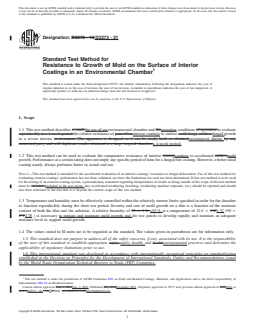
1.1 This test method describes the use of an environmental chamber and operating conditions to evaluate the relative resistance of interior coatings to surface fungal growth in a severe interior environment during a 4-week period.
1.2 This test method can be used to evaluate the comparative resistance of interior coatings to accelerated mold growth. Performance at a certain rating does not imply any specific period of time for a fungal free coating. However, a better rated coating nearly always performs better in actual end use.
Note 1: This test method is intended for the accelerated evaluation of an interior coatings’ resistance to fungal defacement. Use of this test method for evaluating exterior coatings’ performance has not been validated, nor have the limitations for such use been determined. If this test method is to be used for the testing of an exterior coating system, a precautionary statement regarding interpretation of results as being outside of the scope of this test method must be included in the test report. Any accelerated weathering (leaching, weathering machine exposure, etc.) should be reported and should also bear reference to the fact that it is beyond the current scope of this test method.
1.3 Temperature and humidity must be effectively controlled within the relatively narrow limits specified in order for the chamber to function reproducibly during the short test period. Severity and rate of mold growth on a film is a function of the moisture content of both the film and the substrate. A relative humidity of >93 % at a temperature of 32.5 ± 1 °C (90 ± 2 °F ) is necessary to initiate and maintain mold growth and for test panels to develop rapidly and maintain an adequate moisture level to support mold growth.
1.4 The values stated in SI units are to be regarded as the standard. The values given in parentheses are for information only.
1.5 This standard does not purport to address all of the safety concerns, if any, associated with its use. It is the responsibility of the user of this standard to establish appropriate safety, health, and environmental practices and determine the applicability of regulatory limitations prior to use.
1.6 This international standard was developed in accordance with internationally recognized principles on standardization established in the Decision on Principles for the Development of International Standards, Guides and Recommendations issued by the World Trade Organization Technical Barriers to Trade (TBT) Committee.
General Information
- Status
- Published
- Publication Date
- 31-Oct-2021
- Technical Committee
- D01 - Paint and Related Coatings, Materials, and Applications
- Drafting Committee
- D01.28 - Biodeterioration
Relations
- Effective Date
- 01-May-2014
- Effective Date
- 01-May-2013
- Effective Date
- 01-May-2013
- Effective Date
- 01-Nov-2011
- Effective Date
- 01-Oct-2010
- Effective Date
- 01-Oct-2008
- Effective Date
- 01-Oct-2008
- Refers
ASTM E177-06b - Standard Practice for Use of the Terms Precision and Bias in ASTM Test Methods - Effective Date
- 15-Nov-2006
- Refers
ASTM E177-06a - Standard Practice for Use of the Terms Precision and Bias in ASTM Test Methods - Effective Date
- 01-Nov-2006
- Effective Date
- 01-Nov-2005
- Refers
ASTM E177-04e1 - Standard Practice for Use of the Terms Precision and Bias in ASTM Test Methods - Effective Date
- 01-Nov-2004
- Effective Date
- 01-Nov-2004
- Effective Date
- 01-Nov-2004
- Refers
ASTM E177-90a(2002) - Standard Practice for Use of the Terms Precision and Bias in ASTM Test Methods - Effective Date
- 10-Jan-2002
- Effective Date
- 10-May-1999
Overview
ASTM D3273-21 – Standard Test Method for Resistance to Growth of Mold on the Surface of Interior Coatings in an Environmental Chamber – is a widely recognized method developed by ASTM International. This standard provides a consistent and accelerated procedure for evaluating the relative resistance of interior coatings to mold (fungal) growth under controlled conditions. By simulating a severe indoor environment conducive to mold propagation, it enables manufacturers, researchers, and quality assurance professionals to assess the performance of protective coatings designed for spaces prone to moisture and fungal problems.
The method focuses on coatings applied to interior substrates, providing valuable insights into their effectiveness at inhibiting surface mold growth, which is essential for maintaining healthy indoor air quality and the longevity of materials. While primarily intended for interior environments, any use on exterior coatings must be clearly noted as outside the scope of this method.
Key Topics
- Accelerated Mold Resistance Testing: Utilizes a controlled environmental chamber, maintaining high humidity (>93%) and elevated temperature (32.5 ± 1°C, or 90 ± 2°F) over a four-week period, to foster rapid mold growth conditions.
- Comparative Evaluation: Ranks coatings using a rating scale based on the degree of surface mold defacement (0–10), enabling easy comparison between products or formulations.
- Substrate Selection: Primarily tests coatings on softwood sapwood panels and gypsum board but can be adapted for other agreed-upon substrates, provided consistency is maintained for meaningful comparison.
- Microbiological Safety: Recommends that those performing the test have basic microbiological training due to the handling of mold spores and maintenance of cultures.
- Reporting and Precision: Guides users to provide weekly ratings and environmental data, ensuring results are reliable and reproducible for product comparison and regulatory purposes.
- Test Limitations: The method is not validated for exterior coatings nor for extrapolating specific fungal-free service periods; results obtained under these test conditions aid relative, not absolute, product performance evaluation.
Applications
- Product Development: Assists coating manufacturers in screening and optimizing formulations for interior applications where mold growth is a concern, such as bathrooms, basements, kitchens, and other high-moisture environments.
- Quality Control: Provides a standard method for ongoing quality assurance, helping ensure that batches meet performance benchmarks for mold resistance.
- Regulatory Compliance: Supports claims regarding resistance to mold in product documentation and certifications, which can be critical for building materials and coatings meeting industry regulations or green building standards.
- Performance Benchmarking: Enables designers, architects, and facility managers to compare products for specification in projects that demand robust resistance to fungal growth, thereby supporting healthier interior environments.
Related Standards
- ASTM E177: Practice for Use of the Terms Precision and Bias in ASTM Test Methods, relevant for understanding the interpretation of repeatability and reproducibility in test results.
- ASTM E691: Practice for Conducting an Interlaboratory Study to Determine the Precision of a Test Method, informing the approach to statistical evaluation of test consistency.
- Other Mold and Mildew Resistance Standards: ASTM and other organizations publish complementary methods for evaluating mold growth in various materials and contexts.
Practical Value
Adopting ASTM D3273-21 allows organizations to systematically test and compare the effectiveness of interior coatings against mold growth. This contributes to improved product selection, healthier built environments, and confidence in claims regarding mold resistance. The use of standardized, repeatable protocols ensures comparability and reliability, facilitating innovation while protecting occupants from the effects of indoor mold and maintaining material integrity.
Keywords: ASTM D3273-21, mold resistance, interior coatings, environmental chamber, accelerated testing, mildew, fungal defacement, building materials, ASTM standards, mold growth prevention
Buy Documents
ASTM D3273-21 - Standard Test Method for Resistance to Growth of Mold on the Surface of Interior Coatings in an Environmental Chamber
REDLINE ASTM D3273-21 - Standard Test Method for Resistance to Growth of Mold on the Surface of Interior Coatings in an Environmental Chamber
Frequently Asked Questions
ASTM D3273-21 is a standard published by ASTM International. Its full title is "Standard Test Method for Resistance to Growth of Mold on the Surface of Interior Coatings in an Environmental Chamber". This standard covers: SIGNIFICANCE AND USE 3.1 An accelerated test for determining the resistance of interior coatings to mold growth is useful in estimating the performance of coatings designed for use in interior environments that promote mold growth and in evaluating compounds that may inhibit such growth and the aggregate levels for their use (see also Note 1). 3.2 This test method should preferably be used by persons who have had basic microbiological training. SCOPE 1.1 This test method describes the use of an environmental chamber and operating conditions to evaluate the relative resistance of interior coatings to surface fungal growth in a severe interior environment during a 4-week period. 1.2 This test method can be used to evaluate the comparative resistance of interior coatings to accelerated mold growth. Performance at a certain rating does not imply any specific period of time for a fungal free coating. However, a better rated coating nearly always performs better in actual end use. Note 1: This test method is intended for the accelerated evaluation of an interior coatings’ resistance to fungal defacement. Use of this test method for evaluating exterior coatings’ performance has not been validated, nor have the limitations for such use been determined. If this test method is to be used for the testing of an exterior coating system, a precautionary statement regarding interpretation of results as being outside of the scope of this test method must be included in the test report. Any accelerated weathering (leaching, weathering machine exposure, etc.) should be reported and should also bear reference to the fact that it is beyond the current scope of this test method. 1.3 Temperature and humidity must be effectively controlled within the relatively narrow limits specified in order for the chamber to function reproducibly during the short test period. Severity and rate of mold growth on a film is a function of the moisture content of both the film and the substrate. A relative humidity of >93 % at a temperature of 32.5 ± 1 °C (90 ± 2 °F ) is necessary to initiate and maintain mold growth and for test panels to develop rapidly and maintain an adequate moisture level to support mold growth. 1.4 The values stated in SI units are to be regarded as the standard. The values given in parentheses are for information only. 1.5 This standard does not purport to address all of the safety concerns, if any, associated with its use. It is the responsibility of the user of this standard to establish appropriate safety, health, and environmental practices and determine the applicability of regulatory limitations prior to use. 1.6 This international standard was developed in accordance with internationally recognized principles on standardization established in the Decision on Principles for the Development of International Standards, Guides and Recommendations issued by the World Trade Organization Technical Barriers to Trade (TBT) Committee.
SIGNIFICANCE AND USE 3.1 An accelerated test for determining the resistance of interior coatings to mold growth is useful in estimating the performance of coatings designed for use in interior environments that promote mold growth and in evaluating compounds that may inhibit such growth and the aggregate levels for their use (see also Note 1). 3.2 This test method should preferably be used by persons who have had basic microbiological training. SCOPE 1.1 This test method describes the use of an environmental chamber and operating conditions to evaluate the relative resistance of interior coatings to surface fungal growth in a severe interior environment during a 4-week period. 1.2 This test method can be used to evaluate the comparative resistance of interior coatings to accelerated mold growth. Performance at a certain rating does not imply any specific period of time for a fungal free coating. However, a better rated coating nearly always performs better in actual end use. Note 1: This test method is intended for the accelerated evaluation of an interior coatings’ resistance to fungal defacement. Use of this test method for evaluating exterior coatings’ performance has not been validated, nor have the limitations for such use been determined. If this test method is to be used for the testing of an exterior coating system, a precautionary statement regarding interpretation of results as being outside of the scope of this test method must be included in the test report. Any accelerated weathering (leaching, weathering machine exposure, etc.) should be reported and should also bear reference to the fact that it is beyond the current scope of this test method. 1.3 Temperature and humidity must be effectively controlled within the relatively narrow limits specified in order for the chamber to function reproducibly during the short test period. Severity and rate of mold growth on a film is a function of the moisture content of both the film and the substrate. A relative humidity of >93 % at a temperature of 32.5 ± 1 °C (90 ± 2 °F ) is necessary to initiate and maintain mold growth and for test panels to develop rapidly and maintain an adequate moisture level to support mold growth. 1.4 The values stated in SI units are to be regarded as the standard. The values given in parentheses are for information only. 1.5 This standard does not purport to address all of the safety concerns, if any, associated with its use. It is the responsibility of the user of this standard to establish appropriate safety, health, and environmental practices and determine the applicability of regulatory limitations prior to use. 1.6 This international standard was developed in accordance with internationally recognized principles on standardization established in the Decision on Principles for the Development of International Standards, Guides and Recommendations issued by the World Trade Organization Technical Barriers to Trade (TBT) Committee.
ASTM D3273-21 is classified under the following ICS (International Classification for Standards) categories: 87.040 - Paints and varnishes. The ICS classification helps identify the subject area and facilitates finding related standards.
ASTM D3273-21 has the following relationships with other standards: It is inter standard links to ASTM E177-14, ASTM E691-13, ASTM E177-13, ASTM E691-11, ASTM E177-10, ASTM E691-08, ASTM E177-08, ASTM E177-06b, ASTM E177-06a, ASTM E691-05, ASTM E177-04e1, ASTM E177-04, ASTM E177-06, ASTM E177-90a(2002), ASTM E691-99. Understanding these relationships helps ensure you are using the most current and applicable version of the standard.
ASTM D3273-21 is available in PDF format for immediate download after purchase. The document can be added to your cart and obtained through the secure checkout process. Digital delivery ensures instant access to the complete standard document.
Standards Content (Sample)
This international standard was developed in accordance with internationally recognized principles on standardization established in the Decision on Principles for the
Development of International Standards, Guides and Recommendations issued by the World Trade Organization Technical Barriers to Trade (TBT) Committee.
Designation: D3273 − 21
Standard Test Method for
Resistance to Growth of Mold on the Surface of Interior
Coatings in an Environmental Chamber
This standard is issued under the fixed designation D3273; the number immediately following the designation indicates the year of
original adoption or, in the case of revision, the year of last revision.Anumber in parentheses indicates the year of last reapproval.A
superscript epsilon (´) indicates an editorial change since the last revision or reapproval.
This standard has been approved for use by agencies of the U.S. Department of Defense.
1. Scope priate safety, health, and environmental practices and deter-
mine the applicability of regulatory limitations prior to use.
1.1 This test method describes the use of an environmental
1.6 This international standard was developed in accor-
chamber and operating conditions to evaluate the relative
dance with internationally recognized principles on standard-
resistance of interior coatings to surface fungal growth in a
ization established in the Decision on Principles for the
severe interior environment during a 4-week period.
Development of International Standards, Guides and Recom-
1.2 This test method can be used to evaluate the compara-
mendations issued by the World Trade Organization Technical
tive resistance of interior coatings to accelerated mold growth.
Barriers to Trade (TBT) Committee.
Performance at a certain rating does not imply any specific
periodoftimeforafungalfreecoating.However,abetterrated
2. Referenced Documents
coating nearly always performs better in actual end use.
2.1 ASTM Standards:
NOTE 1—This test method is intended for the accelerated evaluation of
E177Practice for Use of the Terms Precision and Bias in
an interior coatings’ resistance to fungal defacement. Use of this test
ASTM Test Methods
method for evaluating exterior coatings’ performance has not been
validated, nor have the limitations for such use been determined. If this
E691Practice for Conducting an Interlaboratory Study to
test method is to be used for the testing of an exterior coating system, a
Determine the Precision of a Test Method
precautionary statement regarding interpretation of results as being
outsideofthescopeofthistestmethodmustbeincludedinthetestreport.
3. Significance and Use
Anyacceleratedweathering(leaching,weatheringmachineexposure,etc.)
should be reported and should also bear reference to the fact that it is
3.1 An accelerated test for determining the resistance of
beyond the current scope of this test method.
interior coatings to mold growth is useful in estimating the
1.3 Temperature and humidity must be effectively con- performance of coatings designed for use in interior environ-
trolled within the relatively narrow limits specified in order for ments that promote mold growth and in evaluating compounds
the chamber to function reproducibly during the short test that may inhibit such growth and the aggregate levels for their
period.Severityandrateofmoldgrowthonafilmisafunction use (see also Note 1).
of the moisture content of both the film and the substrate. A
3.2 This test method should preferably be used by persons
relativehumidityof>93%atatemperatureof32.5 61°C(90
who have had basic microbiological training.
6 2°F ) is necessary to initiate and maintain mold growth and
for test panels to develop rapidly and maintain an adequate
4. Apparatus
moisture level to support mold growth.
4.1 Environmental Chamber, capable of maintaining a rela-
1.4 The values stated in SI units are to be regarded as the
tive humidity of >93% at a temperature of 32.5 6 1°C (90 6
standard. The values given in parentheses are for information
2°F) while providing a continuous inoculation of the surface
only.
of the exposed test panels with mold spores. The chamber
could be a stand-alone unit that maintains the specified
1.5 This standard does not purport to address all of the
temperature and humidity and can accommodate the sample
safety concerns, if any, associated with its use. It is the
holding tank (Fig. 1) or an environmental room that fits one or
responsibility of the user of this standard to establish appro-
multiple sample holding tanks.
This test method is under the jurisdiction of ASTM Committee D01 on Paint
and Related Coatings, Materials, andApplications and is the direct responsibility of For referenced ASTM standards, visit the ASTM website, www.astm.org, or
Subcommittee D01.28 on Biodeterioration. contact ASTM Customer Service at service@astm.org. For Annual Book of ASTM
Current edition approved Nov. 1, 2021. Published December 2021. Originally Standards volume information, refer to the standard’s Document Summary page on
approved in 1973. Last previous edition approved in 2016 as D3273–16. DOI: the ASTM website.
10.1520/D3273-21. An example of this equipment is Model Hastest HST-800B-LJS.
Copyright © ASTM International, 100 Barr Harbor Drive, PO Box C700, West Conshohocken, PA 19428-2959. United States
D3273 − 21
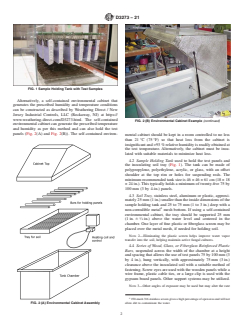
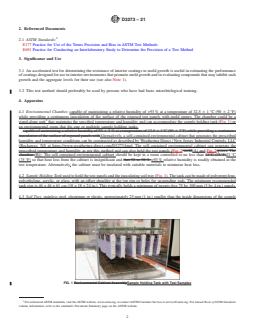
FIG. 1 Sample Holding Tank with Test Samples
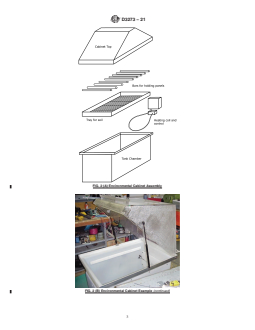
Alternatively, a self-contained environmental cabinet that
generates the prescribed humidity and temperature conditions
can be constructed as described by Weathering Direct / New
Jersey Industrial Controls, LLC (Rockaway, NJ) at https://
www.weathering-direct.com/D3273.html. The self-contained
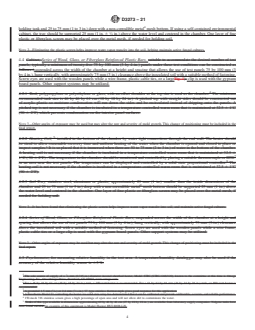
FIG. 2 (B) Environmental Cabinet Example (continued)
environmental cabinet can generate the prescribed temperature
and humidity as per this method and can also hold the test
panels (Fig. 2(A) and Fig. 2(B)). The self-contained environ-
mental cabinet should be kept in a room controlled to no less
than 21°C (75°F) so that heat loss from the cabinet is
insignificantand>93%relativehumidityisreadilyobtainedat
the test temperature. Alternatively, the cabinet must be insu-
lated with suitable materials to minimize heat loss.
4.2 Sample Holding Tank used to hold the test panels and
the inoculating soil tray (Fig. 1). The tank can be made of
polypropylene, polyethylene, acrylic, or glass, with an offset
shoulder at the top rim or holes for suspending rods. The
minimum recommended tank size is 46 × 46 × 61 cm (18 × 18
× 24 in.).This typically holds a minimum of twenty-five 75 by
100mm (3 by 4-in.) panels.
4.3 Soil Tray, stainless steel, aluminum or plastic, approxi-
mately 25 mm (1 in.) smaller than the inside dimensions of the
sample holding tank and 25 to 75 mm (1 to 3 in.) deep with a
non-corrodible metal mesh bottom. If using a self-contained
environmental cabinet, the tray should be supported 25 mm
(1in. 6 ⁄4in.) above the water level and centered in the
chamber. One layer of fine plastic or fiberglass screen may be
placed over the metal mesh, if needed for holding soil.
NOTE 2—Eliminating the plastic screen helps improve water vapor
transfer into the soil, helping maintain active fungal cultures.
4.4 Series of Wood, Glass, or Fiberglass Reinforced Plastic
Bars, suspended across the width of the chamber at a height
and spacing that allows the use of test panels 75 by 100 mm (3
by 4 in.), hung vertically, with approximately 75mm (3in.)
clearance above the inoculated soil with a suitable method of
fastening. Screw eyes are used with the wooden panels while a
wire frame, plastic cable ties, or a large clip is used with the
gypsum board panels. Other support systems may be utilized.
NOTE 3—Other angles of exposure may be used but may alter the rate
150-mesh316stainlessscreengivesahighpercentageofopenareaandwillnot
FIG. 2 (A) Environmental Cabinet Assembly allow dirt to contaminate the water.
D3273 − 21
andseverityofmoldgrowth.Thischangeofpositioningmustbeincluded
solution onto each of the fungus cultures. Scrub the surface of
in the final report.
the slant with a sterile cotton swab or sterile glass rod to
removeasmuchsporeandmycelialgrowthaspossiblewithout
5. Reagents and Materials
digging up the surface of the agar. Pour the water from the
5.1 Soil—A good quality greenhouse-grade potting soil,
scrubbedslantbackintothesurfactant-sterilewatermixturefor
suitable for plant propagation, containing 25% peat moss.The
dilution. If necessary, shake gently to break up clumps of
pH range of the soil should fall from 5.5 to 7.0. Do not allow
spores. Distribute the fungal suspensions evenly over the
soil to become compacted.Additional peat moss can be added
surface of the greenhouse soil in the tray in the cabinet.
to lower the pH into the required range.
6.3 Before starting a test, verify the readiness of the soil by
5.2 Cultures:
having untreated controls achieve a rating of 4 to 6 within 2 to
5.2.1 Aureobasidium pullulans, ATCC 9348.
3 weeks of being placed in the chamber. It should not be
5.2.2 Aspergillus niger, ATCC 6275.
necessary to continually re-inoculate the chamber soil after
5.2.3 Penicillium polonicum, ATCC 12667 or Penicillium
sufficient microorganism growth has been established. If the
citrinum, ATCC 9849.
chamber is maintained in continuous operation, a tray of soil
can produce mold spores for many months but should be
5.3 Test Panels:
replaced with a fresh inoculated soil twice per year.
5.3.1 Softwood Sapwood, such as Ponderosa Pine (Pinus
ponderosa Laws) Sapwood Panels, approximately 13 mm
6.4 Viability of the mold growth in the cabinet can also be
( ⁄2 in.) thick, 75 by 100 mm (3 by 4 in.), free of excessive
checked by placing several malt agar or potato dextrose agar
resins, knots, growth rings or other abnormalities, surfaced
plates, open and face up, at several locations on the panel
smooth on four sides. Wood shall be kiln dried after sawing to
support rods. After 1 h, cover plates and place in incubator at
avoidinfestationofwood-rottingfungi,andanywoodshowing
32.5 6 1°C (90 6 2°F) for 5 to 7 days. If an incubator is not
evidenceofinfestationsuchasbluestainshallbeeliminatedas
available, leave the covered plates in the cabinet. Conforma-
testmaterial.Woodshallbeweighedafterconditioningatroom
tional fungus growth must be that of test organisms, be
temperature in a dry room to 15% moisture content. Calcu-
medium-heavy to heavy and cover the complete surface of the
lated weight shall fall between 365 and 425 kg/m (6.0 and 7.0
agar plate.
g/in. ). Panels containing heartwood areas should not be used
as they will inhibit mold growth under test conditions.
7. Procedure
5.3.2 GypsumBoardPanels,13to25mm( ⁄2to1in.)thick,
7.1 Preparation of Test Panels—Wear disposable plastic or
75 by 100 mm (3 by 4 in.).
equivalent gloves or utilize other techniques when handling
5.3.3 Other Substrates such as Drawdown Paper, Tongue
panels to avoid fingerprints. Prepare triplicate panels by
Depressors, Glass, etc., may be used as agreed upon by the
applying two coats of the material under test to both faces and
parties involved. However, when comparing the relative per-
to all edges of the panels at a spreading rate of approximately
formance of various coatings, the substrates must be the same
2 2
11 m /L (450 ft /gal) per coat or as specified by the coating
inorderfortheresultstobemeaningful.Whenusingsubstrates
manufacturer, allowing 1 day between coats unless otherwise
that are not themselves susceptible to attack (l
...
This document is not an ASTM standard and is intended only to provide the user of an ASTM standard an indication of what changes have been made to the previous version. Because
it may not be technically possible to adequately depict all changes accurately, ASTM recommends that users consult prior editions as appropriate. In all cases only the current version
of the standard as published by ASTM is to be considered the official document.
Designation: D3273 − 16 D3273 − 21
Standard Test Method for
Resistance to Growth of Mold on the Surface of Interior
Coatings in an Environmental Chamber
This standard is issued under the fixed designation D3273; the number immediately following the designation indicates the year of
original adoption or, in the case of revision, the year of last revision. A number in parentheses indicates the year of last reapproval. A
superscript epsilon (´) indicates an editorial change since the last revision or reapproval.
This standard has been approved for use by agencies of the U.S. Department of Defense.
1. Scope
1.1 This test method describes a small the use of an environmental chamber and theoperating conditions of operation to evaluate
reproducibly in a 4-week period the relative resistance of paint filmsinterior coatings to surface mold fungi, mildew fungal growth
in a severe interior environment. The apparatus is designed so it can be easily built or obtainedenvironment during by any
interested party and will duplicate results obtained in a large tropical chamber.a 4-week period.
1.2 This test method can be used to evaluate the comparative resistance of interior coatingcoatings to accelerated mildewmold
growth. Performance at a certain rating does not imply any specific period of time for a fungal free coating. However, a better rated
coating nearly always performs better in actual end use.
NOTE 1—This test method is intended for the accelerated evaluation of an interior coatings’ resistance to fungal defacement. Use of this test method for
evaluating exterior coatings’ performance has not been validated, nor have the limitations for such use been determined. If this test method is to be used
for the testing of an exterior coating system, a precautionary statement regarding interpretation of results as being outside of the scope of this test method
must be included. included in the test report. Any accelerated weathering (leaching, weathering machine exposure, etc.) should be reported and should
also bear reference to the fact that it is beyond the current scope of this test method.
1.3 Temperature and humidity must be effectively controlled within the relatively narrow limits specified in order for the chamber
to function reproducibly during the short test period. Severity and rate of mold growth on a film is a function of the moisture
content of both the film and the substrate. A relative humidity of 95 6 3 % >93 % at a temperature of 32.5 6 1°C1 °C (90 6
2°F2 °F ) is necessary to initiate and maintain mold growth and for test panels to develop rapidly and maintain an adequate
moisture level to support mold growth.
1.4 The values stated in SI units are to be regarded as the standard. The values given in parentheses are for information only.
1.5 This standard does not purport to address all of the safety concerns, if any, associated with its use. It is the responsibility
of the user of this standard to establish appropriate safety safety, health, and healthenvironmental practices and determine the
applicability of regulatory limitations prior to use.
1.6 This international standard was developed in accordance with internationally recognized principles on standardization
established in the Decision on Principles for the Development of International Standards, Guides and Recommendations issued
by the World Trade Organization Technical Barriers to Trade (TBT) Committee.
This test method is under the jurisdiction of ASTM Committee D01 on Paint and Related Coatings, Materials, and Applications and is the direct responsibility of
Subcommittee D01.28 on Biodeterioration.
Current edition approved June 1, 2016Nov. 1, 2021. Published July 2016December 2021. Originally approved in 1973. Last previous edition approved in 20122016 as
ɛ1
D3273D3273 – 16. – 12 . DOI: 10.1520/D3273-16.10.1520/D3273-21.
Copyright © ASTM International, 100 Barr Harbor Drive, PO Box C700, West Conshohocken, PA 19428-2959. United States
D3273 − 21
2. Referenced Documents
2.1 ASTM Standards:
E177 Practice for Use of the Terms Precision and Bias in ASTM Test Methods
E691 Practice for Conducting an Interlaboratory Study to Determine the Precision of a Test Method
3. Significance and Use
3.1 An accelerated test for determining the resistance of interior coatings to mold growth is useful in estimating the performance
of coatings designed for use in interior environments that promote mold growth and in evaluating compounds that may inhibit such
growth and the aggregate levels for their use (see also Note 1).
3.2 This test method should preferably be used by persons who have had basic microbiological training.
4. Apparatus
4.1 Environmental Chamber, capable of maintaining a relative humidity of >93 % at a temperature of 32.5 6 1 °C (90 6 2 °F)
while providing a continuous inoculation of the surface of the exposed test panels with mold spores. The chamber could be a
stand-alone unit that maintains the specified temperature and humidity and can accommodate the sample holding tank (Fig. 1) or
an environmental room that fits one or multiple sample holding tanks.
capable of maintaining a relative humidity of 95 6 3 % at a temperature of 32.5 6 1°C (90 6 2°F) while providing a continuous
inoculation of the surface of exposed panels withAlternatively, a self-contained environmental cabinet that generates the prescribed
humidity and temperature conditions can be constructed as described by Weathering Direct / New Jersey Industrial Controls, LLC
(Rockaway, NJ) at https://www.weathering-direct.com/D3273.html. The self-contained environmental cabinet can generate the
prescribed temperature and humidity as per this method and can also hold the test panels (Fig. 2 mold(A) and Fig. 2spores. The
chamber (B)). The self-contained environmental cabinet should be kept in a room controlled to no less than 21°C (75°F)21 °C
(75 °F) so that heat loss from the cabinet is insignificant and that 92 to 98 % >93 % relative humidity is readily obtained at the
test temperature. Alternatively, the cabinet must be insulated with suitable materials to minimize heat loss.
4.2 Sample Holding Tank used to hold the test panels and the inoculating soil tray (Fig. 1). The tank can be made of polypropylene,
polyethylene, acrylic, or glass, with an offset shoulder at the top rim or holes for suspending rods. The minimum recommended
tank size is 46 × 46 × 61 cm (18 × 18 × 24 in.). This typically holds a minimum of twenty-five 75 by 100 mm (3 by 4-in.) panels.
4.3 Soil Tray, stainless steel, aluminum or plastic, approximately 25 mm (1 in.) smaller than the inside dimensions of the sample
FIG. 1 Environmental Cabinet AssemblySample Holding Tank with Test Samples
For referenced ASTM standards, visit the ASTM website, www.astm.org, or contact ASTM Customer Service at service@astm.org. For Annual Book of ASTM Standards
volume information, refer to the standard’s Document Summary page on the ASTM website.
D3273 − 21
FIG. 2 (A) Environmental Cabinet Assembly
FIG. 2 (B) Environmental Cabinet Example (continued)
D3273 − 21
holding tank and 25 to 75 mm (1 to 3 in.) deep with a non-corrodible metal mesh bottom. If using a self-contained environmental
cabinet, the tray should be supported 25 mm (1 in. 6 ⁄4 in.) above the water level and centered in the chamber. One layer of fine
plastic or fiberglass screen may be placed over the metal mesh, if needed for holding soil.
NOTE 2—Eliminating the plastic screen helps improve water vapor transfer into the soil, helping maintain active fungal cultures.
4.4 Cabinet, Series of Wood, Glass, or Fiberglass Reinforced Plastic Bars, suitable to accommodate the desired number of test
panels, typically a minimum of twenty-five 75 by 100-mm (3 by 4-in.) panels under these test conditions can be constructed as
follows (suspended across the width of the chamber at a height and spacing that allows the use of test panels 75 by 100 mm (3
by 4 in.), hung vertically, with approximately 75 mm (3 in.) clearance above the inoculated soil with a suitable method of fastening.
Screw eyes are used with the wooden panels while a wire frame, plastic cable ties, or a largeFig. 1): clip is used with the gypsum
board panels. Other support systems may be utilized.
4.2.1 Tank, polypropylene or polyethylene or glass, with an offset shoulder at the top rim is used as the chamber. The minimum
recommended tank size is 46 by 46 by 61 cm (18 by 18 by 24 in.). A pitched top with straight sides should be constructed out
of acrylic plastic so moisture condensation will run down the sides and be recirculated instead of dripping onto the panels. A
pitched top is not necessary if the chamber is incubated in a temperature-controlled warm room that is maintained at 32.5 6 1°C
(90 6 2°F) which prevents condensation on the interior panel surfaces.
NOTE 3—Other angles of exposure may be used but may alter the rate and severity of mold growth. This change of positioning must be included in the
final report.
5,
4.2.2 Heating Coil, installed in the bottom of the chamber by water tight connections through the end wall. The heater should
be sized to allow reasonable recovery time and uniform heating of the water when the chamber is opened and closed to place or
inspect samples. It is so placed that it is immersed when there are 50 to 75 mm (2 to 3 in.) of water in the bottom of the chamber.
A heating coil is not necessary if the chamber is incubated in a temperature-controlled warm room that is maintained at 32.5 6
1°C ( 90 6 2°F) . The temperature in the chamber should be monitored and controlled by placing a suitable thermocouple or RTD
in an area near the test panels. The temperature can be displayed and controlled by a solid state proportional controller. The
heating coil is not necessary if the chamber is incubated in a temperature-controlled warm room that is maintained at 32.5 6 1°C
(90 6 2°F).
4.2.3 Soil Tray, stainless steel, aluminum or plastic, approximately 25 mm (1 in.) smaller than the inside dimensions of the
chamber and 25 to 75 mm (1 to 3 in.) deep with a non-corrodible metal mesh bottom should be supported 25 mm (1 in.) above
the water level and centered in the chamber. One layer of fine plastic or fiberglass screen may be placed over the metal mesh, if
needed for holding soil.
NOTE 2—It has been found that eliminating the plastic screen helps improve water vapor transfer into soil, and maintain active fungal cultures.
4.2.4 Series of Wood, Glass, or Fiberglass Reinforced Plastic Bars, suspended across the width of the chamber at a height and
spacing that allows the use of test panels 75 by 100 mm (3 by 4 in.), hung vertically, with approximately 75-mm (3-in.) clearance
above the inoculated soil with a suitable method of fastening. Screw eyes are used with the wooden panels while a wire frame,
plastic cable ties or a large clip is used with the gypsum board panels. Other support systems may be utilized.
NOTE 3—Other angles of exposure may be used but may alter the rate and severity of mold growth. This change of positioning must be included in the
final report.
4.3 Psychrometer, for measuring relative humidity in the test area. A temperature/humidity datalogger may also be used if the
accuracy of the relative humidity sensor is 63 %.
5 7
The sole source of supply of a ⁄8-mm (0.315-in.) diameter inconel sheathed heater, Model STRI (STRI-1248/120), known to the committee at this time is Omega
Engineering, Inc., One Omega Drive, Stamford, CT 06907, www.omega.com.
For a 46 by 46 by 61-cm (18 by 18 by 24-in.) tank, a 250-watt heater is recommended. For a 61 by 61 by 91-mm (24 by 24 by 36-in.) tank, an 800-watt heater is
recommended.
7 1 3
A grounded 1.5 mm ( ⁄16) or 2.4 mm ( ⁄32-in.) “J” type stainless thermocouple gives good response for this application.
A Eurotherm Model 91 controlling the heater via solid state relay has demonstrated that it can be calibrated and provide calibratable, accurate, and reliable performance.
150-mesh 316 stainless screen gives a high percentage of open area and will not allow dirt to contaminate the water.
Tanks of this type available in dimensions approximating 69 by 46 by 46 cm (27 by 18 by 18 in. ) are available from laboratory supply companies. Nalgene tanks have
been found suitable.An example of this equipment is Model Hastest HST-800B-LJS.
D3273 − 21
5. Reagents and Materials
5.1 Soil—A good quality greenhouse-grade potting soil, suitable for plant propagation, containing 25 % peat moss. The pH range
of the soil should fall from 5.5 to 7.0. Do not allow soil to become compacted. Additional peat moss can be added to lower the
pH into the required range.
5.2 Cultures:
5.2.1 Aureobasidium pullulans, ATCC 9348.
5.2.2 Aspergillus niger, ATCC 6275.
5 5
5.2.3 Penicillium sp,polonicum, 12667 ATCC 12667 or Penicillium citrinum, ATCC 9849.
5.3 Test Panels:
5.3.1 Softwood Sapwood, such as Ponderosa Pine (Pinus ponderosa Laws) Sapwood Panels, approximately 13 mm
( ⁄2 in.) thick, 75 by 100 mm (3 by 4 in.), free of excessive resins, knots, growth rings or other abnormalities, surfaced smooth on
four sides. Wood shall be kiln dried after sawing to avoid infestation of wood-rotting fungi, and any wood showing evidence of
infestation such as blue stain shall be eliminated as test material. Wood shall be weighed after conditioning at room temperature
3 3
in a dry room to 15 % moisture content. Calculated weight shall fall between 365 and 425 kg/m (6.0 and 7.0 g/in. ). Panels
containing heartwood areas should not be used as they will inhibit mold growth under test conditions.
5.3.2 Gypsum Board Panels, 13 to 25 mm ( ⁄2 to 1 in.) thick, 75 by 100 mm (3 by 4 in.).
5.3.3 Other Substrates such as Drawdown Paper, Tongue Depressors, Glass, etc., may be used as agreed upon by the parties
involved. However, when comparing the re
...
Questions, Comments and Discussion
Ask us and Technical Secretary will try to provide an answer. You can facilitate discussion about the standard in here.
Loading comments...