

ASTM A920/A920M-14(2019)
(Specification)Standard Specification for Steel Bars, Microalloy, Hot-Wrought, Special Quality, Mechanical Properties
General Information
- Abstract
ABSTRACT
This specification covers standards for hot-wrought, special quality microalloyed carbon steel bars intended for use in applications where as-rolled mechanical properties are desired. A typical end use includes hydraulic cylinder shafts. The typical chemical composition of microalloyed carbon steel shall contain carbon, manganese, phosphorus, sulfur, and vanadium. Heat and product analyses shall be conducted wherein the material shall conform to the required chemical composition for vanadium, columbium (niobium), and molybdenum. The elements and specified chemical ranges shall not exceed the required limits. The steel bars shall undergo tension test and conform to the mechanical property requirements such as yield strength, tensile strength, and elongation.
SCOPE
1.1 This specification covers hot-wrought, special quality microalloyed carbon steel bars intended for use in applications where as-rolled mechanical properties are desired. A typical end use is hydraulic cylinder shafts.
1.2 The bars shall be furnished to chemical composition and mechanical properties as provided herein. Chemical composition is based on standard carbon steel grades modified to include microalloying elements such as columbium (niobium), vanadium, or molybdenum. Three strength classes are available, designated 75 [520], 80 [550], and 100 [690], corresponding to the minimum yield strength in ksi.
1.3 Sections and sizes of bar steels available are covered in Specification A29/A29M.
1.4 Supplementary Requirements S1 to S5 are provided for use when additional controls or requirements are desired. These shall apply only when specified on the purchase order.
1.5 The values stated in either SI units or inch-pound units are to be regarded separately as standard. The values stated in each system are not necessarily exact equivalents; therefore, to ensure conformance with the standard, each system shall be used independently of the other, and values from the two systems shall not be combined.
1.6 Unless the order specifies the applicable “M” specification designation, the material shall be furnished to the inch-pound units.
1.7 This international standard was developed in accordance with internationally recognized principles on standardization established in the Decision on Principles for the Development of International Standards, Guides and Recommendations issued by the World Trade Organization Technical Barriers to Trade (TBT) Committee.
- Status
- Published
- Publication Date
- 31-Aug-2019
- Technical Committee
- A01 - Steel, Stainless Steel and Related Alloys
- Drafting Committee
- A01.15 - Bars


Overview
ASTM A920/A920M-14(2019) is a globally recognized standard issued by ASTM International, outlining the requirements for hot-wrought, special quality microalloyed carbon steel bars. This specification ensures that these steel bars possess the desired mechanical properties in the as-rolled condition without the need for further heat treatment. Typically used in demanding applications such as hydraulic cylinder shafts, these microalloyed steel bars meet stringent chemical composition and mechanical property criteria, making them suitable for a range of engineering and industrial uses.
Key Topics
- Material Scope: Covers hot-wrought, microalloyed carbon steel bars where as-rolled mechanical properties are essential.
- Chemical Composition: These bars include carbon, manganese, phosphorus, sulfur, and specific microalloying elements, such as vanadium, columbium (niobium), or molybdenum. Silicon and, optionally, titanium and nitrogen may also be specified.
- Mechanical Properties: Three strength classes are available, defined by minimum yield strength: 75 ksi (520 MPa), 80 ksi (550 MPa), and 100 ksi (690 MPa).
- Testing and Quality Assurance: Includes requirements for heat and product analysis, tension testing, and surface quality inspection. Test specimens are typically prepared and tested in the as-rolled condition.
- Supplementary Requirements: Optional controls are available for chemical composition, inclusion content, mechanical properties, calcium treatment, and surface cleaning, as agreed between purchaser and supplier.
- Ordering Information: Purchase orders should specify quantity, dimensions, grade, class, supplementary requirements, and targeted end use to ensure delivery of suitable materials.
Applications
ASTM A920/A920M-14(2019) steel bars are engineered for applications where strength, toughness, and reliable as-rolled mechanical performance are vital. Common uses include:
- Hydraulic Cylinder Shafts: The primary application, where resistance to bending, wear, and fatigue is crucial.
- Machinery Components: Such as shafts, axles, and gears that require high yield and tensile strength directly from the rolling process.
- Automotive and Heavy Equipment: Used in parts subject to dynamic loads and requiring superior toughness without additional heat treatment.
- Construction and Structural Applications: For critical load-bearing elements where consistent mechanical performance must be assured.
The microalloying elements in these steel bars enhance strength and toughness by refining grain structure and allow parts to be used as-rolled, reducing processing costs and time.
Related Standards
For organizations specifying or procuring microalloyed carbon steel bars, the following standards are closely related and should be referenced:
- ASTM A29/A29M: Specification for steel bar sections and sizes, also covering general requirements for carbon and alloy, hot-wrought steel bars.
- ASTM A370: Standard test methods and definitions for mechanical testing of steel products, referenced for tension test procedures.
- ASTM A576: Specification for hot-wrought carbon steel bars, special quality, serving as a foundational document for base compositions.
- ASTM E45: Test methods for determining the inclusion content of steel, used for assessing nonmetallic inclusions.
Practical Value
Implementing ASTM A920/A920M-14(2019) ensures that steel bars deliver consistent, high-performance mechanical properties right from the rolling mill, minimizing the need for costly and time-consuming post-production treatments. Specifying this standard helps manufacturers, engineers, and quality assurance professionals achieve reliable component performance across automotive, hydraulic, and industrial markets. Compliance with this specification also demonstrates alignment with international best practices and supports global trade by meeting technical barrier reduction requirements stipulated by the World Trade Organization (WTO).
Keywords: ASTM A920, microalloyed steel bars, hot-wrought steel bars, as-rolled mechanical properties, hydraulic cylinder shafts, special quality steel, carbon steel bars, steel mechanical properties.
Relations
- Effective Date
- 01-Sep-2019
- Effective Date
- 01-Mar-2024
- Effective Date
- 01-Nov-2023
- Effective Date
- 01-Nov-2023
- Effective Date
- 01-Jul-2019
- Refers
ASTM A370-17a - Standard Test Methods and Definitions for Mechanical Testing of Steel Products - Effective Date
- 15-Nov-2017
- Effective Date
- 01-Nov-2017
- Effective Date
- 01-Jan-2017
- Effective Date
- 01-Nov-2015
- Effective Date
- 01-Nov-2015
- Effective Date
- 15-May-2014
- Effective Date
- 15-Nov-2013
- Refers
ASTM A370-12a - Standard Test Methods and Definitions for Mechanical Testing of Steel Products - Effective Date
- 15-Oct-2012
- Effective Date
- 01-May-2012
- Effective Date
- 01-May-2012
Get Certified
Connect with accredited certification bodies for this standard

Element Materials Technology
Materials testing and product certification.

Inštitut za kovinske materiale in tehnologije
Institute of Metals and Technology. Materials testing, metallurgical analysis, NDT.
Sponsored listings
Frequently Asked Questions
ASTM A920/A920M-14(2019) is a technical specification published by ASTM International. Its full title is "Standard Specification for Steel Bars, Microalloy, Hot-Wrought, Special Quality, Mechanical Properties". This standard covers: ABSTRACT This specification covers standards for hot-wrought, special quality microalloyed carbon steel bars intended for use in applications where as-rolled mechanical properties are desired. A typical end use includes hydraulic cylinder shafts. The typical chemical composition of microalloyed carbon steel shall contain carbon, manganese, phosphorus, sulfur, and vanadium. Heat and product analyses shall be conducted wherein the material shall conform to the required chemical composition for vanadium, columbium (niobium), and molybdenum. The elements and specified chemical ranges shall not exceed the required limits. The steel bars shall undergo tension test and conform to the mechanical property requirements such as yield strength, tensile strength, and elongation. SCOPE 1.1 This specification covers hot-wrought, special quality microalloyed carbon steel bars intended for use in applications where as-rolled mechanical properties are desired. A typical end use is hydraulic cylinder shafts. 1.2 The bars shall be furnished to chemical composition and mechanical properties as provided herein. Chemical composition is based on standard carbon steel grades modified to include microalloying elements such as columbium (niobium), vanadium, or molybdenum. Three strength classes are available, designated 75 [520], 80 [550], and 100 [690], corresponding to the minimum yield strength in ksi. 1.3 Sections and sizes of bar steels available are covered in Specification A29/A29M. 1.4 Supplementary Requirements S1 to S5 are provided for use when additional controls or requirements are desired. These shall apply only when specified on the purchase order. 1.5 The values stated in either SI units or inch-pound units are to be regarded separately as standard. The values stated in each system are not necessarily exact equivalents; therefore, to ensure conformance with the standard, each system shall be used independently of the other, and values from the two systems shall not be combined. 1.6 Unless the order specifies the applicable “M” specification designation, the material shall be furnished to the inch-pound units. 1.7 This international standard was developed in accordance with internationally recognized principles on standardization established in the Decision on Principles for the Development of International Standards, Guides and Recommendations issued by the World Trade Organization Technical Barriers to Trade (TBT) Committee.
ABSTRACT This specification covers standards for hot-wrought, special quality microalloyed carbon steel bars intended for use in applications where as-rolled mechanical properties are desired. A typical end use includes hydraulic cylinder shafts. The typical chemical composition of microalloyed carbon steel shall contain carbon, manganese, phosphorus, sulfur, and vanadium. Heat and product analyses shall be conducted wherein the material shall conform to the required chemical composition for vanadium, columbium (niobium), and molybdenum. The elements and specified chemical ranges shall not exceed the required limits. The steel bars shall undergo tension test and conform to the mechanical property requirements such as yield strength, tensile strength, and elongation. SCOPE 1.1 This specification covers hot-wrought, special quality microalloyed carbon steel bars intended for use in applications where as-rolled mechanical properties are desired. A typical end use is hydraulic cylinder shafts. 1.2 The bars shall be furnished to chemical composition and mechanical properties as provided herein. Chemical composition is based on standard carbon steel grades modified to include microalloying elements such as columbium (niobium), vanadium, or molybdenum. Three strength classes are available, designated 75 [520], 80 [550], and 100 [690], corresponding to the minimum yield strength in ksi. 1.3 Sections and sizes of bar steels available are covered in Specification A29/A29M. 1.4 Supplementary Requirements S1 to S5 are provided for use when additional controls or requirements are desired. These shall apply only when specified on the purchase order. 1.5 The values stated in either SI units or inch-pound units are to be regarded separately as standard. The values stated in each system are not necessarily exact equivalents; therefore, to ensure conformance with the standard, each system shall be used independently of the other, and values from the two systems shall not be combined. 1.6 Unless the order specifies the applicable “M” specification designation, the material shall be furnished to the inch-pound units. 1.7 This international standard was developed in accordance with internationally recognized principles on standardization established in the Decision on Principles for the Development of International Standards, Guides and Recommendations issued by the World Trade Organization Technical Barriers to Trade (TBT) Committee.
ASTM A920/A920M-14(2019) is classified under the following ICS (International Classification for Standards) categories: 77.140.20 - Stainless steels. The ICS classification helps identify the subject area and facilitates finding related standards.
ASTM A920/A920M-14(2019) has the following relationships with other standards: It is inter standard links to ASTM A920/A920M-14, ASTM A370-24, ASTM A576-23, ASTM E45-18a(2023), ASTM A370-19, ASTM A370-17a, ASTM A576-17, ASTM A370-17, ASTM A29/A29M-15, ASTM A370-15, ASTM A370-14, ASTM A370-13, ASTM A370-12a, ASTM A29/A29M-12, ASTM A29/A29M-12e1. Understanding these relationships helps ensure you are using the most current and applicable version of the standard.
ASTM A920/A920M-14(2019) is available in PDF format for immediate download after purchase. The document can be added to your cart and obtained through the secure checkout process. Digital delivery ensures instant access to the complete standard document.
Standards Content (Sample)
This international standard was developed in accordance with internationally recognized principles on standardization established in the Decision on Principles for the
Development of International Standards, Guides and Recommendations issued by the World Trade Organization Technical Barriers to Trade (TBT) Committee.
Designation:A920/A920M −14 (Reapproved 2019)
Standard Specification for
Steel Bars, Microalloy, Hot-Wrought, Special Quality,
Mechanical Properties
This standard is issued under the fixed designationA920/A920M; the number immediately following the designation indicates the year
of original adoption or, in the case of revision, the year of last revision. A number in parentheses indicates the year of last reapproval.
A superscript epsilon (´) indicates an editorial change since the last revision or reapproval.
1. Scope 2. Referenced Documents
2.1 ASTM Standards:
1.1 This specification covers hot-wrought, special quality
microalloyed carbon steel bars intended for use in applications A29/A29M SpecificationforGeneralRequirementsforSteel
Bars, Carbon and Alloy, Hot-Wrought
where as-rolled mechanical properties are desired. A typical
end use is hydraulic cylinder shafts. A370 Test Methods and Definitions for Mechanical Testing
of Steel Products
1.2 Thebarsshallbefurnishedtochemicalcompositionand
A576 Specification for Steel Bars, Carbon, Hot-Wrought,
mechanical properties as provided herein. Chemical composi-
Special Quality
tion is based on standard carbon steel grades modified to
E45 Test Methods for Determining the Inclusion Content of
include microalloying elements such as columbium (niobium),
Steel
vanadium, or molybdenum. Three strength classes are
available, designated 75 [520], 80 [550], and 100 [690],
3. Terminology
corresponding to the minimum yield strength in ksi.
3.1 Definitions of Terms Specific to This Standard:
1.3 Sections and sizes of bar steels available are covered in
3.1.1 microalloyed steels, n—carbon steels to which small
Specification A29/A29M.
quantities of certain elements are added in order to enhance
1.4 Supplementary Requirements S1 to S5 are provided for mechanical properties.
use when additional controls or requirements are desired.
3.1.1.1 Discussion—This enhancement of mechanical prop-
These shall apply only when specified on the purchase order.
erties results from control of the temperature and cooling rate
during the hot-rolling process.
1.5 The values stated in either SI units or inch-pound units
are to be regarded separately as standard. The values stated in
4. Ordering Information
each system are not necessarily exact equivalents; therefore, to
ensure conformance with the standard, each system shall be
4.1 Orders for material supplied to this specification should
used independently of the other, and values from the two
include the following, as required, to describe adequately the
systems shall not be combined.
desired material:
4.1.1 Quantity (weight or number of bars);
1.6 Unless the order specifies the applicable “M” specifica-
tion designation, the material shall be furnished to the inch- 4.1.2 Name of material (hot-rolled microalloyed steel bars);
pound units.
4.1.3 Dimensions;
4.1.4 ASTM specification number and date of issue;
1.7 This international standard was developed in accor-
dance with internationally recognized principles on standard- 4.1.5 Gradedesignationorchemicalcompositionlimits(see
ization established in the Decision on Principles for the
Section 7);
Development of International Standards, Guides and Recom-
4.1.6 Class;
mendations issued by the World Trade Organization Technical
4.1.7 Additions to the specification and Supplementary
Barriers to Trade (TBT) Committee.
Requirements, if required; and,
4.1.8 End use.
This specification is under the jurisdiction ofASTM Committee A01 on Steel,
Stainless Steel and Related Alloys and is the direct responsibility of Subcommittee
A01.15 on Bars. For referenced ASTM standards, visit the ASTM website, www.astm.org, or
Current edition approved Sept. 1, 2019. Published September 2019. Originally contact ASTM Customer Service at service@astm.org. For Annual Book of ASTM
approved in 1993. Last previous edition approved in 2014 as A920/A920M–14. Standards volume information, refer to the standard’s Document Summary page on
DOI: 10.1520/A0920_A0920M–14R19. the ASTM website.
*A Summary of Changes section appears at the end of this standard
Copyright © ASTM International, 100 Barr Harbor Drive, PO Box C700, West Conshohocken, PA 19428-2959. United States
A920/A920M−14 (2019)
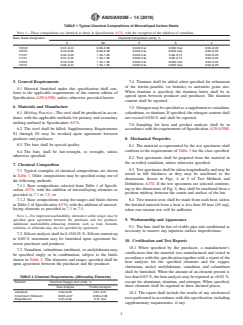
TABLE 1 Typical Chemical Compositions of Microalloyed Carbon Steels
NOTE 1—These compositions are identical to those in Specification A576, with the exception of the addition of vanadium.
Base Grade Designation Chemical Composition Limits, %
C Mn PSV
10V40 0.37–0.44 0.60–0.90 0.040 max 0.050 max 0.02–0.20
10V45 0.43–0.50 0.60–0.90 0.040 max 0.050 max 0.02–0.20
11V37 0.32–0.39 1.35–1.65 0.040 max 0.08–0.13 0.02–0.20
11V41 0.37–0.45 1.35–1.65 0.040 max 0.08–0.13 0.02–0.20
15V24 0.19–0.25 1.35–1.65 0.040 max 0.050 max 0.02–0.20
15V41 0.36–0.44 1.35–1.65 0.040 max 0.050 max 0.02–0.20
5. General Requirements 7.4 Titanium shall be added when specified for refinement
of the ferritic-pearlitic (or bainitic) or austenitic grain size.
5.1 Material furnished under this specification shall con-
When titanium is specified, the titanium limits shall be as
form to the applicable requirements of the current edition of
agreed upon between producer and purchaser. The titanium
Specification A29/A29M, unless otherwise provided herein.
content shall be reported.
6. Materials and Manufacture
7.5 Nitrogenmaybespecifiedasasupplementtovanadium,
6.1 Melting Practice—The steel shall be produced in accor- columbium, or titanium. If specified, the nitrogen content shall
not exceed 0.030 % and shall be reported.
dance with the applicable methods for primary and secondary
melting outlined in Specification A576.
7.6 Sampling for heat and product analysis shall be in
6.2 The steel shall be killed. Supplementary Requirements accordance with the requirements of Specification A29/A29M.
S1 through S5 may be invoked upon agreement between
producer and purchaser.
8. Mechanical Properties
6.3
...