


ASTM D5521/D5521M-18
(Guide)Standard Guide for Development of Groundwater Monitoring Wells in Granular Aquifers
Standard Guide for Development of Groundwater Monitoring Wells in Granular Aquifers
SIGNIFICANCE AND USE
4.1 A correctly designed, installed, and developed groundwater monitoring well, constructed in accordance with Practice D5092 should provide the following: representative samples of groundwater that can be analyzed to determine physical properties and water quality parameters of the sample or potentiometric levels that are representative of the total hydraulic head of that portion of the aquifer screened by the well, or both. The well may also be utilized for conducting aquifer performance tests used for the purpose of determining the hydrogeologic properties of the targeted hydrostratigraphic unit in which the well has been completed.
Note 1: An extensive research program on annular sealants was conducted from 2001 through 2009 and in subsequent years by the Nebraska Grout Task Force (Lackey et al., 2009 and State of California, 2015). This research included cement and bentonite grouts and the use of pellets and chips. The general finding of the study indicates all sealing methods suffer from some shrinkage in the portion of the well in the unsaturated zone. The best grouts were cement-sand, bentonite chips, neat cements, and bentonite slurries with more than 20 percent solids. Especially problematic is the use of low solids content bentonite slurries in the unsaturated zone leading to a prohibition on their use in California (State of California, 2015). It is also highly recommended that State and Federal codes/regulations regarding seals within the unsaturated zone be evaluated prior to design to ensure codes are met.
4.2 Well development is an important component of monitoring well completions. Monitoring wells installed in aquifers should be sufficiently developed to such that they serve their intended objectives. Well development methods vary with the physical characteristics of the targeted hydrostratigraphic unit in which the monitoring well is screened, the construction details of the well, the drilling method utilized during the construction of the bo...
SCOPE
1.1 This guide covers the development of screened wells installed for the purpose of obtaining representative groundwater information and water quality samples from granular aquifers, though the methods described herein could also be applied to wells used for other purposes. Other well-development methods that are used exclusively in open-borehole bedrock wells are not described in this guide.
1.2 The applications and limitations of the methods described in this guide are based on the assumption that the primary objective of the monitoring wells to which the methods are applied is to obtain representative water quality samples from aquifers. Screened monitoring wells developed using the methods described in this guide should yield relatively sediment-free samples from granular aquifer materials, ranging from gravels to silty sands. While many monitoring wells are considered “small-diameter” wells (that is, less than 10 cm [4 in.] inside diameter), some of the techniques described in this guide will be more easily applied to large-diameter wells (that is, 10 cm [4 in.] or greater inside diameter).
1.3 The values stated in either SI units or inch-pound units are to be regarded separately as standard. The values stated in each system may not be exact equivalents; therefore, each system shall be used independently of the other. Combining values from the two systems may result in non-conformance with the standard.
1.4 This standard does not purport to address all of the safety concerns, if any, associated with its use. It is the responsibility of the user of this standard to establish appropriate safety, health, and environmental practices and determine the applicability of regulatory limitations prior to use.
1.5 This guide offers an organized collection of information or a series of options and does not recommend a specific course of action. This document cannot replace education or experience and should be used...
General Information
- Status
- Published
- Publication Date
- 31-May-2018
- Technical Committee
- D18 - Soil and Rock
- Drafting Committee
- D18.21 - Groundwater and Vadose Zone Investigations
Relations
- Effective Date
- 01-Jun-2018
- Effective Date
- 01-Nov-2023
- Effective Date
- 01-May-2020
- Effective Date
- 01-Oct-2019
- Effective Date
- 01-Aug-2015
- Effective Date
- 15-Jan-2015
- Effective Date
- 01-Aug-2014
- Effective Date
- 01-May-2012
- Effective Date
- 01-Mar-2012
- Effective Date
- 01-Sep-2011
- Effective Date
- 01-Sep-2011
- Effective Date
- 01-Mar-2010
- Effective Date
- 01-Jan-2009
- Effective Date
- 01-Dec-2008
- Effective Date
- 01-Nov-2008
Overview
ASTM D5521/D5521M-18: Standard Guide for Development of Groundwater Monitoring Wells in Granular Aquifers provides comprehensive guidance for developing groundwater monitoring wells in unconsolidated (granular) aquifers. The guide focuses on practices that enable accurate collection of groundwater samples for water quality analysis and representation of hydraulic conditions in aquifers made up of sand, gravel, and similar materials. Proper development of monitoring wells is critical for reliable environmental data, hydrogeologic assessments, and regulatory compliance.
The standard outlines methods for minimizing formation damage, removing fine materials, and stabilizing well structures to ensure sediment-free, representative groundwater samples. It addresses the significance of well construction and development, emphasizing compliance with state and federal codes regarding well seals and safety practices.
Key Topics
- Representative Sampling: Ensuring wells provide groundwater samples that accurately reflect aquifer conditions, both for water quality assessment and hydraulic measurements.
- Well Development Methods: Focus on techniques suitable for granular aquifers, such as:
- Mechanical surging (using surge blocks or plungers)
- Overpumping and backwashing
- High-velocity hydraulic jetting
- Annular Seals: Guidance on selecting appropriate sealing materials (e.g., cement-sand, bentonite chips) to prevent contamination and reduce shrinkage, especially in the unsaturated zone.
- Phases of Well Development: Outlines predevelopment, preliminary development, and final development phases, each with specific tasks to rehabilitate and prepare wells for monitoring.
- Criteria for Completion: Monitoring parameters (e.g., sediment removal, water quality indicators, and turbidity) are used to determine when well development is sufficient.
- Limitations and Safety: Discussion of the impacts of overdevelopment, use of foreign fluids, air entrapment, and managing contaminated wells.
Applications
ASTM D5521/D5521M-18 is applied in a variety of professional practices related to groundwater monitoring, management, and remediation, including:
- Environmental Site Assessment: Accurate groundwater sampling supports site characterization, contamination assessments, and risk analysis.
- Regulatory Compliance: Development of wells per standardized practices ensures compliance with monitoring requirements set by environmental agencies.
- Water Resource Evaluation: Used in hydrogeologic studies to evaluate aquifer performance and sustainability.
- Remedial Design: Essential for projects involving groundwater remediation, helping ensure wells yield representative data for decision-making.
- Industrial and Municipal Monitoring: Applied to routine groundwater quality monitoring beneath landfills, industrial properties, and public water supplies.
Proper adherence to the standard minimizes sampling biases, improves data quality, and extends equipment life by reducing the accumulation of sediments or contaminants within wells.
Related Standards
ASTM D5521/D5521M-18 is part of a broader suite of ASTM and industry standards supporting the design, construction, sampling, and decontamination of groundwater wells:
- ASTM D653: Terminology Relating to Soil, Rock, and Contained Fluids
- ASTM D3740: Practice for Minimum Requirements for Agencies Engaged in Testing and/or Inspection of Soil and Rock
- ASTM D5088: Practice for Decontamination of Field Equipment Used at Waste Sites
- ASTM D5092: Practice for Design and Installation of Groundwater Monitoring Wells
Using ASTM D5521/D5521M-18 in conjunction with these documents ensures a holistic approach to groundwater monitoring that is scientifically robust and defensible for regulatory and engineering purposes.
Keywords: ASTM D5521, groundwater monitoring wells, granular aquifers, well development, water quality sampling, sediment-free samples, aquifer testing, annular seal, hydrogeologic assessment, environmental site assessment.
Buy Documents
ASTM D5521/D5521M-18 - Standard Guide for Development of Groundwater Monitoring Wells in Granular Aquifers
REDLINE ASTM D5521/D5521M-18 - Standard Guide for Development of Groundwater Monitoring Wells in Granular Aquifers
Get Certified
Connect with accredited certification bodies for this standard

NSF International
Global independent organization facilitating standards development and certification.

CIS Institut d.o.o.
Personal Protective Equipment (PPE) certification body. Notified Body NB-2890 for EU Regulation 2016/425 PPE.

Kiwa BDA Testing
Building and construction product certification.
Sponsored listings
Frequently Asked Questions
ASTM D5521/D5521M-18 is a guide published by ASTM International. Its full title is "Standard Guide for Development of Groundwater Monitoring Wells in Granular Aquifers". This standard covers: SIGNIFICANCE AND USE 4.1 A correctly designed, installed, and developed groundwater monitoring well, constructed in accordance with Practice D5092 should provide the following: representative samples of groundwater that can be analyzed to determine physical properties and water quality parameters of the sample or potentiometric levels that are representative of the total hydraulic head of that portion of the aquifer screened by the well, or both. The well may also be utilized for conducting aquifer performance tests used for the purpose of determining the hydrogeologic properties of the targeted hydrostratigraphic unit in which the well has been completed. Note 1: An extensive research program on annular sealants was conducted from 2001 through 2009 and in subsequent years by the Nebraska Grout Task Force (Lackey et al., 2009 and State of California, 2015). This research included cement and bentonite grouts and the use of pellets and chips. The general finding of the study indicates all sealing methods suffer from some shrinkage in the portion of the well in the unsaturated zone. The best grouts were cement-sand, bentonite chips, neat cements, and bentonite slurries with more than 20 percent solids. Especially problematic is the use of low solids content bentonite slurries in the unsaturated zone leading to a prohibition on their use in California (State of California, 2015). It is also highly recommended that State and Federal codes/regulations regarding seals within the unsaturated zone be evaluated prior to design to ensure codes are met. 4.2 Well development is an important component of monitoring well completions. Monitoring wells installed in aquifers should be sufficiently developed to such that they serve their intended objectives. Well development methods vary with the physical characteristics of the targeted hydrostratigraphic unit in which the monitoring well is screened, the construction details of the well, the drilling method utilized during the construction of the bo... SCOPE 1.1 This guide covers the development of screened wells installed for the purpose of obtaining representative groundwater information and water quality samples from granular aquifers, though the methods described herein could also be applied to wells used for other purposes. Other well-development methods that are used exclusively in open-borehole bedrock wells are not described in this guide. 1.2 The applications and limitations of the methods described in this guide are based on the assumption that the primary objective of the monitoring wells to which the methods are applied is to obtain representative water quality samples from aquifers. Screened monitoring wells developed using the methods described in this guide should yield relatively sediment-free samples from granular aquifer materials, ranging from gravels to silty sands. While many monitoring wells are considered “small-diameter” wells (that is, less than 10 cm [4 in.] inside diameter), some of the techniques described in this guide will be more easily applied to large-diameter wells (that is, 10 cm [4 in.] or greater inside diameter). 1.3 The values stated in either SI units or inch-pound units are to be regarded separately as standard. The values stated in each system may not be exact equivalents; therefore, each system shall be used independently of the other. Combining values from the two systems may result in non-conformance with the standard. 1.4 This standard does not purport to address all of the safety concerns, if any, associated with its use. It is the responsibility of the user of this standard to establish appropriate safety, health, and environmental practices and determine the applicability of regulatory limitations prior to use. 1.5 This guide offers an organized collection of information or a series of options and does not recommend a specific course of action. This document cannot replace education or experience and should be used...
SIGNIFICANCE AND USE 4.1 A correctly designed, installed, and developed groundwater monitoring well, constructed in accordance with Practice D5092 should provide the following: representative samples of groundwater that can be analyzed to determine physical properties and water quality parameters of the sample or potentiometric levels that are representative of the total hydraulic head of that portion of the aquifer screened by the well, or both. The well may also be utilized for conducting aquifer performance tests used for the purpose of determining the hydrogeologic properties of the targeted hydrostratigraphic unit in which the well has been completed. Note 1: An extensive research program on annular sealants was conducted from 2001 through 2009 and in subsequent years by the Nebraska Grout Task Force (Lackey et al., 2009 and State of California, 2015). This research included cement and bentonite grouts and the use of pellets and chips. The general finding of the study indicates all sealing methods suffer from some shrinkage in the portion of the well in the unsaturated zone. The best grouts were cement-sand, bentonite chips, neat cements, and bentonite slurries with more than 20 percent solids. Especially problematic is the use of low solids content bentonite slurries in the unsaturated zone leading to a prohibition on their use in California (State of California, 2015). It is also highly recommended that State and Federal codes/regulations regarding seals within the unsaturated zone be evaluated prior to design to ensure codes are met. 4.2 Well development is an important component of monitoring well completions. Monitoring wells installed in aquifers should be sufficiently developed to such that they serve their intended objectives. Well development methods vary with the physical characteristics of the targeted hydrostratigraphic unit in which the monitoring well is screened, the construction details of the well, the drilling method utilized during the construction of the bo... SCOPE 1.1 This guide covers the development of screened wells installed for the purpose of obtaining representative groundwater information and water quality samples from granular aquifers, though the methods described herein could also be applied to wells used for other purposes. Other well-development methods that are used exclusively in open-borehole bedrock wells are not described in this guide. 1.2 The applications and limitations of the methods described in this guide are based on the assumption that the primary objective of the monitoring wells to which the methods are applied is to obtain representative water quality samples from aquifers. Screened monitoring wells developed using the methods described in this guide should yield relatively sediment-free samples from granular aquifer materials, ranging from gravels to silty sands. While many monitoring wells are considered “small-diameter” wells (that is, less than 10 cm [4 in.] inside diameter), some of the techniques described in this guide will be more easily applied to large-diameter wells (that is, 10 cm [4 in.] or greater inside diameter). 1.3 The values stated in either SI units or inch-pound units are to be regarded separately as standard. The values stated in each system may not be exact equivalents; therefore, each system shall be used independently of the other. Combining values from the two systems may result in non-conformance with the standard. 1.4 This standard does not purport to address all of the safety concerns, if any, associated with its use. It is the responsibility of the user of this standard to establish appropriate safety, health, and environmental practices and determine the applicability of regulatory limitations prior to use. 1.5 This guide offers an organized collection of information or a series of options and does not recommend a specific course of action. This document cannot replace education or experience and should be used...
ASTM D5521/D5521M-18 is classified under the following ICS (International Classification for Standards) categories: 13.060.10 - Water of natural resources. The ICS classification helps identify the subject area and facilitates finding related standards.
ASTM D5521/D5521M-18 has the following relationships with other standards: It is inter standard links to ASTM D5521/D5521M-13, ASTM D3740-23, ASTM D5088-20, ASTM D3740-19, ASTM D5088-15a, ASTM D5088-15, ASTM D653-14, ASTM D3740-12a, ASTM D3740-12, ASTM D3740-11, ASTM D653-11, ASTM D3740-10, ASTM D653-09, ASTM D653-08a, ASTM D653-08. Understanding these relationships helps ensure you are using the most current and applicable version of the standard.
ASTM D5521/D5521M-18 is available in PDF format for immediate download after purchase. The document can be added to your cart and obtained through the secure checkout process. Digital delivery ensures instant access to the complete standard document.
Standards Content (Sample)
This international standard was developed in accordance with internationally recognized principles on standardization established in the Decision on Principles for the
Development of International Standards, Guides and Recommendations issued by the World Trade Organization Technical Barriers to Trade (TBT) Committee.
Designation: D5521/D5521M − 18
Standard Guide for
Development of Groundwater Monitoring Wells in Granular
Aquifers
This standard is issued under the fixed designation D5521/D5521M; the number immediately following the designation indicates the
year of original adoption or, in the case of revision, the year of last revision. A number in parentheses indicates the year of last
reapproval. A superscript epsilon (´) indicates an editorial change since the last revision or reapproval.
1. Scope* experienceandshouldbeusedinconjunctionwithprofessional
judgment. Not all aspects of this guide may be applicable in all
1.1 This guide covers the development of screened wells
circumstances. This ASTM standard is not intended to repre-
installed for the purpose of obtaining representative ground-
sent or replace the standard of care by which the adequacy of
water information and water quality samples from granular
a given professional service needs to be judged, nor should this
aquifers, though the methods described herein could also be
document be applied without consideration of a project’s many
applied to wells used for other purposes. Other well-
unique aspects. The word “Standard” in the title of this
development methods that are used exclusively in open-
document means only that the document has been approved
borehole bedrock wells are not described in this guide.
through the ASTM consensus process.
1.2 The applications and limitations of the methods de-
1.6 This international standard was developed in accor-
scribed in this guide are based on the assumption that the
dance with internationally recognized principles on standard-
primary objective of the monitoring wells to which the
ization established in the Decision on Principles for the
methods are applied is to obtain representative water quality
Development of International Standards, Guides and Recom-
samples from aquifers. Screened monitoring wells developed
mendations issued by the World Trade Organization Technical
using the methods described in this guide should yield rela-
Barriers to Trade (TBT) Committee.
tively sediment-free samples from granular aquifer materials,
ranging from gravels to silty sands. While many monitoring
2. Referenced Documents
wells are considered “small-diameter” wells (that is, less than
2.1 ASTM Standards:
10 cm [4 in.] inside diameter), some of the techniques
D653 Terminology Relating to Soil, Rock, and Contained
described in this guide will be more easily applied to large-
Fluids
diameter wells (that is, 10 cm [4 in.] or greater inside
D3740 Practice for Minimum Requirements for Agencies
diameter).
Engaged in Testing and/or Inspection of Soil and Rock as
1.3 The values stated in either SI units or inch-pound units
Used in Engineering Design and Construction
are to be regarded separately as standard. The values stated in
D5088 Practice for Decontamination of Field Equipment
each system may not be exact equivalents; therefore, each
Used at Waste Sites
system shall be used independently of the other. Combining
D5092 Practice for Design and Installation of Groundwater
values from the two systems may result in non-conformance
Monitoring Wells
with the standard.
3. Terminology
1.4 This standard does not purport to address all of the
safety concerns, if any, associated with its use. It is the
3.1 Definitions:
responsibility of the user of this standard to establish appro-
3.1.1 For definitions of common terminology terms used
priate safety, health, and environmental practices and deter-
within this standard, refer to Terminology D653.
mine the applicability of regulatory limitations prior to use.
3.1.2 annular seal, n—in groundwater, material used to
1.5 This guide offers an organized collection of information
provide a seal between the borehole and the casing of a well.
or a series of options and does not recommend a specific
Theannularsealshouldhaveahydraulicconductivitylessthan
course of action. This document cannot replace education or
that of the surrounding geologic materials, be resistant to
chemical or physical deterioration.
This guide is under the jurisdiction ofASTM Committee D18 on Soil and Rock
and is the direct responsibility of Subcommittee D18.21 on Groundwater and
Vadose Zone Investigations. For referenced ASTM standards, visit the ASTM website, www.astm.org, or
CurrenteditionapprovedJune1,2018.PublishedJuly2018.Originallyapproved contact ASTM Customer Service at service@astm.org. For Annual Book of ASTM
in 1994. Last previous edition approved in 2013 as D5521 – 13. DOI: 10.1520/ Standards volume information, refer to the standard’s Document Summary page on
D5521_D5521M-18. the ASTM website.
*A Summary of Changes section appears at the end of this standard
Copyright © ASTM International, 100 Barr Harbor Drive, PO Box C700, West Conshohocken, PA 19428-2959. United States
D5521/D5521M − 18
3.1.3 backwashing, n—in groundwater, the reversal of wa- 3.1.14 well development, n—in groundwater, the act of
ter flow caused by the addition of water to a well that is addressing potential formation damage caused by the drilling
designed to loosen or break sediment bridges within the filter and well installation process by removing fine-grained sedi-
pack and well screen and facilitate the removal of fine-grained ment or drilling fluids, or both, from in situ geologic formation
sediment from the formation surrounding the borehole. and filter pack such that the evaluated in situ aquifer hydro-
geologic parameters are more likely to be representative of the
3.1.4 bailing (development), n—in groundwater, a develop-
assumed pre-drilling/monitor well installation conditions and
ment technique using a bailer which is raised and lowered in
overall well yields are enhanced.
the well to create a strong inward and outward movement of
water from the well to the formation and vice versa to loosen
4. Significance and Use
orbreaksedimentbridgeswithinthefilterpackandwellscreen
4.1 A correctly designed, installed, and developed ground-
and to remove fine-grained sediment from the well.
water monitoring well, constructed in accordance with Practice
3.1.4.1 Discussion—In unconsolidated formations, casing is
D5092 should provide the following: representative samples of
usually driven as drilling proceeds to prevent collapse of
groundwater that can be analyzed to determine physical
non-cohesive materials (that is, sand) into the borehole.
properties and water quality parameters of the sample or
3.1.5 filter-packed well, n—in groundwater, a well where
potentiometric levels that are representative of the total hy-
the in situ geologic materials adjacent to the well screen has
draulic head of that portion of the aquifer screened by the well,
been replaced by an engineered or processed filter pack
or both. The well may also be utilized for conducting aquifer
material.
performance tests used for the purpose of determining the
hydrogeologic properties of the targeted hydrostratigraphic
3.1.6 formation damage, n—in groundwater, disturbance or
unit in which the well has been completed.
reduction of in situ aquifer hydrogeologic parameters at the
borehole wall caused by the drilling process, the well installa-
NOTE 1—An extensive research program on annular sealants was
tion process, or destructive, subsurface geoengineering/ conducted from 2001 through 2009 and in subsequent years by the
Nebraska Grout Task Force (Lackey et al., 2009 and State of California,
geotechnicaltesting.Mayconsistofsedimentcompaction,clay
2015). This research included cement and bentonite grouts and the use of
smearing, clogging of pores with drilling mud filtrate, or other
pellets and chips. The general finding of the study indicates all sealing
drilling/testing-related damage.
methods suffer from some shrinkage in the portion of the well in the
unsaturated zone.The best grouts were cement-sand, bentonite chips, neat
3.1.7 overpumping, n—in groundwater, a well development
cements, and bentonite slurries with more than 20 percent solids.
technique that involves pumping the well at a rate that exceeds
Especially problematic is the use of low solids content bentonite slurries
the design capacity of the well.
in the unsaturated zone leading to a prohibition on their use in California
(State of California, 2015). It is also highly recommended that State and
3.1.8 rawhiding—in groundwater, starting and stopping a
Federal codes/regulations regarding seals within the unsaturated zone be
pump intermittently to produce rapid changes in the pressure
evaluated prior to design to ensure codes are met.
head in the well.
4.2 Well development is an important component of moni-
3.1.9 sandlocking—refers to the accumulation of sand and
toring well completions. Monitoring wells installed in aquifers
other sediment on development tools while they are working in
should be sufficiently developed to such that they serve their
the well screen, resulting in the tools becoming lodged in the
intended objectives. Well development methods vary with the
screen.
physical characteristics of the targeted hydrostratigraphic unit
3.1.9.1 Discussion—This refers to the accumulation of sand
in which the monitoring well is screened, the construction
and other sediment in the impeller section of a submersible
details of the well, the drilling method utilized during the
pump, resulting in the impellers binding.
construction of the borehole prior to well installation, and the
quality of the groundwater. The development method for each
3.1.10 spudding, n—in drilling, the operation, in cable-tool
individual monitoring well should be selected from among the
drilling, of drilling a collar hole and advancing a casing
several methods described in this guide and should be em-
through overburden. Also a general term in rotary or diamond
ployed by the well construction contractor or the qualified
core drilling applied to drilling through overburden.
personnelinresponsiblechargeofthemonitoringwellcomple-
3.1.11 well sump, n—in groundwater, a blank extension of
tion.
easing beneath the well screen that provides a space for
4.3 The importance of well development in monitoring
fine-grain sediment introduced into the well during develop-
wells cannot be overestimated. If a monitoring well is inherited
ment or groundwater sampling to accumulate.
with a project, it is best for the well construction contractor or
3.1.12 surge block, n—in groundwater, a plunger-like tool
the qualified personnel to consider the possibility that well
consisting of disks of flexible material (that is, neoprene)
development was not performed or was carried out
sandwiched between rigid (that is, metal) disks that may be
inadequately, which may influence both previous and future
solid or valved, and used in well development. See surging.
sampling results if the wells were not redeveloped and/or
3.1.13 surging, n—in groundwater, a well development appropriate documentation of well development cannot be
technique where a surge block is alternately raised and lowered obtained. Proper and careful well development will improve
within the well casing or screen, or both, to induce a strong the ability of most monitoring wells to provide representative,
inward and outward movement of water through the well unbiased chemical and hydraulic data. The additional time and
screen. money spent performing this important step in monitoring well
D5521/D5521M − 18
completion or maintenance will reduce the potential for dam- 5.1.3 To stabilize formation and artificial filter pack mate-
aging pumping equipment and in situ sensors, and increase the rials (where applicable) adjacent to the well screen (see Fig.
2 );
probability that groundwater samples are representative of the
targeted formation water monitored. Practice D3740 provides
NOTE 4—After well development, formation materials in “naturally
evaluation factors for the activities in this guide.
developed” wells (left) and filter packed wells (right) should be stabilized
such that potential entry of fine-grained materials into the well is reduced,
NOTE 2—The quality of the result produced by this standard is
little settlement occurs, and groundwater flow to and from the well is not
dependent on the competence of the personnel performing it, and the
significantly hindered or impaired.
suitability of the equipment and facilities used. Agencies that meet the
5.1.4 To retrieve potentially lost drilling fluid (if drilling
criteria of Practice D3740 are generally considered capable of competent
and objective testing/sampling/evaluation/and the like. Users of this fluid was used in the borehole installation process) that may
standard are cautioned that compliance with Practice D3740 does not in
alter the quality of groundwater in the vicinity of the well and
itself assure reliable results. Reliable results depend on many factors.
interfere with groundwater quality analysis (see Fig. 3 ); and
Practice D3740 provides a means of evaluating some of those factors.
NOTE 5—When drilling with water-based drilling fluids, some drilling
fluid will infiltrate beyond the borehole into the most permeable zones.
5. Purposes of Monitoring Well Development
This creates the mud cake effect desired by well drillers as one of the
means of keeping a borehole open during the drilling process. One of the
5.1 Monitoring wells are developed primarily for the fol-
purposes of development is to remove this drilling fluid from the
lowing reasons:
formation adjacent to the open interval of the well.
5.1.1 To address potential damage, which may occur during
5.1.5 To increase the potential well efficiency and hydraulic
the drilling and monitoring well installation processes at the
communication between the well and the adjacent formation to
borehole wall and the adjacent geologic formation (that is,
provide for the acquisition of representative groundwater
clogging, smearing, or compaction of geologic materials com-
samples and conduct aquifer performance tests.
prising the formation or targeted hydrostratigraphic unit). This
may potentially result in localized alterations of the hydrogeo- 6. Conducting a Monitoring Well Development Program
logic characteristics of the formation near the borehole (see
6.1 Well Development Process—The well development pro-
Fig. 1);
cess consists of three phases: predevelopment, preliminary
development, and development. If a monitoring well is inher-
NOTE3—Oneofthepurposesofdevelopmentistoaddressthepotential
ited with a project, the three well development phases should
damage done to the borehole wall during drilling and monitoring well
installation processes. The “skin” of fine-grained sediment that accumu-
be evaluated by the well construction contractor and/or quali-
lates along the borehole wall during mud-rotary drilling is an example of
fied personnel prior to groundwater sampling or completing
the potential distress.
aquifer performance tests.
5.1.2 To remove fine-grained sediment from the formation 6.1.1 Predevelopment refers to techniques used to mitigate
and filter pack (where applicable) that may result in the potential formation damage during the drilling and well con-
acquisition of turbid, sediment-laden samples; struction processes. This is particularly important when using
direct or reverse rotary drilling systems that depend on drilling
fluid to carry cuttings to the surface and support an open
borehole. Control and monitoring of drilling fluid properties,
during the drilling operation and immediately prior to the
installationofscreen,casing,andfilterpack,isverycrucialand
should be documented during the drilling process.
6.1.2 Preliminary development takes place after the screen,
casing, and filter pack have been installed. Methods used to
accomplish this task include surging, bailing, hydraulic jetting,
andairlifting.Theprimarypurposeofthisoperationistoapply
sufficient energy in the well to address potential formation
damage from the drilling process; removal of fine-grained
sediment from the screen, filter pack, and geologic formation
adjacent to the filter pack; stabilization and overall consolida-
tion of the filter pack; retrieval of drilling fluid (if used); and
creation of an effective hydraulic interface between the well
and the geologic formation through the filter pack.
6.1.2.1 Duringthisphaseofwelldevelopment,thepreferred
technique is to gradually apply the selected well development
method, increasing intensity as long as the well responds to
treatment. Response generally is indicated by increased yields
of water and sediment, typically fine-grained. Intensive devel-
opment of a well that appears to be plugged should not be
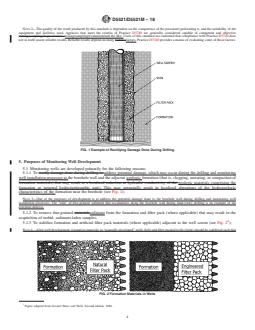
FIG. 1 Example of Rectifying Damage Done During Drilling Figure adapted from Ground Water and Wells, Second edition, 1986.
D5521/D5521M − 18
FIG. 2 Formation Materials in Wells
formation or targeted hydrostratigraphic unit adjacent to the
well screen; groundwater quality of the geologic formation or
targetedhydrostratigraphicunitinwhichthemonitoringwellis
installed (that is, whether or not it may be contaminated,
requiring special safety or handling considerations, or both,
such as containment or treatment upon removal from the well);
consequences of introducing foreign fluids such as, air, water,
or chemical solutions into the monitoring well and/or geologic
formation or targeted hydrostratigraphic unit; the drilling
method employed during monitoring well construction/
installation; the depth to the static water level and height of the
water column within the monitoring well; type and portability
of available sampling/testing/well development equipment
(that is, Is a drilling rig needed?); time available for well
development; and cost-effectiveness of the well development
method.
6.3 Timing of Well Development: When and How Long to
Develop—The point in time when a monitoring well is deter-
mined to be “developed” is a decision that is generally based
on design and construction of the monitoring well by the well
construction contractor and/or qualified personnel overseeing
FIG. 3 Removal of Lost Drilling Fluid
the well development. For example, if the well is installed with
the intent of using natural formation material as the filter pack
attempted because damage and destruction of the well casing
(a “naturally developed” well), development is generally per-
and screen may result.
formed after the well screen and casing have been installed and
6.1.3 Development refers to procedures performed with a
the formation material has collapsed against the screen (to 1.5
pump, such as overpumping and surging, and backwashing.
m [5 ft] above the screen), but before the annular seal is
These techniques are used as the last step in achieving the
installed. Because this type of well design is based on the
objectives of well development. If preliminary development
assumption that well development will remove a significant
methods have been effective, the time needed for development
fraction of the fine-grained sediment from the formation
shouldberelativelyshort.However,ifthepreliminarymethods
adjacent to the well screen, therefore causing some sloughing
have not been successful, or if conditions preclude the use of
within the borehole, developing the monitoring well after
the preliminary techniques listed, the development phase
installing the annular seal may result in portions of the annular
should be continued until the development completion criteria
seal collapsing into the vicinity of the well screen. On the other
(described below) are satisfied.
hand, correctly designed and constructed filter-packed wells
may be developed after the annular seal materials have been
6.2 Factors Affecting the Selection of a Well-Development
installed and given sufficient time to set or cure, because the
Method—Avarietyoffactorsneedtobeconsideredinselecting
well screen is designed to retain at a minimum 90 percent
the method(s) used for developing a given monitoring well.
(preferably 99 percent) of filter pack materials and little
These include, but are not limited to: the construction of the
sloughing should occur.
monitoring well (that is, material used for well casing and
screen,typeandopenareaofwellscreen,typeofjointbetween 6.3.1 The duration of well development is based on the
casing sections, screen length and slot size, casing and screen primary purpose(s) of the development process. For example,
diameter, whether or not a filter pack was used in the if the primary purpose for development is to remove drilling
construction of the monitoring well and the thickness of the fluid lost to the geologic formation or targeted hydrostrati-
filter pack); hydrogeologic characteristics of the geologic graphic unit during the drilling process, the time needed for
D5521/D5521M − 18
completion of development may be based on the time it takes 7.2.1 Water added to a monitoring well for the purpose of
toremovefromthewellsomemultipleoftheestimatedvolume development should be of known and acceptable chemistry.
lost. If the primary purpose of development is to address The impact of added water on in situ water quality should be
potential damage done during the drilling process to the evaluated and, to the extent practicable, should be removed by
borehole wall and the adjacent geologic formation or targeted pumping after development is complete. One means of reduc-
hydrostratigraphicunit,thetimefordevelopmentmaybebased ing potential problems related to the addition of water to the
on the response of the well to pumping. An improvement in monitoring well is to obtain water-quality samples from the
recovery rate of the monitoring well may indicate that the well only after natural groundwater flow in the aquifer has had
potentially altered localized in situ hydrogeologic characteris- time to flush the remnants of development fluids beyond the
tics may have been improved by development. If the primary confines of the well and filter pack, if installed.Another means
purpose of development is to remove fine-grained sediment, may be to use water that has been taken from the formation
development may continue until visibly clear water is dis- itself, such as water pumped from the well either prior to or
charged from the well, or until the turbidity of water removed during development, for the development process.
from the well is at some specified level, and/or the sediment
7.3 Development methods using compressed air (that is,
within the well screen sump have been removed such that the
air-lift pumping) should be attempted only after great care has
well total depth per the construction design is significantly
been taken to remove compressor oil or other foreign sub-
reestablished. These criteria may be difficult or impractical to
stances from the air stream prior to introduction into the well.
satisfy in formations with a significant fraction of fine-grained
Airshouldnotbeforcedintothegeologicformationortargeted
sediment. Another criterion used for determining when devel-
hydrostratigraphic unit or allowed to be released directly into
opment is complete is the stabilization of certain field water
the well without the use of a containment device, such as an
quality indicator parameters including, but not limited to:
eductorpipe.Theinjectionofairintothegeologicformationor
temperature, specific conductance, pH, redox potential, and
targeted hydrostratigraphic unit may cause air entrapment and
dissolved oxygen. While this criterion may be evidence of
result in negative impact to the in situ hydrogeologic charac-
when native formation water is being produced at the moni-
teristics.An uncontrolled release of air into the well may cause
toring well, it does not necessarily indicate that well develop-
significant chemical changes in the water quality within the
ment is complete.
well and the adjacent geologic formation or targeted hy-
6.4 Decontamination of Well Development Equipment— drostratigraphic unit.
Equipment or materials used to develop a monitoring well
7.4 Development methods that rely only on pumping (“pas-
should be thoroughly cleaned in accordance with Practice
sive” development), especially at low-flow rates, do not
D5088. Cleaning should take place prior to the use of equip-
sufficiently stabilize formation or filter pack materials and do
ment in a monitoring well, and between uses in either the same
not effectively remove fine-grained sediment or address poten-
well or in other wells.
tial damage to the geologic formation, which may have
occurred during the drilling process (see Fig. 4). Effective
7. Limitations of Well Development
development action requires movement of water in both
7.1 Well development should be applied with great care to
directions through the well screen openings (see Fig. 5).
monitoring wells installed in predominantly fine-grained for-
Although visibly clear water may eventually be discharged
mation materials such as fine sand, silt, and/or clay. If vigorous
from overpumping, subsequent activity that agitates the water
development is attempted in such wells, the turbidity of water
column in the well, such as conducting aquifer or well
removed from the well may increase many times over. In some
performance tests or purging the well prior to water quality
fine-grained geologic formations or targeted hydrostratigraphic
sampling via pumping or bailing, can cause considerable
units, the amount of development will not measurably improve
turbidity within the monitoring well.
the in situ hydrogeologic characteristics or hydraulic efficiency
NOTE6—Abridgeisanobstructionwithintheannulusthatmayprevent
of the monitor well.
circulation or proper placement of annular fill materials. Bridging in
7.2 While development methods which require the addition sediment and filter pack materials is caused by movement of groundwater
of a foreign fluid to a well may be applied to groundwater
monitoring wells, such methods should be used with an
understanding of the potential negative effects that added fluids
may have on the ability of the well to yield representative
groundwater quality samples. Only in very extreme or special
cases should fluids other than clean water or filtered air be
considered for use in a monitoring well during development.
Fluids other than water, including deflocculating or dispersing
agents (that is, polyphosphates), acids (that is, hydrochloric or
hydrofluoric acid), surfactants, and disinfectants (that is, so-
dium hypochlorite), may produce severe and persistent chemi-
cal alterations of water quality in the immediate vicinity of the
well. The use of chemicals for well development is not
discussed further for these reasons. FIG. 4 Bridging in Sediment and Filter Pack Materials
D5521/D5521M − 18
FIG. 5 Movement of Water in Both Directions
in one direction only during well development.
drill pipe, a solid rod, or a cable, operating like a piston in the
NOTE 7—Effective development action requires movement of water in
well casing or screen. The up-and-down plunging action
both directions through the well screen openings and filter pack. (A)
alternately forces water to flow into (on the upstroke) and out
Movement of water in only one direction, as when overpumping the well,
of (on the downstroke) the well screen, similar to a piston in a
does not produce the proper development effect. (B) Reversing flow helps
cylinder (see Fig. 6). The down stroke causes a backwash
to reduce the potential for bridging of sediment within the targeted aquifer
and filter pack (if used).
action to loosen sediment bridges in the formation and/or the
filter pack and the upstroke then pulls dislodged fine-grained
7.5 Development should be applied very cautiously to
sediment into the well. This method is equally applicable to
monitoring wells that are known or suspected to be contami-
small-diameter and large-diameter wells and is the most
nated with hazardous chemical constituents, particularly con-
effective method for small-diameter wells.
stituents that may pose a health or safety hazard through
inhalation or dermal contact. Appropriate safety precautions
NOTE 8—For certain types of geologic formations, a surge block is an
should always be taken to protect field personnel. It should be
effective tool for well development. On the downstroke, water is forced
noted that contaminated water and sediment removed from outward into the formation, while water, silt, and fine sand are then pulled
into the well screen during the upstroke.
monitoringwellsduringdevelopmentwillneedtobecontained
in drums, tanks, or other storage vessels until the water and
8.2.1 Several designs for surge blocks, including a solid
sediment have been tested and evaluated to determine an
surge block, a valved or vented surge block, a spring-loaded
appropriate disposal or treatment method. This will signifi-
surge block, and a multiple-flange surge block (see Fig. 7) can
cantly increase the cost of the well development.
beutilized.Aheavybailerorapump(suchasagas-drivepump
or an inertial lift pump) fitted with flexible disks similar to
8. Methods and Processes Available for Monitoring Well
those on a surge block (see Fig. 8) may also be used to produce
Development
the surging action, but these are not as effective as a close-
8.1 General—Of the various methods available for use in
fitting surge block.
developing monitoring wells in general, mechanical surging,
NOTE 9—Various configurations of surge blocks: (a) solid surge block;
overpumping and backwashing, and high-velocity hydraulic
(b) valved surge block; (c) double-flanged surge block; and (d) valved
jetting with pumping (or combinations of two or more of these
double-flanged surge block.
methods) are suited for use in developing groundwater moni-
NOTE 10—A heavy (steel) bailer fitted with a flange to serve as a
toring wells in granular aquifers. The method most appropriate
surging tool. Arrows indicate the direction of water movement during
for use in a given situation depends on a variety of factors retraction of the bailer.
discussed in 6.2. The user should evaluate the methods
8.2.2 The proper procedure for mechanical surging is to bail
described herein and select the method that is most appropriate
or pump the well first to make sure that the well will yield
for the situation at hand.
water. If the screen is completely plugged and water does not
8.2 Mechanical Surging—Mechanical surging is accom- enter the well upon bailing or pumping, surging should not be
plishedbyusingaclose-fittingsurgeblock(sometimesreferred attempted, as the strong negative pressure created on the
to as a surge plunger or swab) affixed to the end of a length of upstroke of the surge block may cause the well screen to
D5521/D5521M − 18
force) of the surging movement is increased. If initial devel-
opment is too vigorous, particularly in fine-grained formations,
surging can harm a monitoring well rather than improve it.
Because significant pressure differentials can occur during
mechanical surging, great care needs to be taken to avoid
damaging (that is, collapsing) the casing or well screen by
overzealous development.
8.2.3 In wells with short (less than 1.5 m [5 ft]) screens, it
may not be necessary to operate the surge block within the
screen to develop the entire screened interval. In wells with
longer (3 m [10 ft] or more) screens, it may prove more
effective to operate the surge block within the screened area to
concentrate its action at various levels. Surging should always
begin above the screen and move progressively downward to
prevent the surge block from becoming sand locked and to
prevent damage to the screen. The surge block should be
lowered in intervals equal to the length of the stroke until the
entire screen has been surged. If surgi
...
This document is not an ASTM standard and is intended only to provide the user of an ASTM standard an indication of what changes have been made to the previous version. Because
it may not be technically possible to adequately depict all changes accurately, ASTM recommends that users consult prior editions as appropriate. In all cases only the current version
of the standard as published by ASTM is to be considered the official document.
Designation: D5521/D5521M − 13 D5521/D5521M − 18
Standard Guide for
Development of Groundwater Monitoring Wells in Granular
Aquifers
This standard is issued under the fixed designation D5521/D5521M; the number immediately following the designation indicates the
year of original adoption or, in the case of revision, the year of last revision. A number in parentheses indicates the year of last
reapproval. A superscript epsilon (´) indicates an editorial change since the last revision or reapproval.
1. Scope*
1.1 This guide covers the development of screened wells installed for the purpose of obtaining representative groundwater
information and water quality samples from granular aquifers, though the methods described herein could also be applied to wells
used for other purposes. Other well-development methods that are used exclusively in open-borehole bedrock wells are not
described in this guide.
1.2 The applications and limitations of the methods described in this guide are based on the assumption that the primary
objective of the monitoring wells to which the methods are applied is to obtain representative water quality samples from aquifers.
Screened monitoring wells developed using the methods described in this guide should yield relatively sediment-free samples from
granular aquifer materials, ranging from gravels to silty sands. While many monitoring wells are considered “small-diameter”
wells (that is, less than 10 cm [4 in.] inside diameter), some of the techniques described in this guide will be more easily applied
to large-diameter wells (that is, 10 cm [4 in.] or greater inside diameter).
1.3 The values stated in either SI units or inch-pound units are to be regarded separately as standard. The values stated in each
system may not be exact equivalents; therefore, each system shall be used independently of the other. Combining values from the
two systems may result in non-conformance with the standard.
1.4 This standard does not purport to address all of the safety concerns, if any, associated with its use. It is the responsibility
of the user of this standard to establish appropriate safety safety, health, and healthenvironmental practices and determine the
applicability of regulatory limitations prior to use.
1.5 This guide offers an organized collection of information or a series of options and does not recommend a specific course
of action. This document cannot replace education or experience and should be used in conjunction with professional judgment.
Not all aspects of this guide may be applicable in all circumstances. This ASTM standard is not intended to represent or replace
the standard of care by which the adequacy of a given professional service must needs to be judged, nor should this document be
applied without consideration of a project’s many unique aspects. The word “Standard” in the title of this document means only
that the document has been approved through the ASTM consensus process.
1.6 This international standard was developed in accordance with internationally recognized principles on standardization
established in the Decision on Principles for the Development of International Standards, Guides and Recommendations issued
by the World Trade Organization Technical Barriers to Trade (TBT) Committee.
2. Referenced Documents
2.1 ASTM Standards:
D653 Terminology Relating to Soil, Rock, and Contained Fluids
D3740 Practice for Minimum Requirements for Agencies Engaged in Testing and/or Inspection of Soil and Rock as Used in
Engineering Design and Construction
D5088 Practice for Decontamination of Field Equipment Used at Waste Sites
D5092 Practice for Design and Installation of Groundwater Monitoring Wells
This guide is under the jurisdiction of ASTM Committee D18 on Soil and Rock and is the direct responsibility of Subcommittee D18.21 on Groundwater and Vadose
Zone Investigations.
Current edition approved Aug. 1, 2013June 1, 2018. Published September 2013July 2018. Originally approved in 1994. Last previous edition approved in 20052013 as
D5521 – 05.13. DOI: 10.1520/D5521_D5521M-13.10.1520/D5521_D5521M-18.
For referenced ASTM standards, visit the ASTM website, www.astm.org, or contact ASTM Customer Service at service@astm.org. For Annual Book of ASTM Standards
volume information, refer to the standard’s Document Summary page on the ASTM website.
*A Summary of Changes section appears at the end of this standard
Copyright © ASTM International, 100 Barr Harbor Drive, PO Box C700, West Conshohocken, PA 19428-2959. United States
D5521/D5521M − 18
3. Terminology
3.1 Definitions:
3.1.1 For definitions of common terminology terms used within this guide, refer to Terminology D653.
3.1 Definitions of Terms Specific to This Standard:Definitions:
3.2.1 air entrapment—trapping of air or other gas in pore spaces of the formation or filter pack during development with
compressed air.
3.1.1 For definitions of common terminology terms used within this standard, refer to Terminology D653.
3.2.2 air lift pump—a device consisting of two pipes, with one (the air line) inside the other (the eductor pipe), used to withdraw
water from a well. The lower ends of the pipes are submerged, and compressed air is delivered through the inner pipe to form a
mixture of air and water. This mixture rises in the outer pipe to the surface because the specific gravity of this mixture is less than
that of the water column.
3.2.3 air line—a small vertical air pipe used in air-lift pumping. It usually extends from the ground surface to near the
submerged lower end of the eductor pipe. The length of the air line below the static water level is used in calculating the air
pressure required to start air-lift pumping.
3.1.2 annular seal—seal, n—in groundwater, material used to provide a seal between the borehole and the casing of a well. The
annular seal should have a hydraulic conductivity less than that of the surrounding geologic materials and materials, be resistant
to chemical or physical deterioration.
3.1.3 backwashing—backwashing, n—in groundwater, the reversal of water flow caused by the addition of water to a well that
is designed to loosen bridges and or break sediment bridges within the filter pack and well screen and facilitate the removal of
fine-grained materialssediment from the formation surrounding the borehole.
3.1.4 bailing (development)—(development), n—in groundwater, a development technique using a bailer which is raised and
lowered in the well to create a strong inward and outward movement of water from the formation to break sand bridges and to
remove fine materialswell to the formation and vice versa to loosen or break sediment bridges within the filter pack and well screen
and to remove fine-grained sediment from the well.
3.1.4.1 Discussion—
In unconsolidated formations, casing is usually driven as drilling proceeds to prevent collapse of non-cohesive materials (that is,
sand) into the borehole.
3.2.7 cable tool drilling—a drilling technique in which a drill bit attached to the bottom of a weighted drill stem is raised and
dropped to crush and grind formation materials. In unconsolidated formations, casing is usually driven as drilling proceeds to
prevent collapse of noncohesive materials into the borehole.
3.2.8 eductor pipe—the vertical discharge pipe used in air-lift pumping, submerged at least one third but usually two thirds of
its length below the pumping water level in the well.
3.1.5 filter-packed well—well, n—in groundwater, a well in which the natural formation where the in situ geologic materials
adjacent to the well screen has been replaced by a an engineered or processed filter pack material.
3.1.6 formation damage—damage, n—in groundwater, disturbance or reduction of formation hydraulic conductivity in situ
aquifer hydrogeologic parameters at the borehole wall caused by the drilling process. process, the well installation process, or
destructive, subsurface geoengineering/geotechnical testing. May consist of sediment compaction, clay smearing, clogging of
pores with drilling mud filtrate, or other drilling-relateddrilling/testing-related damage.
3.2.11 hydraulic jetting—a well-development method that employs a jetting tool with nozzles and a high-pressure pump to force
water outwardly through the well screen, the filter pack, and sometimes into the adjacent geologic unit, for the purpose of
dislodging fine sediment and correcting formation damage done during drilling.
3.2.12 indicator parameters—chemical parameters, including pH, specific conductance, temperature and dissolved oxygen
content, which are used to determine when formation water is entering a monitoring well.
3.2.13 jetting—see hydraulic jetting.
3.2.14 naturally developed well—a well in which the formation materials collapse around the well screen, and fine formation
materials are removed using standard development techniques.
3.1.7 overpumping—overpumping, n—in groundwater, a well-development well development technique that involves pumping
the well at a rate that exceeds the design capacity of the well.
3.1.8 rawhiding—in groundwater, starting and stopping a pump intermittently to produce rapid changes in the pressure head in
the well.
D5521/D5521M − 18
3.1.9 sandlocking—refers to the accumulation of sand and other sediment on development tools while they are working in the
well screen, resulting in the tools becoming lodged in the screen. Also refers to the accumulation of sand and other sediment in
the impeller section of a submersible pump, resulting in the impellers binding.
3.1.9.1 Discussion—
This refers to the accumulation of sand and other sediment in the impeller section of a submersible pump, resulting in the impellers
binding.
3.2.18 sloughing—caving of formation materials into an unstabilized open borehole.
3.1.10 spudding—spudding, n—in drilling, the operation, in cable-tool drilling, of drilling a collar hole and advancing a casing
through overburden. Also a general term in rotary or diamond core drilling applied to drilling through overburden.
3.1.11 sump—well sump, n—in groundwater, a blank extension of easing beneath the well screen that provides a space for
fine-grain sediment broughtintroduced into the well during development or groundwater sampling to accumulate.
3.1.12 surge block—block, n—in groundwater, a plunger-like tool consisting of disks of flexible material (for example,(that is,
neoprene) sandwiched between rigid (for example,(that is, metal) disks that may be solid or valved, and that is used in well
development. See surging.
3.1.13 surging—surging, n—in groundwater, a well-development technique in which well development technique where a surge
block is alternately raised and lowered within the well casing or screen, or both, to createinduce a strong inward and outward
movement of water through the well screen.
3.2.23 tool string—the drill pipe or drill rod and all attached drilling or development tools used in the borehole or well.
3.2.24 turbidity—cloudiness in water due to suspended and colloidal material.
3.1.14 well development—development, n—in groundwater, the act of repairing damage to the borehole addressing potential
formation damage caused by the drilling process andand well installation process by removing fine-grained materialssediment or
drilling fluids, or both, from formation materials so that natural hydraulic conditions are restored and in situ geologic formation
and filter pack such that the evaluated in situ aquifer hydrogeologic parameters are more likely to be representative of the assumed
pre-drilling/monitor well installation conditions and overall well yields are enhanced.
4. Significance and Use
4.1 A properlycorrectly designed, installed, and developed groundwater monitoring well, constructed in accordance with
Practice D5092 should provide the following: representative samples of groundwater that can be analyzed to determine physical
properties and water-quality water quality parameters of the sample or potentiometric levels that are representative of the total
hydraulic head of that portion of the aquifer screened by the well, or both. Such a The well may also be utilized for conducting
aquifer performance tests used for the purpose of determining the hydraulichydrogeologic properties of the geologic materials
targeted hydrostratigraphic unit in which the well has been completed.
NOTE 1—An extensive research program on annular sealants was conducted from 2001 through 2009 and in subsequent years by the Nebraska Grout
Task Force (Lackey et al., 2009 and State of California, 2015). This research included cement and bentonite grouts and the use of pellets and chips. The
general finding of the study indicates all sealing methods suffer from some shrinkage in the portion of the well in the unsaturated zone. The best grouts
were cement-sand, bentonite chips, neat cements, and bentonite slurries with more than 20 percent solids. Especially problematic is the use of low solids
content bentonite slurries in the unsaturated zone leading to a prohibition on their use in California (State of California, 2015). It is also highly
recommended that State and Federal codes/regulations regarding seals within the unsaturated zone be evaluated prior to design to ensure codes are met.
4.2 Well development is an important component of monitoring well completion.completions. Monitoring wells installed in
aquifers should be sufficiently developed to ensuresuch that they serve their intended objectives. Well development methods vary
with the physical characteristics of the geologic formation targeted hydrostratigraphic unit in which the monitoring well is
screened, the construction details of the well, the drilling method usedutilized during the construction of the borehole in which the
well is installed, prior to well installation, and the quality of the water.groundwater. The development method for each individual
monitoring well should be selected from among the several methods described in this guide and should be employed by the well
construction contractor or the person responsible for qualified personnel in responsible charge of the monitoring well completion.
4.3 The importance of well development in monitoring wells cannot be overestimated; all too often development isoveresti-
mated. If a monitoring well is inherited with a project, it is best for the well construction contractor or the qualified personnel to
consider the possibility that well development was not performed or is carried out inadequately. was carried out inadequately,
which may influence both previous and future sampling results if the wells were not redeveloped and/or appropriate documentation
of well development cannot be obtained. Proper and careful well development will improve the ability of most monitoring wells
to provide representative, unbiased chemical and hydraulic data. The additional time and money spent performing this important
step in monitoring well completion or maintenance will minimizereduce the potential for damaging pumping equipment and in-situ
in situ sensors, and increase the probability that groundwater samples are representative of water contained in the monitored
formation. the targeted formation water monitored. Practice D3740 provides evaluation factors for the activities in this guide.
D5521/D5521M − 18
NOTE 2—The quality of the result produced by this standard is dependent on the competence of the personnel performing it, and the suitability of the
equipment and facilities used. Agencies that meet the criteria of Practice D3740 are generally considered capable of competent and objective
testing/sampling/inspection/etc. testing/sampling/evaluation/and the like. Users of this standard are cautioned that compliance with Practice D3740 does
not in itself assure reliable results. Reliable results depend on many factors;factors. Practice D3740 provides a means of evaluating some of those factors.
FIG. 1 Example of Rectifying Damage Done During Drilling
5. Purposes of Monitoring Well Development
5.1 Monitoring wells are developed primarily for the following reasons:
5.1.1 To rectify damage done during drilling to address potential damage, which may occur during the drilling and monitoring
well installation processes at the borehole wall and the adjacent geologic formation (that is, clogging, smearing, or compaction of
formation materials) that may result in a localized reduction in hydraulic conductivity of the geologic materials comprising the
formation or targeted hydrostratigraphic unit). This may potentially result in localized alterations of the hydrogeologic
characteristics of the formation near the borehole (see Fig. 1);
NOTE 3—One of the purposes of development is to address the potential damage done to the borehole wall during drilling and monitoring well
installation processes. The “skin” of fine-grained sediment that accumulates along the borehole wall during mud-rotary drilling is an example of the
potential distress.
5.1.2 To remove fine-grained materialssediment from the formation and filter pack (where applicable) that may result in the
acquisition of turbid, sediment-laden samples;
5.1.3 To stabilize formation and artificial filter pack materials (where applicable) adjacent to the well screen (see Fig. 2 );
NOTE 4—After well development, formation materials in “naturally developed” wells (left) and filter packed wells (right) should be stabilized such that
FIG. 2 Formation Materials in Wells
Figure adapted from Ground Water and Wells, Second edition, 1986.
D5521/D5521M − 18
potential entry of fine-grained materials into the well is reduced, little settlement occurs, and groundwater flow to and from the well is not significantly
hindered or impaired.
5.1.4 To retrieve potentially lost drilling fluid (if drilling fluid was used in the borehole installation process) that may alter the
quality of watergroundwater in the vicinity of the well and interfere with watergroundwater quality analysis (see Fig. 3 ); and
NOTE 5—When drilling with water-based drilling fluids, some drilling fluid will infiltrate beyond the borehole into the most permeable zones. This
creates the mud cake effect desired by well drillers as one of the means of keeping a borehole open during the drilling process. One of the purposes of
development is to remove this drilling fluid from the formation adjacent to the open interval of the well.
5.1.5 To maximize increase the potential well efficiency and hydraulic communication between the well and the adjacent
formation to provide for the acquisition of representative groundwater samples and formation hydraulic test data.conduct aquifer
performance tests.
6. Conducting a Monitoring Well-Development Well Development Program
6.1 Well Development Process—The well development process consists of three phases: predevelopment, preliminary
development, and final development.development. If a monitoring well is inherited with a project, the three well development
phases should be evaluated by the well construction contractor and/or qualified personnel prior to groundwater sampling or
completing aquifer performance tests.
6.1.1 Predevelopment refers to techniques used to mitigate potential formation damage during well construction. the drilling and
well construction processes. This is particularly important when using direct or reverse rotary drilling systems that depend on
drilling fluid to carry cuttings to the surface and support an open borehole. Control and monitoring of drilling fluid properties,
during the drilling operation and immediately prior to the installation of screen, casing, and filter pack, is very important.crucial
and should be documented during the drilling process.
6.1.2 Preliminary development takes place after the screen, casing, and filter pack have been installed. Methods used to
accomplish this task include surging, bailing, hydraulic jetting, and air lifting. The primary purpose of this operation is to apply
sufficient energy in the well to facilitate rectification of address potential formation damage due to drilling; from the drilling
process; removal of fine-grained materialssediment from the screen, filter pack, and formation; stabilization and geologic formation
adjacent to the filter pack; stabilization and overall consolidation of the filter pack; retrieval of drilling fluid (if used); and creation
of an effective hydraulic interface between the filter pack and the formation.well and the geologic formation through the filter pack.
6.1.2.1 During this phase of well development, the preferred technique is to gradually apply the selected well development
method, increasing intensity as long as the well responds to treatment. Response generally is indicated by increased yields of water
and sediment, typically fine-grained. Intensive development of a well that appears to be plugged should not be attempted because
damage and destruction of the well casing and screen may result.
6.1.3 During this phase of well development, the preferred technique is to gradually apply the selected method, increasing
intensity as long as the well responds to treatment. Response generally is indicated by increased yields of water and sediment.
Intensive development of a well that appears to be plugged should not be attempted because damage and destruction of the well
may result.
FIG. 3 Removal of Lost Drilling Fluid
D5521/D5521M − 18
6.1.3 Final development Development refers to procedures performed with a pump, such as pumpingoverpumping and surging,
and backwashing. These techniques are used as the finallast step in achieving the objectives of well development. If preliminary
development methods have been effective, the time requiredneeded for final development should be relatively short. However, if
the preliminary methods have not been successful, or if conditions preclude the use of the preliminary techniques listed, the final
development phase should be continued until the development completion criteria (described below) are satisfied.
6.2 Factors Affecting the Selection of a Well-Development Method—A variety of factors must need to be considered in selecting
the method(s) used for developing any given monitoring well; these include: a given monitoring well. These include, but are not
limited to: the construction of the monitoring well (that is, material used for well casing and screen, type and open area of well
screen, type of joint between casing sections, screen length and slot size, casing and screen diameter, whether or not a filter pack
was used in the construction of the monitoring well and the thickness of the filter pack); characteristics and hydraulic conductivity
hydrogeologic characteristics of the formation materials geologic formation or targeted hydrostratigraphic unit adjacent to the well
screen; watergroundwater quality in the aquifer of the geologic formation or targeted hydrostratigraphic unit in which the
monitoring well is installed (that is, whether or not it may be contaminated, requiring special safety or handling considerations,
or both, such as containment or treatment upon removal from the well); consequences of introducing foreign fluids (that is,such
as, air, water, or chemical solutions)solutions into the well and aquifer; drilling method used during borehole installation; depth
to monitoring well and/or geologic formation or targeted hydrostratigraphic unit; the drilling method employed during monitoring
well construction/installation; the depth to the static water level and height of the water column inwithin the monitoring well; type
and portability of available sampling/testing/well development equipment (that is, whether or not Is a drilling rig is required);
needed?); time available for well development; and cost effectiveness cost-effectiveness of the well development method.
6.3 Timing of Well Development: When and How Long to Develop—The point in time at which when a monitoring well is
developed determined to be “developed” is a decision that is generally based on design and construction of the well. monitoring
well by the well construction contractor and/or qualified personnel overseeing the well development. For example, if the well is
installed with the intent of using natural formation material as the filter pack (that is, a (a “naturally developed” well), development
is generally performed after the well screen and casing have been installed and the formation material has collapsed against the
screen (to at least 1.5 m [5 ft] above the screen), but before the annular seal is installed. Because this type of well design is based
on the assumption that well development will remove a significant fraction of the formation materials fine-grained sediment from
the formation adjacent to the well screen (thereforescreen, therefore causing some sloughing inwithin the borehole),borehole,
developing the monitoring well after installing the annular seal may result in portions of the annular seal collapsing into the vicinity
of the well screen. On the other hand, properlycorrectly designed and constructed filter-packed wells may be developed after the
annular seal materials have been installed and given sufficient time to set or cure, because the well screen is designed to retain at
least 90 % and preferably 99 % a minimum 90 percent (preferably 99 percent) of filter pack materials and little or no sloughing
should occur.
6.3.1 The duration of well development is based on the primary purpose(s) of the development process. For example, if the
primary purpose for development is to remove drilling fluid lost to the formation during borehole installation, the time
requiredgeologic formation or targeted hydrostratigraphic unit during the drilling process, the time needed for completion of
development may be based on the time it takes to remove from the well some multiple of the estimated volume lost. If the primary
purpose of development is to rectify address potential damage done during the drilling process to the borehole wall and the adjacent
formation, geologic formation or targeted hydrostratigraphic unit, the time for development may be based on the response of the
well to pumping. An improvement in recovery rate of the monitoring well indicates may indicate that the potentially altered
localized reduction in hydraulic conductivity has been effectively rectified in situ hydrogeologic characteristics may have been
improved by development. If the primary purpose of development is to remove fine-grained materials,sediment, development may
continue until visibly clear water is discharged from the well, or until the turbidity of water removed from the well is at some
specified level. level, and/or the sediment within the well screen sump have been removed such that the well total depth per the
construction design is significantly reestablished. These criteria may be difficult or impossibleimpractical to satisfy in formations
with a significant fraction of fine-grained material.sediment. Another criterion used for determining when development is complete
is the stabilization of certain indicator parameters (that is, field water quality indicator parameters including, but not limited to:
temperature, specific conductance, pH, redox potential, dissolved oxygen) that are easily measured in the field. and dissolved
oxygen. While this criterion may be an indicator evidence of when native formation water is being produced, produced at the
monitoring well, it does not necessarily indicate that well development is complete.
6.4 Decontamination of Well Development Equipment—Any equipment Equipment or materials used to develop a monitoring
well should be thoroughly cleaned in accordance with Practice D5088. Cleaning should take place prior to the use of any
equipment in anya monitoring well, and between uses in either the same well or in other wells.
7. Limitations of Well Development
7.1 Well development should be applied with great care to monitoring wells installed in predominantly fine-grained formation
materials (that is, in formations dominated by fine sand, silt or clay).such as fine sand, silt, and/or clay. If vigorous development
is attempted in such wells, the turbidity of water removed from the well may actually increase many times over. In some
D5521/D5521M − 18
fine-grained formation materials, no geologic formations or targeted hydrostratigraphic units, the amount of development will not
measurably improve formation hydraulic conductivity or the the in situ hydrogeologic characteristics or hydraulic efficiency of the
monitor well.
7.2 While development methods which require the addition of a foreign fluid to a well may be applied to groundwater
monitoring wells, such methods should be used with an understanding of the potential negative effects that added fluids may have
on the ability of the well to yield representative groundwater quality samples. Only in very extreme or special cases should fluids
other than clean water or filtered air be considered for use in a monitoring well during development. Fluids other than water,
including deflocculating or dispersing agents (that is, polyphosphates), acids (that is, hydrochloric or hydrofluoric acid),
surfactants, and disinfectants (that is, sodium hypochlorite), may produce severe and persistent chemical alterations of water
quality in the immediate vicinity of the well. The use of chemicals for well development is not discussed further for these reasons.
7.2.1 Any water Water added to a monitoring well for the purpose of development should be of known and acceptable chemistry.
The impact of added water on in situ water quality should be evaluated and, to the extent possible, this water practicable, should
be removed by pumping after development is complete. One possible means of reducing potential problems related to the addition
of water to the monitoring well is to obtain water-quality samples from the well only after natural groundwater flow in the aquifer
has had time to flush the remnants of well-developmentdevelopment fluids beyond the well. confines of the well and filter pack,
if installed. Another means may be to use water that has been taken from the formation itself (that is,itself, such as water pumped
from the formationwell either prior to or during development)development, for the development process.
7.3 Development methods using compressed air (that is, air-lift pumping) should be attempted only after great care has been
taken to remove any compressor oil or other foreign substances from the air stream prior to introduction into the well. Air should
not be forced into the geologic formation or targeted hydrostratigraphic unit or allowed to be released directly into the well without
the use of a containment device (that is,device, such as an eductor pipe).pipe. The injection of air into the formation geologic
formation or targeted hydrostratigraphic unit may cause air entrapment and result in a dramatic reduction in formation hydraulic
conductivity.negative impact to the in situ hydrogeologic characteristics. An uncontrolled release of air into the well may cause
significant chemical changes in the water in quality within the well and the adjacent formation.geologic formation or targeted
hydrostratigraphic unit.
7.4 Development methods that rely only on pumping (“passive”development), (“passive” development), especially at low-flow
rates, do not sufficiently stabilize formation or filter pack materials and do not effectively remove fine-grained materialsediment
or rectify formation damage done during drilling address potential damage to the geologic formation, which may have occurred
during the drilling process (see Fig. 4). Effective development action requires movement of water in both directions through the
well screen openings (see Fig. 5). Although visibly clear water may eventually be discharged as a result of such pumping, any from
overpumping, subsequent activity that agitates the water column in the well (that is, conducting a formation hydraulic test, purging
prior to sampling, or sampling, especially with bailers) well, such as conducting aquifer or well performance tests or purging the
well prior to water quality sampling via pumping or bailing, can cause considerable turbidity inwithin the monitoring well.
NOTE 6—A bridge is an obstruction within the annulus that may prevent circulation or proper placement of annular fill materials. Bridging in sediment
and filter pack materials is caused by movement of groundwater in one direction only during well development.
NOTE 7—Effective development action requires movement of water in both directions through the well screen openings and filter pack. (A) Movement
of water in only one direction, as when overpumping the well, does not produce the proper development effect. (B) Reversing flow helps to reduce the
potential for bridging of sediment within the targeted aquifer and filter pack (if used).
7.5 Development should be applied very cautiously to monitoring wells that are known or suspected to be contaminated with
hazardous chemical constituents, particularly constituents which that may pose a health or safety hazard through inhalation or
dermal contact. Appropriate safety precautions should always be taken to protect field personnel. It should be noted that
contaminated water and sediment removed from monitoring wells during development may also have will need to be contained
in drums, tanks, or other storage vessels until the water and sediment have been tested and evaluated to determine an appropriate
disposal or treatment method. This couldwill significantly increase the cost of the well development.
FIG. 4 Bridging in FormationSediment and Filter Pack Materials
D5521/D5521M − 18
FIG. 5 Movement of Water in Both Directions
8. Methods and Processes Available for Monitoring Well Development
8.1 General—Of the various methods available for use in developing monitoring wells in general, mechanical surging,
overpumping and backwashing, and high-velocity hydraulic jetting with pumping (or combinations of two or more of these
methods) are best suited for use in developing groundwater monitoring wells. wells in granular aquifers. The method most
appropriate for use in a given situation depends on a variety of factors discussed in 6.2. The user should evaluate the methods
described herein and select the method that is most appropriate for the situation at hand.
8.2 Mechanical Surging—Mechanical surging is accomplished by using a close-fitting surge block (sometimes referred to as a
surge plunger or swab) affixed to the end of a length of drill pipe, a solid rod, or a cable, operating like a piston in the well casing
or screen. The up-and-down plunging action alternately forces water to flow into (on the upstroke) and out of (on the downstroke)
the well, well screen, similar to a piston in a cylinder (see Fig. 6). The down stroke causes a backwash action to loosen sediment
bridges in the formation or and/or the filter pack and the upstroke then pulls dislodged fine-grained materialsediment into the well.
This method is equally applicable to small-diameter and large-diameter wells and is the most effective method for small-diameter
wells.
NOTE 8—For certain types of geologic formations, a surge block is an effective tool for well development. On the downstroke, water is forced outward
into the formation, while water, silt, and fine sand are then pulled into the well screen during the upstroke.
8.2.1 Several designs for surge blocks, including a solid surge block, a valved or vented surge block, a spring-loaded surge
,
block, and a multiple-flange surge block (see Fig. 7 ) can be utilized. A heavy bailer or a pump (such as a gas-drive pump or an
inertial lift pump) fitted with flexible disks similar to those on a surge block (see Fig. 8) may also be used to produce the surging
action, but these are not as effective as a close-fitting surge block.
NOTE 9—Various configurations of surge blocks: (a) solid surge block; (b) valved surge block; (c) double-flanged surge block; and (d) valved
double-flanged surge block.
NOTE 10—A heavy (steel) bailer fitted with a flange to serve as a surging tool. Arrows indicate the direction of water movement during retraction of
the bailer.
8.2.2 The proper procedure for mechanical surging is to bail or pump the well first to make sure that the well will yield water.
If the screen is completely plugged and water does not enter the well upon bailing or pumping, surging should not be attempted,
as the strong negative pressure created on the upstroke of the surge block may cause the well screen to collapse. When it is
determined that the well will yield water, the surge block is lowered until it is below the static water level, but above the screen,
and a relatively slow, gentle surging action is started. This surging action should allow any material blocking the screen to break
up, go into suspension, and move into the well. The surge block should be operated with particular care if the formation above
the screen consists mainly of fine sand, silt, or clay, which may slump into the screened interval. The water column should
effectively transmit the action of the surge block to the screened section of the monitoring well. As water begins to move easily
in and out of the well, the well through the well screen, the surge block is lowered (in steps) farther into the well and the speed
(and, therefore, the force) of the surging movement is increased. If initial development is too vigorous, particularly in fine-grained
D5521/D5521M − 18
FIG. 6 Mechanical Surging
formations, surging can harm a monitoring well rather than improve it. Because significant pressure differentials can occur during
mechanical surging, great care must needs to be taken to avoid damaging (that is, collapsing) the casing or well screen by
overzealous development.
8.2.3 In wells with short (that is, less (less than 1.5 m [5 ft]) screens, it may not be necessary to operate the surge block within
the screen to develop the entire screened interval; ininterval. In wells with longer (that is, 3 (3 m [10 ft] or more) screens, it may
prove more effective to operate the surge block within the screened area to concentrate its action at various levels. Surging should
always begin above the screen and move progressively downward to prevent the surge block from becoming sand locked and to
prevent damage to the screen. The surge block should be lowered in intervals equal to the length of the stroke until the entire screen
has been surged. If surging of long screened wells is done exclusively in the casing, especially in situations in which the formation
adjacent to the screen is highly variable, surging may preferentially develop only the material adjacent to the top of the screen or
the most permeable zones of material the monitored zone adjacent to the screen.
8.2.4 The force exerted on the formation depends in part on the length of the stroke and the vertical velocity of the surge block.
The length of the stroke depends on the mechanism used to operate the surge block. For cable-tool rigs, that are ideally suited to
D5521/D5521M − 18
FIG. 7 Various Configurations of Surge Blocks
the surging operation, the length of the stroke is determined by the spudding motion. For rigs using a cathead to surge, the length
D5521/D5521M − 18
FIG. 8 Bailer
of the stroke can be varied by varying the length of time that the rope is tightened on the spool. For manual surging, the length
of the stroke is generally limited to the range of motion of the operator’s arms. Generally, a 0.6 to 0.9 m [2 to 3 ft] stroke is
sufficient to achieve proper well development with mechanical surging.
8.2.5 The vertical velocity of the surge block depends on the weight exerted on the block and the retraction speed. Generally,
a vertical velocity of between 0.9 to 1.5 m/s [3 and 5 ft/s] is most effective. On the downward stroke, the surge block assembly
must needs to be of sufficient weight to free-fall through the water column in the well and create a vigorous outward surge. The
surge block assembly should not be permitted to fall out of plumb because of the hazard of the assembly falling against and
possibly damaging the screen. When used with a cable-tool rig, a surge block may be weighted using the drilling tool string so
it will fall at the desired rate, with the spudding motion controlled to vary the retraction speed. If a rotary rig is used, the weight
on the surge block can be provided by drill pipe, with the retraction speed controlled by the rate of response of the hydraulic
system. For rigs using a cathead to assist in surging, weight must needs to be supplied to the surge block through either drill rod
or the addition of weights above or below the surge block; the speed of retraction can be varied by the tension of the rope on the
spool. For manual surging, only a limited amount of weight can be added to the surge block assembly, because of the difficulty
of working by hand with a heavy tool string in a well. Down force may be applied more easily manually by pushing the surge block
into the well. The speed of manual retraction is controlled by the rate at which the individual is capable of pulling the surge block
assembly back out of the well.
NOTE 11—Manual surging is a very tiring and laborious procedure that commonly exhausts field personnel long before development is complete.
8.2.6 The effectiveness of mechanical surging is also governed in part by how tightly the surge block fits into the well casing
or screen. If surging is to be performed only in the casing, the outside diameter of the surge block should be sized to be within
1 1
0.3 to 0.6 mm [ ⁄8 to ⁄4 in.] of the inside diameter of the casing. (Care should be taken during casing assembly to ensure make
sure a smooth inner surface, especially at joints; shoddy assembly or irregular surfaces at casing joints could result in damage to
the surge block or the casing, or both.) If surging is to be performed within the screen, care should be taken to avoid “sandlocking”
the surge block. If sandlocking is a concern, the surge block can be sized to be slightly smaller. This reduction in size reduces the
pressure exerted on the screen by allowing some water to flow past the surge block on both the upstroke and the downstroke, and
D5521/D5521M − 18
it allows fine sediment to flow around the block rather than lodging between the block and the screen. A valved or vented surge
block creates the same effect. Prior to the surging operation, the surge block or a dummy pipe of equivalent diameter and length
should be tested to be certain that it will fit into the casing or screen, or both, without becoming lodged.
8.2.7 The first surging run should be very short so that the operator can judge the amount of sediment entering the screen.
Surging should continue for several minutes, and the surge block should be removed from the well and the accumulation of
sediment measured. Subsequent surging runs should be done over short to increasingly longer periods, keeping records of how
quickly sediment enters the screen. When the sediment accumulated at the bottom of the screen begins to block off a portion of
the screen, the sediment should be removed by pumping or bailing. pumping, bailing, or other comparable method. Alternately,
it may be possiblepractical to surge and pump simultaneously, using a specially designed surging tool (see Fig. 9) or a surge block
affixed to an open pipe with a swivel for attachment to a pump and alternating surging without pumping with surging and pumping.
Because development is more effective if the amount of sediment in the screen is kept to a minimum, accumulated sediment should
be removed as often as possible.practical. A “sump” or length of blank casing installed beneath the screen may help to keep the
screen free of sediment. Surging should not be attempted when the screen is full of sediment, because the force of surging may
cause the
...
Questions, Comments and Discussion
Ask us and Technical Secretary will try to provide an answer. You can facilitate discussion about the standard in here.
Loading comments...