

ASTM D323-20a
(Test Method)Standard Test Method for Vapor Pressure of Petroleum Products (Reid Method)
General Information
- Abstract
SIGNIFICANCE AND USE
5.1 Vapor pressure is an important physical property of volatile liquids. This test method is used to determine the vapor pressure at 37.8 °C (100 °F) of petroleum products and crude oils with initial boiling point above 0 °C (32 °F).
5.2 Vapor pressure is critically important for both automotive and aviation gasolines, affecting starting, warm-up, and tendency to vapor lock with high operating temperatures or high altitudes. Maximum vapor pressure limits for gasoline are legally mandated in some areas as a measure of air pollution control.
5.3 Vapor pressure of crude oils is of importance to the crude producer and the refiner for general handling and initial refinery treatment.
5.4 Vapor pressure is also used as an indirect measure of the evaporation rate of volatile petroleum solvents.
SCOPE
1.1 This test method covers procedures for the determination of vapor pressure (see Note 1) of gasoline, volatile crude oil, and other volatile petroleum products.
1.2 Procedure A is applicable to gasoline and other petroleum products with a vapor pressure of less than 180 kPa (26 psi).
1.3 Procedure B may also be applicable to these other materials, but only gasoline was included in the interlaboratory test program to determine the precision of this test method.
1.4 Procedure C is for materials with a vapor pressure of greater than 180 kPa (26 psi).
1.5 Procedure D for aviation gasoline with a vapor pressure of approximately 50 kPa (7 psi).
Note 1: Because the external atmospheric pressure is counteracted by the atmospheric pressure initially present in the vapor chamber, the Reid vapor pressure is an absolute pressure at 37.8 °C (100 °F) in kilopascals (pounds-force per square inch). The Reid vapor pressure differs from the true vapor pressure of the sample due to some small sample vaporization and the presence of water vapor and air in the confined space.
1.6 This test method is not applicable to liquefied petroleum gases or fuels containing oxygenated compounds other than methyl t-butyl ether (MTBE). For determination of the vapor pressure of liquefied petroleum gases, refer to Test Method D1267 or Test Method D6897. For determination of the vapor pressure of gasoline-oxygenate blends, refer to Test Method D4953. The precision for crude oil has not been determined since the early 1950s (see Note 3). Test Method D6377 has been approved as a method for determination of vapor pressure of crude oil. IP 481 is a test method for determination of the air-saturated vapor pressure of crude oil.
1.7 The values stated in SI units are to be regarded as the standard. The values given in parentheses are for information only.
1.8 This standard does not purport to address all of the safety concerns, if any, associated with its use. It is the responsibility of the user of this standard to establish appropriate safety, health, and environmental practices and determine the applicability of regulatory limitations prior to use. Specific warning statements are given in Sections 7 and 18, and 12.5.3, 15.5, 21.2, A1.1.2, A1.1.6, and A2.3.
1.9 This international standard was developed in accordance with internationally recognized principles on standardization established in the Decision on Principles for the Development of International Standards, Guides and Recommendations issued by the World Trade Organization Technical Barriers to Trade (TBT) Committee.
- Status
- Published
- Publication Date
- 31-Oct-2020
- Technical Committee
- D02 - Petroleum Products, Liquid Fuels, and Lubricants
- Drafting Committee
- D02.08 - Volatility
Overview
ASTM D323-20a is the internationally recognized Standard Test Method for Vapor Pressure of Petroleum Products (Reid Method). This standard, developed by ASTM International, specifies procedures for determining the vapor pressure at 37.8 °C (100 °F) of gasoline, volatile crude oil, and other volatile petroleum products with initial boiling points above 0 °C (32 °F). The method is a crucial measure of product volatility, directly impacting handling, storage, legal compliance, and product quality, particularly for automotive and aviation fuels.
Key Topics
- Vapor Pressure Significance: Vapor pressure is a critical property for volatile liquids-especially petroleum products-affecting engine starting, warm-up, and reducing the risk of vapor lock in high-temperature or high-altitude conditions.
- Reid Method: Uses calibrated equipment in a controlled environment to yield the "Reid Vapor Pressure" (RVP). RVP is not the true vapor pressure but is a repeatable, empirical value significant in industry regulation.
- Applicability:
- Gasoline and similar products below 180 kPa (26 psi) vapor pressure (Procedure A)
- Aviation gasoline (Procedure D, approx. 50 kPa/7 psi)
- Volatile materials above 180 kPa (26 psi) (Procedure C)
- Sample Handling: Strict protocols are required to minimize sample evaporation and prevent deviations in vapor pressure measurement.
- Legal and Environmental Impact: Many regions enforce maximum vapor pressure limits for gasoline as a means of controlling air pollution.
- Instrumentation & Equipment: Requires precise apparatus including calibrated chambers, Bourdon tube pressure gauges, and temperature-controlled baths.
Applications
- Fuel Quality Control: In automotive and aviation sectors, monitoring vapor pressure ensures reliable vehicle and aircraft starting performance and reduces instances of vapor lock.
- Regulatory Compliance: The method provides standardized results that enable compliance with legal vapor pressure limits enacted for environmental protection.
- Crude Oil Handling: Producers and refiners use these results to inform safe handling, storage, and to plan refinery processes.
- Evaporation Rate Assessment: Vapor pressure is also an indirect indicator of how quickly a petroleum solvent might evaporate, influencing its suitability for specific applications.
- Product Specification: Used by fuel producers, quality laboratories, and regulatory agencies to certify fuel shipments and enforce contract specifications.
Related Standards
ASTM D323-20a references and relates to several other test methods for different products and situations:
- ASTM D1267: Vapor Pressure of Liquefied Petroleum (LP) Gases
- ASTM D4953: Vapor Pressure of Gasoline and Gasoline-Oxygenate Blends (Dry Method)
- ASTM D6377: Vapor Pressure of Crude Oil (Expansion Method)
- ASTM D6897: Vapor Pressure of Liquefied Petroleum Gases (Expansion Method)
- Energy Institute IP 481: Air Saturated Vapor Pressure of Crude Oil
- ASTM D4057, D4177, D5842, D5854: Sampling practices relevant for volatility measurement.
Note: ASTM D323-20a does not apply to liquefied petroleum gases or fuels containing oxygenated compounds (other than MTBE); other standards should be used for those applications.
By adhering to ASTM D323-20a, laboratories and professionals ensure consistent, reliable measurement of vapor pressure-a critical data point for from regulatory compliance to product formulation across the petroleum industry. Adoption and correct implementation of this standard facilitate quality assurance, proper handling, and environmental stewardship in fuel production and distribution.
Relations
- Refers
ASTM D4175-23a - Standard Terminology Relating to Petroleum Products, Liquid Fuels, and Lubricants - Effective Date
- 15-Dec-2023
- Refers
ASTM D5842-23 - Standard Practice for Sampling and Handling of Fuels for Volatility Measurement - Effective Date
- 01-Oct-2023
- Refers
ASTM D4175-23e1 - Standard Terminology Relating to Petroleum Products, Liquid Fuels, and Lubricants - Effective Date
- 01-Jul-2023
- Effective Date
- 01-May-2020
- Refers
ASTM D5842-19 - Standard Practice for Sampling and Handling of Fuels for Volatility Measurement - Effective Date
- 01-Nov-2019
- Effective Date
- 01-Oct-2015
- Effective Date
- 01-Oct-2015
- Effective Date
- 01-Oct-2014
- Refers
ASTM D5842-14 - Standard Practice for Sampling and Handling of Fuels for Volatility Measurement - Effective Date
- 15-Jan-2014
- Effective Date
- 01-May-2013
- Effective Date
- 01-Dec-2012
- Effective Date
- 01-Nov-2012
- Effective Date
- 01-Nov-2012
- Effective Date
- 01-Jun-2012
- Effective Date
- 15-Apr-2012
Get Certified
Connect with accredited certification bodies for this standard

Element Materials Technology
Materials testing and product certification.

ABS Group Brazil
ABS Group certification services in Brazil.

ABS Quality Evaluations Inc.
American Bureau of Shipping quality certification.
Sponsored listings
Frequently Asked Questions
ASTM D323-20a is a standard published by ASTM International. Its full title is "Standard Test Method for Vapor Pressure of Petroleum Products (Reid Method)". This standard covers: SIGNIFICANCE AND USE 5.1 Vapor pressure is an important physical property of volatile liquids. This test method is used to determine the vapor pressure at 37.8 °C (100 °F) of petroleum products and crude oils with initial boiling point above 0 °C (32 °F). 5.2 Vapor pressure is critically important for both automotive and aviation gasolines, affecting starting, warm-up, and tendency to vapor lock with high operating temperatures or high altitudes. Maximum vapor pressure limits for gasoline are legally mandated in some areas as a measure of air pollution control. 5.3 Vapor pressure of crude oils is of importance to the crude producer and the refiner for general handling and initial refinery treatment. 5.4 Vapor pressure is also used as an indirect measure of the evaporation rate of volatile petroleum solvents. SCOPE 1.1 This test method covers procedures for the determination of vapor pressure (see Note 1) of gasoline, volatile crude oil, and other volatile petroleum products. 1.2 Procedure A is applicable to gasoline and other petroleum products with a vapor pressure of less than 180 kPa (26 psi). 1.3 Procedure B may also be applicable to these other materials, but only gasoline was included in the interlaboratory test program to determine the precision of this test method. 1.4 Procedure C is for materials with a vapor pressure of greater than 180 kPa (26 psi). 1.5 Procedure D for aviation gasoline with a vapor pressure of approximately 50 kPa (7 psi). Note 1: Because the external atmospheric pressure is counteracted by the atmospheric pressure initially present in the vapor chamber, the Reid vapor pressure is an absolute pressure at 37.8 °C (100 °F) in kilopascals (pounds-force per square inch). The Reid vapor pressure differs from the true vapor pressure of the sample due to some small sample vaporization and the presence of water vapor and air in the confined space. 1.6 This test method is not applicable to liquefied petroleum gases or fuels containing oxygenated compounds other than methyl t-butyl ether (MTBE). For determination of the vapor pressure of liquefied petroleum gases, refer to Test Method D1267 or Test Method D6897. For determination of the vapor pressure of gasoline-oxygenate blends, refer to Test Method D4953. The precision for crude oil has not been determined since the early 1950s (see Note 3). Test Method D6377 has been approved as a method for determination of vapor pressure of crude oil. IP 481 is a test method for determination of the air-saturated vapor pressure of crude oil. 1.7 The values stated in SI units are to be regarded as the standard. The values given in parentheses are for information only. 1.8 This standard does not purport to address all of the safety concerns, if any, associated with its use. It is the responsibility of the user of this standard to establish appropriate safety, health, and environmental practices and determine the applicability of regulatory limitations prior to use. Specific warning statements are given in Sections 7 and 18, and 12.5.3, 15.5, 21.2, A1.1.2, A1.1.6, and A2.3. 1.9 This international standard was developed in accordance with internationally recognized principles on standardization established in the Decision on Principles for the Development of International Standards, Guides and Recommendations issued by the World Trade Organization Technical Barriers to Trade (TBT) Committee.
SIGNIFICANCE AND USE 5.1 Vapor pressure is an important physical property of volatile liquids. This test method is used to determine the vapor pressure at 37.8 °C (100 °F) of petroleum products and crude oils with initial boiling point above 0 °C (32 °F). 5.2 Vapor pressure is critically important for both automotive and aviation gasolines, affecting starting, warm-up, and tendency to vapor lock with high operating temperatures or high altitudes. Maximum vapor pressure limits for gasoline are legally mandated in some areas as a measure of air pollution control. 5.3 Vapor pressure of crude oils is of importance to the crude producer and the refiner for general handling and initial refinery treatment. 5.4 Vapor pressure is also used as an indirect measure of the evaporation rate of volatile petroleum solvents. SCOPE 1.1 This test method covers procedures for the determination of vapor pressure (see Note 1) of gasoline, volatile crude oil, and other volatile petroleum products. 1.2 Procedure A is applicable to gasoline and other petroleum products with a vapor pressure of less than 180 kPa (26 psi). 1.3 Procedure B may also be applicable to these other materials, but only gasoline was included in the interlaboratory test program to determine the precision of this test method. 1.4 Procedure C is for materials with a vapor pressure of greater than 180 kPa (26 psi). 1.5 Procedure D for aviation gasoline with a vapor pressure of approximately 50 kPa (7 psi). Note 1: Because the external atmospheric pressure is counteracted by the atmospheric pressure initially present in the vapor chamber, the Reid vapor pressure is an absolute pressure at 37.8 °C (100 °F) in kilopascals (pounds-force per square inch). The Reid vapor pressure differs from the true vapor pressure of the sample due to some small sample vaporization and the presence of water vapor and air in the confined space. 1.6 This test method is not applicable to liquefied petroleum gases or fuels containing oxygenated compounds other than methyl t-butyl ether (MTBE). For determination of the vapor pressure of liquefied petroleum gases, refer to Test Method D1267 or Test Method D6897. For determination of the vapor pressure of gasoline-oxygenate blends, refer to Test Method D4953. The precision for crude oil has not been determined since the early 1950s (see Note 3). Test Method D6377 has been approved as a method for determination of vapor pressure of crude oil. IP 481 is a test method for determination of the air-saturated vapor pressure of crude oil. 1.7 The values stated in SI units are to be regarded as the standard. The values given in parentheses are for information only. 1.8 This standard does not purport to address all of the safety concerns, if any, associated with its use. It is the responsibility of the user of this standard to establish appropriate safety, health, and environmental practices and determine the applicability of regulatory limitations prior to use. Specific warning statements are given in Sections 7 and 18, and 12.5.3, 15.5, 21.2, A1.1.2, A1.1.6, and A2.3. 1.9 This international standard was developed in accordance with internationally recognized principles on standardization established in the Decision on Principles for the Development of International Standards, Guides and Recommendations issued by the World Trade Organization Technical Barriers to Trade (TBT) Committee.
ASTM D323-20a is classified under the following ICS (International Classification for Standards) categories: 75.080 - Petroleum products in general. The ICS classification helps identify the subject area and facilitates finding related standards.
ASTM D323-20a has the following relationships with other standards: It is inter standard links to ASTM D4175-23a, ASTM D5842-23, ASTM D4175-23e1, ASTM D4953-20, ASTM D5842-19, ASTM D6377-15, ASTM D4306-15, ASTM D6377-14, ASTM D5842-14, ASTM E1-13, ASTM D4306-12c, ASTM D4953-06(2012), ASTM D1267-12, ASTM D4306-12b, ASTM D4306-12a. Understanding these relationships helps ensure you are using the most current and applicable version of the standard.
ASTM D323-20a is available in PDF format for immediate download after purchase. The document can be added to your cart and obtained through the secure checkout process. Digital delivery ensures instant access to the complete standard document.
Standards Content (Sample)
This international standard was developed in accordance with internationally recognized principles on standardization established in the Decision on Principles for the
Development of International Standards, Guides and Recommendations issued by the World Trade Organization Technical Barriers to Trade (TBT) Committee.
Designation: D323 − 20a
Standard Test Method for
Vapor Pressure of Petroleum Products (Reid Method)
This standard is issued under the fixed designation D323; the number immediately following the designation indicates the year of
original adoption or, in the case of revision, the year of last revision. A number in parentheses indicates the year of last reapproval. A
superscript epsilon (´) indicates an editorial change since the last revision or reapproval.
This standard has been approved for use by agencies of the U.S. Department of Defense.
1. Scope* 1.8 This standard does not purport to address all of the
safety concerns, if any, associated with its use. It is the
1.1 This test method covers procedures for the determina-
responsibility of the user of this standard to establish appro-
tion of vapor pressure (see Note 1) of gasoline, volatile crude
priate safety, health, and environmental practices and deter-
oil, and other volatile petroleum products.
mine the applicability of regulatory limitations prior to use.
1.2 Procedure A is applicable to gasoline and other petro-
SpecificwarningstatementsaregiveninSections7and18,and
leum products with a vapor pressure of less than 180 kPa
12.5.3, 15.5, 21.2, A1.1.2, A1.1.6, and A2.3.
(26 psi).
1.9 This international standard was developed in accor-
dance with internationally recognized principles on standard-
1.3 Procedure B may also be applicable to these other
ization established in the Decision on Principles for the
materials, but only gasoline was included in the interlaboratory
Development of International Standards, Guides and Recom-
test program to determine the precision of this test method.
mendations issued by the World Trade Organization Technical
1.4 Procedure C is for materials with a vapor pressure of
Barriers to Trade (TBT) Committee.
greater than 180 kPa (26 psi).
1.5 Procedure D for aviation gasoline with a vapor pressure
2. Referenced Documents
of approximately 50 kPa (7 psi).
2.1 ASTM Standards:
NOTE 1—Because the external atmospheric pressure is counteracted by
D1267 Test Method for Gauge Vapor Pressure of Liquefied
the atmospheric pressure initially present in the vapor chamber, the Reid
Petroleum (LP) Gases (LP-Gas Method)
vapor pressure is an absolute pressure at 37.8 °C (100 °F) in kilopascals
(pounds-force per square inch). The Reid vapor pressure differs from the D4057 Practice for Manual Sampling of Petroleum and
true vapor pressure of the sample due to some small sample vaporization
Petroleum Products
and the presence of water vapor and air in the confined space.
D4175 Terminology Relating to Petroleum Products, Liquid
1.6 This test method is not applicable to liquefied petroleum Fuels, and Lubricants
gases or fuels containing oxygenated compounds other than
D4177 Practice for Automatic Sampling of Petroleum and
methyl t-butyl ether (MTBE). For determination of the vapor Petroleum Products
pressure of liquefied petroleum gases, refer to Test Method
D4306 Practice for Aviation Fuel Sample Containers for
D1267 or Test Method D6897. For determination of the vapor Tests Affected by Trace Contamination
pressure of gasoline-oxygenate blends, refer to Test Method
D4953 Test Method for Vapor Pressure of Gasoline and
D4953. The precision for crude oil has not been determined Gasoline-Oxygenate Blends (Dry Method)
since the early 1950s (see Note 3). Test Method D6377 has D5842 Practice for Sampling and Handling of Fuels for
been approved as a method for determination of vapor pressure Volatility Measurement
of crude oil. IP 481 is a test method for determination of the D5854 Practice for Mixing and Handling of Liquid Samples
air-saturated vapor pressure of crude oil. of Petroleum and Petroleum Products
D6377 Test Method for Determination of Vapor Pressure of
1.7 The values stated in SI units are to be regarded as the
Crude Oil: VPCR (Expansion Method)
x
standard. The values given in parentheses are for information
D6897 Test Method for Vapor Pressure of Liquefied Petro-
only.
leum Gases (LPG) (Expansion Method)
E1 Specification for ASTM Liquid-in-Glass Thermometers
This test method is under the jurisdiction of ASTM Committee D02 on
Petroleum Products, Liquid Fuels, and Lubricants and is the direct responsibility of
Subcommittee D02.08 on Volatility. For referenced ASTM standards, visit the ASTM website, www.astm.org, or
Current edition approved Nov. 1, 2020. Published December 2020. Originally contact ASTM Customer Service at service@astm.org. For Annual Book of ASTM
approved in 1930. Last previous edition approved in 2020 as D323 – 20. DOI: Standards volume information, refer to the standard’s Document Summary page on
10.1520/D0323-20A. the ASTM website.
*A Summary of Changes section appears at the end of this standard
Copyright © ASTM International, 100 Barr Harbor Drive, PO Box C700, West Conshohocken, PA 19428-2959. United States
D323 − 20a
E2251 Specification for Liquid-in-Glass ASTM Thermom- high altitudes. Maximum vapor pressure limits for gasoline are
eters with Low-Hazard Precision Liquids legally mandated in some areas as a measure of air pollution
control.
2.2 Energy Institute Standards:
IP 481 Test Method for Determination of the Air Saturated
5.3 Vapor pressure of crude oils is of importance to the
Vapour Pressure (ASVP) of Crude Oil
crude producer and the refiner for general handling and initial
refinery treatment.
3. Terminology
5.4 Vapor pressure is also used as an indirect measure of the
3.1 Definitions:
evaporation rate of volatile petroleum solvents.
3.1.1 Bourdon spring gauge, n—pressure measuring device
that employs a Bourdon tube connected to an indicator.
6. Apparatus
3.1.2 Bourdon tube, n—flattened metal tube bent to a curve
6.1 The required apparatus for Procedures A, C, and D is
that straightens under internal pressure.
describedinAnnexA1.ApparatusforProcedureBisdescribed
3.1.3 oxygenate, n—oxygen-containing ashless organic
in Annex A2.
compound, such as an alcohol or ether, which may be used as
a fuel or fuel supplement. D4175
7. Hazards
3.1.4 Reid vapor pressure (RVP), n—resultant total pressure
7.1 Gross errors can be obtained in vapor pressure measure-
reading, corrected for measuring error, of a specific empirical
mentsiftheprescribedprocedureisnotfollowedcarefully.The
test method (Test Method D323) for measuring the vapor
following list emphasizes the importance of strict adherence to
pressure of gasoline and other volatile products.
the precautions given in the procedure:
3.1.5 vapor pressure, n—pressure exerted by the vapor of a
7.1.1 Checking the Pressure Gauge—Check all gauges
liquid when in equilibrium with the liquid. D4175
against a pressure measuring device (see A1.6) after each test
3.2 Abbreviations:
to ensure higher precision of results (see 12.4). Read the gauge
3.2.1 ASVP, n—air saturated vapor pressure.
while in a vertical position and after tapping it lightly.
3.2.2 LPG, n—liquefied petroleum gases.
7.1.2 Checking for Leaks—Check all apparatus before and
during each test for both liquid and vapor leaks (see Note 5).
3.2.3 MTBE, n—methyl t-butyl ether.
7.1.3 Sampling—Because initial sampling and the handling
3.2.4 RVP, n—Reid Vapor Pressure.
of samples will greatly affect the final results, employ the
utmost precaution and the most meticulous care to avoid losses
4. Summary of Test Method
through evaporation and even slight changes in composition
4.1 The liquid chamber of the vapor pressure apparatus is
(see Section 8 and 12.1). In no case shall any part of the Reid
filled with the chilled sample and connected to the vapor
apparatus itself be used as the sample container prior to
chamberthathasbeenheatedto37.8 °C(100 °F)inabath.The
actually conducting the test.
assembled apparatus is immersed in a bath at 37.8 °C (100 °F)
7.1.4 Purging the Apparatus—Thoroughly purge the pres-
until a constant pressure is observed. The reading, suitably
sure gauge, the liquid chamber, and the vapor chamber to be
corrected, is reported as the Reid vapor pressure.
sure that they are free of residual sample. This is most
4.2 All four procedures utilize liquid and vapor chambers of
conveniently done at the end of the test in preparation for the
the same internal volume. Procedure B utilizes a semiauto-
next test (see 12.5 and 15.5).
matic apparatus immersed in a horizontal bath and rotated
7.1.5 Coupling the Apparatus—Carefully observe the re-
while attaining equilibrium. Either a Bourdon gauge or pres-
quirements of 12.2.
sure transducer may be used with this procedure. Procedure C
7.1.6 Shaking the Apparatus—Shake the apparatus vigor-
utilizes a liquid chamber with two valved openings. Procedure
ously as directed to ensure equilibrium.
D requires more stringent limits on the ratio of the liquid and
vapor chambers.
8. Sampling
5. Significance and Use
8.1 The extreme sensitivity of vapor pressure measurements
to losses through evaporation and the resulting changes in
5.1 Vapor pressure is an important physical property of
composition is such as to require the utmost precaution and the
volatileliquids.Thistestmethodisusedtodeterminethevapor
most meticulous care in the handling of samples. The provi-
pressure at 37.8 °C (100 °F) of petroleum products and crude
sions of this section shall apply to all samples for vapor
oils with initial boiling point above 0 °C (32 °F).
pressure determinations, except as specifically excluded for
5.2 Vapor pressure is critically important for both automo-
samples having vapor pressures above 180 kPa (26 psi); see
tive and aviation gasolines, affecting starting, warm-up, and
Section 19.
tendency to vapor lock with high operating temperatures or
8.2 Obtain a sample and test specimen in accordance with
Practices D4057, D4177, D4306, D5842,or D5854 when
appropriate, except do not use the Sampling by Water Dis-
Available from Energy Institute, 61 New Cavendish St., London, WIG 7AR,
U.K., http://www.energyinst.org.uk. placement section for fuels containing oxygenates.
D323 − 20a
NOTE 2—These precision values are derived from a 1987 cooperative
8.3 Sample Container Size—The size of the sample con-
program and the current Committee D02 Statistical Method RR:D02-
tainer from which the vapor pressure sample is taken shall be
1007.
1 L (1 qt). It shall be 70 % to 80 % filled with sample.
NOTE 3—These precision values were developed in the early 1950’s,
8.3.1 The present precision statement has been derived
prior to the current statistical evaluation method.
usingsamplesin1 L(1 qt)containers.However,samplestaken
10.2 Bias:
in containers of other sizes as prescribed in 8.2 can be used if
10.2.1 Absolute Bias—Since there is no accepted reference
it is recognized that the precision could be affected. In the case
material suitable for determining the bias for this test method,
of referee testing, the 1 L (1 qt) sample container shall be
bias cannot be determined. The amount of bias between this
mandatory.
test vapor pressure and true vapor pressure is unknown.
8.4 The Reid vapor pressure determination shall be per-
10.2.2 Relative Bias—There is no statistically significant
formed on the first test specimen withdrawn from the sample
bias between Procedures A and B for gasolines as determined
container. The remaining sample in the container cannot be
in the last cooperative test program.
used for a second vapor pressure determination. If necessary,
PROCEDURE A
obtain a new sample.
8.4.1 Protect samples from excessive heat prior to testing.
FOR PETROLEUM PRODUCTS HAVING REID
8.4.2 Do not test samples in leaky containers. They should
VAPOR PRESSURES BELOW 180 kPa (26 psi)
be discarded and new samples obtained.
8.5 Sampling Handling Temperature—In all cases, cool the
11. Preparation for Test
sample container and contents to 0 °C to 1 °C (32 °F to 34 °F)
11.1 Verification of Sample Container Filling—With the
before the container is opened. Sufficient time to reach this
sample at a temperature of 0 °C to 1 °C, take the container
temperature shall be ensured by direct measurement of the
from the cooling bath or refrigerator and wipe dry with
temperature of a similar liquid in a like container placed in the
absorbent material. If the container is not transparent, unseal it,
cooling bath at the same time as the sample.
and using a suitable gauge, confirm that the sample volume
equals 70 % to 80 % of the container capacity (see Note 4). If
9. Report
the sample is contained in a transparent glass container, verify
9.1 Report the result observed in 12.4 or 15.4, after correct-
that the container is 70 % to 80 % full by suitable means (see
ing for any difference between the gauge and the pressure
Note 4).
measuring device (see A1.6), to the nearest 0.25 kPa (0.05 psi)
as the Reid vapor pressure.
NOTE 4—For nontransparent containers, one way to confirm that the
sample volume equals 70 % to 80 % of the container capacity is to use a
10. Precison and Bias
dipstick that has been pre-marked to indicate the 70 % and 80 % container
capacities. The dipstick should be of such material that it shows wetting
10.1 The following criteria are to be used for judging the
after being immersed and withdrawn from the sample. To confirm the
acceptability of results (95 % confidence):
sample volume, insert the dipstick into the sample container so that it
10.1.1 Repeatability—The difference between successive
touches the bottom of the container at a perpendicular angle, before
test results obtained by the same operator with the same removing the dipstick. For transparent containers, using a marked ruler or
by comparing the sample container to a like container that has the 70 %
apparatus under constant operating conditions on identical test
and 80 % levels clearly marked, has been found suitable.
material would, in the long run, in the normal and correct
operation of the test method, exceed the following value only 11.1.1 Discard the sample if its volume is less than 70 % of
in one case in twenty. the container capacity.
11.1.2 If the container is more than 80 % full, pour out
Range Repeatability
Procedure kPa psi kPa psi
enough sample to bring the container contents within the 70 %
A Gasoline 35–100 5–15 3.2 0.46 Note 2
to 80 % range. Under no circumstances shall any sample
B Gasoline 35–100 5–15 1.2 0.17 Note 2
poured out be returned to the container.
A 0–35 0–5 0.7 0.10 Note 3
A 110–180 16–26 2.1 0.3 Note 3
11.1.3 Reseal the container, if necessary, and return the
C >180 >26 2.8 0.4 Note 3
sample container to the cooling bath.
D Aviation
Gasoline 50 7 0.7 0.1 Note 3
11.2 Air Saturation of Sample in Sample Container:
10.1.2 Reproducibility—The difference between two, single
11.2.1 Nontransparent Containers—With the sample again
and independent results, obtained by different operators work-
at a temperature between 0 °C and 1 °C, take the container
ing in different laboratories on identical test material would, in
from the cooling bath, wipe it dry with an absorbent material,
the long run, in the normal and correct operation of the test
remove the cap momentarily taking care that no water enters,
method, exceed the following value only in one case in twenty.
reseal, and shake vigorously. Return it to the cooling bath for
a minimum of 2 min.
Range Reproducibility
Procedure kPa psi kPa psi
11.2.2 Transparent Containers—Since 11.1 does not require
A Gasoline 35–100 5–15 5.2 0.75 Note 2
that the sample container be opened to verify the sample
B Gasoline 35–100 5–15 4.5 0.66 Note 2
A 0–35 0–5 2.4 0.35 Note 3
A 110–180 16–26 2.8 0.4 Note 3
C >180 >26 4.9 0.7 Note 3
Supporting data have been filed at ASTM International Headquarters and may
D Aviation
beobtainedbyrequestingResearchReportRR:D02-1245.ContactASTMCustomer
Gasoline 50 7 1.0 0.15 Note 3
Service at service@astm.org.
D323 − 20a
capacity, it is necessary to unseal the cap momentarily before 12.3 Introduction of the Apparatus into Bath—Turn the
resealing it so that samples in transparent containers are treated assembled apparatus upside down and allow all the sample in
the same as samples in nontransparent containers. After per- the liquid chamber to drain into the vapor chamber. With the
forming this task, proceed with 11.2.1. apparatus still inverted, shake it vigorously eight times up and
11.2.3 Repeat 11.2.1 twice more. Return the sample to the down. With the gauge end up, immerse the assembled appara-
bath until the beginning of the procedure. tus in the bath, maintained at 37.8 °C 6 0.1 °C (100 °F 6
0.2 °F), in an inclined position so that the connection of the
11.3 Preparation of Liquid Chamber—Completely immerse
liquid and vapor chambers is below the water level and
the open liquid chamber in an upright position and the sample
carefully examine for leaks (see Note 5). If no leaks are
transfer connection (see Fig. A1.2) in a bath at a temperature
observed, further immerse the apparatus to at least 25 mm
between 0 °C and 1 °C (32 °F and 34 °F) for at least 10 min.
(1 in.) above the top of the vapor chamber. Observe the
11.4 Preparation of Vapor Chamber—After purging and
apparatus for leaks throughout the test and discard the test at
rinsing the vapor chamber and pressure gauge in accordance
anytime a leak is detected.
with 12.5, connect the gauge to the vapor chamber. Immerse
NOTE 5—Liquid leaks are more difficult to detect than vapor leaks. Pay
the vapor chamber to at least 25.4 mm (1 in.) above its top in
particular attention to the coupling between the chambers, which is
the water bath maintained at 37.8 °C 6 0.1 °C (100 °F 6
normally in the liquid section of the apparatus.
0.2 °F) for not less than 10 min just prior to coupling it to the
12.4 Measurement of Vapor Pressure—After the assembled
liquid chamber. Do not remove the vapor chamber from the
apparatus has been in the water bath for at least 5 min, tap the
bath until the liquid chamber has been filled with sample, as
pressure gauge lightly and observe the reading. Withdraw the
described in 12.1.
apparatus from the bath and repeat the instructions of 12.3.At
intervals of not less than 2 min, tap the gauge, observe the
12. Procedure
reading, and repeat 12.3 until a total of not less than five
12.1 Sample Transfer—Remove the sample from the cool-
shakings and gauge readings have been made. Continue this
ing bath, uncap, and insert the chilled transfer tube (see Fig. 1).
procedure, as necessary, until the last two consecutive gauge
Remove the liquid chamber from the cooling bath, and place
readings are the same, indicating that equilibrium has been
the chamber in an inverted position over the top of the transfer
attained. Read the final gauge pressure to the nearest 0.25 kPa
tube.Inverttheentiresystemrapidlysothattheliquidchamber
(0.05 psi) and record this value as the uncorrected vapor
isuprightwiththeendofthetransfertubeapproximately6 mm
pressure of the sample. Without undue delay, remove the
(0.25 in.) from the bottom of the liquid chamber. Fill the
pressure gauge from the apparatus (see Note 6) without
chamber to overflowing (in addition to other precautions, make
attempting to remove any liquid that may be trapped in the
provision for suitable containment and disposal of the over-
gauge, check its reading against that of the pressure measuring
flowing sample to avoid fire hazard). Withdraw the transfer
device (see A1.6) while both are subjected to a common steady
tube from the liquid chamber while allowing the sample to
pressure that is within 1.0 kPa (0.2 psi) of the recorded
continue flowing up to complete withdrawal.
uncorrected vapor pressure. If a difference is observed between
12.2 Assembly of Apparatus—Immediately remove the va-
thepressuremeasuringdeviceandthepressuregaugereadings,
por chamber from the water bath and couple the filled liquid
the difference is added to the uncorrected vapor pressure when
chamber to the vapor chamber as quickly as possible without
the pressure measuring device reading is higher, or subtracted
spillage. When the vapor chamber is removed from the water
from the uncorrected vapor pressure when the pressure mea-
bath,connectittotheliquidchamberwithoutunduemovement
suringdevicereadingislower,andtheresultingvaluerecorded
that could promote exchange of room temperature air with the
as the Reid vapor pressure of the sample.
37.8 °C (100 °F) air in the chamber. Not more than 10 s shall
NOTE 6—Cooling the assembly prior to disconnecting the gauge will
elapse between removing the vapor chamber from the water
facilitate disassembly and reduce the amount of hydrocarbon vapors
bath and completion of the coupling of the two chambers.
released into the room.
12.5 Preparation of Apparatus for Next Test:
12.5.1 Thoroughly purge the vapor chamber of residual
sample by filling it with warm water above 32 °C (90 °F) and
allowing it to drain. Repeat this purging at least five times.
Purge the liquid chamber in the same manner. Rinse both
chambers and the transfer tube several times with petroleum
naphtha, or similar material, then several times with acetone,
then blow dry using dried air. Place the liquid chamber in the
cooling bath or refrigerator in preparation for the next test.
12.5.2 If the purging of the vapor chamber is done in a bath,
be sure to avoid small films of floating sample by keeping the
bottom and top openings of the chamber closed as they pass
through the water surface.
12.5.3 Preparation of Gauge—Disconnect the gauge from
FIG. 1 Simplified Sketches Outlining Method Transferring
Sample to Liquid Chamber from Open-Type Containers its manifold connection with the pressure measuring device
D323 − 20a
and remove trapped liquid in the Bourdon tube of the gauge by transducer. Place the assembled apparatus into the water bath
repeated centrifugal thrusts. This is accomplished in the maintained at 37.8 °C 6 0.1 °C (100 °F 6 0.2 °F) in such a
following manner: hold the gauge between the palms of the
way that the bottom of the liquid chamber engages the drive
hands with the right palm on the face of the gauge and the
couplingandtheotherendoftheapparatusrestsonthesupport
threaded connection of the gauge forward. Extend the arms
bearing. Turn on the switch to begin the rotation of the
forward and upward at an angle of 45°. Swing the arms rapidly
assembled liquid-vapor chambers. Observe the apparatus for
downward through an arc of about 135° so that centrifugal
leakage throughout the test (see Note 5). Discard the test at
force aids gravity in removing trapped liquid. Repeat this
anytime a leak is detected.
operation at least three times or until all liquid has been
15.4 Measurement of Vapor Pressure—After the assembled
expelled from the gauge. Connect the gauge to the vapor
apparatus has been in the bath for at least 5 min, tap the
chamber with the liquid connection closed and place in the
pressure gauge lightly and observe the reading. Repeat the
37.8 °C (100 °F) bath to condition for the next test.
tapping and reading at intervals of not less than 2 min, until
(Warning—Do not leave the vapor chamber with the gauge
two consecutive readings are the same. (Tapping is not
attached in the water bath for a longer period of time than
necessary with the transducer model but the reading i
...
This document is not an ASTM standard and is intended only to provide the user of an ASTM standard an indication of what changes have been made to the previous version. Because
it may not be technically possible to adequately depict all changes accurately, ASTM recommends that users consult prior editions as appropriate. In all cases only the current version
of the standard as published by ASTM is to be considered the official document.
Designation: D323 − 20 D323 − 20a
Standard Test Method for
Vapor Pressure of Petroleum Products (Reid Method)
This standard is issued under the fixed designation D323; the number immediately following the designation indicates the year of
original adoption or, in the case of revision, the year of last revision. A number in parentheses indicates the year of last reapproval. A
superscript epsilon (´) indicates an editorial change since the last revision or reapproval.
This standard has been approved for use by agencies of the U.S. Department of Defense.
1. Scope*
1.1 This test method covers procedures for the determination of vapor pressure (see Note 1) of gasoline, volatile crude oil, and
other volatile petroleum products.
1.2 Procedure A is applicable to gasoline and other petroleum products with a vapor pressure of less than 180 kPa (26 psi).
1.3 Procedure B may also be applicable to these other materials, but only gasoline was included in the interlaboratory test program
to determine the precision of this test method.
1.4 Procedure C is for materials with a vapor pressure of greater than 180 kPa (26 psi).
1.5 Procedure D for aviation gasoline with a vapor pressure of approximately 50 kPa (7 psi).
NOTE 1—Because the external atmospheric pressure is counteracted by the atmospheric pressure initially present in the vapor chamber, the Reid vapor
pressure is an absolute pressure at 37.8 °C (100 °F) in kilopascals (pounds-force per square inch). The Reid vapor pressure differs from the true vapor
pressure of the sample due to some small sample vaporization and the presence of water vapor and air in the confined space.
1.6 This test method is not applicable to liquefied petroleum gases or fuels containing oxygenated compounds other than methyl
t-butyl ether (MTBE). For determination of the vapor pressure of liquefied petroleum gases, refer to Test Method D1267 or Test
Method D6897. For determination of the vapor pressure of gasoline-oxygenate blends, refer to Test Method D4953. The precision
for crude oil has not been determined since the early 1950s (see Note 3). Test Method D6377 has been approved as a method for
determination of vapor pressure of crude oil. IP 481 is a test method for determination of the air-saturated vapor pressure of crude
oil.
1.7 The values stated in SI units are to be regarded as the standard. The values given in parentheses are for information only.
1.8 This standard does not purport to address all of the safety concerns, if any, associated with its use. It is the responsibility
of the user of this standard to establish appropriate safety, health, and environmental practices and determine the applicability of
regulatory limitations prior to use. Specific warning statements are given in Sections 7 and 18, and 12.5.3, 15.5, 21.2, A1.1.2,
A1.1.6, and A2.3.
1.9 This international standard was developed in accordance with internationally recognized principles on standardization
established in the Decision on Principles for the Development of International Standards, Guides and Recommendations issued
by the World Trade Organization Technical Barriers to Trade (TBT) Committee.
This test method is under the jurisdiction of ASTM Committee D02 on Petroleum Products, Liquid Fuels, and Lubricants and is the direct responsibility of Subcommittee
D02.08 on Volatility.
Current edition approved Aug. 1, 2020Nov. 1, 2020. Published August 2020December 2020. Originally approved in 1930. Last previous edition approved in 20152020
as D323 – 15a.D323 – 20. DOI: 10.1520/D0323-20.10.1520/D0323-20A.
*A Summary of Changes section appears at the end of this standard
Copyright © ASTM International, 100 Barr Harbor Drive, PO Box C700, West Conshohocken, PA 19428-2959. United States
D323 − 20a
2. Referenced Documents
2.1 ASTM Standards:
D1267 Test Method for Gauge Vapor Pressure of Liquefied Petroleum (LP) Gases (LP-Gas Method)
D4057 Practice for Manual Sampling of Petroleum and Petroleum Products
D4175 Terminology Relating to Petroleum Products, Liquid Fuels, and Lubricants
D4177 Practice for Automatic Sampling of Petroleum and Petroleum Products
D4306 Practice for Aviation Fuel Sample Containers for Tests Affected by Trace Contamination
D4953 Test Method for Vapor Pressure of Gasoline and Gasoline-Oxygenate Blends (Dry Method)
D5842 Practice for Sampling and Handling of Fuels for Volatility Measurement
D5854 Practice for Mixing and Handling of Liquid Samples of Petroleum and Petroleum Products
D6377 Test Method for Determination of Vapor Pressure of Crude Oil: VPCR (Expansion Method)
x
D6897 Test Method for Vapor Pressure of Liquefied Petroleum Gases (LPG) (Expansion Method)
E1 Specification for ASTM Liquid-in-Glass Thermometers
E2251 Specification for Liquid-in-Glass ASTM Thermometers with Low-Hazard Precision Liquids
2.2 Energy Institute Standards:
IP 481 Test Method for Determination of the Air Saturated Vapour Pressure (ASVP) of Crude Oil
3. Terminology
3.1 Definitions:
3.1.1 Bourdon spring gauge, n—pressure measuring device that employs a Bourdon tube connected to an indicator.
3.1.2 Bourdon tube, n—flattened metal tube bent to a curve that straightens under internal pressure.
3.1.3 oxygenate, n—oxygen-containing ashless organic compound, such as an alcohol or ether, which may be used as a fuel or fuel
supplement. D4175
3.1.4 Reid vapor pressure (RVP), n—resultant total pressure reading, corrected for measuring error, of a specific empirical test
method (Test Method D323) for measuring the vapor pressure of gasoline and other volatile products.
3.1.5 vapor pressure, n—pressure exerted by the vapor of a liquid when in equilibrium with the liquid. D4175
3.2 Abbreviations:
3.2.1 ASVP, n—air saturated vapor pressure.
3.2.2 LPG, n—liquefied petroleum gases.
3.2.3 MTBE, n—methyl t-butyl ether.
3.2.4 RVP, n—Reid Vapor Pressure.
4. Summary of Test Method
4.1 The liquid chamber of the vapor pressure apparatus is filled with the chilled sample and connected to the vapor chamber that
has been heated to 37.8 °C (100 °F) in a bath. The assembled apparatus is immersed in a bath at 37.8 °C (100 °F) until a constant
pressure is observed. The reading, suitably corrected, is reported as the Reid vapor pressure.
4.2 All four procedures utilize liquid and vapor chambers of the same internal volume. Procedure B utilizes a semiautomatic
apparatus immersed in a horizontal bath and rotated while attaining equilibrium. Either a Bourdon gauge or pressure transducer
For referenced ASTM standards, visit the ASTM website, www.astm.org, or contact ASTM Customer Service at service@astm.org. For Annual Book of ASTM Standards
volume information, refer to the standard’s Document Summary page on the ASTM website.
Available from Energy Institute, 61 New Cavendish St., London, WIG 7AR, U.K., http://www.energyinst.org.uk.
D323 − 20a
may be used with this procedure. Procedure C utilizes a liquid chamber with two valved openings. Procedure D requires more
stringent limits on the ratio of the liquid and vapor chambers.
5. Significance and Use
5.1 Vapor pressure is an important physical property of volatile liquids. This test method is used to determine the vapor pressure
at 37.8 °C (100 °F) of petroleum products and crude oils with initial boiling point above 0 °C (32 °F).
5.2 Vapor pressure is critically important for both automotive and aviation gasolines, affecting starting, warm-up, and tendency
to vapor lock with high operating temperatures or high altitudes. Maximum vapor pressure limits for gasoline are legally mandated
in some areas as a measure of air pollution control.
5.3 Vapor pressure of crude oils is of importance to the crude producer and the refiner for general handling and initial refinery
treatment.
5.4 Vapor pressure is also used as an indirect measure of the evaporation rate of volatile petroleum solvents.
6. Apparatus
6.1 The required apparatus for Procedures A, C, and D is described in Annex A1. Apparatus for Procedure B is described in Annex
A2.
7. Hazards
7.1 Gross errors can be obtained in vapor pressure measurements if the prescribed procedure is not followed carefully. The
following list emphasizes the importance of strict adherence to the precautions given in the procedure:
7.1.1 Checking the Pressure Gauge—Check all gauges against a pressure measuring device (see A1.6) after each test to ensure
higher precision of results (see 12.4). Read the gauge while in a vertical position and after tapping it lightly.
7.1.2 Checking for Leaks—Check all apparatus before and during each test for both liquid and vapor leaks (see Note 5).
7.1.3 Sampling—Because initial sampling and the handling of samples will greatly affect the final results, employ the utmost
precaution and the most meticulous care to avoid losses through evaporation and even slight changes in composition (see Section
8 and 12.1). In no case shall any part of the Reid apparatus itself be used as the sample container prior to actually conducting the
test.
7.1.4 Purging the Apparatus—Thoroughly purge the pressure gauge, the liquid chamber, and the vapor chamber to be sure that
they are free of residual sample. This is most conveniently done at the end of the test in preparation for the next test (see 12.5 and
15.5).
7.1.5 Coupling the Apparatus—Carefully observe the requirements of 12.2.
7.1.6 Shaking the Apparatus—Shake the apparatus vigorously as directed to ensure equilibrium.
8. Sampling
8.1 The extreme sensitivity of vapor pressure measurements to losses through evaporation and the resulting changes in
composition is such as to require the utmost precaution and the most meticulous care in the handling of samples. The provisions
of this section shall apply to all samples for vapor pressure determinations, except as specifically excluded for samples having
vapor pressures above 180 kPa (26 psi); see Section 19.
8.2 Obtain a sample and test specimen in accordance with Practices D4057, D4177, D4306, D5842, or D5854 when appropriate,
except do not use the Sampling by Water Displacement section for fuels containing oxygenates.
8.3 Sample Container Size—The size of the sample container from which the vapor pressure sample is taken shall be 1 L (1 qt).
It shall be 70 % to 80 % filled with sample.
D323 − 20a
8.3.1 The present precision statement has been derived using samples in 1 L (1 qt) containers. However, samples taken in
containers of other sizes as prescribed in 8.2 can be used if it is recognized that the precision could be affected. In the case of referee
testing, the 1 L (1 qt) sample container shall be mandatory.
8.4 The Reid vapor pressure determination shall be performed on the first test specimen withdrawn from the sample container. The
remaining sample in the container cannot be used for a second vapor pressure determination. If necessary, obtain a new sample.
8.4.1 Protect samples from excessive heat prior to testing.
8.4.2 Do not test samples in leaky containers. They should be discarded and new samples obtained.
8.5 Sampling Handling Temperature—In all cases, cool the sample container and contents to 0 °C to 1 °C (32 °F to 34 °F) before
the container is opened. Sufficient time to reach this temperature shall be ensured by direct measurement of the temperature of a
similar liquid in a like container placed in the cooling bath at the same time as the sample.
9. Report
9.1 Report the result observed in 12.4 or 15.4, after correcting for any difference between the gauge and the pressure measuring
device (see A1.6), to the nearest 0.25 kPa (0.05 psi) as the Reid vapor pressure.
10. Precison and Bias
10.1 The following criteria are to be used for judging the acceptability of results (95 % confidence):
10.1.1 Repeatability—The difference between successive test results obtained by the same operator with the same apparatus under
constant operating conditions on identical test material would, in the long run, in the normal and correct operation of the test
method, exceed the following value only in one case in twenty.
Range Repeatability
Procedure kPa psi kPa psi
A Gasoline 35–100 5–15 3.2 0.46 Note 2
B Gasoline 35–100 5–15 1.2 0.17 Note 2
A 0–35 0–5 0.7 0.10 Note 3
A 110–180 16–26 2.1 0.3 Note 3
C >180 >26 2.8 0.4 Note 3
D Aviation
Gasoline 50 7 0.7 0.1 Note 3
10.1.2 Reproducibility—The difference between two, single and independent results, obtained by different operators working in
different laboratories on identical test material would, in the long run, in the normal and correct operation of the test method,
exceed the following value only in one case in twenty.
Range Reproducibility
Procedure kPa psi kPa psi
A Gasoline 35–100 5–15 5.2 0.75 Note 2
B Gasoline 35–100 5–15 4.5 0.66 Note 2
A 0–35 0–5 2.4 0.35 Note 3
A 110–180 16–26 2.8 0.4 Note 3
C >180 >26 4.9 0.7 Note 3
D Aviation
Gasoline 50 7 1.0 0.15 Note 3
NOTE 2—These precision values are derived from a 1987 cooperative program and the current Committee D02 Statistical Method RR:D02-1007.
NOTE 3—These precision values were developed in the early 1950’s, prior to the current statistical evaluation method.
10.2 Bias:
Supporting data have been filed at ASTM International Headquarters and may be obtained by requesting Research Report RR:D02-1245. Contact ASTM Customer
Service at service@astm.org.
D323 − 20a
10.2.1 Absolute Bias—Since there is no accepted reference material suitable for determining the bias for this test method, bias
cannot be determined. The amount of bias between this test vapor pressure and true vapor pressure is unknown.
10.2.2 Relative Bias—There is no statistically significant bias between Procedures A and B for gasolines as determined in the last
cooperative test program.
PROCEDURE A
FOR PETROLEUM PRODUCTS HAVING REID VAPOR PRESSURES BELOW 180 kPa (26 psi)
11. Preparation for Test
11.1 Verification of Sample Container Filling—With the sample at a temperature of 0 °C to 1°C,1 °C, take the container from the
cooling bath or refrigerator and wipe dry with absorbent material. If the container is not transparent, unseal it, and using a suitable
gauge, confirm that the sample volume equals 70 % to 80 % of the container capacity (see Note 4). If the sample is contained in
a transparent glass container, verify that the container is 70 % to 80 % full by suitable means (see Note 4).
NOTE 4—For nontransparent containers, one way to confirm that the sample volume equals 70 % to 80 % of the container capacity is to use a dipstick
that has been pre-marked to indicate the 70 % and 80 % container capacities. The dipstick should be of such material that it shows wetting after being
immersed and withdrawn from the sample. To confirm the sample volume, insert the dipstick into the sample container so that it touches the bottom of
the container at a perpendicular angle, before removing the dipstick. For transparent containers, using a marked ruler or by comparing the sample
container to a like container that has the 70 % and 80 % levels clearly marked, has been found suitable.
11.1.1 Discard the sample if its volume is less than 70 % of the container capacity.
11.1.2 If the container is more than 80 % full, pour out enough sample to bring the container contents within the 70 % to 80 %
range. Under no circumstances shall any sample poured out be returned to the container.
11.1.3 Reseal the container, if necessary, and return the sample container to the cooling bath.
11.2 Air Saturation of Sample in Sample Container:
11.2.1 Nontransparent Containers—With the sample again at a temperature between 0 °C and 1 °C, take the container from the
cooling bath, wipe it dry with an absorbent material, remove the cap momentarily taking care that no water enters, reseal, and shake
vigorously. Return it to the cooling bath for a minimum of 2 min.
11.2.2 Transparent Containers—Since 11.1 does not require that the sample container be opened to verify the sample capacity, it
is necessary to unseal the cap momentarily before resealing it so that samples in transparent containers are treated the same as
samples in nontransparent containers. After performing this task, proceed with 11.2.1.
11.2.3 Repeat 11.2.1 twice more. Return the sample to the bath until the beginning of the procedure.
11.3 Preparation of Liquid Chamber—Completely immerse the open liquid chamber in an upright position and the sample transfer
connection (see Fig. A1.2) in a bath at a temperature between 0 °C and 1 °C (32 °F and 34 °F) for at least 10 min.
11.4 Preparation of Vapor Chamber—After purging and rinsing the vapor chamber and pressure gauge in accordance with 12.5,
connect the gauge to the vapor chamber. Immerse the vapor chamber to at least 25.4 mm (1 in.) above its top in the water bath
maintained at 37.8 °C 6 0.1 °C (100 °F 6 0.2 °F) for not less than 10 min just prior to coupling it to the liquid chamber. Do not
remove the vapor chamber from the bath until the liquid chamber has been filled with sample, as described in 12.1.
12. Procedure
12.1 Sample Transfer—Remove the sample from the cooling bath, uncap, and insert the chilled transfer tube (see Fig. 1). Remove
the liquid chamber from the cooling bath, and place the chamber in an inverted position over the top of the transfer tube. Invert
the entire system rapidly so that the liquid chamber is upright with the end of the transfer tube approximately 6 mm (0.25 in.) from
D323 − 20a
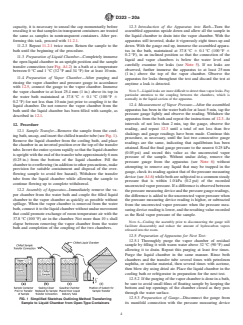
FIG. 1 Simplified Sketches Outlining Method Transferring Sample to Liquid Chamber from Open-Type Containers
the bottom of the liquid chamber. Fill the chamber to overflowing (in addition to other precautions, make provision for suitable
containment and disposal of the overflowing sample to avoid fire hazard). Withdraw the transfer tube from the liquid chamber
while allowing the sample to continue flowing up to complete withdrawal.
12.2 Assembly of Apparatus—Immediately remove the vapor chamber from the water bath and couple the filled liquid chamber
to the vapor chamber as quickly as possible without spillage. When the vapor chamber is removed from the water bath, connect
it to the liquid chamber without undue movement that could promote exchange of room temperature air with the 37.8 °C (100 °F)
air in the chamber. Not more than 10 s shall elapse between removing the vapor chamber from the water bath and completion of
the coupling of the two chambers.
12.3 Introduction of the Apparatus into Bath—Turn the assembled apparatus upside down and allow all the sample in the liquid
chamber to drain into the vapor chamber. With the apparatus still inverted, shake it vigorously eight times up and down. With the
gauge end up, immerse the assembled apparatus in the bath, maintained at 37.8 °C 6 0.1 °C (100 °F 6 0.2 °F), in an inclined
position so that the connection of the liquid and vapor chambers is below the water level and carefully examine for leaks (see Note
5). If no leaks are observed, further immerse the apparatus to at least 25 mm (1 in.) above the top of the vapor chamber. Observe
the apparatus for leaks throughout the test and discard the test at anytime a leak is detected.
NOTE 5—Liquid leaks are more difficult to detect than vapor leaks. Pay particular attention to the coupling between the chambers, which is normally in
the liquid section of the apparatus.
12.4 Measurement of Vapor Pressure—After the assembled apparatus has been in the water bath for at least 5 min, tap the pressure
gauge lightly and observe the reading. Withdraw the apparatus from the bath and repeat the instructions of 12.3. At intervals of
not less than 2 min, tap the gauge, observe the reading, and repeat 12.3 until a total of not less than five shakings and gauge
readings have been made. Continue this procedure, as necessary, until the last two consecutive gauge readings are the same,
indicating that equilibrium has been attained. Read the final gauge pressure to the nearest 0.25 kPa (0.05 psi) and record this value
as the uncorrected vapor pressure of the sample. Without undue delay, remove the pressure gauge from the apparatus (see Note
6) without attempting to remove any liquid that may be trapped in the gauge, check its reading against that of the pressure
measuring device (see A1.6) while both are subjected to a common steady pressure that is within 1.0 kPa (0.2 psi) of the recorded
uncorrected vapor pressure. If a difference is observed between the pressure measuring device and the pressure gauge readings,
the difference is added to the uncorrected vapor pressure when the pressure measuring device reading is higher, or subtracted from
the uncorrected vapor pressure when the pressure measuring device reading is lower, and the resulting value recorded as the Reid
vapor pressure of the sample.
NOTE 6—Cooling the assembly prior to disconnecting the gauge will facilitate disassembly and reduce the amount of hydrocarbon vapors released into
the room.
12.5 Preparation of Apparatus for Next Test:
12.5.1 Thoroughly purge the vapor chamber of residual sample by filling it with warm water above 32 °C (90 °F) and allowing
it to drain. Repeat this purging at least five times. Purge the liquid chamber in the same manner. Rinse both chambers and the
transfer tube several times with petroleum naphtha, or similar material, then several times with acetone, then blow dry using dried
air. Place the liquid chamber in the cooling bath or refrigerator in preparation for the next test.
D323 − 20a
12.5.2 If the purging of the vapor chamber is done in a bath, be sure to avoid small films of floating sample by keeping the bottom
and top openings of the chamber closed as they pass through the water surface.
12.5.3 Preparation of Gauge—Disconnect the gauge from its manifold connection with the pressure measuring device and remove
trapped liquid in the Bourdon tube of the gauge by repeated centrifugal thrusts. This is accomplished in the following manner: hold
the gauge between the palms of the hands with the right palm on the face of the gauge and the threaded connection of the gauge
forward. Extend the arms forward and upward at an angle of 45°. Swing the arms rapidly downward through an arc of about 135°
so that centrifugal force aids gravity in removing trapped liquid. Repeat this operation at least three times or until all liquid has
been expelled from the gauge. Connect the gauge to the vapor chamber with the liquid connection closed and place in the 37.8 °C
(100 °F) bath to condition for the next test. (Warning—Do not leave the vapor chamber with the gauge attached in the water bath
for a longer period of time than necessary to condition for the next test. Water vapor can condense in the Bourdon tube and lead
to erroneous results.)
PROCEDURE B
FOR PETROLEUM PRODUCTS HAVING REID VAPOR PRESSURES BELOW 180 kPa (26 psi), (HORIZONTAL
BATH)
13. Sampling
13.1 Refer to Section 8.
14. Preparation for Test
14.1 Refer to Section 11.
15. Procedure
15.1 Sample Transfer—Remove the sample from the cooling bath, uncap, and insert the chilled transfer tube (see Fig. 1). Remove
the liquid chamber from the cooling bath, and place the chamber in an inverted position over the top of the transfer tube. Invert
the entire system rapidly so that the liquid chamber is upright with the end of the transfer tube approximately 6 mm (0.25 in.) from
the bottom of the liquid chamber. Fill the chamber to overflowing (in addition to other precautio
...