

ASTM D6522-20
(Test Method)Standard Test Method for Determination of Nitrogen Oxides, Carbon Monoxide, and Oxygen Concentrations in Emissions from Natural Gas-Fired Reciprocating Engines, Combustion Turbines, Boilers, and Process Heaters Using Portable Analyzers
General Information
- Abstract
SIGNIFICANCE AND USE
5.1 The results of this test method may be used to determine nitrogen oxides and carbon monoxide emission concentrations from natural gas combustion at stationary sources.
5.2 This test method may also be used to monitor emissions during short-term emission tests or periodically in order to optimize process operation for nitrogen oxides and carbon monoxide control.
SCOPE
1.1 This test method covers the determination of nitrogen oxides (NO and NO2), carbon monoxide (CO), and oxygen (O2) concentrations in controlled and uncontrolled emissions from natural gas-fired reciprocating engines, combustion turbines, boilers, and process heaters using portable analyzers with electrochemical sensors. Due to the inherent cross sensitivities of the electrochemical cells, this test method should not be applied to other pollutants or emission sources without a complete investigation of possible analytical interferences and a comparative evaluation with EPA test methods.
1.1.1 The procedures and specifications of this test method were originally developed during laboratory and field tests funded by the Gas Research Institute (GRI).2 Comparative emission tests were conducted only on natural gas-fired combustion sources. Subsequently, the U.S. Environmental Protection Agency (EPA) sponsored Environmental Technology Verification (ETV) program conducted further evaluations of electrochemical cell analyzers, which included laboratory tests and field tests on natural gas and diesel-fueled generators. The EPA has reviewed the ETV test results, published additional information, and provided technical input that has been considered in the update of this test method.3
1.2 This test method contains notes that are explanatory and are not part of the mandatory requirements of the standard.
1.3 The values stated in SI units are to be regarded as standard. No other units of measurement are included in this standard.
1.4 This standard does not purport to address all of the safety concerns, if any, associated with its use. It is the responsibility of the user of this standard to establish appropriate safety, health, and environmental practices and determine the applicability of regulatory limitations prior to use.
1.5 This international standard was developed in accordance with internationally recognized principles on standardization established in the Decision on Principles for the Development of International Standards, Guides and Recommendations issued by the World Trade Organization Technical Barriers to Trade (TBT) Committee.
- Status
- Published
- Publication Date
- 31-May-2020
- Technical Committee
- D22 - Air Quality
- Drafting Committee
- D22.03 - Ambient Atmospheres and Source Emissions
Buy Documents
ASTM D6522-20 - Standard Test Method for Determination of Nitrogen Oxides, Carbon Monoxide, and Oxygen Concentrations in Emissions from Natural Gas-Fired Reciprocating Engines, Combustion Turbines, Boilers, and Process Heaters Using Portable Analyzers
REDLINE ASTM D6522-20 - Standard Test Method for Determination of Nitrogen Oxides, Carbon Monoxide, and Oxygen Concentrations in Emissions from Natural Gas-Fired Reciprocating Engines, Combustion Turbines, Boilers, and Process Heaters Using Portable Analyzers
Overview
ASTM D6522-20 is the internationally recognized standard test method for determining concentrations of nitrogen oxides (NO and NO₂), carbon monoxide (CO), and oxygen (O₂) in stack emissions from natural gas-fired reciprocating engines, combustion turbines, boilers, and process heaters using portable analyzers equipped with electrochemical sensors. Developed by ASTM International, this standard provides guidelines for reliable emission monitoring and control, supporting both regulatory compliance and process optimization for stationary natural gas combustion sources.
Key Topics
- Scope of Application: The method is specifically designed for emissions testing at stationary sources fueled by natural gas. It is not recommended for other fuels or pollutants unless proper validation is performed.
- Measurement Content: Stack gas concentrations of NO, NO₂, CO, and O₂ are measured, providing key data for emission compliance and process efficiency.
- Instrumentation: The test uses portable analyzers with electrochemical cells, which must meet strict performance specifications concerning accuracy, repeatability, linearity, interference, and stability.
- Sampling and Calibration: The procedure includes detailed requirements for sampling sites, calibration gases (zero, mid-level, and upscale), line checks, interference and stability checks, and post-test validations.
- Quality Control and Interferences: The method specifies limits for cross-interference (not more than 5% for CO and NO measurements) and requires regular calibration and validation against known standards to ensure data integrity.
- Safety and Regulatory Considerations: Users are responsible for adhering to applicable safety, health, and environmental regulations, and for verifying method applicability to their specific process and location.
Applications
ASTM D6522-20 is vital for a range of industrial and regulatory applications, including:
- Regulatory Compliance Testing: Used by operators of natural gas-fired engines, turbines, boilers, and process heaters to demonstrate compliance with emission limits for NOₓ and CO mandated by environmental regulations.
- Short-Term Emission Testing: Frequently applied in plant emission audits, environmental reporting, and startup/shutdown validation where portability and rapid result delivery are essential.
- Process Optimization: Ongoing or periodic monitoring of NOₓ and CO emissions with this standard allows plant operators to adjust combustion parameters, enhance efficiency, and reduce emissions proactively.
- Predictive and Quality Assurance Monitoring: Can be employed as part of a broader continuous emission monitoring system (CEMS) maintenance program or for cross-checking predictive emission monitoring systems.
- Research and Development: Utilized in laboratory and field studies assessing the performance and emission profiles of various combustion equipment designs or fuel compositions.
Related Standards
- ASTM D1356 - Terminology Relating to Sampling and Analysis of Atmospheres: Provides definitions for terms used in air emission testing.
- US EPA Methods, 40 CFR Part 60:
- Method 3A - Instrumental Determination of Oxygen and Carbon Dioxide
- Method 7E - Determination of Nitrogen Oxides Emissions using Instrumental Analyzer
- Method 10 - Carbon Monoxide Emissions from Stationary Sources
- Method 20 - Emissions from Stationary Gas Turbines
- US EPA Protocol G1 and G2 - Protocols for Assay and Certification of Gaseous Calibration Standards
- US EPA Method 301 - Field Validation of Pollutant Measurement Methods
ASTM D6522-20 provides an essential framework for accurate and consistent measurement of critical air pollutants in emissions from natural gas combustion sources. By following its procedures, industry professionals can achieve reliable data for regulatory reporting, performance tracking, and environmental protection initiatives. For full technical requirements and validation procedures, always refer to the official ASTM D6522-20 document from ASTM International.
Relations
- Effective Date
- 01-Jun-2020
- Effective Date
- 01-Sep-2020
- Effective Date
- 15-Mar-2020
- Effective Date
- 15-Oct-2015
- Effective Date
- 01-Jul-2015
- Effective Date
- 01-Dec-2014
- Effective Date
- 01-May-2014
- Effective Date
- 15-Jan-2014
- Effective Date
- 01-Apr-2010
- Effective Date
- 01-May-2005
- Effective Date
- 10-Nov-2000
- Referred By
ASTM D3154-14(2023) - Standard Test Method for Average Velocity in a Duct (Pitot Tube Method) - Effective Date
- 01-Jun-2020
Buy Documents
ASTM D6522-20 - Standard Test Method for Determination of Nitrogen Oxides, Carbon Monoxide, and Oxygen Concentrations in Emissions from Natural Gas-Fired Reciprocating Engines, Combustion Turbines, Boilers, and Process Heaters Using Portable Analyzers
REDLINE ASTM D6522-20 - Standard Test Method for Determination of Nitrogen Oxides, Carbon Monoxide, and Oxygen Concentrations in Emissions from Natural Gas-Fired Reciprocating Engines, Combustion Turbines, Boilers, and Process Heaters Using Portable Analyzers
Get Certified
Connect with accredited certification bodies for this standard

CIS Institut d.o.o.
Personal Protective Equipment (PPE) certification body. Notified Body NB-2890 for EU Regulation 2016/425 PPE.

Kiwa BDA Testing
Building and construction product certification.
Kmetijski inštitut Slovenije
Agricultural Institute of Slovenia. Soil testing, plant health, agricultural product analysis.
Sponsored listings
Frequently Asked Questions
ASTM D6522-20 is a standard published by ASTM International. Its full title is "Standard Test Method for Determination of Nitrogen Oxides, Carbon Monoxide, and Oxygen Concentrations in Emissions from Natural Gas-Fired Reciprocating Engines, Combustion Turbines, Boilers, and Process Heaters Using Portable Analyzers". This standard covers: SIGNIFICANCE AND USE 5.1 The results of this test method may be used to determine nitrogen oxides and carbon monoxide emission concentrations from natural gas combustion at stationary sources. 5.2 This test method may also be used to monitor emissions during short-term emission tests or periodically in order to optimize process operation for nitrogen oxides and carbon monoxide control. SCOPE 1.1 This test method covers the determination of nitrogen oxides (NO and NO2), carbon monoxide (CO), and oxygen (O2) concentrations in controlled and uncontrolled emissions from natural gas-fired reciprocating engines, combustion turbines, boilers, and process heaters using portable analyzers with electrochemical sensors. Due to the inherent cross sensitivities of the electrochemical cells, this test method should not be applied to other pollutants or emission sources without a complete investigation of possible analytical interferences and a comparative evaluation with EPA test methods. 1.1.1 The procedures and specifications of this test method were originally developed during laboratory and field tests funded by the Gas Research Institute (GRI).2 Comparative emission tests were conducted only on natural gas-fired combustion sources. Subsequently, the U.S. Environmental Protection Agency (EPA) sponsored Environmental Technology Verification (ETV) program conducted further evaluations of electrochemical cell analyzers, which included laboratory tests and field tests on natural gas and diesel-fueled generators. The EPA has reviewed the ETV test results, published additional information, and provided technical input that has been considered in the update of this test method.3 1.2 This test method contains notes that are explanatory and are not part of the mandatory requirements of the standard. 1.3 The values stated in SI units are to be regarded as standard. No other units of measurement are included in this standard. 1.4 This standard does not purport to address all of the safety concerns, if any, associated with its use. It is the responsibility of the user of this standard to establish appropriate safety, health, and environmental practices and determine the applicability of regulatory limitations prior to use. 1.5 This international standard was developed in accordance with internationally recognized principles on standardization established in the Decision on Principles for the Development of International Standards, Guides and Recommendations issued by the World Trade Organization Technical Barriers to Trade (TBT) Committee.
SIGNIFICANCE AND USE 5.1 The results of this test method may be used to determine nitrogen oxides and carbon monoxide emission concentrations from natural gas combustion at stationary sources. 5.2 This test method may also be used to monitor emissions during short-term emission tests or periodically in order to optimize process operation for nitrogen oxides and carbon monoxide control. SCOPE 1.1 This test method covers the determination of nitrogen oxides (NO and NO2), carbon monoxide (CO), and oxygen (O2) concentrations in controlled and uncontrolled emissions from natural gas-fired reciprocating engines, combustion turbines, boilers, and process heaters using portable analyzers with electrochemical sensors. Due to the inherent cross sensitivities of the electrochemical cells, this test method should not be applied to other pollutants or emission sources without a complete investigation of possible analytical interferences and a comparative evaluation with EPA test methods. 1.1.1 The procedures and specifications of this test method were originally developed during laboratory and field tests funded by the Gas Research Institute (GRI).2 Comparative emission tests were conducted only on natural gas-fired combustion sources. Subsequently, the U.S. Environmental Protection Agency (EPA) sponsored Environmental Technology Verification (ETV) program conducted further evaluations of electrochemical cell analyzers, which included laboratory tests and field tests on natural gas and diesel-fueled generators. The EPA has reviewed the ETV test results, published additional information, and provided technical input that has been considered in the update of this test method.3 1.2 This test method contains notes that are explanatory and are not part of the mandatory requirements of the standard. 1.3 The values stated in SI units are to be regarded as standard. No other units of measurement are included in this standard. 1.4 This standard does not purport to address all of the safety concerns, if any, associated with its use. It is the responsibility of the user of this standard to establish appropriate safety, health, and environmental practices and determine the applicability of regulatory limitations prior to use. 1.5 This international standard was developed in accordance with internationally recognized principles on standardization established in the Decision on Principles for the Development of International Standards, Guides and Recommendations issued by the World Trade Organization Technical Barriers to Trade (TBT) Committee.
ASTM D6522-20 is classified under the following ICS (International Classification for Standards) categories: 13.040.50 - Transport exhaust emissions. The ICS classification helps identify the subject area and facilitates finding related standards.
ASTM D6522-20 has the following relationships with other standards: It is inter standard links to ASTM D6522-11, ASTM D1356-20a, ASTM D1356-20, ASTM D1356-15a, ASTM D1356-15, ASTM D1356-14b, ASTM D1356-14a, ASTM D1356-14, ASTM D1356-05(2010), ASTM D1356-05, ASTM D1356-00a, ASTM D3154-14(2023). Understanding these relationships helps ensure you are using the most current and applicable version of the standard.
ASTM D6522-20 is available in PDF format for immediate download after purchase. The document can be added to your cart and obtained through the secure checkout process. Digital delivery ensures instant access to the complete standard document.
Standards Content (Sample)
This international standard was developed in accordance with internationally recognized principles on standardization established in the Decision on Principles for the
Development of International Standards, Guides and Recommendations issued by the World Trade Organization Technical Barriers to Trade (TBT) Committee.
Designation: D6522 − 20
Standard Test Method for
Determination of Nitrogen Oxides, Carbon Monoxide, and
Oxygen Concentrations in Emissions from Natural Gas-
Fired Reciprocating Engines, Combustion Turbines, Boilers,
and Process Heaters Using Portable Analyzers
This standard is issued under the fixed designation D6522; the number immediately following the designation indicates the year of
original adoption or, in the case of revision, the year of last revision.Anumber in parentheses indicates the year of last reapproval.A
superscript epsilon (´) indicates an editorial change since the last revision or reapproval.
1. Scope 1.4 This standard does not purport to address all of the
safety concerns, if any, associated with its use. It is the
1.1 This test method covers the determination of nitrogen
responsibility of the user of this standard to establish appro-
oxides (NO and NO ), carbon monoxide (CO), and oxygen
priate safety, health, and environmental practices and deter-
(O ) concentrations in controlled and uncontrolled emissions
mine the applicability of regulatory limitations prior to use.
from natural gas-fired reciprocating engines, combustion
1.5 This international standard was developed in accor-
turbines, boilers, and process heaters using portable analyzers
dance with internationally recognized principles on standard-
with electrochemical sensors. Due to the inherent cross sensi-
ization established in the Decision on Principles for the
tivitiesoftheelectrochemicalcells,thistestmethodshouldnot
Development of International Standards, Guides and Recom-
be applied to other pollutants or emission sources without a
mendations issued by the World Trade Organization Technical
complete investigation of possible analytical interferences and
Barriers to Trade (TBT) Committee.
a comparative evaluation with EPA test methods.
1.1.1 The procedures and specifications of this test method
2. Referenced Documents
were originally developed during laboratory and field tests
2 4
funded by the Gas Research Institute (GRI). Comparative 2.1 ASTM Standards:
emission tests were conducted only on natural gas-fired com- D1356Terminology Relating to Sampling and Analysis of
bustion sources. Subsequently, the U.S. Environmental Protec- Atmospheres
tionAgency(EPA)sponsoredEnvironmentalTechnologyVeri- 5
2.2 EPA Methods from 40 CFR Part 60, Appendix A:
fication (ETV) program conducted further evaluations of
Method 3ADetermination of Oxygen and Carbon Dioxide
electrochemical cell analyzers, which included laboratory tests
Concentrations in Emissions from Stationary Sources
and field tests on natural gas and diesel-fueled generators.The
(Instrumental Analyzer Procedure)
EPA has reviewed the ETV test results, published additional
Method 7EDetermination of Nitrogen Oxides Emissions
information, and provided technical input that has been con-
from Stationary Sources (Instrumental Analyzer Proce-
sidered in the update of this test method.
dure)
1.2 Thistestmethodcontainsnotesthatareexplanatoryand Method 10Determination of Carbon Monoxide Emissions
are not part of the mandatory requirements of the standard.
from Stationary Source
Method 20 Determination of Nitrogen Oxides, Sulfur
1.3 The values stated in SI units are to be regarded as
Dioxide, and Diluent Emissions from Stationary Gas
standard. No other units of measurement are included in this
Turbines
standard.
2.3 EPA Methods from 40 CFR Part 63, Appendix A:
Method 301Field Validation of Pollutant Measurement
This test method is under the jurisdiction of ASTM Committee D22 on Air
Methods from Various Waste Media
Quality and is the direct responsibility of Subcommittee D22.03 on Ambient
Atmospheres and Source Emissions.
Current edition approved June 1, 2020. Published June 2020. Originally
approved in 2000. Last previous edition approved in 2011 as D6522–11. DOI:
10.1520/D6522-20. For referenced ASTM standards, visit the ASTM website, www.astm.org, or
Juneau, P. Peeler, J. W., “Development of an Electrochemical Cell Emission contact ASTM Customer Service at service@astm.org. For Annual Book of ASTM
Analyzer Test Method,” Gas Research Institute Topical Report prepared by Standards volume information, refer to the standard’s Document Summary page on
Emission Monitoring Inc., GRI-96/0008, July 1997. the ASTM website.
3 5
Shanklin, S., Wesson, K., and Kellar, P., “Evaluation of PortableAnalyzers for Available from U.S. Government Printing Office, Superintendent of
Use in Quality Assuring Predictive Emission Monitoring Systems for NO ,” Documents, 732 N. Capitol St., NW, Washington, DC 20401-0001, http://
x
prepared byThe Cadmus Group, EPAContract No. 68-W-03-033, September 2004. www.access.gpo.gov.
Copyright © ASTM International, 100 Barr Harbor Drive, PO Box C700, West Conshohocken, PA 19428-2959. United States
D6522 − 20
2.4 EPA Methods from 40 CFR Part 75, Appendix H: for any given cell as long as the linearity and stability check
Protocol G1 Procedures results remain within specification.
Protocol G2 Procedures
3.2.6 response time, n—amount of time required for the
measurement system to display 95% of a step change in gas
3. Terminology
concentration on the data recorder.
3.1 Definitions:
3.2.7 upscale calibration error, n—difference between the
3.1.1 For terminology relevant to this test method, see
gasconcentrationexhibitedbythegasanalyzerandtheknown
Terminology D1356.
concentration of the upscale calibration gas.
3.2 Definitions of Terms Specific to This Standard:
3.2.8 upscale calibration gas, n—known concentration of a
3.2.1 measurement system, n—total equipment required for
gas in an appropriate diluent gas.
the determination of gas concentration. The measurement
3.2.9 stability check, n—method of demonstrating that an
system consists of the following major subsystems:
electrochemical cell operated over a given nominal range
3.2.1.1 data recorder, n—astripchartrecorder,computer,or
provides a stable response and is not significantly affected by
digital recorder for recording measurement data.
prolonged exposure to the analyte.
3.2.1.2 electrochemical cell, n—that portion of the system
3.2.10 stability time, n—elapsed time from the start of the
that senses the gas to be measured and generates an output
gasinjectiontothestartofthe15-minor30-minstabilitycheck
proportional to its concentration, or any cell that uses
period, as determined during the stability check.
diffusion-limited oxidation and reduction reactions to produce
3.2.11 zero calibration error, n—gas concentration exhib-
an electrical potential between a sensing electrode and a
ited by the gas analyzer in response to zero-level calibration
counter electrode.
gas.
3.2.1.3 external interference gas scrubber, n—device filled
with scrubbing agent used to remove interfering compounds
4. Summary of Test Method
upstream of some electrochemical cells.
4.1 Agas sample is continuously extracted from a duct and
3.2.1.4 sample interface, n—that portion of a system used
conveyedtoaportableanalyzerfordeterminationofNO,NO ,
for one or more of the following: sample acquisition, sample
CO, and O gas concentrations using electrochemical cells.
transport, sample conditioning, or protection of the electro-
Analyzer design specifications, performance specifications,
chemicalcellsfromparticulatematterandcondensedmoisture.
and test procedures are provided to ensure reliable data.
3.2.2 initial NO cell temperature, n—temperatureoftheNO
4.2 Additions to or modifications of some vendor-supplied
cell that is recorded during the most recent pretest calibration
analyzers(forexample,samplesystemswhichchillthesample
error check.
attheprobeandtransportscold,drygastotheanalyzer,heated
3.2.2.1 Discussion—Since the NO cell can experience sig-
sample line, flow meters, and so forth) may be necessary to
nificantzerodriftwithtemperaturechangesinsomesituations,
meet the design specifications of this test method.
the temperature must be monitored if the analyzer does not
display negative concentration results. Nitric oxide cell tem-
5. Significance and Use
perature monitoring is not required if the analyzer can display
5.1 Theresultsofthistestmethodmaybeusedtodetermine
negative concentrations. Drift due to temperature changes will
nitrogen oxides and carbon monoxide emission concentrations
be identified in the post calibration check for these analyzers
from natural gas combustion at stationary sources.
where negative concentrations will be observed.
5.2 Thistestmethodmayalsobeusedtomonitoremissions
3.2.3 interference check, n—method of quantifying analyti-
during short-term emission tests or periodically in order to
cal interferences from components in the stack gas other than
optimize process operation for nitrogen oxides and carbon
the analyte.
monoxide control.
3.2.4 linearity check, n—method of demonstrating the abil-
ityofagasanalyzertorespondconsistentlyoverarangeofgas
6. Interferences
concentrations.
6.1 NO and NO can interfere with CO concentration
3.2.4.1 Discussion—Linearity checks are not required for
measurements, and NO can interfere with NO concentration
analyzers where the electrochemical sensor manufacturer has
measurements. The interference effects for the CO and NO
published data demonstrating linearity through the sensor
emission measurements are quantified in 9.2 and shall not
range.
exceed 5% of the measurement.
3.2.5 nominal range, n—rangeofconcentrationsoverwhich
eachcellisoperated(25%to125%ofupscalecalibrationgas
7. Apparatus
value).
3.2.5.1 Discussion—Several nominal ranges may be used
7.1 The minimum detectable limit depends on the nominal
range of the electrochemical cell, calibration drift, and signal-
to-noise ratio of the measurement system. For a well-designed
system, the minimum detectable limit should be less than 2%
EPA 600/R-12/531, EPA Traceability Protocol for Assay and Certification of
GaseousCalibrationStandards,May2012.Availablefromhttps://www.epa.gov/ord. of the nominal range.
D6522 − 20
7.2 Any measurement system that meets the performance condensate continuously from the sample gas while maintain-
and design specifications in Section 9 and 10.4.11 of this test ing minimal contact between the condensate and the sample
method may be used. For systems employing a heated sam- gas.
pling line, the line shall maintain the gas sample at a tempera-
7.2.7 Particulate Filters—Filters at the probe or the inlet or
ture above the dew point up to the moisture removal system.
outlet of the moisture removal system and inlet of the analyzer
Thesampleconditioningsystemshallbedesignedsothatthere
may be used to prevent accumulation of particulate material in
are no entrained water droplets in the gas sample when it
the measurement system and extend the useful life of the
contacts the electrochemical cells. A schematic of an accept- components.All filters shall be fabricated of materials that are
able measurement system is shown in Fig. 1. The essential
nonreactive to the gas being sampled.
components of the measurement system are described below:
7.2.8 SamplePump,aleak-freepump,topullthesamplegas
7.2.1 Sample Probe, glass, stainless steel, or other nonreac-
through the system at a flow rate sufficient to minimize the
tive material, of sufficient length to traverse the sample points,
response time of the measurement system. The pump must be
and, if necessary, heated to prevent condensation.
constructed of any material that is nonreactive to the gas being
7.2.2 Heated Sample Line, heated (sufficient to prevent
sampled.
condensation), nonreactive tubing, to transport the sample gas
7.2.9 Sample Flow Rate Control, a sample flow rate control
to the moisture removal system.
valve and rotameter, or equivalent, to maintain a constant
7.2.3 Sample Transport Lines, nonreactive tubing to trans-
sampling rate within 10% during sampling and calibration
port the sample from the moisture removal system to the
error checks. The components shall be fabricated of materials
sample pump, sample flow rate control, and electrochemical
that are nonreactive to the gas being sampled.
cells.
7.2.10 Gas Analyzer, a device containing electrochemical
7.2.4 Calibration Assembly, a tee-fitting to attach to the
cells to determine the NO, NO , CO, and O concentrations in
2 2
probe tip for introducing calibration gases at ambient pressure
the sample gas stream and, if necessary, to correct for interfer-
during the calibration error checks. The vented end of the tee
ence effects. The analyzer shall meet the applicable perfor-
shouldhaveaflowindicatortoensuresufficientcalibrationgas
mance specifications of Section 9.
flow.Any other method that introduces calibration gases at the
7.2.10.1 Ameansofcontrollingtheanalyzerflowrateanda
probeatatmosphericpressuremaybeused.Itiscriticalthatall
device for determining proper sample flow rate shall be
calibrationgasesandsamplegasesaredeliveredtotheanalyzer
provided at the analyzer. For example, a needle valve and
at 65 % the same flow rates and at 65 % the same absolute
precision rotameter, or pressure gauge downstream of all flow
pressure as electrochemical cell measurements are very sensi-
controls, or equivalent can be used.
tive to pressure differences. These parameters are typically
7.2.10.2 The electrochemical cell analyzer should have a
verified using a digital pressure gauge with an accuracy of
minimum upscale calibration level appropriate to the stack gas
62%.
concentration being measured. For example, if the stack gas
7.2.5 Digital Pressure Gauge,ofappropriatepressurerange
NO concentration is less than 10 ppm, the analyzer should
x
and an accuracy of 62 % or better.
have the capability to analyze a 10-ppm (or less) upscale
7.2.6 Moisture Removal System, a chilled condenser or
calibration gas for the NO and NO cells.
similar device (for example, permeation dryer), to remove
NOTE 1—Housing the analyzer in a clean, thermally-stable, vibration-
free environment will minimize drift in the analyzer calibration.
NOTE 2—If the NO analyzer resolution is 0.1 ppm, it will be more
x
likely to pass the performance specifications when testing at sources with
low stack gas concentrations.
NOTE 3—It is recommended that analyzer manufacturer’s maintenance
procedures be followed.
7.2.11 Data Recorder, a strip chart recorder, computer, or
digital recorder, for recording measurement data. The data
recorder resolution (that is, readability) shall be at least 1 ppm
for CO, NO, and NO ; 0.1% O for O ; and 1°C for
2 2 2
temperature.Alternatively,adigitaloranalogmeterhavingthe
same resolution may be used to obtain the analyzer responses
and the readings may be recorded manually.
NOTE 4—Some analyzers incorporate a digital data logger. Such a
recorder may be used provided it meets the resolution requirements of
7.2.11.
7.2.12 External Interference Gas Scrubber,adeviceusedby
some analyzers to remove interfering compounds upstream of
a CO electrochemical cell. The measurement system should
provide the operator with a means of determining when the
scrubbing agent is exhausted (that is, visible color change
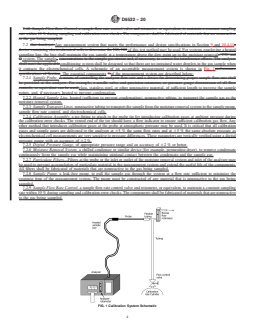
FIG. 1 Calibration System Schematic indication, or electronic ppm hour counter, or equivalent).
D6522 − 20
7.2.13 NO Cell Temperature Indicator, a thermocouple, Ambientairmaybeusedinawell-ventilatedareaprovidedthe
thermistor, or other device must be used to monitor the upscale calibration level is >25 ppm.
temperature of the NO electrochemical cell. The temperature
may be monitored at the surface or within the cell. This is not 9. Preparation of Apparatus
required if the analyzer is capable of displaying negative
9.1 Linearity Check—The procedures in this subsection are
concentrations.
not required if the manufacturer of the sensors used in the
particular analyzer has published information clearly demon-
8. Reagents and Materials
strating the linearity of the sensor throughout the sensor range,
andexplicitlystatestheminimumandmaximummeasurement
8.1 The analytical range for each gas component is deter-
ranges for which the sensor can be shown to exhibit a linear
mined by the electrochemical cell design. A portion of the
response meeting or exceeding the requirements of this test
analytical range is selected by choosing an upscale calibration
method. It is the responsibility of the person performing this
gas concentration approximating the flue gas concentrations.
test method to acquire such information from the sensor
8.2 Calibration Gases—The calibration gases for the gas
manufacturer or portable analyzer manufacturer and have this
analyzer shall be CO in nitrogen or CO in air, NO in nitrogen,
prior to performing the test. If this information is not available
NO in air, and O in nitrogen.
2 2
from the manufacturer at the time of the test, the following
8.2.1 For the mid-level and upscale calibration gases, use
procedures in this section shall be conducted.
calibration gases certified according to EPA Protocol G1
9.1.1 Conduct the linearity check once for each nominal
Procedures or Protocol G2 Procedures.
rangethatistobeusedoneachelectrochemicalcell(NO,NO ,
8.2.2 Alternative certification techniques may be used, if
CO, and O ) before each field test program.
approved in writing by the applicable regulatory agency.
9.1.1.1 Repeat the linearity check immediately after 5 days
of analyzer operation, if a field test program lasts longer than
8.3 Upscale Calibration Gases—Use these gases for cali-
5 days.
brationerror,linearity,andinterferencechecksofeachnominal
9.1.1.2 Repeat the linearity check whenever a cell is re-
range of each cell. Select concentrations as follows:
placed.
8.3.1 CO and NO Upscale Calibration Gases—Choose an
9.1.2 If the analyzer uses an external interference gas
upscale calibration gas concentration such that the average
scrubber with a color indicator or other depletion indicator,
stack gas reading for each test run is greater than 25% of the
verify that the scrubbing agent is not depleted, following the
upscalecalibrationgasconcentration.Alternatively,choosethe
analyzer manufacturer’s recommended procedure.
upscalecalibrationgassuchthatitisnotgreaterthantwicethe
9.1.3 Calibrate the analyzer with zero and upscale calibra-
concentration equivalent to the emission standard. If concen-
tion gases.
tration results exceed 125% of the upscale calibration gas at
9.1.4 Inject the zero, mid-level, and upscale calibration
any time during the sampling run, then the test run for that
gasesthatareappropriateforeachnominalrangetobeusedon
channel is not valid.
eachcell.Gasesneednotbeinjectedthroughtheentiresample
8.3.2 NO Upscale Calibration Gas—Choose an upscale
handling system.
calibration gas concentration such that the average stack gas
9.1.5 Purge the analyzer, briefly with ambient air between
reading for each test run is greater than 25% of the upscale
gas injections.
calibrationgasconcentration.Alternatively,choosetheupscale
9.1.6 For each gas injection, verify that the flow rate is
calibrationgasconcentrationsuchthatitisnotgreaterthanthe
constant and that the analyzer responses have stabilized.
ppm concentration value of the NO upscale calibration gas.
9.1.7 Record all of the responses (stabilized) on a form
The tester should be aware that NO cells are generally
similar to Fig. 2.
designed to measure much lower concentrations than NO cells
9.1.8 For the zero, mid-level, and upscale calibration gases,
and the upscale calibration gas should be chosen accordingly.
calculate the absolute value of the difference between the gas
Ifconcentrationresultsexceed125%oftheupscalegasatany
v
...
This document is not an ASTM standard and is intended only to provide the user of an ASTM standard an indication of what changes have been made to the previous version. Because
it may not be technically possible to adequately depict all changes accurately, ASTM recommends that users consult prior editions as appropriate. In all cases only the current version
of the standard as published by ASTM is to be considered the official document.
Designation: D6522 − 11 D6522 − 20
Standard Test Method for
Determination of Nitrogen Oxides, Carbon Monoxide, and
Oxygen Concentrations in Emissions from Natural Gas-
Fired Reciprocating Engines, Combustion Turbines, Boilers,
and Process Heaters Using Portable Analyzers
This standard is issued under the fixed designation D6522; the number immediately following the designation indicates the year of
original adoption or, in the case of revision, the year of last revision. A number in parentheses indicates the year of last reapproval. A
superscript epsilon (´) indicates an editorial change since the last revision or reapproval.
1. Scope
1.1 This test method covers the determination of nitrogen oxides (NO and NO ), carbon monoxide (CO), and oxygen (O )
2 2
concentrations in controlled and uncontrolled emissions from natural gas-fired reciprocating engines, combustion turbines, boilers,
and process heaters using portable analyzers with electrochemical sensors. Due to the inherent cross sensitivities of the
electrochemical cells, this test method should not be applied to other pollutants or emission sources without a complete
investigation of possible analytical interferences and a comparative evaluation with EPA test methods.
1.1.1 The procedures and specifications of this test method were originally developed during laboratory and field tests funded
by the Gas Research Institute (GRI). Comparative emission tests were conducted only on natural gas-fired combustion sources.
Subsequently, the United States U.S. Environmental Protection Agency (EPA) sponsored Environmental Technology Verification
(ETV) program conducted further evaluations of electrochemical cell analyzers, which included laboratory tests and field tests on
natural gas and diesel-fueled generators. The EPA has reviewed the ETV test results, published additional information, and
provided technical input that has been considered in the update of this test method.
1.2 This test method contains notes that are explanatory and are not part of the mandatory requirements of the standard.
1.3 The values stated in SI units are to be regarded as the standard. The values given in parentheses are for information
only.standard. No other units of measurement are included in this standard.
1.4 This standard does not purport to address all of the safety concerns, if any, associated with its use. It is the responsibility
of the user of this standard to establish appropriate safety safety, health, and healthenvironmental practices and to determine the
applicability of regulatory limitations prior to use.
1.5 This international standard was developed in accordance with internationally recognized principles on standardization
established in the Decision on Principles for the Development of International Standards, Guides and Recommendations issued
by the World Trade Organization Technical Barriers to Trade (TBT) Committee.
2. Referenced Documents
2.1 ASTM Standards:
D1356 Terminology Relating to Sampling and Analysis of Atmospheres
2.2 EPA Methods from 40 CFR Part 60, Appendix A:
Method 3A Determination of Oxygen and Carbon Dioxide Concentrations in Emissions from Stationary Sources (Instrumental
Analyzer Procedure)
This test method is under the jurisdiction of ASTM Committee D22 on Air Quality and is the direct responsibility of Subcommittee D22.03 on Ambient Atmospheres
and Source Emissions.
Current edition approved Dec. 1, 2011June 1, 2020. Published February 2012June 2020. Originally approved in 2000. Last previous edition approved in 20052011 as
D6522 – 00 (2005).D6522 – 11. DOI: 10.1520/D6522-11.10.1520/D6522-20.
Gas Research Institute Topical Report, “Development of an Electrochemical Cell Emission Analyzer Test Method,” GRI-96/0008, July 1997.Juneau, P. Peeler, J. W.,
“Development of an Electrochemical Cell Emission Analyzer Test Method,” Gas Research Institute Topical Report prepared by Emission Monitoring Inc., GRI-96/0008, July
1997.
“Evaluation of Portable Analyzers for Use in Quality Assuring Predictive Emission Monitoring Systems for NOx” EPA Contract No. 68-W-03-033, September
2004.Shanklin, S., Wesson, K., and Kellar, P., “Evaluation of Portable Analyzers for Use in Quality Assuring Predictive Emission Monitoring Systems for NO ,” prepared
x
by The Cadmus Group, EPA Contract No. 68-W-03-033, September 2004.
For referenced ASTM standards, visit the ASTM website, www.astm.org, or contact ASTM Customer Service at service@astm.org. For Annual Book of ASTM Standards
volume information, refer to the standard’sstandard’s Document Summary page on the ASTM website.
Available from U.S. Government Printing Office, Superintendent of Documents, U. G. Government Printing Office,732 N. Capitol St., NW, Washington, DC
20402.20401-0001, http://www.access.gpo.gov.
Copyright © ASTM International, 100 Barr Harbor Drive, PO Box C700, West Conshohocken, PA 19428-2959. United States
D6522 − 20
Method 7E Determination of Nitrogen Oxides Emissions from Stationary Sources (Instrumental Analyzer Procedure)
Method 10 Determination of Carbon Monoxide Emissions from Stationary Source
Method 20 Determination of Nitrogen Oxides, Sulfur Dioxide, and Diluent Emissions from Stationary Gas Turbines
2.3 EPA Methods from 40 CFR Part 63, Appendix A:
Method 301 Field Validation of Pollutant Measurement Methods from Various Waste Media
2.4 EPA Methods from 40 CFR Part 75, Appendix H:
Revised Traceability Protocol No. 1Protocol G1 Procedures Protocol G1 and G2 Procedures
Protocol G2 Procedures
3. Terminology
3.1 For terminology relevant to this test method, see Terminology D1356.Definitions:
3.1.1 For terminology relevant to this test method, see Terminology D1356.
3.2 Definitions of Terms Specific to This Standard:
3.2.1 measurement system, n—total equipment required for the determination of gas concentration. The measurement system
consists of the following major subsystems:
3.2.1.1 data recorder, n—a strip chart recorder, computer, or digital recorder for recording measurement data.
3.2.1.2 electrochemical cell, n—that portion of the system that senses the gas to be measured and generates an output
proportional to its concentration, or any cell that uses diffusion-limited oxidation and reduction reactions to produce an electrical
potential between a sensing electrode and a counter electrode.
3.2.1.3 external interference gas scrubber, n—device filled with scrubbing agent used to remove interfering compounds
upstream of some electrochemical cells.
3.2.1.4 sample interface, n—that portion of a system used for one or more of the following: sample acquisition, sample
transport, sample conditioning, or protection of the electrochemical cells from particulate matter and condensed moisture.
3.2.2 interference check, n—method of quantifying analytical interferences from components in the stack gas other than the
analyte.
3.2.2 initial NO cell temperature, n—temperature of the NO cell that is recorded during the most recent pretest calibration error
check.
3.2.2.1 Discussion—
Since the NO cell can experience significant zero drift with temperature changes in some situations, the temperature must be
monitored if the analyzer does not display negative concentration results. Nitric oxide cell temperature monitoring is not required
if the analyzer can display negative concentrations. Drift due to temperature changes will be identified in the post calibration check
for analyzers that showcan display negative concentrations.these analyzers where negative concentrations will be observed.
3.2.3 interference check, n—method of quantifying analytical interferences from components in the stack gas other than the
analyte.
3.2.4 linearity check, n—method of demonstrating the ability of a gas analyzer to respond consistently over a range of gas
concentrations.
3.2.4.1 Discussion—
Linearity checks are not required for analyzers where the electrochemical sensor manufacturer has published data demonstrating
linearity through the sensor range.
3.2.5 nominal range, n—range of concentrations over which each cell is operated (25 % to 125 % of upscale calibration gas
value).
3.2.5.1 Discussion—
Several nominal ranges may be used for any given cell as long as the linearity and stability check results remain within
specification.
3.2.6 response time, n—amount of time required for the measurement system to display 95 % of a step change in gas
concentration on the data recorder.
EPA-600/R-97/121, EPA 600/R-12/531, EPA Traceability Protocol for Assay and Certification of Gaseous Calibration Standards, September 1997, as amended August
25, 1999. Available from: http://www.epa.gov/ttn/emc/news.html.May 2012. Available from https://www.epa.gov/ord.
D6522 − 20
3.2.7 upscale calibration gas, n—known concentration of a gas in an appropriate diluent gas.
3.2.7 upscale calibration error, n—difference between the gas concentration exhibited by the gas analyzer and the known
concentration of the upscale calibration gas.
3.2.8 upscale calibration gas, n—known concentration of a gas in an appropriate diluent gas.
3.2.9 stability check, n—method of demonstrating that an electrochemical cell operated over a given nominal range provides a
stable response and is not significantly affected by prolonged exposure to the analyte.
3.2.10 stability time, n—elapsed time from the start of the gas injection to the start of the 15-min or 30-min stability check
period, as determined during the stability check.
3.2.11 zero calibration error, n—gas concentration exhibited by the gas analyzer in response to zero-level calibration gas.
4. Summary of Test Method
4.1 A gas sample is continuously extracted from a duct and conveyed to a portable analyzer for determination of NO, NO , CO,
and O gas concentrations using electrochemical cells. Analyzer design specifications, performance specifications, and test
procedures are provided to ensure reliable data.
4.2 Additions to or modifications of some vendor-supplied analyzers (for example, sample systems which chill the sample at
the probe and transports cold, dry gas to the analyzer, heated sample line, flow meters, and so forth) may be necessary to meet
the design specifications of this test method.
5. Significance and Use
5.1 The results of this test method may be used to determine nitrogen oxides and carbon monoxide emission concentrations from
natural gas combustion at stationary sources.
5.2 This test method may also be used to monitor emissions during short-term emission tests or periodically in order to optimize
process operation for nitrogen oxides and carbon monoxide control.
6. Interferences
6.1 NO and NO can interfere with CO concentration measurements, and NO can interfere with NO concentration
2 2
measurements. The interference effects for the CO and NO emission measurements are quantified in 9.2 and shall not exceed 5 %
of the measurement.
7. Apparatus
7.1 The minimum detectable limit depends on the nominal range of the electrochemical cell, calibration drift, and
signal-to-noise ratio of the measurement system. For a well designed well-designed system, the minimum detectable limit should
be less than 2 % of the nominal range.
7.2 Any measurement system that meets the performance and design specifications in Sections 9 and 10.4.11 of this test method
may be used. The sampling system shall maintain the gas sample at a temperature above the dew point up to the moisture removal
system. The sample conditioning system shall be designed so that there are no entrained water droplets in the gas sample when
it contacts the electrochemical cells. A schematic of an acceptable measurement system is shown in Fig. 1. The essential
components of the measurement system are described below:
7.3 Sample Probe, glass, stainless steel, or other nonreactive material, of sufficient length to traverse the sample points, and, if
necessary, heated to prevent condensation.
7.4 Heated Sample Line, heated (sufficient to prevent condensation), nonreactive tubing, to transport the sample gas to the
moisture removal system.
7.5 Sample Transport Lines, nonreactive tubing to transport the sample from the moisture removal system to the sample pump,
sample flow rate control, and electrochemical cells.
7.6 Calibration Assembly, a tee-fitting to attach to the probe tip for introducing calibration gases at ambient pressure during the
calibration error checks. The vented end of the tee should have a flow indicator to ensure sufficient calibration gas flow. Any other
method that introduces calibration gases at the probe at atmospheric pressure may be used.
7.7 Moisture Removal System, a chilled condenser or similar device (for example, permeation dryer), to remove condensate
continuously from the sample gas while maintaining minimal contact between the condensate and the sample gas.
7.8 Particulate Filters—Filters at the probe or the inlet or outlet of the moisture removal system and inlet of the analyzer may
be used to prevent accumulation of particulate material in the measurement system and extend the useful life of the components.
All filters shall be fabricated of materials that are nonreactive to the gas being sampled.
7.9 Sample Pump, a leak-free pump, to pull the sample gas through the system at a flow rate sufficient to minimize the response
time of the measurement system. The pump must be constructed of any material that is nonreactive to the gas being sampled.
D6522 − 20
7.10 Sample Flow Rate Control, a sample flow rate control valve and rotameter, or equivalent, to maintain a constant sampling
rate within 10 % during sampling and calibration error checks. The components shall be fabricated of materials that are nonreactive
to the gas being sampled.
7.2 Gas Analyzer, Any measurement system that meets the performance and design specifications in Section 9 and 10.4.11a
device containing electrochemical cells to determine the NO, NO of this test method may be used. For systems employing a heated
sampling line, the line shall maintain the gas sample at a temperature above the dew point up to the moisture removal , CO, and
O system. The sample concentrations in the sample gas stream and, if necessary, to correct for interference effects. The analyzer
shall meet the applicableconditioning system shall be designed so that there are no entrained water droplets in the gas sample when
it contacts the electrochemical cells. A schematic of an acceptable measurement system is shown in Fig. 1performance
specifications of Section. The essential components 9.of the measurement system are described below:
7.2.1 Sample Probe, A means of controlling the analyzer flow rate and a device for determining proper sample flow rate shall
be provided at the analyzer. For example, a needle valve and precision rotameter, or pressure gauge downstream of all flow
controls, or equivalent can be used.glass, stainless steel, or other nonreactive material, of sufficient length to traverse the sample
points, and, if necessary, heated to prevent condensation.
7.2.2 Heated Sample Line, heated (sufficient to prevent condensation), nonreactive tubing, to transport the sample gas to the
moisture removal system.
7.2.3 Sample Transport Lines, nonreactive tubing to transport the sample from the moisture removal system to the sample pump,
sample flow rate control, and electrochemical cells.
7.2.4 Calibration Assembly, a tee-fitting to attach to the probe tip for introducing calibration gases at ambient pressure during
the calibration error checks. The vented end of the tee should have a flow indicator to ensure sufficient calibration gas flow. Any
other method that introduces calibration gases at the probe at atmospheric pressure may be used. It is critical that all calibration
gases and sample gases are delivered to the analyzer at 65 % the same flow rates and at 65 % the same absolute pressure as
electrochemical cell measurements are very sensitive to pressure differences. These parameters are typically verified using a digital
pressure gauge with an accuracy of 62 %.
7.2.5 Digital Pressure Gauge, of appropriate pressure range and an accuracy of 62 % or better.
7.2.6 Moisture Removal System, a chilled condenser or similar device (for example, permeation dryer), to remove condensate
continuously from the sample gas while maintaining minimal contact between the condensate and the sample gas.
7.2.7 Particulate Filters—Filters at the probe or the inlet or outlet of the moisture removal system and inlet of the analyzer may
be used to prevent accumulation of particulate material in the measurement system and extend the useful life of the components.
All filters shall be fabricated of materials that are nonreactive to the gas being sampled.
7.2.8 Sample Pump, a leak-free pump, to pull the sample gas through the system at a flow rate sufficient to minimize the
response time of the measurement system. The pump must be constructed of any material that is nonreactive to the gas being
sampled.
7.2.9 Sample Flow Rate Control, a sample flow rate control valve and rotameter, or equivalent, to maintain a constant sampling
rate within 10 % during sampling and calibration error checks. The components shall be fabricated of materials that are nonreactive
to the gas being sampled.
FIG. 1 Calibration System Schematic
D6522 − 20
7.2.10 Gas Analyzer, The electrochemical cell analyzer should have a minimum upscale calibration level appropriate to the stack
gas concentration being measured. For example, if the stack gas a device containing electrochemical cells to determine the NO,
NO concentration is less, CO, and O than 10 ppm, the analyzer should have the capability to analyze a 10-ppm (or less) upscale
x2 2
calibration gas for the NO and NOconcentrations in the sample gas stream and, if necessary, to correct for interference effects. The
analyzer shall meet the applicable performance specifications of cells.Section 9.
NOTE 1—Housing the analyzer in a clean, thermally-stable, vibration-free environment will minimize drift in the analyzer calibration.
7.2.10.1 A means of controlling the analyzer flow rate and a device for determining proper sample flow rate shall be provided
at the analyzer. For example, a needle valve and precision rotameter, or pressure gauge downstream of all flow controls, or
equivalent can be used.
NOTE 2—If the NO analyzer resolution is 0.1 ppm, it will be more likely to pass the performance specifications when testing at sources with low stack
x
gas concentrations.
7.2.10.2 The electrochemical cell analyzer should have a minimum upscale calibration level appropriate to the stack gas
concentration being measured. For example, if the stack gas NO concentration is less than 10 ppm, the analyzer should have the
x
capability to analyze a 10-ppm (or less) upscale calibration gas for the NO and NO cells.
NOTE 1—Housing the analyzer in a clean, thermally-stable, vibration-free environment will minimize drift in the analyzer calibration.
NOTE 2—If the NO analyzer resolution is 0.1 ppm, it will be more likely to pass the performance specifications when testing at sources with low stack
x
gas concentrations.
NOTE 3—It is recommended that analyzer manufacturer’s maintenance procedures be followed.
NOTE 3—It is recommended that analyzer manufacturer’s maintenance procedures be followed.
7.2.11 Data Recorder, a strip chart recorder, computer, or digital recorder, for recording measurement data. The data recorder
resolution (that is, readability) shall be at least 1 ppm for CO, NO, and NO ; 0.1 % O for O ; and 1°C for temperature.
2 2 2
Alternatively, a digital or analog meter having the same resolution may be used to obtain the analyzer responses and the readings
may be recorded manually.
NOTE 4—Some analyzers incorporate a digital data logger. Such a recorder may be used provided it meets the resolution requirements of 7.2.11.
7.2.12 External Interference Gas Scrubber, a device used by some analyzers to remove interfering compounds upstream of a
CO electrochemical cell. The measurement system should provide the operator with a means of determining when the scrubbing
agent is exhausted (that is, visible color change indication, or electronic ppm hour counter, or equivalent).
7.2.13 NO Cell Temperature Indicator, a thermocouple, thermistor, or other device must be used to monitor the temperature of
the NO electrochemical cell. The temperature may be monitored at the surface or within the cell. This is not required if the analyzer
is capable of displaying negative concentrations.
7.12 Data Recorder, a strip chart recorder, computer, or digital recorder, for recording measurement data. The data recorder
resolution (that is, readability) shall be at least 1 ppm for CO, NO, and NO ; 0.1 % O for O ; and 1° (C or F) for temperature.
2 2 2
Alternatively, a digital or analog meter having the same resolution may be used to obtain the analyzer responses and the readings
may be recorded manually.
NOTE 4—Some analyzers incorporate a digital data logger. Such a recorder may be used provided it meets the resolution requirements of 7.12.
7.13 External Interference Gas Scrubber, a device used by some analyzers to remove interfering compounds upstream of a CO
electrochemical cell. The measurement system should provide the operator with a means of determining when the scrubbing agent
is exhausted (that is, visible color change indication, or electronic ppm hour counter, or equivalent).
7.14 NO Cell Temperature Indicator, a thermocouple, thermistor, or other device must be used to monitor the temperature of
the NO electrochemical cell. The temperature may be monitored at the surface or within the cell. This is not required if the analyzer
is capable of displaying negative concentrations.
8. Reagents and Materials
8.1 The analytical range for each gas component is determined by the electrochemical cell design. A portion of the analytical
range is selected by choosing an upscale calibration gas concentration approximating the flue gas concentrations.
8.2 Calibration Gases—The calibration gases for the gas analyzer shall be CO in nitrogen or CO in air, NO in nitrogen, NO
in air, and O in nitrogen.
8.2.1 For the mid-level and upscale calibration gases, use calibration gases certified according to EPA Protocol G1 Procedures
or Protocol G2 procedures.Procedures.
8.2.2 Alternative certification techniques may be used, if approved in writing by the applicable regulatory agency.
8.3 Upscale Calibration Gases—Use these gases for calibration error, linearity, and interference checks of each nominal range
of each cell. Select concentrations as follows:
8.3.1 CO and NO Upscale Calibration Gases—Choose an upscale calibration gas concentration such that the average stack gas
reading for each test run is greater than 25 % of the upscale calibration gas concentration. Alternatively, choose the upscale
D6522 − 20
calibration gas such that it is not greater than twice the concentration equivalent to the emission standard. If concentration results
exceed 125 % of the upscale calibration gas at any time during the sampling run, then the test run for that channel is not valid.
8.3.2 NO Upscale Calibration Gas—Choose an upscale calibration gas concentration such t
...