


ASTM C501-21
(Test Method)Standard Test Method for Relative Resistance to Wear of Unglazed Ceramic Tile by the Taber Abraser
Standard Test Method for Relative Resistance to Wear of Unglazed Ceramic Tile by the Taber Abraser
ABSTRACT
This test method covers the establishment of an abrasive wear index by determination of the loss of weight resulting from abrasion of unglazed ceramic tile by Taber Abraser. The test method consists of mounting the tile specimens in suitable holders, attaching the mounted holders to the spindle of the Taber Abraser, and subjecting the specimens to a prescribed number of revolutions under abrasive wheels of specified coarseness and under a definite applied load. The apparatus consists of Taber abrading machine, vacuum pick-up, revolution counter, wheel refacer, and balance. The procedure of sampling and mounting the test specimen are detailed. The formula for calculating the abrasive wear index from the loss of weight due to abrasion is given.
SIGNIFICANCE AND USE
5.1 This test method provides a means to quantify the abrasion resistance of unglazed ceramic tile and may be related to end-use performance, or used to comparatively rank material performance, or both.
SCOPE
1.1 This test method covers the establishment of an abrasive wear index by determination of the loss of weight resulting from abrasion of unglazed ceramic tile. It is applicable to tile described in Definitions C242.
1.2 The values stated in inch-pound units are to be regarded as standard. The values given in parentheses are mathematical conversions to SI units that are provided for information only and are not considered standard.
1.3 This standard does not purport to address all of the safety concerns, if any, associated with its use. It is the responsibility of the user of this standard to establish appropriate safety, health, and environmental practices and determine the applicability of regulatory limitations prior to use.
1.4 This international standard was developed in accordance with internationally recognized principles on standardization established in the Decision on Principles for the Development of International Standards, Guides and Recommendations issued by the World Trade Organization Technical Barriers to Trade (TBT) Committee.
General Information
- Status
- Published
- Publication Date
- 31-Jan-2021
- Technical Committee
- C21 - Ceramic Whitewares and Related Products
- Drafting Committee
- C21.06 - Ceramic Tile
Relations
- Effective Date
- 01-Feb-2020
- Effective Date
- 01-Oct-2019
- Effective Date
- 01-Aug-2019
- Effective Date
- 01-Feb-2018
- Effective Date
- 01-Mar-2015
- Effective Date
- 01-Feb-2014
- Effective Date
- 01-Nov-2013
- Effective Date
- 01-Jul-2013
- Effective Date
- 01-May-2012
- Refers
ASTM G195-08 - Standard Guide for Conducting Wear Tests Using a Rotary Platform, Double-Head Abraser - Effective Date
- 01-May-2008
- Effective Date
- 01-Nov-2007
- Effective Date
- 10-Jul-2001
- Effective Date
- 10-Jul-2001
- Effective Date
- 10-Jul-2001
Overview
ASTM C501-21 is the internationally recognized standard test method for determining the relative resistance to wear of unglazed ceramic tile using the Taber Abraser. Developed by ASTM International, this standard quantifies the abrasion resistance of ceramics by measuring weight loss after controlled abrasion under specific conditions. The Taber Abraser method provides a reproducible and comparative measure of wear, critical for manufacturers, specifiers, and quality control professionals in the ceramic tile industry.
This method is applicable to unglazed ceramic tiles, including products described in ASTM C242, and plays a significant role in material selection, quality assurance, and performance benchmarking. With a focus on clear procedures, apparatus requirements, and reporting, ASTM C501-21 helps ensure consistency and reliability in abrasion resistance testing worldwide.
Key Topics
- Abrasion Testing for Unglazed Ceramic Tile: Establishes a consistent method to quantify tile surface wear by measuring weight loss after subjecting samples to rotary abrasion.
- Taber Abraser Utilization: Specifies the use of a Taber Abraser with designated abrasive wheels (H-22 Calibrade) and controlled loading to simulate wear.
- Specimen Preparation: Details precise requirements for specimen mounting, conditioning, and testing assembly to ensure uniformity.
- Calculation Methodology: Outlines calculation of the Abrasive Wear Index from measured weight differentials, providing a reliable metric for comparative analysis.
- Reporting and Interpretation: Defines documentation needs, including average wear index and environmental conditions during conditioning.
Applications
The ASTM C501-21 test method provides essential data for evaluating and specifying abrasion resistance in unglazed ceramic tile, supporting the following practical applications:
- Product Development and Quality Control: Tile manufacturers use this standard to assess product durability and ensure ongoing compliance with industry requirements.
- Specification and Procurement: Architects, builders, and purchasing agents rely on abrasion resistance data when selecting tiles for high-traffic areas such as commercial buildings, transit stations, and institutional flooring.
- Comparative Material Selection: Enables direct comparison between various unglazed tile materials or suppliers to identify products best suited for challenging environments.
- Conformance and Regulatory Compliance: Fulfills requirements in contracts, federal specifications (e.g., SS-T–308b), and building codes referencing standardized tile performance tests.
- Research and Development: Provides a reproducible method for academic and industry research into new tile compositions and surfacing technologies.
Related Standards
- ASTM C242: Terminology of Ceramic Whitewares and Related Products - defines key terms relevant to ceramic tile testing.
- ASTM G195: Guide for Conducting Wear Tests Using a Rotary Platform Abraser - offers additional guidance on rotary abrasion test apparatus.
- Federal Specification SS-T-308b: Tile, Floor, Wall, and Trim Units, Ceramic - a historical basis for the current test procedure.
- ASTM Standards for Ceramic Tile: Integration with other ASTM test methods ensures comprehensive performance assessment beyond just abrasion.
Keywords: abrasion resistance, Taber Abraser, unglazed ceramic tile, ASTM C501-21, wear testing, ceramic tile durability, wear index, quality control, standardized testing, tile performance
Buy Documents
ASTM C501-21 - Standard Test Method for Relative Resistance to Wear of Unglazed Ceramic Tile by the Taber Abraser
REDLINE ASTM C501-21 - Standard Test Method for Relative Resistance to Wear of Unglazed Ceramic Tile by the Taber Abraser
Get Certified
Connect with accredited certification bodies for this standard

ICC Evaluation Service
Building products evaluation and certification.

QAI Laboratories
Building and construction product testing and certification.

Aboma Certification B.V.
Specialized in construction, metal, and transport sectors.
Sponsored listings
Frequently Asked Questions
ASTM C501-21 is a standard published by ASTM International. Its full title is "Standard Test Method for Relative Resistance to Wear of Unglazed Ceramic Tile by the Taber Abraser". This standard covers: ABSTRACT This test method covers the establishment of an abrasive wear index by determination of the loss of weight resulting from abrasion of unglazed ceramic tile by Taber Abraser. The test method consists of mounting the tile specimens in suitable holders, attaching the mounted holders to the spindle of the Taber Abraser, and subjecting the specimens to a prescribed number of revolutions under abrasive wheels of specified coarseness and under a definite applied load. The apparatus consists of Taber abrading machine, vacuum pick-up, revolution counter, wheel refacer, and balance. The procedure of sampling and mounting the test specimen are detailed. The formula for calculating the abrasive wear index from the loss of weight due to abrasion is given. SIGNIFICANCE AND USE 5.1 This test method provides a means to quantify the abrasion resistance of unglazed ceramic tile and may be related to end-use performance, or used to comparatively rank material performance, or both. SCOPE 1.1 This test method covers the establishment of an abrasive wear index by determination of the loss of weight resulting from abrasion of unglazed ceramic tile. It is applicable to tile described in Definitions C242. 1.2 The values stated in inch-pound units are to be regarded as standard. The values given in parentheses are mathematical conversions to SI units that are provided for information only and are not considered standard. 1.3 This standard does not purport to address all of the safety concerns, if any, associated with its use. It is the responsibility of the user of this standard to establish appropriate safety, health, and environmental practices and determine the applicability of regulatory limitations prior to use. 1.4 This international standard was developed in accordance with internationally recognized principles on standardization established in the Decision on Principles for the Development of International Standards, Guides and Recommendations issued by the World Trade Organization Technical Barriers to Trade (TBT) Committee.
ABSTRACT This test method covers the establishment of an abrasive wear index by determination of the loss of weight resulting from abrasion of unglazed ceramic tile by Taber Abraser. The test method consists of mounting the tile specimens in suitable holders, attaching the mounted holders to the spindle of the Taber Abraser, and subjecting the specimens to a prescribed number of revolutions under abrasive wheels of specified coarseness and under a definite applied load. The apparatus consists of Taber abrading machine, vacuum pick-up, revolution counter, wheel refacer, and balance. The procedure of sampling and mounting the test specimen are detailed. The formula for calculating the abrasive wear index from the loss of weight due to abrasion is given. SIGNIFICANCE AND USE 5.1 This test method provides a means to quantify the abrasion resistance of unglazed ceramic tile and may be related to end-use performance, or used to comparatively rank material performance, or both. SCOPE 1.1 This test method covers the establishment of an abrasive wear index by determination of the loss of weight resulting from abrasion of unglazed ceramic tile. It is applicable to tile described in Definitions C242. 1.2 The values stated in inch-pound units are to be regarded as standard. The values given in parentheses are mathematical conversions to SI units that are provided for information only and are not considered standard. 1.3 This standard does not purport to address all of the safety concerns, if any, associated with its use. It is the responsibility of the user of this standard to establish appropriate safety, health, and environmental practices and determine the applicability of regulatory limitations prior to use. 1.4 This international standard was developed in accordance with internationally recognized principles on standardization established in the Decision on Principles for the Development of International Standards, Guides and Recommendations issued by the World Trade Organization Technical Barriers to Trade (TBT) Committee.
ASTM C501-21 is classified under the following ICS (International Classification for Standards) categories: 91.100.25 - Terracotta building products. The ICS classification helps identify the subject area and facilitates finding related standards.
ASTM C501-21 has the following relationships with other standards: It is inter standard links to ASTM C242-20, ASTM C242-19a, ASTM C242-19, ASTM C242-18, ASTM C242-15, ASTM C242-14, ASTM G195-13a, ASTM G195-13, ASTM C242-12, ASTM G195-08, ASTM C242-01(2007), ASTM C242-00a, ASTM C242-00, ASTM C242-01. Understanding these relationships helps ensure you are using the most current and applicable version of the standard.
ASTM C501-21 is available in PDF format for immediate download after purchase. The document can be added to your cart and obtained through the secure checkout process. Digital delivery ensures instant access to the complete standard document.
Standards Content (Sample)
This international standard was developed in accordance with internationally recognized principles on standardization established in the Decision on Principles for the
Development of International Standards, Guides and Recommendations issued by the World Trade Organization Technical Barriers to Trade (TBT) Committee.
Designation: C501 − 21
Standard Test Method for
Relative Resistance to Wear of Unglazed Ceramic Tile by
the Taber Abraser
This standard is issued under the fixed designation C501; the number immediately following the designation indicates the year of
original adoption or, in the case of revision, the year of last revision. A number in parentheses indicates the year of last reapproval. A
superscript epsilon (´) indicates an editorial change since the last revision or reapproval.
1. Scope* 4. Summary of Test Method
1.1 Thistestmethodcoverstheestablishmentofanabrasive 4.1 A test specimen is abraded using rotary rubbing action
wear index by determination of the loss of weight resulting under controlled conditions of pressure and abrasive action.
from abrasion of unglazed ceramic tile. It is applicable to tile The specimen is mounted on a turntable platform and turns on
described in Definitions C242. a vertical axis, against the sliding rotation of two abrading
wheels of specified coarseness under a defined applied load.
1.2 The values stated in inch-pound units are to be regarded
When resting on the specimen, the wheels have a peripheral
as standard. The values given in parentheses are mathematical
engagement with the surface of the specimen, the direction of
conversions to SI units that are provided for information only
travel of the periphery of the wheels and of the specimen at the
and are not considered standard.
contacting portions being at acute angles, and the angles of
1.3 This standard does not purport to address all of the
travel of one wheel periphery being opposite to that of the
safety concerns, if any, associated with its use. It is the
other. Motion of the abrasive wheels, is provided by rotation of
responsibility of the user of this standard to establish appro-
the specimen and the associated friction therefrom, while a
priate safety, health, and environmental practices and deter-
vacuum system removes wear debris generated during the test.
mine the applicability of regulatory limitations prior to use.
The resulting abrasion marks form a pattern of crossed arcs
1.4 This international standard was developed in accor- 2 2
over an area of approximately 5 in. (30 cm ). From the loss of
dance with internationally recognized principles on standard-
weight due to abrasion, the abrasive wear index is calculated
ization established in the Decision on Principles for the
by a given formula.
Development of International Standards, Guides and Recom-
mendations issued by the World Trade Organization Technical
5. Significance and Use
Barriers to Trade (TBT) Committee.
5.1 This test method provides a means to quantify the
abrasionresistanceofunglazedceramictileandmayberelated
2. Referenced Documents
toend-useperformance,orusedtocomparativelyrankmaterial
2.1 ASTM Standards:
performance, or both.
C242 Terminology of Ceramic Whitewares and Related
Products
6. Apparatus
G195 Guide for Conducting Wear Tests Using a Rotary
6.1 Abraser, as described in Guide G195 with accessory
Platform Abraser
weightsthatprovideaforceof9.8N(1000gf),whenthewheel
3. Terminology
is pressed against the specimen, exclusive of the mass of the
wheel itself (see Fig. 1 and Fig. 3).
3.1 Definitions:
3.1.1 For definitions of terms used in this test method, see
NOTE 1—Accessory weight references are per arm (not combined), and
Terminology C242. include the mass of the pivoted arm.
6.1.1 Drive-pin type specimen holder (optional), including
drive pins and sliding mounts in place of the center bolt and
ThistestmethodisunderthejurisdictionofASTMCommitteeC21onCeramic
nut; may be used to eliminate the need for a center hole in the
Whitewares and Related Products and is the direct responsibility of Subcommittee
C21.06 on Ceramic Tile.
Current edition approved Feb. 1, 2021. Published March 2021. Originally
approved in 1962. Last previous edition approved in 2015 as C501 – 84 (2015).
DOI: 10.1520/C0501-21. The sole source of supply of the apparatus known to the committee at this time
For referenced ASTM standards, visit the ASTM website, www.astm.org, or is Taber Industries, 455 Bryant St., North Tonawanda, NY. If you are aware of
contact ASTM Customer Service at service@astm.org. For Annual Book of ASTM alternative suppliers, please provide this information to ASTM International
Standards volume information, refer to the standard’s Document Summary page on Headquarters.Your comments will receive careful consideration at a meeting of the
the ASTM website. responsible technical committee, which you may attend.
*A Summary of Changes section appears at the end of this standard
Copyright © ASTM International, 100 Barr Harbor Drive, PO Box C700, West Conshohocken, PA 19428-2959. United States
C501 − 21
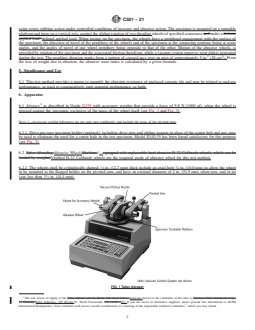
FIG. 1 Taber Abraser
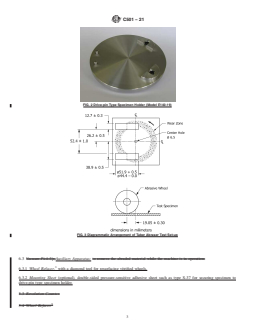
FIG. 2 Drive-pin Type Specimen Holder (Model E140-19)
test specimen. Model E140-19 has been found satisfactory for 7. Sampling
this purpose (see Fig. 2).
7.1 Four tile specimens 4 in. (102 mm) square or larger, or
6.2 Abrasive Wheels —Vitrified H-22 Calibrade wheels are if ceramic mosaic tile, sufficient tile for four specimen assem-
the required grade of abrasive wheel for this test method. blies 4 in. square shall constitute a sample and shall be chosen
6.2.1 The wheels shall be cylindrically shaped; ⁄2 in. fromthelottobetested.Onlytilethatshownovisiblewarpage
(12.7 mm)thickincludeanaxialhole ⁄8 in.(16.0 mm)toallow when checked with a straightedge shall be used.
the wheel to be mounted to the flanged holder on the pivoted
8. Test Specimen
arm; and have an external diameter of 2 in. (51.9 mm) when
new, and in no case less than 1 ⁄4 in. (44.4 mm).
8.1 The test specimen shall be 4 in. (102 mm) square and in
one piece, if possible. If larger, it should be trimmed down to
6.3 Auxiliary Apparatus:
the desired size by removing equal amounts on opposite sides.
6.3.1 Wheel Refacer, with a diamond tool for resurfacing
vitrified wheels.
NOTE 2—In the case of ceramic mosaic tile where several small units
6.3.2 Mounting Sheet (optional), double-sided pressure- must be used to obtain a 4 in. square specimen assembly, the small units
shall be mounted securely on a 4 in. square rigid material, such as a metal
sensitive adhesive sheet such as type S-37 for securing
plate, by means of a suitable adhesive, and in such a manner that open
specimen to drive-pin type specimen holder.
joints are eliminated and the tile surfaces lie in a plane and are parallel to
6.4 Balance, having a sensitivity of 0.05 g. the metal plate. This can best be accomplished by placing the small tile
C501 − 21
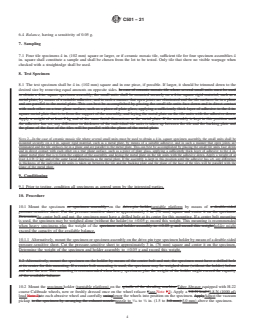
FIG. 3 Diagrammatic Arrangement of Taber Abraser Test Set-up
units face down and in direct contact with each other on a true plane
Apply a 9.8 N (1000 gf) load to each abrasive wheel and
surface, such as a piece of plate glass, applying a sufficiently thick layer
carefully lower the wheels into position on the specimen.
ofadhesivetothe4in.squaremetalplatethatistoformthesupportofthe
1 1
Adjust the vacuum pickup nozzle to ⁄16 t
...
This document is not an ASTM standard and is intended only to provide the user of an ASTM standard an indication of what changes have been made to the previous version. Because
it may not be technically possible to adequately depict all changes accurately, ASTM recommends that users consult prior editions as appropriate. In all cases only the current version
of the standard as published by ASTM is to be considered the official document.
Designation: C501 − 84 (Reapproved 2015) C501 − 21
Standard Test Method for
Relative Resistance to Wear of Unglazed Ceramic Tile by
the Taber Abraser
This standard is issued under the fixed designation C501; the number immediately following the designation indicates the year of
original adoption or, in the case of revision, the year of last revision. A number in parentheses indicates the year of last reapproval. A
superscript epsilon (´) indicates an editorial change since the last revision or reapproval.
1. Scope Scope*
1.1 This test method overscovers the establishment of an abrasive wear index by determination of the loss of weight resulting from
abrasion of unglazed ceramic tile. It is applicable to tile described in Definitions C242. c
1.2 The values stated in inch-pound units are to be regarded as standard. The values given in parentheses are mathematical
conversions to SI units that are provided for information only and are not considered standard.
1.3 This standard does not purport to address all of the safety concerns, if any, associated with its use. It is the responsibility
of the user of this standard to establish appropriate safety safety, health, and healthenvironmental practices and determine the
applicability of regulatory limitations prior to use.
1.4 This international standard was developed in accordance with internationally recognized principles on standardization
established in the Decision on Principles for the Development of International Standards, Guides and Recommendations issued
by the World Trade Organization Technical Barriers to Trade (TBT) Committee.
2. Referenced Documents
2.1 ASTM Standards:
C242 Terminology of Ceramic Whitewares and Related Products
G195 Guide for Conducting Wear Tests Using a Rotary Platform Abraser
2.2 Federal Specification:
SS-T–308b Tile, Floor, Wall, and Trim Units, Ceramic
3. Terminology
3.1 Definitions:
3.1.1 For definitions of terms used in this test method, see Terminology C242.
4. Summary of Test Method
4.1 This test method consists of mounting the tile specimens in suitable holders, attaching the mounted holders to the spindle of
the Taber Abraser, and subjecting the specimens to a prescribed number of revolutions under abrasive A test specimen is abraded
This test method is under the jurisdiction of ASTM Committee C21 on Ceramic Whitewares and Related Products and is the direct responsibility of Subcommittee C21.06
on Ceramic Tile.
Current edition approved Dec. 15, 2015Feb. 1, 2021. Published December 2015March 2021. Originally published asapproved in C501 – 62.1962. Last previous edition
approved in 20092015 as C501 – 84 (2009).(2015). DOI: 10.1520/C0501-84R15.10.1520/C0501-21.
For referenced ASTM standards, visit the ASTM website, www.astm.org, or contact ASTM Customer Service at service@astm.org. For Annual Book of ASTM Standards
volume information, refer to the standard’s Document Summary page on the ASTM website.
*A Summary of Changes section appears at the end of this standard
Copyright © ASTM International, 100 Barr Harbor Drive, PO Box C700, West Conshohocken, PA 19428-2959. United States
C501 − 21
using rotary rubbing action under controlled conditions of pressure and abrasive action. The specimen is mounted on a turntable
platform and turns on a vertical axis, against the sliding rotation of two abrading wheels of specified coarseness and under a definite
applied load. defined applied load. When resting on the specimen, the wheels have a peripheral engagement with the surface of
the specimen, the direction of travel of the periphery of the wheels and of the specimen at the contacting portions being at acute
angles, and the angles of travel of one wheel periphery being opposite to that of the other. Motion of the abrasive wheels, is
provided by rotation of the specimen and the associated friction therefrom, while a vacuum system removes wear debris generated
2 2
during the test. The resulting abrasion marks form a pattern of crossed arcs over an area of approximately 5 in. (30 cm ). From
the loss of weight due to abrasion, the abrasive wear index is calculated by a given formula.
5. Significance and Use
5.1 This test method provides a means to quantify the abrasion resistance of unglazed ceramic tile and may be related to end-use
performance, or used to comparatively rank material performance, or both.
6. Apparatus
6.1 Abraser, as described in Guide G195 with accessory weights that provide a force of 9.8 N (1000 gf), when the wheel is
pressed against the specimen, exclusive of the mass of the wheel itself (see Fig. 1 and Fig. 3).
NOTE 1—Accessory weight references are per arm (not combined), and include the mass of the pivoted arm.
6.1.1 Drive-pin type specimen holder (optional), including drive pins and sliding mounts in place of the center bolt and nut; may
be used to eliminate the need for a center hole in the test specimen. Model E140-19 has been found satisfactory for this purpose
(see Fig. 2).
6.2 Taber Abrading Abrasive WheelsMachine, —equipped with replaceable hard abrasive H-22 Calibrade wheels, which can be
loaded by weights.Vitrified H-22 Calibrade wheels are the required grade of abrasive wheel for this test method.
1 5
6.2.1 The wheels shall be cylindrically shaped; ⁄2 in. (12.7 mm) thick include an axial hole ⁄8 in. (16.0 mm) to allow the wheel
to be mounted to the flanged holder on the pivoted arm; and have an external diameter of 2 in. (51.9 mm) when new, and in no
case less than 1 ⁄4 in. (44.4 mm).
FIG. 1 Taber Abraser
The sole source of supply of the Tabor Abraser and the Model 200 wheel refacer apparatus known to the committee at this time is Teledyne Taber Instrument Corp.,
17 Goundry Taber Industries, 455 Bryant St., North Tonawanda, NY 14150. NY. If you are aware of alternative suppliers, please provide this information to ASTM
International Headquarters. Your comments will receive careful consideration at a meeting of the responsible technical committee, which you may attend.
C501 − 21
FIG. 2 Drive-pin Type Specimen Holder (Model E140-19)
FIG. 3 Diagrammatic Arrangement of Taber Abraser Test Set-up
6.3 Vacuum Pick-Up,Auxiliary Apparatus: to remove the abraded material while the machine is in operation.
6.3.1 Wheel Refacer, with a diamond tool for resurfacing vitrified wheels.
6.3.2 Mounting Sheet (optional), double-sided pressure-sensitive adhesive sheet such as type S-37 for securing specimen to
drive-pin type specimen holder.
5.3 Revolution Counter.
5.4 Wheel Refacer.
C501 − 21
6.4 Balance, having a sensitivity of 0.05 g.
7. Sampling
7.1 Four tile specimens 4 in. (102 mm) square or larger, or if ceramic mosaic tile, sufficient tile for four specimen assemblies 4
in. square shall constitute a sample and shall be chosen from the lot to be tested. Only tile that show no visible warpage when
checked with a straightedge shall be used.
8. Test Specimen
8.1 The test specimen shall be 4 in. (102 mm) square and in one piece, if possible. If larger, it should be trimmed down to the
desired size by removing equal amounts on opposite sides. In case of ceramic mosaic tile where several small units must be used
to obtain a 4-in. square specimen assembly, the small units shall be mounted securely on a 4-in. square rigid material, such as a
metal plate, by means of a suitable adhesive, and in such a manner that open joints are eliminated and the tile surfaces lie in a plane
and are parallel to the metal plate. This can best be accomplished by placing the small tile units face down and in direct contact
with each other on a true plane surface, such as a piece of plate glass, applying a sufficiently thick layer of adhesive to the 4-in.
square metal plate that is to form the support of the assembly, and laying the metal plate on the tile units with the adhesive down.
Apply a weight of at least 2 kg and of the same facial dimensions as the metal plate. If the assembly is kept in this position until
the adhesive has set, any difference in thickness of the individual tile units is taken up between the tile and the backing plate and
the plane of the face of the tiles will be parallel with the plane of the metal plate.
NOTE 2—In the case of ceramic mosaic tile where several small units must be used to obtain a 4 in. square specimen assembly, the small units shall be
mounted securely on a 4 in. square rigid material, such as a metal plate, by means of a suitable adhesive, and in such a manner that open joints are
eliminated and the tile surfaces lie in a plane and are parallel to the metal plate. This can best be accomplished by placing the small tile units face down
and in direct contact with each other on a true plane surface, such as a piece of plate glass, applying a sufficiently thick layer of adhesive to the 4 in.
square metal plate that is to form the support of the assembly, and laying the metal plate on the tile units with the adhesive down. Apply a weight of at
least 4.4 lb (2 kg) and of the same facial dimensions as the metal plate. If the assembly is kept in this position until the adhesive has set, any difference
in thickness of the individual tile units is taken up between the tile and the backing plate and the plane of the face of the tiles will be parallel with the
plane of the metal plate.
9. Conditioning
9.1 Prior to testing, condition all specimens as agreed upon by the i
...
Questions, Comments and Discussion
Ask us and Technical Secretary will try to provide an answer. You can facilitate discussion about the standard in here.
Loading comments...