


ASTM E1495/E1495M-17
(Guide)Standard Guide for Acousto-Ultrasonic Assessment of Composites, Laminates, and Bonded Joints
Standard Guide for Acousto-Ultrasonic Assessment of Composites, Laminates, and Bonded Joints
SIGNIFICANCE AND USE
5.1 General—Conventional ultrasonics should be considered first for the detection of overt flaws such as delaminations in composites. Thereafter, AU should be considered for composites that are proved to be free of major flaws or discontinuities. The AU method is intended almost exclusively for assessing the collective effects of dispersed defects and subcritical flaw populations. These are material aberrations that influence AU measurements and also underlie mechanical property variations, dynamic load response, and impact and fracture resistance.
5.2 Specific Advantages—The AU method can be used to evaluate composite laminate and bond quality using access to only one surface as, for example, the exterior surface of pressure vessels. It is unnecessary to utilize angle beam fixtures because the method can always be applied with probes at normal incidence. The method can be applied using dry coupling with elastomer pads attached to the probes, and there is no need to immerse the examination object in water.
5.3 General Applications—The AU method was devised to assess diffuse discontinuity populations and any associated changes of the mechanical properties of composites and composite-like materials. The AU method has been used to evaluate fiber-reinforced composites (6), composite laminates (7), filament-wound pressure vessels (8), adhesive bonds (9), paper and wood products (10), and cable and rope (11). The method has been shown to be particularly practical for assessing the strength of adhesively bonded joints. It has also been shown to be useful for assessing microporosity (12), micro-cracking (13), hydrothermal aging (14), and damage produced by impacts (15) and fatigue (16).
SCOPE
1.1 This guide explains the rationale and basic technology for the acousto-ultrasonic (AU) method. Guidelines are given for nondestructive evaluation (NDE) of flaws and physical characteristics that influence the mechanical properties and relative strength of composite structures (for example, filament-wound pressure vessels), adhesive bonds (for example, joints between metal plates), and interlaminar and fiber/matrix bonds in man-made composites and natural composites (for example, wood products).
1.2 This guide covers technical details and rules that must be observed to ensure reliable and reproducible quantitative AU assessments of laminates, composites, and bonded structures. The underlying principles, prototype apparatus, instrumentation, standardization, examination methods, and data analysis for such assessments are covered. Limitations of the AU method and guidelines for taking advantage of its capabilities are cited.
1.3 The objective of AU is to assess subtle flaws and associated strength variations in composite structures and bonded joints. Discontinuities such as large voids, disbonds, or extended lack of contact at interfaces can be assessed by other NDE methods such as conventional ultrasonics.
1.4 Additional information may be found in the publications cited in the list of references at the end of this guide. The referenced works provide background on research, applications, and various aspects of signal acquisition, processing, and interpretation.
1.5 Units—The values stated in either SI units or inch-pound units are to be regarded as standard. The values stated in each system may not be exact equivalents; therefore, each system shall be used independently of the other. Combining values from the two systems may result in non-conformance with the standards.
1.6 This standard does not purport to address all of the safety concerns, if any, associated with its use. It is the responsibility of the user of this standard to establish appropriate safety and health practices and determine the applicability of regulatory limitations prior to use.
1.7 This international standard was developed in accordance with internationally recognized principles on standardization established in...
General Information
- Status
- Published
- Publication Date
- 31-May-2017
- Technical Committee
- E07 - Nondestructive Testing
- Drafting Committee
- E07.04 - Acoustic Emission Method
Relations
- Effective Date
- 01-Jun-2017
- Effective Date
- 01-Feb-2024
- Effective Date
- 01-Dec-2019
- Effective Date
- 01-Mar-2019
- Effective Date
- 01-Jan-2018
- Effective Date
- 15-Jun-2017
- Effective Date
- 01-Feb-2017
- Effective Date
- 01-Aug-2016
- Effective Date
- 01-Feb-2016
- Effective Date
- 01-Dec-2015
- Effective Date
- 01-Sep-2015
- Effective Date
- 01-Jun-2014
- Effective Date
- 01-Jun-2014
- Effective Date
- 01-Dec-2013
- Effective Date
- 15-Jun-2013
Overview
ASTM E1495/E1495M-17 is an internationally recognized standard guide that details the acousto-ultrasonic (AU) method for assessing the quality of composites, laminates, and bonded joints. Developed by ASTM, this standard provides comprehensive guidelines for the nondestructive evaluation (NDE) of flaws and physical characteristics in a wide range of composite structures. By leveraging stress wave propagation, the AU method enables the detection and characterization of subtle, dispersed defects and variations in mechanical properties, which may impact structural performance, impact resistance, and long-term reliability.
Key Topics
- Acousto-Ultrasonic (AU) Method: Focuses on stress wave propagation to evaluate subtle defects and changes in composite materials and bonded joints.
- Nondestructive Evaluation (NDE): Provides guidelines for assessing the internal condition of composite structures without causing damage.
- Assessment of Dispersed Defects: AU is particularly suited for identifying subcritical and diffuse flaw populations rather than large, overt defects.
- Single-Surface Access: The method allows for the evaluation of materials where only one surface is accessible, such as the exterior of pressure vessels.
- Dry Coupling Options: AU can be performed with elastomer pads, eliminating the need for immersion or complex angle beam fixtures.
- Quantitative and Reproducible Results: Emphasizes the importance of proper technique, standardized instrumentation, and use of reference materials to ensure reliable outcomes.
Applications
Practical Uses
- Composite Laminates: Assessment of mechanical properties and detection of microcracking or microporosity in fiber-reinforced composites.
- Bonded Joints: Evaluation of adhesive bonds in joints, critical for aerospace, automotive, and civil engineering applications.
- Filament-Wound Pressure Vessels: Verification of material integrity and detection of aging or damage in pressure-retaining components.
- Paper, Wood, and Cable Products: Extended application to natural composites and industrial materials such as wood laminates and fiber ropes.
Industry Benefits
- Quality Assurance: Ensures composite structures and bonded joints meet safety, reliability, and performance criteria.
- Structural Health Monitoring: Supports ongoing maintenance and lifecycle management by detecting localized changes before catastrophic failure occurs.
- Manufacturing Optimization: Identifies process-related flaws, enabling manufacturers to refine fabrication techniques and improve product consistency.
- Cost Reduction: Identifies subtle defects early, potentially reducing costly field failures, rework, or downtime.
Related Standards
Organizations and standards referenced in ASTM E1495/E1495M-17 provide context and support for personnel qualification, agency evaluation, and technical terminology:
- ASTM E543: Specification for Agencies Performing Nondestructive Testing
- ASTM E1316: Terminology for Nondestructive Examinations
- ANSI/ASNT CP-189: Standard for Qualification and Certification of Nondestructive Testing Personnel
- SNT-TC-1A: Recommended Practice for Personnel Qualifications and Certification in Nondestructive Testing
- NAS-410: Certification and Qualification of Nondestructive Testing Personnel (Aerospace)
- ISO 9712: Non-Destructive Testing–Qualification and Certification of NDT Personnel
Summary
ASTM E1495/E1495M-17 is an essential standard for the acousto-ultrasonic assessment of composites, laminates, and bonded joints, offering a robust framework for nondestructive evaluation. By focusing on the detection of subtle, dispersed defects and strength variations, the AU method drives improved reliability and safety in composite materials across various industries. Adherence to this standard, together with related personnel and agency qualifications, enhances the credibility and reproducibility of composite material assessments and supports global best practices in nondestructive testing.
Buy Documents
ASTM E1495/E1495M-17 - Standard Guide for Acousto-Ultrasonic Assessment of Composites, Laminates, and Bonded Joints
REDLINE ASTM E1495/E1495M-17 - Standard Guide for Acousto-Ultrasonic Assessment of Composites, Laminates, and Bonded Joints
Get Certified
Connect with accredited certification bodies for this standard

Smithers Quality Assessments
US management systems and product certification.

DIN CERTCO
DIN Group product certification.
IMP NDT d.o.o.
Non-destructive testing services. Radiography, ultrasonic, magnetic particle, penetrant, visual inspection.
Sponsored listings
Frequently Asked Questions
ASTM E1495/E1495M-17 is a guide published by ASTM International. Its full title is "Standard Guide for Acousto-Ultrasonic Assessment of Composites, Laminates, and Bonded Joints". This standard covers: SIGNIFICANCE AND USE 5.1 General—Conventional ultrasonics should be considered first for the detection of overt flaws such as delaminations in composites. Thereafter, AU should be considered for composites that are proved to be free of major flaws or discontinuities. The AU method is intended almost exclusively for assessing the collective effects of dispersed defects and subcritical flaw populations. These are material aberrations that influence AU measurements and also underlie mechanical property variations, dynamic load response, and impact and fracture resistance. 5.2 Specific Advantages—The AU method can be used to evaluate composite laminate and bond quality using access to only one surface as, for example, the exterior surface of pressure vessels. It is unnecessary to utilize angle beam fixtures because the method can always be applied with probes at normal incidence. The method can be applied using dry coupling with elastomer pads attached to the probes, and there is no need to immerse the examination object in water. 5.3 General Applications—The AU method was devised to assess diffuse discontinuity populations and any associated changes of the mechanical properties of composites and composite-like materials. The AU method has been used to evaluate fiber-reinforced composites (6), composite laminates (7), filament-wound pressure vessels (8), adhesive bonds (9), paper and wood products (10), and cable and rope (11). The method has been shown to be particularly practical for assessing the strength of adhesively bonded joints. It has also been shown to be useful for assessing microporosity (12), micro-cracking (13), hydrothermal aging (14), and damage produced by impacts (15) and fatigue (16). SCOPE 1.1 This guide explains the rationale and basic technology for the acousto-ultrasonic (AU) method. Guidelines are given for nondestructive evaluation (NDE) of flaws and physical characteristics that influence the mechanical properties and relative strength of composite structures (for example, filament-wound pressure vessels), adhesive bonds (for example, joints between metal plates), and interlaminar and fiber/matrix bonds in man-made composites and natural composites (for example, wood products). 1.2 This guide covers technical details and rules that must be observed to ensure reliable and reproducible quantitative AU assessments of laminates, composites, and bonded structures. The underlying principles, prototype apparatus, instrumentation, standardization, examination methods, and data analysis for such assessments are covered. Limitations of the AU method and guidelines for taking advantage of its capabilities are cited. 1.3 The objective of AU is to assess subtle flaws and associated strength variations in composite structures and bonded joints. Discontinuities such as large voids, disbonds, or extended lack of contact at interfaces can be assessed by other NDE methods such as conventional ultrasonics. 1.4 Additional information may be found in the publications cited in the list of references at the end of this guide. The referenced works provide background on research, applications, and various aspects of signal acquisition, processing, and interpretation. 1.5 Units—The values stated in either SI units or inch-pound units are to be regarded as standard. The values stated in each system may not be exact equivalents; therefore, each system shall be used independently of the other. Combining values from the two systems may result in non-conformance with the standards. 1.6 This standard does not purport to address all of the safety concerns, if any, associated with its use. It is the responsibility of the user of this standard to establish appropriate safety and health practices and determine the applicability of regulatory limitations prior to use. 1.7 This international standard was developed in accordance with internationally recognized principles on standardization established in...
SIGNIFICANCE AND USE 5.1 General—Conventional ultrasonics should be considered first for the detection of overt flaws such as delaminations in composites. Thereafter, AU should be considered for composites that are proved to be free of major flaws or discontinuities. The AU method is intended almost exclusively for assessing the collective effects of dispersed defects and subcritical flaw populations. These are material aberrations that influence AU measurements and also underlie mechanical property variations, dynamic load response, and impact and fracture resistance. 5.2 Specific Advantages—The AU method can be used to evaluate composite laminate and bond quality using access to only one surface as, for example, the exterior surface of pressure vessels. It is unnecessary to utilize angle beam fixtures because the method can always be applied with probes at normal incidence. The method can be applied using dry coupling with elastomer pads attached to the probes, and there is no need to immerse the examination object in water. 5.3 General Applications—The AU method was devised to assess diffuse discontinuity populations and any associated changes of the mechanical properties of composites and composite-like materials. The AU method has been used to evaluate fiber-reinforced composites (6), composite laminates (7), filament-wound pressure vessels (8), adhesive bonds (9), paper and wood products (10), and cable and rope (11). The method has been shown to be particularly practical for assessing the strength of adhesively bonded joints. It has also been shown to be useful for assessing microporosity (12), micro-cracking (13), hydrothermal aging (14), and damage produced by impacts (15) and fatigue (16). SCOPE 1.1 This guide explains the rationale and basic technology for the acousto-ultrasonic (AU) method. Guidelines are given for nondestructive evaluation (NDE) of flaws and physical characteristics that influence the mechanical properties and relative strength of composite structures (for example, filament-wound pressure vessels), adhesive bonds (for example, joints between metal plates), and interlaminar and fiber/matrix bonds in man-made composites and natural composites (for example, wood products). 1.2 This guide covers technical details and rules that must be observed to ensure reliable and reproducible quantitative AU assessments of laminates, composites, and bonded structures. The underlying principles, prototype apparatus, instrumentation, standardization, examination methods, and data analysis for such assessments are covered. Limitations of the AU method and guidelines for taking advantage of its capabilities are cited. 1.3 The objective of AU is to assess subtle flaws and associated strength variations in composite structures and bonded joints. Discontinuities such as large voids, disbonds, or extended lack of contact at interfaces can be assessed by other NDE methods such as conventional ultrasonics. 1.4 Additional information may be found in the publications cited in the list of references at the end of this guide. The referenced works provide background on research, applications, and various aspects of signal acquisition, processing, and interpretation. 1.5 Units—The values stated in either SI units or inch-pound units are to be regarded as standard. The values stated in each system may not be exact equivalents; therefore, each system shall be used independently of the other. Combining values from the two systems may result in non-conformance with the standards. 1.6 This standard does not purport to address all of the safety concerns, if any, associated with its use. It is the responsibility of the user of this standard to establish appropriate safety and health practices and determine the applicability of regulatory limitations prior to use. 1.7 This international standard was developed in accordance with internationally recognized principles on standardization established in...
ASTM E1495/E1495M-17 is classified under the following ICS (International Classification for Standards) categories: 19.100 - Non-destructive testing; 83.180 - Adhesives. The ICS classification helps identify the subject area and facilitates finding related standards.
ASTM E1495/E1495M-17 has the following relationships with other standards: It is inter standard links to ASTM E1495/E1495M-12, ASTM E1316-24, ASTM E1316-19b, ASTM E1316-19, ASTM E1316-18, ASTM E1316-17a, ASTM E1316-17, ASTM E1316-16a, ASTM E1316-16, ASTM E1316-15a, ASTM E1316-15, ASTM E1316-14e1, ASTM E1316-14, ASTM E1316-13d, ASTM E1316-13c. Understanding these relationships helps ensure you are using the most current and applicable version of the standard.
ASTM E1495/E1495M-17 is available in PDF format for immediate download after purchase. The document can be added to your cart and obtained through the secure checkout process. Digital delivery ensures instant access to the complete standard document.
Standards Content (Sample)
This international standard was developed in accordance with internationally recognized principles on standardization established in the Decision on Principles for the
Development of International Standards, Guides and Recommendations issued by the World Trade Organization Technical Barriers to Trade (TBT) Committee.
Designation: E1495/E1495M − 17
Standard Guide for
Acousto-Ultrasonic Assessment of Composites, Laminates,
and Bonded Joints
ThisstandardisissuedunderthefixeddesignationE1495/E1495M;thenumberimmediatelyfollowingthedesignationindicatestheyear
of original adoption or, in the case of revision, the year of last revision. A number in parentheses indicates the year of last reapproval.
A superscript epsilon (´) indicates an editorial change since the last revision or reapproval.
1. Scope* 1.6 This standard does not purport to address all of the
safety concerns, if any, associated with its use. It is the
1.1 This guide explains the rationale and basic technology
responsibility of the user of this standard to establish appro-
for the acousto-ultrasonic (AU) method. Guidelines are given
priate safety and health practices and determine the applica-
for nondestructive evaluation (NDE) of flaws and physical
bility of regulatory limitations prior to use.
characteristics that influence the mechanical properties and
1.7 This international standard was developed in accor-
relative strength of composite structures (for example,
dance with internationally recognized principles on standard-
filament-wound pressure vessels), adhesive bonds (for
ization established in the Decision on Principles for the
example, joints between metal plates), and interlaminar and
Development of International Standards, Guides and Recom-
fiber/matrix bonds in man-made composites and natural com-
mendations issued by the World Trade Organization Technical
posites (for example, wood products).
Barriers to Trade (TBT) Committee.
1.2 This guide covers technical details and rules that must
be observed to ensure reliable and reproducible quantitative
2. Referenced Documents
AU assessments of laminates, composites, and bonded struc-
2.1 ASTM Standards:
tures. The underlying principles, prototype apparatus,
E543 Specification forAgencies Performing Nondestructive
instrumentation, standardization, examination methods, and
Testing
data analysis for such assessments are covered. Limitations of
E1316 Terminology for Nondestructive Examinations
the AU method and guidelines for taking advantage of its
2.2 ASNT Standard:
capabilities are cited.
ANSI/ASNT CP-189 Standard for Qualification and Certifi-
1.3 The objective of AU is to assess subtle flaws and
cation of Nondestructive Testing Personnel
associated strength variations in composite structures and
SNT-TC-1A Recommended Practice for Personnel Qualifi-
bonded joints. Discontinuities such as large voids, disbonds, or
cations and Certification in Nondestructive Testing
extended lack of contact at interfaces can be assessed by other
2.3 AIA Document:
NDE methods such as conventional ultrasonics.
NAS-410 Certification and Qualification of Nondestructive
1.4 Additionalinformationmaybefoundinthepublications Testing Personnel
cited in the list of references at the end of this guide. The
2.4 ISO Standard:
referenced works provide background on research,
ISO 9712 Non-Destructive Testing: Qualification and Certi-
applications, and various aspects of signal acquisition,
fication of NDT Personnel
processing, and interpretation.
3. Terminology
1.5 Units—The values stated in either SI units or inch-
3.1 Definitions:
pound units are to be regarded as standard.The values stated in
each system may not be exact equivalents; therefore, each
system shall be used independently of the other. Combining
For referenced ASTM standards, visit the ASTM website, www.astm.org, or
values from the two systems may result in non-conformance
contact ASTM Customer Service at service@astm.org. For Annual Book of ASTM
with the standards.
Standards volume information, refer to the standard’s Document Summary page on
the ASTM website.
AvailablefromAmericanSocietyforNondestructiveTesting(ASNT),P.O.Box
28518, 1711 Arlingate Ln., Columbus, OH 43228-0518, http://www.asnt.org.
1 4
This guide is under the jurisdiction of ASTM Committee E07 on Nondestruc- Available fromAerospace IndustriesAssociation ofAmerica, Inc. (AIA), 1000
tive Testing and is the direct responsibility of Subcommittee E07.04 on Acoustic WilsonBlvd.,Suite1700,Arlington,VA22209-3928,http://www.aia-aerospace.org.
Emission Method.
Current edition approved June 1, 2017. Published June 2017. Originally Available from International Organization for Standardization (ISO), ISO
approved in 1992. Last previous edition approved in 2012 as E1495 - 12. DOI: Central Secretariat, BIBC II, Chemin de Blandonnet 8, CP 401, 1214 Vernier,
10.1520/E1495-17. Geneva, Switzerland, http://www.iso.org.
*A Summary of Changes section appears at the end of this standard
Copyright © ASTM International, 100 Barr Harbor Drive, PO Box C700, West Conshohocken, PA 19428-2959. United States
E1495/E1495M − 17
3.1.1 acousto-ultrasonics (AU)—a nondestructive examina- load directions in fiber-reinforced laminates or adhesively
tion method that uses induced stress waves to detect and assess bonded joints (that is, properties such as interlaminar shear
the diffuse defect states, damage conditions, and variations of strength and adhesive bond strength).
mechanical properties of an examination structure. The AU
4.5 Signal Collection Criterion—With the AU method, in-
method combines aspects of acoustic emission (AE) signal
stead of singling out specific echoes, all of the multiple
analysis with ultrasonic materials characterization methods
reverberations, including signals from internal reflectors and
(Terminology E1316).
scatterers, are collected and analyzed together. Even with
3.1.2 Additional related definitions may be found in Termi- pulse-echo or through-transmission configurations, all stress
nology E1316. wave reflections and reverberations in a local volume of
3.2 Definitions of Terms Specific to This Standard: material are collected and evaluated, as in backscatter,
3.2.1 stress wave factor (SWF)—a generic measure of the forward-scatter, and diffuse field analysis.
relative energy loss (attenuation) or propagation efficiency of
4.6 Wavelength Criterion—In composite panels or bonded
stress waves generated by the AU method. There are many
plates, the sender should produce wavelengths that are com-
ways to define and calculate the SWF. Several of these are
parable to or less than the panel or plate thickness. Suitable
described in Section 11 of this guide.
wavelengths are those passed by the examination piece at
frequencies equal to or greater than the sending probe center
4. Summary of Guide
frequencies.
4.1 General—Two probes are attached to a sample in a
send-receive configuration. One (a pulsed sending probe) is
5. Significance and Use
optimized for wave generation, while the other (a receiving
5.1 General—Conventional ultrasonics should be consid-
probe) is optimized for signal sensing. The probes are attached
ered first for the detection of overt flaws such as delaminations
to the sample surface at normal incidence.The usual, and often
in composites. Thereafter, AU should be considered for com-
most practical, configuration has piezoelectric probes, a sender
posites that are proved to be free of major flaws or disconti-
and receiver, on the same side of the examination part (1).
nuities. The AU method is intended almost exclusively for
Measurements are performed by allowing ultrasonic stress
assessing the collective effects of dispersed defects and sub-
waves to interact with a volume of material between the
critical flaw populations. These are material aberrations that
probes. The waves are modified by the material microstructure
influence AU measurements and also underlie mechanical
and morphology (2).
property variations, dynamic load response, and impact and
4.2 Principle—The AU method measures the relative effi-
fracture resistance.
ciency of stress wave propagation in a material. The dominant
5.2 Specific Advantages—The AU method can be used to
attribute measured is stress wave attenuation. Lower
evaluate composite laminate and bond quality using access to
attenuation, a high SWF value, means better stress wave
only one surface as, for example, the exterior surface of
energy transmission for many composites and, therefore, better
pressurevessels.Itisunnecessarytoutilizeanglebeamfixtures
transmission and redistribution of dynamic strain energy. More
because the method can always be applied with probes at
efficient strain energy transfer and strain redistribution during
normal incidence. The method can be applied using dry
loading or impact corresponds to increased strength and
coupling with elastomer pads attached to the probes, and there
fracture resistance in composite structures and adhesive bonds.
is no need to immerse the examination object in water.
A lower SWF usually indicates regions in which strain energy
5.3 General Applications—The AU method was devised to
is likely to concentrate and result in crack growth and fracture
assess diffuse discontinuity populations and any associated
(3).
changes of the mechanical properties of composites and
4.3 Structure Configuration Effects—In monolithic plates
composite-like materials. The AU method has been used to
andhomogeneouscompositeslabs,theSWFwillexhibitsignal
evaluate fiber-reinforced composites (6), composite laminates
attenuation effects due to variations in microstructure,
(7), filament-wound pressure vessels (8), adhesive bonds (9),
morphology, porosity, cure state, microcrack populations, etc.
paper and wood products (10), and cable and rope (11). The
(4). A lower SWF typically corresponds to regions of higher
method has been shown to be particularly practical for assess-
attenuation. In laminated structures or bonded joints, however,
ing the strength of adhesively bonded joints. It has also been
interfaces and bondlines can produce either lower or higher
shown to be useful for assessing microporosity (12), micro-
SWF values, depending on the bond quality (5). Delaminated
cracking (13), hydrothermal aging (14), and damage produced
regions can produce higher SWF values because more energy
by impacts (15) and fatigue (16).
is reflected or channeled to the receiving probe.
4.4 In-Plane Measurements—Offsetting probes enables the 6. Basis of Application
collection of stress wave reverberations that have traveled
6.1 Personnel Qualification
in-plane from sender to receiver. It is therefore possible to
6.1.1 If specified in the contractual agreement, personnel
measure in-plane, mechanical property variations in principal
performing examinations to this standard shall be qualified in
accordance with a nationally recognized NDT personnel quali-
fication practice or standard such as ANSI/ASNT CP-189,
The boldface numbers in parentheses refer to the list of references at the end of
this guide. SNT-TC-1A, NAS-410, ISO 9712 , or a similar document and
E1495/E1495M − 17
certified by the employer or certifying agency, as applicable. 8.2 Stress Wave Factor Normalization—Regardless of how
The practice or standard used and its applicable revision shall the SWF is defined, it is practical to normalize it relative to
be identified in the contractual agreement between the using some standard value, for example, the maximum value found
parties. for the optimum condition of a representative material sample
or structure. This is appropriate where many nominally iden-
6.2 Qualification of Nondestructive Agencies
tical articles will be examined.
6.2.1 If specified in the contractual agreement, NDT agen-
cies shall be qualified and evaluated as described in Practice 8.3 Reference Standards—Normalization of the SWF is the
E543. The applicable edition of Practice E543 shall be speci- first step toward establishing a reference standard. The second
fied in the contractual agreement. step is to fabricate a set of samples exhibiting the full range of
expected material conditions and flaw states. One of these
6.3 Proper application of the AU method requires the
samples should represent the optimum condition of the mate-
involvement of an NDE specialist to plan and guide the
rial. This procedure should be followed by the development of
examination procedure. Knowledge of the principles of ultra-
benchmark structures that can be used as comparative stan-
sonic examination is required. Personnel applying AU should
dards.
be experienced practitioners of conventional ultrasonic and
acoustic emission examination and associated methods for
9. System Configuration
signal acquisition, processing, and interpretation.
9.1 Standard Configuration—Four possible AU probe con-
6.4 Particular emphasis should be placed on personnel
figurations are shown in Fig. 1. With the probes on the same
having proficiency in computer signal processing and the use
side of a panel, examination proceeds by holding the probes in
of digital methods for time and frequency domain signal
afixtureandmovingthemasaunittocovertheexaminedarea.
analysis. Familiarity with ultrasonic spectrum analysis using
For zero offset between probes, the configuration reduces to
digital Fourier transforms is mandatory. Spectral distribution,
either the pulse-echo or through-transmission mode, as shown
multiple regression, and pattern recognition analyses and
in Fig. 1 (b) and (d) respectively. The prototype apparatus
adaptive learning procedures are important.
depicted in Fig. 2 illustrates the essential features of a standard
6.5 Application of theAU method also requires proficiency
configuration.
in developing and designing reference standards. The develop-
9.2 Probes—Two classes of piezoelectric probes are appro-
ment of reference standards is needed for each type of material
priate: (1) resonant and non-resonant AE sensors, and (2)
and configuration to be examined. Because AU measurements
damped broadband ultrasonic probes. Resonant AE sensors
are relative and comparative, experimental examinations con-
have more sensitivity, but the signals transmitted by the test
firmedbydestructivetestingareneededtoavoidambiguitiesin
piece may be of sufficient strength such that sensitivity is not a
the interpretation of results.
problem. One reason for avoiding resonant sensors is that they
have ringdown characteristics that may be difficult to separate
7. Limitations
from the multiple reflections transmitted by the examination
7.1 General—The AU method possesses the limitations
sample.
common to all ultrasonic methods that attempt to measure
9.2.1 Probe Bandwidth—Non-resonant AE sensors have a
either absolute or relative attenuation. When instrument set-
flatter frequency response curve than resonant sensors. This
tings and probe configurations are optimized for AU, they are
response characteristic should be exploited in AU because it
unsuitable for conventional ultrasonic flaw detection.
would render a truer signal over a wider bandwidth. Another
7.2 Signal Reproducibility Factors—TheAU results may be
approach is to use the bandwidth response of damped broad-
affected adversely by the following factors: (1) improper
band ultrasonic probes. Good results can be obtained with
selection of type and amount of couplant, (2) couplant thick-
broadband ultrasonic probes working as both senders and
ness variations and bubbles, (3) specimen surface roughness receivers. For many fiber-reinforced composites, broadband
and texture, (4) probe misalignment and insufficient pressure,
probe pairs with center frequencies ranging from 0.5 to 5 MHz
(5) probe resonances and insufficient damping, and (6) insuf- prove useful, for example, send-receive pairs of 2.25 MHz
ficient instrument bandwidth.
damped probes. Broadband commercial piezoelectric probes
will produce satisfactory AU results for many composite
8. Standardization
structures.
8.1 Self-Standardization—The sender and receiver probes 9.2.2 Probe Combinations—Combinations of damped
can be used to verify each other. Deficiencies in the instrumen- broadband ultrasonic and AE sensors can be used. The choice
tation and probe response become evident by comparing the depends on the nature of the material being examined. The
results with the standard waveforms established previously for material may require the use of a broadband ultrasonic sender
areferenceitem.CommercialultrasonicprobesandAEsensors and a resonant AE sensor as receiver. A broadband sender
respond to deformation (stress) waves in a complex fashion would cover frequencies potentially passed by the examination
that involves both normal and in-plane displacements of the sample, while the receiving sensor would be tuned to a
examination sample surface. Although it is possible to stan- particular frequency determined to be the most appropriate for
dardize such probes in an absolute sense, even sensors of the assessing a particular property.
same design and specification should be treated as unique and 9.2.3 Probe Facing—To improve coupling, it is useful to
definitely noninterchangeable. machine the epoxy face or wearplate of the probes so that the
E1495/E1495M − 17
FIG. 1 Four Possible AU Probe Configurations
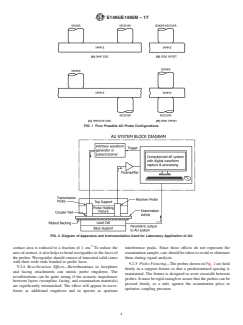
FIG. 2 Diagram of Apparatus and Instrumentation Used for Laboratory Application of AU
contact area is reduced to a fraction of 1 cm. To reduce the interference peaks. Since these effects do not represent the
area of contact, it also helps to bond waveguides to the faces of examination sample, care should be taken to avoid or eliminate
the probes.Waveguides should consist of truncated solid cones
them during signal analysis.
with their wide ends bonded to probe faces.
9.2.5 Probe Fixturing—The probes shown in Fig. 2 are held
9.2.4 Reverberation Effects—Reverberations in faceplates
firmly in a support fixture so that a predetermined spacing is
and facing attachments can mimic probe ringdown. The
maintained. The fixture is designed to avert crosstalk between
reverberations can be quite strong if the acoustic impedances
probes. It must be rigid enough to assure that the probes can be
between layers (wearplate, facing, and examination materials)
pressed firmly, as a unit, against the examination piece to
are significantly mismatched. The effect will appear in wave-
optimize coupling pressure.
forms as additional ringdown and in spectra as spurious
E1495/E1495M − 17
9.2.6 Probe Spacing—Probe spacing is determined by the examination setup, and execution can alter results. This paral-
following factors: (1) wave attenuation within the examination lels the situation in AE examination, in which material and
sample, (2) probe bandwidth and sensitivity, (3) sample thick- examination condition variations can have pronounced effects.
ness and shape, (4) diameter of the probes, and (5) spatial
9.4.1 Surface Roughness—Composites may have rough or
resolution required in the scan images. Because the objective
textured surfaces (as in autoclaved and filament-wound struc-
ofAUisnotthegenerationofhigh-resolutionimagesofminute
tures). Superficial factors can imprint on the received signal.
flaws, probe spacing may be quite large, typically several
Substrate variations can obscure the effects of volume varia-
centimeters from probe centerline to centerline. The objective
tions. Overcoming these surface and substrate effects may
shouldbetointerrogatearepresentativevolumeofmaterialfor
require trials with various frequency bandpasses to isolate and
a given probe spacing.
eliminate these variables.
9.2.7 Probe Alignment—The AU method should be accom-
9.4.2 Sample Support—In the laboratory setup shown in
plished with probes at normal incidence because the method is
Fig. 2, the examination article is clamped between the probes
particularly sensitive to probe alignment and associated cou-
and a backing consisting of a ribbed, hard, rubber pad. Ribs
pling variations. There is no need for oblique angle probes. In
minimize contact and substantially reduce the leakage of
conventionalultrasonics,thechiefreasonforobliqueincidence
ultrasonic energy from the back surface. This prevents any
is to produce shear waves. Shear waves will arise naturally
short circuiting of the examination piece through the backing
with the AU approach due to beam spread and mode conver-
support. Special backing may not be necessary in field
sions of reflected waves.
applications, but the examination article must be held in
9.3 Coupling Methods—When a fluid medium is used for
fixturing that assures firm and precise probe contact.
coupling probes to a surface, a gel type is preferred. A fluid
9.4.3 Sample Geometry Effects—Sample geometry effects
couplant should (1) provide good acoustic coupling over the
will be more significant for small examination articles. Even
desired frequency range, (2) be chemically inert, (3) be easy to
for large composite structures, cross-section changes or edges
remove, (4) be consistent from batch to batch, and (5) maintain
near the probes will affect signals reaching the receiver.
consistent properties during the period and at the temperatures
Uniform size, shape, and thickness measurements shared by
used.
the examination articles help ensure that the signals truly
9.3.1 Couplant Application—Particular attention should be
characterize material anomalies. The AU method requires
paid to the application of fluid couplant to probes. Control
constant material thickness and uniformity for comparative
should be exercised over the following factors: (1) amount of
measurements.
couplant applied, (2) avoidance of air bubbles, (3) assurance of
9.5 Mapping and Scanning—The mapping of material
a thin and uniform film, and (4) avoidance of excess couplant.
variations requires scanning by lifting and recoupling the
The amount of couplant should not be such that it overflows at
probes or using rolling probes. Water jet methods can scan
the edge of the probe face, thereby absorbing energy and
large areas and curved surfaces readily.
altering results.
9.3.2 Coupling Pressure—Laboratory experiments have
9.5.1 Mapping Methods—Single AU measurements on an
shown that an optimum coupling pressure exists. When the
examination sample should not be relied on. It is advisable to
pressure applied to the probes is small, the received signal will
make a number of overlapping measurements to characterize
also be
...
This document is not an ASTM standard and is intended only to provide the user of an ASTM standard an indication of what changes have been made to the previous version. Because
it may not be technically possible to adequately depict all changes accurately, ASTM recommends that users consult prior editions as appropriate. In all cases only the current version
of the standard as published by ASTM is to be considered the official document.
Designation: E1495/E1495M − 12 E1495/E1495M − 17
Standard Guide for
Acousto-Ultrasonic Assessment of Composites, Laminates,
and Bonded Joints
This standard is issued under the fixed designation E1495/E1495M; the number immediately following the designation indicates the year
of original adoption or, in the case of revision, the year of last revision. A number in parentheses indicates the year of last reapproval.
A superscript epsilon (´) indicates an editorial change since the last revision or reapproval.
1. Scope*
1.1 This guide explains the rationale and basic technology for the acousto-ultrasonic (AU) method. Guidelines are given for
nondestructive evaluation (NDE) of flaws and physical characteristics that influence the mechanical properties and relative strength
of composite structures (for example, filament-wound pressure vessels), adhesive bonds (for example, joints between metal plates),
and interlaminar and fiber/matrix bonds in man-made composites and natural composites (for example, wood products).
1.2 This guide covers technical details and rules that must be observed to ensure reliable and reproducible quantitative AU
assessments of laminates, composites, and bonded structures. The underlying principles, prototype apparatus, instrumentation,
standardization, examination methods, and data analysis for such assessments are covered. Limitations of the AU method and
guidelines for taking advantage of its capabilities are cited.
1.3 The objective of AU is to assess subtle flaws and associated strength variations in composite structures and bonded joints.
Discontinuities such as large voids, disbonds, or extended lack of contact at interfaces can be assessed by other NDE methods such
as conventional ultrasonics.
1.4 Additional information may be found in the publications cited in the list of references at the end of this guide. The referenced
works provide background on research, applications, and various aspects of signal acquisition, processing, and interpretation.
1.5 Units—The values stated in either SI units or inch-pound units are to be regarded as standard. The values stated in each
system may not be exact equivalents; therefore, each system shall be used independently of the other. Combining values from the
two systems may result in non-conformance with the standards.
1.6 This standard does not purport to address all of the safety concerns, if any, associated with its use. It is the responsibility
of the user of this standard to establish appropriate safety and health practices and determine the applicability of regulatory
limitations prior to use.
1.7 This international standard was developed in accordance with internationally recognized principles on standardization
established in the Decision on Principles for the Development of International Standards, Guides and Recommendations issued
by the World Trade Organization Technical Barriers to Trade (TBT) Committee.
2. Referenced Documents
2.1 ASTM Standards:
E543 Specification for Agencies Performing Nondestructive Testing
E1316 Terminology for Nondestructive Examinations
2.2 ASNT Standard:
ANSI/ASNT CP-189 Standard for Qualification and Certification of Nondestructive Testing Personnel
SNT-TC-1A Recommended PracticemPractice for Personnel Qualifications and Certification in Nondestructive Testing
2.3 AIA Document:
NAS-410 Certification and Qualification of Nondestructive Testing Personnel
This guide is under the jurisdiction of ASTM Committee E07 on Nondestructive Testing and is the direct responsibility of Subcommittee E07.04 on Acoustic Emission
Method.
Current edition approved June 15, 2012June 1, 2017. Published July 2012June 2017. Originally approved in 1992. Last previous edition approved in 20072012 as
E1495 - 02 (2007).E1495 - 12. DOI: 10.1520/E1495-12.10.1520/E1495-17.
For referenced ASTM standards, visit the ASTM website, www.astm.org, or contact ASTM Customer Service at service@astm.org. For Annual Book of ASTM Standards
volume information, refer to the standard’s Document Summary page on the ASTM website.
Available from American Society for Nondestructive Testing (ASNT), P.O. Box 28518, 1711 Arlingate Ln., Columbus, OH 43228-0518, http://www.asnt.org.
Available from Aerospace Industries Association of America, Inc. (AIA), 1000 Wilson Blvd., Suite 1700, Arlington, VA 22209-3928, http://www.aia-aerospace.org.
*A Summary of Changes section appears at the end of this standard
Copyright © ASTM International, 100 Barr Harbor Drive, PO Box C700, West Conshohocken, PA 19428-2959. United States
E1495/E1495M − 17
2.4 ISO Standard:
ISO 9712 Non-Destructive Testing: Qualification and Certification of NDT Personnel
3. Terminology
3.1 Definitions:
3.1.1 acousto-ultrasonics (AU)—a nondestructive examination method that uses induced stress waves to detect and assess the
diffuse defect states, damage conditions, and variations of mechanical properties of an examination structure. The AU method
combines aspects of acoustic emission (AE) signal analysis with ultrasonic materials characterization methods (Terminology
E1316).
3.1.2 Additional related definitions may be found in Terminology E1316.
3.2 Definitions of Terms Specific to This Standard:
3.2.1 stress wave factor (SWF)—a generic measure of the relative energy loss (attenuation) or propagation efficiency of stress
waves generated by the AU method. There are many ways to define and calculate the SWF. Several of these are described in
Section 11 of this guide.
4. Summary of Guide
4.1 General—Two probes are attached to a sample in a send-receive configuration. One (a pulsed sending probe) is optimized
for wave generation, while the other (a receiving probe) is optimized for signal sensing. The probes are attached to the sample
surface at normal incidence. The usual, and often most practical, configuration has piezoelectric probes, a sender and receiver, on
the same side of the examination part (1). Measurements are performed by allowing ultrasonic stress waves to interact with a
volume of material between the probes. The waves are modified by the material microstructure and morphology (2).
4.2 Principle—The AU method measures the relative efficiency of stress wave propagation in a material. The dominant attribute
measured is stress wave attenuation. Lower attenuation, a high SWF value, means better stress wave energy transmission for many
composites and, therefore, better transmission and redistribution of dynamic strain energy. More efficient strain energy transfer and
strain redistribution during loading or impact corresponds to increased strength and fracture resistance in composite structures and
adhesive bonds. A lower SWF usually indicates regions in which strain energy is likely to concentrate and result in crack growth
and fracture (3).
4.3 Structure Configuration Effects—In monolithic plates and homogeneous composite slabs, the SWF will exhibit signal
attenuation effects due to variations in microstructure, morphology, porosity, cure state, microcrack populations, etc. (4). A lower
SWF typically corresponds to regions of higher attenuation. In laminated structures or bonded joints, however, interfaces and
bondlines can produce either lower or higher SWF values, depending on the bond quality (5). Delaminated regions can produce
higher SWF values because more energy is reflected or channeled to the receiving probe.
4.4 In-Plane Measurements—Offsetting probes enables the collection of stress wave reverberations that have traveled in-plane
from sender to receiver. It is therefore possible to measure in-plane, mechanical property variations in principal load directions in
fiber-reinforced laminates or adhesively bonded joints (that is, properties such as interlaminar shear strength and adhesive bond
strength).
4.5 Signal Collection Criterion—With the AU method, instead of singling out specific echoes, all of the multiple reverberations,
including signals from internal reflectors and scatterers, are collected and analyzed together. Even with pulse-echo or
through-transmission configurations, all stress wave reflections and reverberations in a local volume of material are collected and
evaluated, as in backscatter, forward-scatter, and diffuse field analysis.
4.6 Wavelength Criterion—In composite panels or bonded plates, the sender should produce wavelengths that are comparable
to or less than the panel or plate thickness. Suitable wavelengths are those passed by the examination piece at frequencies equal
to or greater than the sending probe center frequencies.
5. Significance and Use
5.1 General—Conventional ultrasonics should be considered first for the detection of overt flaws such as delaminations in
composites. Thereafter, AU should be considered for composites that are proved to be free of major flaws or discontinuities. The
AU method is intended almost exclusively for assessing the collective effects of dispersed defects and subcritical flaw populations.
These are material aberrations that influence AU measurements and also underlie mechanical property variations, dynamic load
response, and impact and fracture resistance.
5.2 Specific Advantages—The AU method can be used to evaluate composite laminate and bond quality using access to only
one surface as, for example, the exterior surface of pressure vessels. It is unnecessary to utilize angle beam fixtures because the
Available from International Organization for Standardization (ISO), ISO Central Secretariat, BIBC II, Chemin de Blandonnet 8, CP 401, 1214 Vernier, Geneva,
Switzerland, http://www.iso.org.
The boldface numbers in parentheses refer to the list of references at the end of this guide.
E1495/E1495M − 17
method can always be applied with probes at normal incidence. The method can be applied using dry coupling with elastomer pads
attached to the probes, and there is no need to immerse the examination object in water.
5.3 General Applications—The AU method was devised to assess diffuse discontinuity populations and any associated changes
of the mechanical properties of composites and composite-like materials. The AU method has been used to evaluate
fiber-reinforced composites (6), composite laminates (7), filament-wound pressure vessels (8), adhesive bonds (9), paper and wood
products (10), and cable and rope (11). The method has been shown to be particularly practical for assessing the strength of
adhesively bonded joints. It has also been shown to be useful for assessing microporosity (12), micro-cracking (13), hydrothermal
aging (14), and damage produced by impacts (15) and fatigue (16).
6. Basis of Application
6.1 Personnel Qualification
6.1.1 If specified in the contractual agreement, personnel performing examinations to this standard shall be qualified in
accordance with a nationally recognized NDT personnel qualification practice or standard such as ANSI/ASNT CP-189,
SNT-TC-1A, NAS-410, ISO 9712 , or a similar document and certified by the employer or certifying agency, as applicable. The
practice or standard used and its applicable revision shall be identified in the contractual agreement between the using parties.
6.2 Qualification of Nondestructive Agencies
6.2.1 If specified in the contractual agreement, NDT agencies shall be qualified and evaluated as described in Practice E543.
The applicable edition of Practice E543 shall be specified in the contractual agreement.
6.3 Proper application of the AU method requires the involvement of an NDE specialist to plan and guide the examination
procedure. Knowledge of the principles of ultrasonic examination is required. Personnel applying AU should be experienced
practitioners of conventional ultrasonic and acoustic emission examination and associated methods for signal acquisition,
processing, and interpretation.
6.4 Particular emphasis should be placed on personnel having proficiency in computer signal processing and the use of digital
methods for time and frequency domain signal analysis. Familiarity with ultrasonic spectrum analysis using digital Fourier
transforms is mandatory. Spectral distribution, multiple regression, and pattern recognition analyses and adaptive learning
procedures are important.
6.5 Application of the AU method also requires proficiency in developing and designing reference standards. The development
of reference standards is needed for each type of material and configuration to be examined. Because AU measurements are relative
and comparative, experimental examinations confirmed by destructive testing are needed to avoid ambiguities in the interpretation
of results.
7. Limitations
7.1 General—The AU method possesses the limitations common to all ultrasonic methods that attempt to measure either
absolute or relative attenuation. When instrument settings and probe configurations are optimized for AU, they are unsuitable for
conventional ultrasonic flaw detection.
7.2 Signal Reproducibility Factors—The AU results may be affected adversely by the following factors: (1) improper selection
of type and amount of couplant, (2) couplant thickness variations and bubbles, (3) specimen surface roughness and texture, (4)
probe misalignment and insufficient pressure, (5) probe resonances and insufficient damping, and (6) insufficient instrument
bandwidth.
8. Standardization
8.1 Self-Standardization—The sender and receiver probes can be used to verify each other. Deficiencies in the instrumentation
and probe response become evident by comparing the results with the standard waveforms established previously for a reference
item. Commercial ultrasonic probes and AE sensors respond to deformation (stress) waves in a complex fashion that involves both
normal and in-plane displacements of the examination sample surface. Although it is possible to standardize such probes in an
absolute sense, even sensors of the same design and specification should be treated as unique and definitely noninterchangeable.
8.2 Stress Wave Factor Normalization—Regardless of how the SWF is defined, it is practical to normalize it relative to some
standard value, for example, the maximum value found for the optimum condition of a representative material sample or structure.
This is appropriate where many nominally identical articles will be examined.
8.3 Reference Standards—Normalization of the SWF is the first step toward establishing a reference standard. The second step
is to fabricate a set of samples exhibiting the full range of expected material conditions and flaw states. One of these samples should
represent the optimum condition of the material. This procedure should be followed by the development of benchmark structures
that can be used as comparative standards.
E1495/E1495M − 17
9. System Configuration
9.1 Standard Configuration—Four possible AU probe configurations are shown in Fig. 1. With the probes on the same side of
a panel, examination proceeds by holding the probes in a fixture and moving them as a unit to cover the examined area. For zero
offset between probes, the configuration reduces to either the pulse-echo or through-transmission mode, as shown in Fig. 1 (b) and
(d) respectively. The prototype apparatus depicted in Fig. 2 illustrates the essential features of a standard configuration.
9.2 Probes—Two classes of piezoelectric probes are appropriate: (1) resonant and non-resonant AE sensors, and (2) damped
broadband ultrasonic probes. Resonant AE sensors have more sensitivity, but the signals transmitted by the test piece may be of
sufficient strength such that sensitivity is not a problem. One reason for avoiding resonant sensors is that they have ringdown
characteristics that may be difficult to separate from the multiple reflections transmitted by the examination sample.
9.2.1 Probe Bandwidth—Non-resonant AE sensors have a flatter frequency response curve than resonant sensors. This response
characteristic should be exploited in AU because it would render a truer signal over a wider bandwidth. Another approach is to
use the bandwidth response of damped broadband ultrasonic probes. Good results can be obtained with broadband ultrasonic
probes working as both senders and receivers. For many fiber-reinforced composites, broadband probe pairs with center
frequencies ranging from 0.5 to 5 MHz prove useful, for example, send-receive pairs of 2.25 MHz damped probes. Broadband
commercial piezoelectric probes will produce satisfactory AU results for many composite structures.
9.2.2 Probe Combinations—Combinations of damped broadband ultrasonic and AE sensors can be used. The choice depends
on the nature of the material being examined. The material may require the use of a broadband ultrasonic sender and a resonant
AE sensor as receiver. A broadband sender would cover frequencies potentially passed by the examination sample, while the
receiving sensor would be tuned to a particular frequency determined to be the most appropriate for assessing a particular property.
9.2.3 Probe Facing—To improve coupling, it is useful to machine the epoxy face or wearplate of the probes so that the contact
area is reduced to a fraction of 1 cm. To reduce the area of contact, it also helps to bond waveguides to the faces of the probes.
Waveguides should consist of truncated solid cones with their wide ends bonded to probe faces.
9.2.4 Reverberation Effects—Reverberations in faceplates and facing attachments can mimic probe ringdown. The reverbera-
tions can be quite strong if the acoustic impedances between layers (wearplate, facing, and examination materials) are significantly
mismatched. The effect will appear in waveforms as additional ringdown and in spectra as spurious interference peaks. Since these
effects do not represent the examination sample, care should be taken to avoid or eliminate them during signal analysis.
9.2.5 Probe Fixturing—The probes shown in Fig. 2 are held firmly in a support fixture so that a predetermined spacing is
maintained. The fixture is designed to avert crosstalk between probes. It must be rigid enough to assure that the probes can be
pressed firmly, as a unit, against the examination piece to optimize coupling pressure.
9.2.6 Probe Spacing—Probe spacing is determined by the following factors: (1) wave attenuation within the examination
sample, (2) probe bandwidth and sensitivity, (3) sample thickness and shape, (4) diameter of the probes, and (5) spatial resolution
required in the scan images. Because the objective of AU is not the generation of high-resolution images of minute flaws, probe
spacing may be quite large, typically several centimetrescentimeters from probe centerline to centerline. The objective should be
to interrogate a representative volume of material for a given probe spacing.
FIG. 1 Four Possible AU Probe Configurations
E1495/E1495M − 17
FIG. 2 Diagram of Apparatus and Instrumentation Used for Laboratory Application of AU
9.2.7 Probe Alignment—The AU method should be accomplished with probes at normal incidence because the method is
particularly sensitive to probe alignment and associated coupling variations. There is no need for oblique angle probes. In
conventional ultrasonics, the chief reason for oblique incidence is to produce shear waves. Shear waves will arise naturally with
the AU approach due to beam spread and mode conversions of reflected waves.
9.3 Coupling Methods—When a fluid medium is used for coupling probes to a surface, a gel type is preferred. A fluid couplant
should (1) provide good acoustic coupling over the desired frequency range, (2) be chemically inert, (3) be easy to remove, (4)
be consistent from batch to batch, and (5) maintain consistent properties during the period and at the temperatures used.
9.3.1 Couplant Application—Particular attention should be paid to the application of fluid couplant to probes. Control should
be exercised over the following factors: (1) amount of couplant applied, (2) avoidance of air bubbles, (3) assurance of a thin and
uniform film, and (4) avoidance of excess couplant. The amount of couplant should not be such that it overflows at the edge of
the probe face, thereby absorbing energy and altering results.
9.3.2 Coupling Pressure—Laboratory experiments have shown that an optimum coupling pressure exists. When the pressure
applied to the probes is small, the received signal will also be small. As the pressure is increased, a definite increase in signal
strength will occur until the pressure is optimal for the probe-couplant-material combination. Any further increase in pressure will
have no significant effect on the signals.
9.3.3 Dry Coupling—The need for dry, soft coupling occurs in instances in which it is necessary to either deal with rough
surfaces or avoid the infusion of fluid into porous materials. Efficient coupling can be achieved with elastomer pads bonded to the
probe face. When pressed against the examination surface, the elastomer will conform to any surface roughness or texture
providing good coupling.
9.3.4 Example—For the laboratory prototype apparatus depicted in Fig. 2, the force applied was roughly 12 N [2.7 lb] at a
pressure of 120 000 Pa [18 psi] per probe over the area of the silicon rubber pads. The uncompressed elastomer pad thickness was
2 2
approximately 1 mm [0.04 in.], and the contact area was approximately 0.2 cm [0.03 in ]. The pads did not cover the entire probe
face, so that the contact area with the examination piece was small enough to ensure uniform pressure.
9.4 Examination Sample—Because of the sensitivity of the AU method, seemingly minor variations in material conditions,
examination setup, and execution can alter results. This parallels the situation in AE examination, in which material and
examination condition variations can have pronounced effects.
9.4.1 Surface Roughness—Composites may have rough or textured surfaces (as in autoclaved and filament-wound structures).
Superficial factors can imprint on the received signal. Substrate variations can obscure the effects of volume variations.
Overcoming these surface and substrate effects may require trials with various frequency bandpasses to isolate and eliminate these
variables.
9.4.2 Sample Support—In the laboratory setup shown in Fig. 2, the examination article is clamped between the probes and a
backing consisting of a ribbed, hard, rubber pad. Ribs minimize contact and substantially reduce the leakage of ultrasonic energy
from the back surface. This prevents any short circuiting of the examination piece through the backing support. Special backing
may not be necessary in field appl
...
Questions, Comments and Discussion
Ask us and Technical Secretary will try to provide an answer. You can facilitate discussion about the standard in here.
Loading comments...